Perched amidst the rugged peaks of Southeastern Anatolia, where the Euphrates River has carved its path through ancient lands, Nemrut Dağı stands as a magnificent open-air museum in the Kahta district of Adıyaman. At an altitude of approximately 2,150 meters, the summit features a massive tumulus surrounded by colossal statues of gods, remnants of the Kommagene Kingdom that ruled the region in the 1st century BC. A UNESCO World Heritage site since 1987, Nemrut Dağı is world-renowned for the ethereal experience of watching the sunrise from its peak. In this guide, we explore the giant statues and the sunrise experience at Nemrut Dağı, covering Kommagene history, the identities of the gods, climbing logistics, transport, and essential travel tips.
At Travel Tour Shop, we maintain incredibly high standards. We vet our tour and transfer providers rigorously, excluding approximately 83% of options to ensure only those with proven local expertise and exceptional guest reviews make our list. For a destination like Nemrut Dağı, which requires early starts and high-altitude preparation, this quality filter is vital. We have compiled the following information to ensure your first trip to the summit is perfectly planned.
Quick Facts
| Topic | Information |
|---|---|
| Location | Adıyaman, Kahta district (Nemrut Dağı National Park) |
| Altitude | Approximately 2,150 meters |
| Era | 1st Century BC, Kommagene Kingdom |
| Status | UNESCO World Heritage Site since 1987 |
| Highlight | Sunrise and sunset at the summit, colossal god statues |
| Key Areas | Tumulus, East Terrace, West Terrace |
| Best Time to Visit | Early May to mid-November |
| Transport | Approx. 75 km from Adıyaman, 43 km from Kahta |
Where is Nemrut Dağı? The Sacred Summit of Kommagene
Nemrut Dağı rises as an extension of the Taurus Mountains, located about 75 kilometers from Adıyaman city center and 43 kilometers from the Kahta district. At the summit lies a massive tumulus constructed from crushed stones, reaching about 50 meters in height. Arranged around this artificial hill are two primary sacred terraces, positioned according to the sun's path: the East Terrace, facing the sunrise, and the West Terrace, facing the sunset.
The area is officially designated as Nemrut Dağı National Park and operates as an open-air museum under the Ministry of Culture and Tourism. The hiking trails leading to the summit, the statue terraces, and the perimeter of the tumulus are all within this protected zone. Due to its unique location and altitude, Nemrut Dağı is a premier cultural destination in the Southeast, offering both archaeological wonder and unrivaled views. For those wishing to explore the region through a professional itinerary, you can browse our Nemrut culture tours.
The Kommagene Kingdom: A Legacy Where East Meets West
What makes Nemrut Dağı truly profound is not just its height or its views, but the history etched into its stones. Kommagene was a small but prosperous buffer kingdom situated at the crossroads of Greek and Persian civilizations. Its strategic location allowed it to breathe the commerce and philosophies of two worlds simultaneously.
King Antiochus I and the Vision of Divine Equality
The kingdom's most visionary leader, King Antiochus I Theos, commissioned a massive monumental tomb (tumulus) on the summit, alongside sacred temple areas featuring statues of himself alongside the gods. Antiochus aimed to forge a new bond of peace and faith by uniting Eastern and Western beliefs into a single pantheon. This synthesis is evident in the names of the statues, which blend Greek and Persian deities—a detail that perfectly encapsulates the identity of Kommagene.
The Tumulus: A Giant Monument at the Peak
The tumulus rising between the terraces is an artificial mound composed of hand-carried small stones. It is believed that the tomb of King Antiochus I lies beneath this heap; however, the tumulus has never been excavated. To prevent the risk of the stones shifting, the internal structure remains untouched, adding an air of mystery to the site. During your visit, you can walk the path along the base of the tumulus to transition from the East Terrace to the West Terrace.
The Colossal Statues of the East and West Terraces
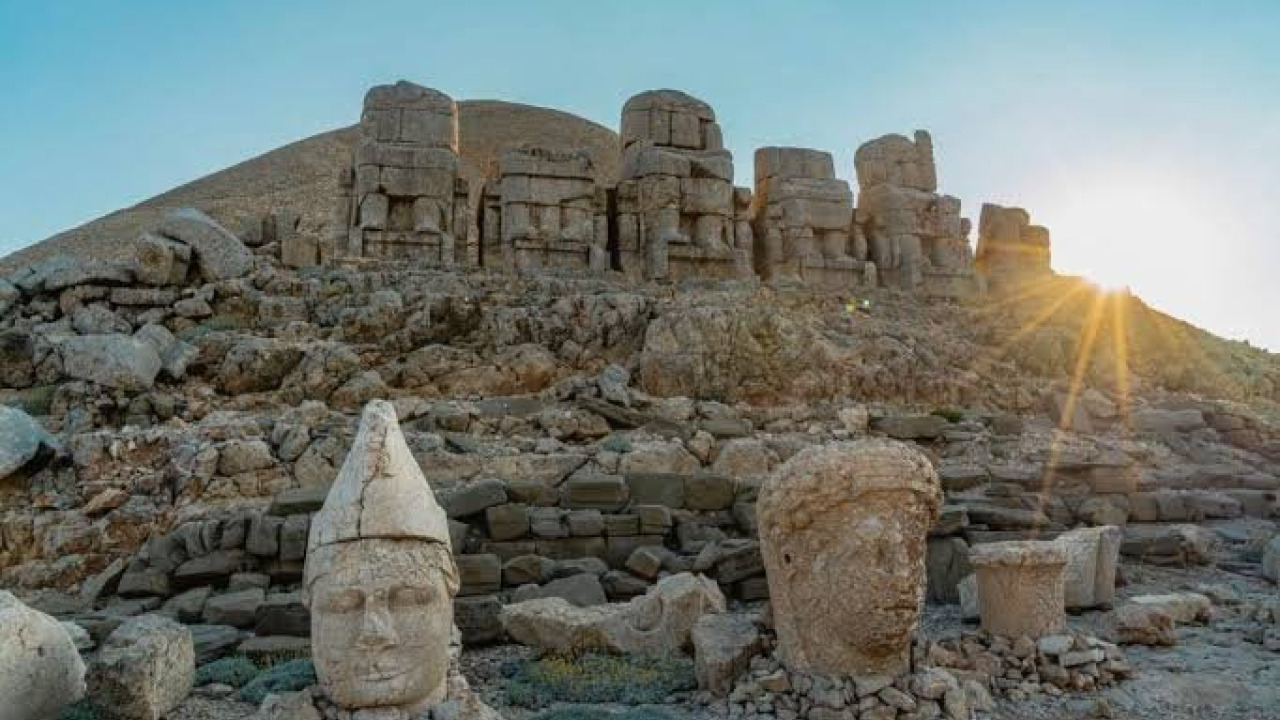
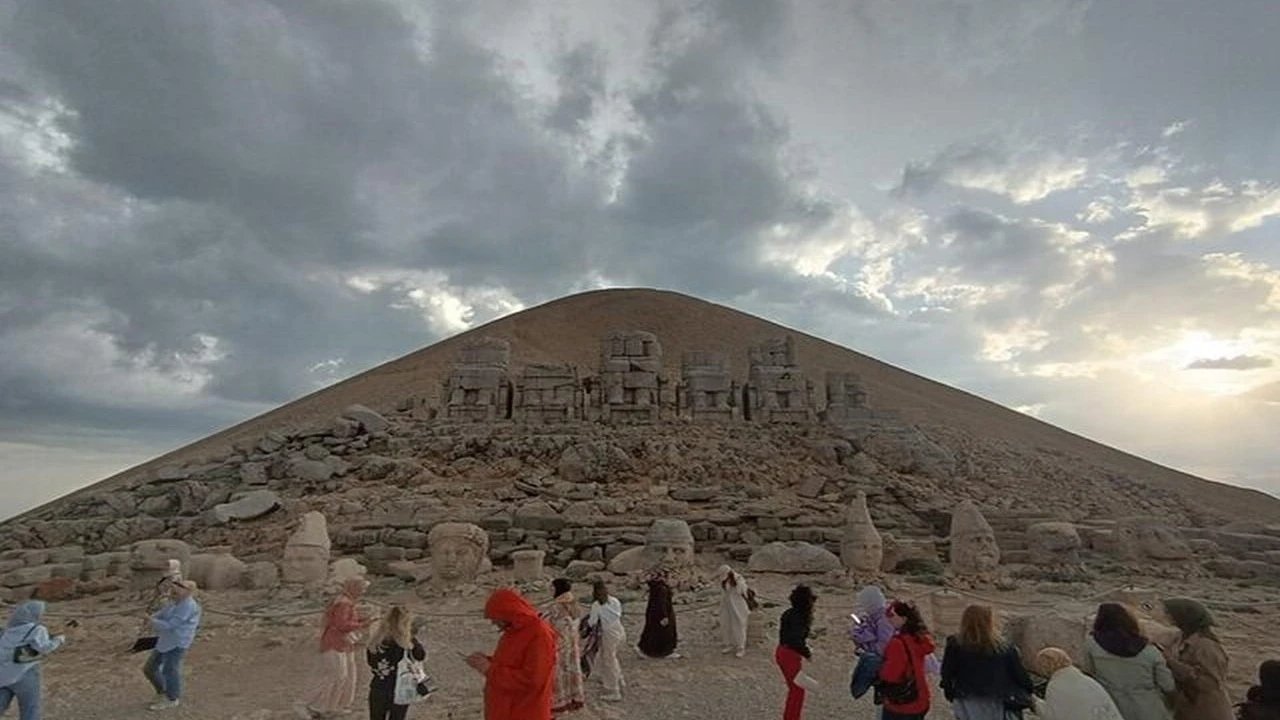
The two terraces at the summit host giant statues carved from limestone blocks, ranging from 8 to 10 meters in height. Over time, earthquakes and weathering have caused the heads to separate from the bodies; today, the massive stone heads sit prominently in front of the seated torsos. This arrangement allows visitors to examine the immense scale and intricate craftsmanship of the figures up close.
The Pantheon: Identities of the Gods
The same figures are repeated on both terraces, symbolizing these mythological characters:
- King Antiochus I: The king who placed himself on equal footing with the gods.
- Zeus-Oromasdes: The king of gods and ruler of the heavens (a Greek-Persian synthesis).
- Apollo-Mithras-Helios: The god of light, the sun, and prophecy.
- Herakles-Artagnes-Ares: The god of strength, heroism, and war.
- Kommagene Tyche (Fortuna): The goddess of prosperity, fortune, and the protector of the kingdom.
This naming convention directly reflects Antiochus's vision of religious fusion, where a single figure is addressed by both Greek and Persian names.
The Lion and the Eagle: Protectors of the Kingdom
At both ends of the statue rows, massive statues of a Lion and an Eagle stand guard, representing the protectors of the kingdom. The Lion symbolizes earthly power, while the Eagle represents the heavens and sovereignty. Notably, the star and planetary depictions found on the lion relief on the East Terrace are interpreted as some of the earliest known astronomical illustrations.
The Nemrut Dağı Sunrise Experience
The heart of any trip to Nemrut Dağı is the sunrise experience—climbing the summit in the dark during the early morning hours. The site is legendary for the atmosphere created as the first light slowly washes over the faces of the giant statues.
The Climb and the Golden Hour
A classic itinerary usually begins around 04:00 AM. After reaching the foot of the mountain via national park services, you will hike the approximately 20–30 minute stone staircase path to claim your spot on the East Terrace. As the sun begins to rise over the Mesopotamian plains and the distant dam reservoir, the sky transforms from deep purple to vibrant orange and gold. Photographers call this brief moment when the first light hits the faces of the gods the "Golden Hour"—a spectacle that cannot be replicated later in the day.
Sunset: The West Terrace Alternative
For those who miss the sunrise or prefer not to wake up in the middle of the night, the West Terrace offers a beautiful alternative. You can watch the sunset from this terrace, where the light illuminates a different profile of the statues. Since the East Terrace is oriented toward the dawn and the West Terrace toward the dusk, the ideal plan is to visit both on the same day if possible. Guided sunrise programs are highly recommended for first-timers, as they handle the timing and logistics of the climb for you.
Getting to Nemrut Dağı: Directions from Adıyaman and Kahta
The closest major settlements to Nemrut Dağı are the city of Adıyaman and the district of Kahta. The summit can be reached by private vehicle or via guided daily safari vehicles departing from Adıyaman or Kahta. The asphalt mountain roads are well-maintained, and it takes approximately 1 hour and 15 minutes to reach the summit area from Kahta.
For long-distance travelers, Adıyaman is easily accessible via air and road connections. A common route is to arrive in Adıyaman by plane or bus, proceed to Kahta, and then take the mountain road. For the final stretch to the summit, national park services operate shuttles; this short transfer usually requires a small cash payment. If you want to combine your Nemrut trip with other cultural stops in the region, check out our Adıyaman culture tours.
The Best Season to Visit Nemrut Dağı
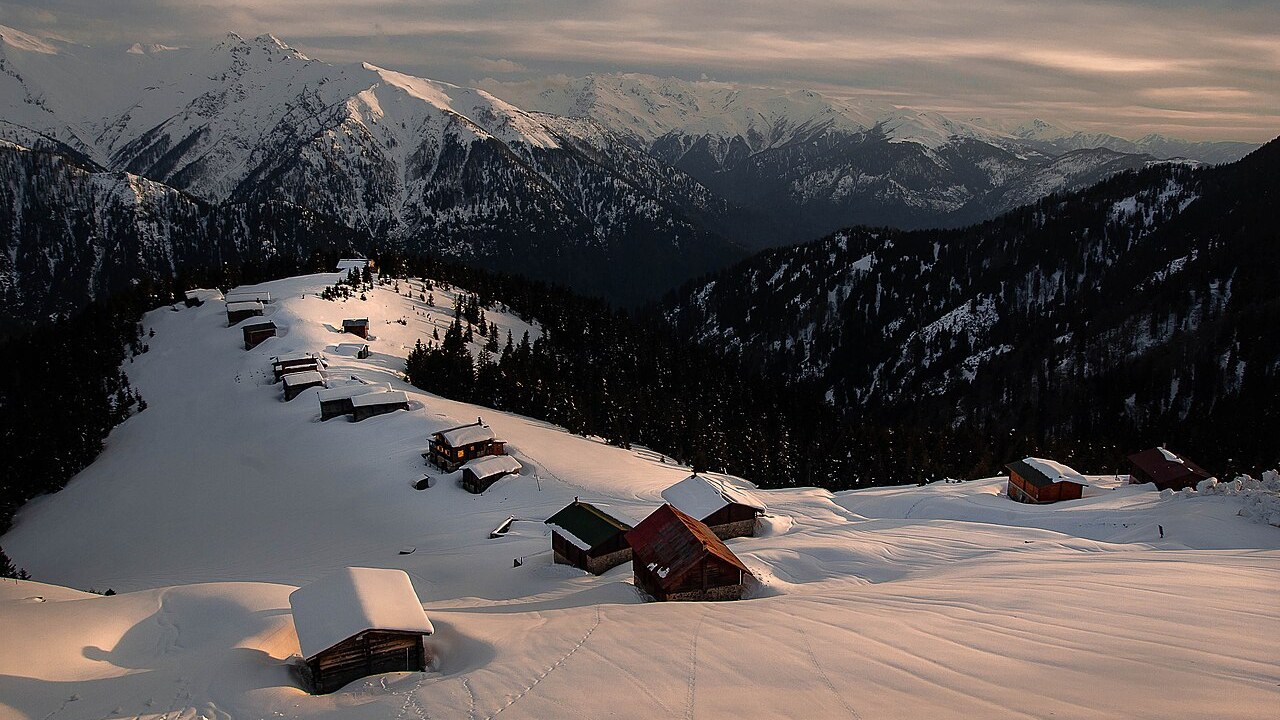
Because Nemrut Dağı sits at an altitude of 2,150 meters, the season you choose will dictate your experience. During the winter months, roads are often closed due to heavy snow, making the summit inaccessible. The best time to visit and witness the sunrise is between early May and mid-November, when the roads remain open.
Even within this window, weather can change rapidly. Mornings at the summit can be quite chilly during spring and autumn. While summer days are warm, temperatures at the peak drop significantly in the early morning and evening. We recommend checking both the road conditions and the local weather forecast before you set out.
What to Wear and What to Pack
Due to its high altitude, the summit of Nemrut Dağı is cold and windy during sunrise and sunset. Even in mid-summer (July–August), temperatures at the peak can approach freezing in the early hours. Being prepared is essential for a comfortable trip.
We recommend bringing the following essentials: a heavy jacket or windbreaker, a hat and gloves, a thermos with a hot beverage, sturdy outdoor shoes for the steep stone stairs, and a small flashlight for the dark climb. If you are a photographer, bring extra batteries, as the cold can drain them quickly. Being unprepared can make the short but steep climb much more exhausting than it needs to be.
The Kommagene Route: Cendere Bridge, Arsameia, and Karakuş
While traveling to Nemrut Dağı via Kahta, you will pass several other significant Kommagene-era sites. Adding these to your itinerary transforms a simple summit visit into a comprehensive regional exploration.
Cendere Bridge and Karakuş Tumulus
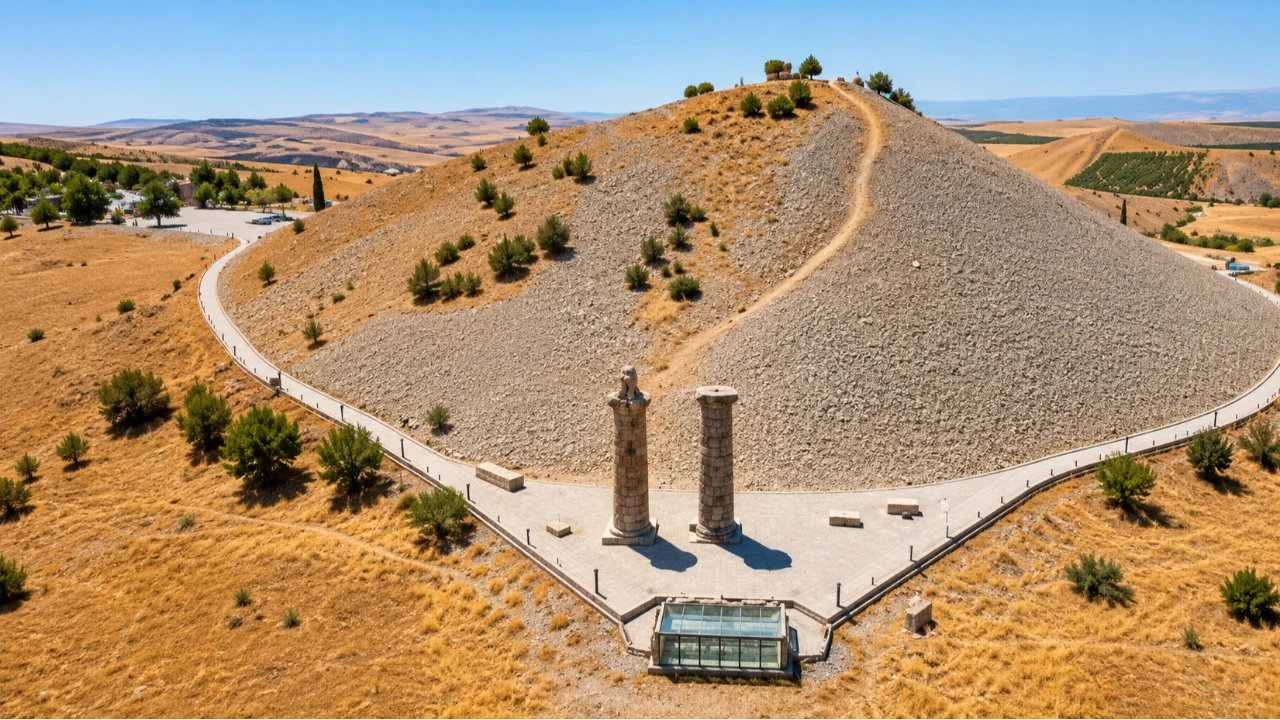
The Cendere Bridge, located near Kahta, is a historic stone bridge built during the Roman era over the Cendere River; it is remarkably well-preserved and stands out with its impressive arches and columns. The Karakuş Tumulus is a monumental tomb believed to have been built for the women of the Kommagene dynasty, featuring distinctive pillars at its top. Since both are on the road to Nemrut, they require no extra detour.
Another invaluable stop is Arsameia. Located near ancient Kahta, this settlement was a major center of Kommagene and features a large relief showing King Antiochus shaking hands with the god Herakles, alongside a long Greek inscription. This inscription is a vital source for understanding Kommagene history. If you wish to expand your Southeast journey toward Şanlıurfa, you can add even older layers of history to your trip with our Göbeklitepe culture tours.
Accommodation and Dining: Kahta, Karadut, and Adıyaman
To make an early sunrise start easier, planning your stay near the mountain is a practical choice. The closest accommodation is in Karadut village, located on the mountain road, where you can find family-run pensions that shorten your morning commute. For more variety, you can stay in the Kahta district center or Adıyaman city center and head out early.
Regarding food, the local cuisine is a highlight. Adıyaman and its surroundings are famous for çiğ köfte, and you will frequently find various kebabs, lahmacun, and local desserts on the menu. Homemade breakfasts are common in local pensions, making them a great place to grab a warm drink for your thermos before heading up.
Suggested Itinerary for Your Nemrut Dağı Trip
If you are short on time, a day trip to Nemrut Dağı is possible, but an overnight stay makes the sunrise experience much more relaxing. A suggested route would be: arrive in Kahta in the afternoon on your first day, visit the Cendere Bridge, Karakuş Tumulus, and Arsameia, then stay overnight in Karadut village. The next morning, climb to the summit in the dark to watch the sunrise on the East Terrace.
For a more extensive plan, you can dedicate your second afternoon to watching the sunset at the West Terrace before finishing your trip in Adıyaman. For those looking to expand their Southeast tour, Nemrut Dağı serves as a natural starting point for a longer cultural route extending toward Şanlıurfa and Göbeklitepe.
Frequently Asked Questions 6
Where is Nemrut Dağı located?
Nemrut Dağı is located within the Kahta district of Adıyaman province. It is approximately 75 km from Adıyaman city center and 43 km from Kahta, with its summit situated within the Nemrut Dağı National Park at an altitude of about 2,150 meters.
Should I watch the sunrise or the sunset at Nemrut Dağı?
You can enjoy both. There are two terraces at the summit: the East Terrace is oriented for the sunrise, and the West Terrace is oriented for the sunset. If possible, planning to see both on the same day allows you to experience the statues under two different types of light.
When is the best time to visit Nemrut Dağı?
Because the mountain is at an altitude of 2,150 meters, roads are closed due to snow during the winter. The ideal visiting window is from early May to mid-November when the roads are clear. It is always wise to check the weather forecast beforehand.
Is the Museum Pass (Müzekart) valid at the Nemrut Dağı National Park entrance?
Since Nemrut Dağı is an open-air museum under the Ministry of Culture and Tourism, the Museum Pass (Müzekart) is valid for entry. You can use it to visit the statue terraces and the summit paths. Note that a small fee, usually payable in cash, is required for the national park services that transport visitors from the base to the summit stairs.
How do I get to Nemrut Dağı from Adıyaman?
You can reach the summit via private vehicle or by using guided daily vehicles departing from Adıyaman or Kahta. Following the asphalt mountain road through Kahta, it takes about 1 hour and 15 minutes to reach the summit area. The final leg is typically handled by national park shuttle services.
What should I wear and bring when climbing to the summit?
The summit is cold and windy during sunrise and sunset due to the high altitude; temperatures can remain low even in summer. We recommend bringing a heavy jacket or windbreaker, a hat, gloves, a thermos with a hot drink, sturdy outdoor shoes, and a small flashlight for the dark climb.