
Whether it's from intense physical activity, long-haul flights, or the sedentary strain of office hours, our muscles often succumb to chronic tension and painful knots. Massage therapy, an ancient art of touch and manipulation, works by boosting blood circulation and helping the body flush out accumulated lactic acid. For travelers looking to turn their vacation into a journey of physical restoration and mental clarity, Masaj Turları offers professional therapy programs led by internationally certified practitioners.
The most critical decision when booking a session is choosing the technique that matches your body's specific needs. There is a world of difference between medical massages, which rely on firm, targeted pressure, and relaxing techniques that utilize stretching and aromatic oils.
Choosing a deep-pressure massage without knowing your body's limits can lead to bruising or strain in sensitive tissues, while a light relaxation session might not be enough to break through stubborn muscle spasms. Listening to your body is the first step toward achieving the vitality and wellness you seek.
Choosing Your Therapy: Essential Pre-Session Knowledge
Understanding the effects of different massage styles before visiting a spa ensures you get the most out of your experience. Across Turkey, Antalya masaj seansları are highly sought after, alongside the expert staff at Alanya masaj merkezleri and the serene atmospheres of Massage in Side.
The following table summarizes the key technical and health criteria for guests considering a massage session:
| Feature | Quick Guide for Visitors |
|---|---|
| Standard Session Lengths | 30, 50, 60, or 90 minutes depending on the target area |
| Pressure & Intensity | Ranging from light touch (Relax) to firm pressure (Deep Tissue) |
| Therapist Qualifications | MEB-approved 608-hour diploma or international therapy license |
| Therapeutic Oils Used | Sweet almond, lavender, eucalyptus, peppermint, and organic coconut |
| Health Contraindications | Severe varicose veins, acute infections, or recent spinal surgeries |
| Ideal Frequency | Once a week for chronic pain; every 3-4 days for vacation wellness |
| Target Audience | Athletes, those with neck/back spasms, and those suffering from chronic fatigue |
Popular Massage Types and Their Effects on the Body
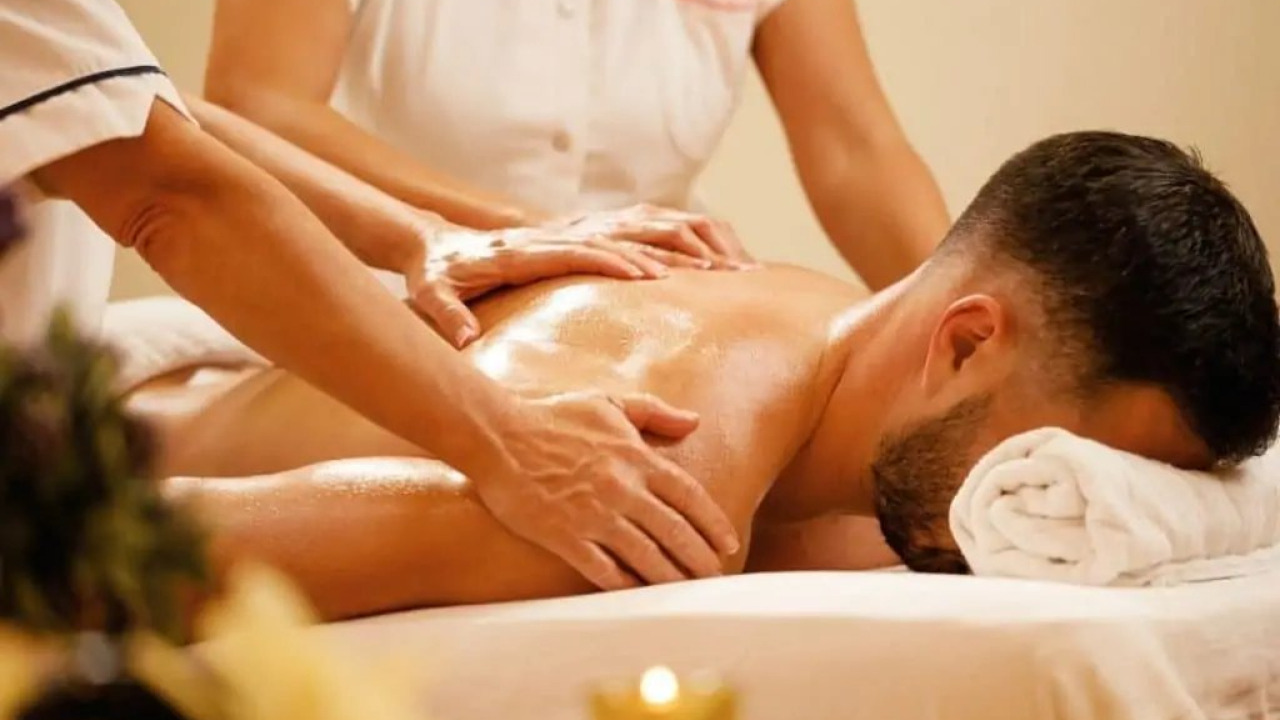
The world of massage is a rich blend of Eastern and Western medical traditions. Representing the Western school, the Classic Swedish massage uses long gliding strokes and kneading movements directed toward the heart to support overall circulation.
The crown jewel of the Far East, the Bali massage, is renowned for rhythmic acupressure along the body's energy meridians combined with gentle joint stretching. Accompanied by exotic aromatherapy oils, this session is exceptionally effective at soothing mental stress.
For athletes and desk workers, Deep Tissue massage is the gold standard. It focuses on the deeper layers of muscle and fascia using elbows and fingertips to break down stubborn knots and adhesions.
Swedish Massage vs. Bali Massage: What's the Difference?
Classic Swedish massage primarily targets the superficial layers of the muscles. It utilizes five main manipulation techniques, effleurage, petrissage, friction, tapotement, and vibration, to alleviate tension.
In contrast, Bali massage focuses on clearing blockages in the body's energy channels. The therapist uses the palms and thumbs, applying balanced pressure by leveraging their own body weight.
While a Swedish massage leaves you feeling energized and refreshed, a Bali massage induces a state of deep tranquility and Zen. Your choice should depend on your current mood and the state of your muscles.
Trigger Point Therapy in Medical and Deep Tissue Massage
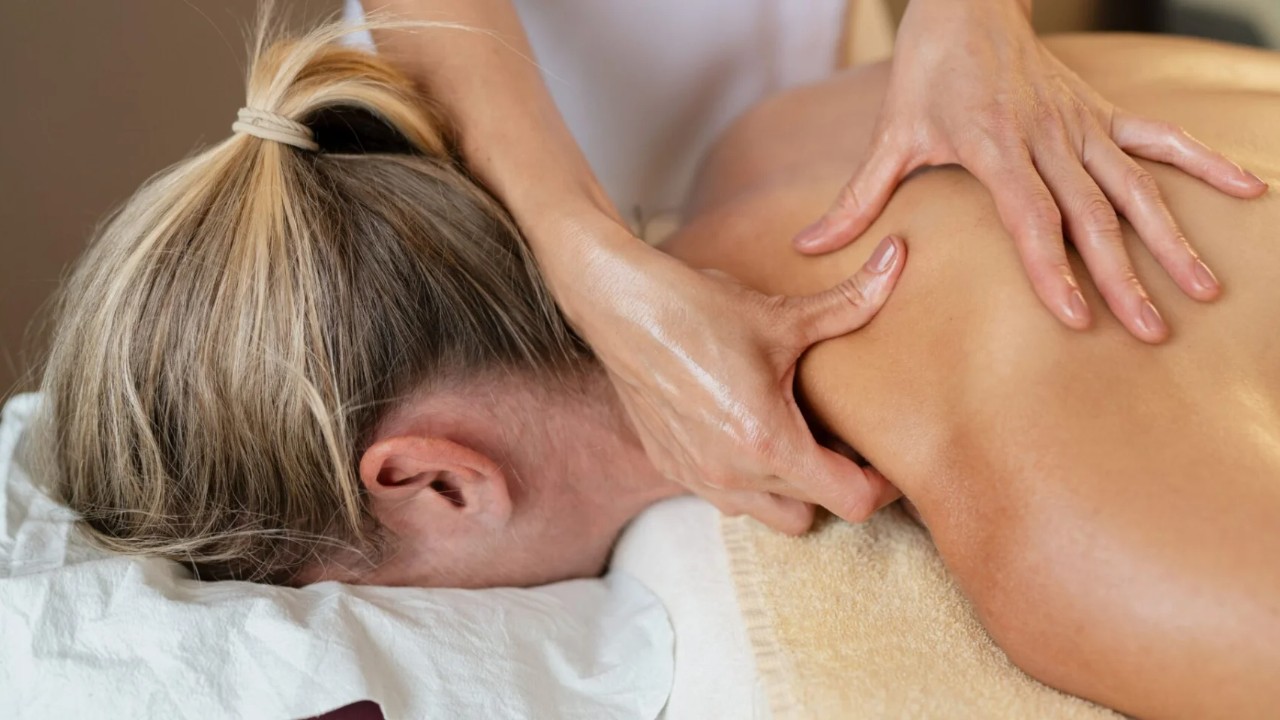
In a Deep Tissue session, the therapist applies slow, deep strokes parallel or perpendicular to the muscle fibers. By applying steady pressure to "trigger points", those tight knots of muscle, the spasm is forced to release.
You may feel a "good pain" or a dull ache during these moments, but it should never be unbearable. Providing real-time feedback to your therapist regarding the pressure ensures the session remains productive and safe.
It is perfectly normal to feel slight muscle soreness the day after. Within 48 hours, this typically gives way to an extraordinary feeling of lightness and improved mobility.
Comparison: Massage Types, Pressure Levels, and Focus Areas
The benefits of a massage are shaped by the intensity of the pressure and the tools used. Selecting the right style ensures your expectations are fully met.
The table below compares the most popular massage schools found in global and Turkish spa centers:
| Massage Type | Pressure Intensity | Primary Technique | Main Physiological Benefit | Ideal For... |
|---|---|---|---|---|
| Classic Swedish | Medium | Gliding and kneading toward the heart | Boosts circulation, general relaxation | First-timers |
| Traditional Bali | Medium to Firm | Acupressure and joint stretching | Energy balance, deep mental peace | Stress and insomnia |
| Deep Tissue | High / Firm | Slow pressure via elbows and fingers | Resolves chronic knots and adhesions | Chronic neck and back pain |
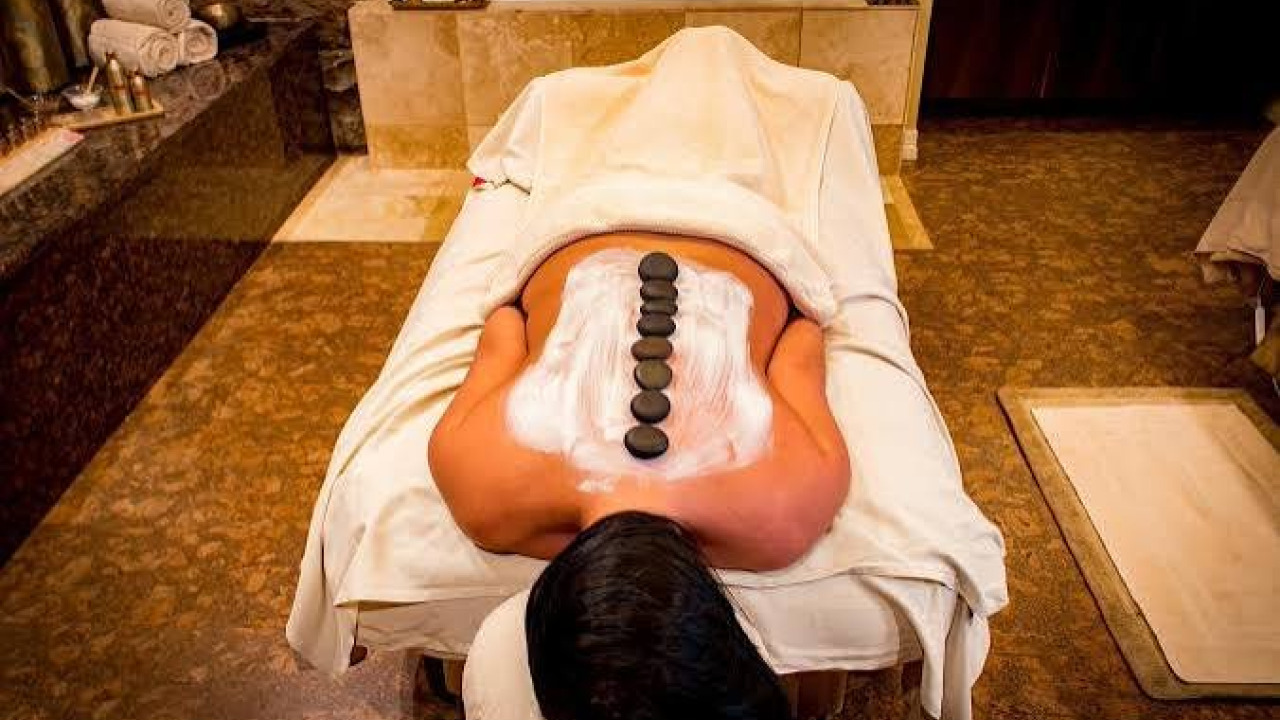
| Hot Stone | Light to Medium | Heated volcanic basalt stones | Deep muscle relaxation via heat | Fibromyalgia or cold-weather stiffness |
| Reflexology | Variable | Pressure points on the soles of the feet | Balances internal organ functions | Travelers on their feet all day |
For those seeking a gentle, restorative touch, aromatherapy or hot stone sessions are perfect. Those feeling deep-seated stiffness should opt for Deep Tissue without hesitation.
5-Step Preparation Protocol for a Safe and Effective Massage
To maximize the health benefits of your session, it is important to follow a few preparation and application rules. These five steps, recommended by wellness experts, ensure your body is fully receptive to the therapy.
- Communicate Pain Points: Upon entering the room, clearly inform your therapist about sensitive areas (neck, lower back, shoulders) and mention any history of surgery.
- Select the Right Oil: Choose a botanical aromatic oil that suits your skin type and scent preference by sampling them with your therapist.
- Optimal Positioning: When lying face down, keep your neck neutral; ensure your head is aligned with the face cradle to avoid twisting.
- Breath Control: Do not hold your breath when the therapist applies firm pressure. Instead, take slow, deep breaths to help the muscles release.
- The Slow Rise: Do not jump up immediately after the session. Sit on the edge of the table for 2-3 minutes to prevent a sudden drop in blood pressure (orthostatic hypotension).
Following these steps breaks down muscle resistance, allowing the therapist to reach the deeper fibers more effectively. Letting your body truly surrender doubles the quality of the massage.
Therapist Certification and License Verification
Massage is a serious practice that directly affects the muscular and nervous systems. Receiving treatment from an unqualified person can lead to muscle tears or joint injury.
Do not hesitate to ask if the staff at your chosen center hold MEB-approved diplomas or internationally accredited certifications. Licensed therapists possess a comprehensive understanding of human anatomy and muscle insertion points.
Furthermore, the cleanliness of the therapist's hands, short-trimmed nails, and the sterility of the linens are the clearest indicators of a professional establishment.
Diet and Alcohol Restrictions Before Your Session
Lying face down on a massage table puts natural pressure on the abdominal area. A massage performed on a full stomach can lead to nausea or acid reflux.
Therefore, avoid heavy meals at least 1.5 to 2 hours before your appointment. Being overly hungry can also cause blood sugar to drop, so a light piece of fruit or a cracker is sufficient.
Avoid alcohol before your session. Since alcohol dilates blood vessels, combining it with massage can cause a dangerous drop in blood pressure and dizziness.
Post-Session Detox and Body Care
When the massage ends, the internal healing process is actually just beginning. Lactic acid and toxins released from compressed muscle fibers enter the bloodstream.
To help the kidneys and urinary tract flush these toxins out quickly, it is essential to drink plenty of room-temperature water after your session. Without adequate hydration, you may experience a mild headache or lethargy the next day.
Spending half an hour in a relaxation lounge with a warm herbal tea helps make the mental tranquility permanent. Respecting your body by avoiding strenuous physical activity for the rest of the day is key.
Preserving Aromatherapy Oils on the Skin
The pure lavender, orange blossom, or cedarwood oils used in aromatherapy not only smell divine but also nourish the skin deeply. These precious oils remain active in the pores long after the session.
Washing immediately with shower gel or soap strips away this natural healing. Therapists recommend leaving the oils on the skin for at least 4 to 6 hours.
If you prefer a shower, a gentle rinse with lukewarm water is best. Your skin's silky softness will last for days.
How Regular Massage Improves Quality of Life
Massage is not just a luxury for vacations; it is one of the most effective preventative health investments against the tensions of modern life. Those who receive regular massages often report a significant increase in sleep quality.
Stimulating the lymphatic system supports the immune system, strengthening the body's resistance to illness. It also contributes greatly to correcting posture and spinal alignment.
A high-quality massage session during your holiday can be the perfect starting point for adopting a lifelong discipline of bodily health.
Practical Tips for Your Massage Appointment
To ensure a seamless and productive experience at a massage center, keep these tips in mind:
- Arrive 15 Minutes Early: Arrive ahead of time to fill out registration forms and warm up your body with a lukewarm shower.
- Wear Loose, Comfortable Clothing: Opt for breathable cotton clothes that you won't mind getting a bit of oil on after the session.
- Real-Time Feedback: If the room temperature, music volume, or pressure intensity is uncomfortable, inform your therapist immediately.
- Remove Jewelry and Watches: Take off all accessories from your neck, wrists, and fingers and store them in a secure locker.
- Plan Your Post-Session Downtime: Avoid scheduling intense sightseeing or business meetings immediately after your massage; give your body at least an hour of free rest.
Maintaining personal hygiene makes the therapist's job easier and fosters positive communication. Approaching the massage table with an open mind completes the process of spiritual renewal.
Frequently Asked Questions 5
Which massage type is best for intense muscle pain?
Deep Tissue or Medical massage, which utilize firm pressure and trigger point techniques, are the most effective for resolving chronic back and neck spasms.
What is the difference between a Bali massage and a Classic massage?
While Classic massage focuses on rubbing and kneading the muscle tissue, Bali massage opens energy meridians using aromatic oils, stretching, and acupressure.
Should I eat before a massage session?
Because pressure is applied to the abdominal area and circulation increases, you should avoid heavy meals at least 1.5 to 2 hours before your session.
How can I tell if a massage therapist is certified?
In authorized centers, therapists' MEB-approved certificates or internationally recognized diplomas should be clearly displayed on the wall.
Why is it important to drink plenty of water after a massage?
Drinking plenty of water is mandatory to help the kidneys quickly flush out the lactic acid and toxins released from the muscle fibers during the massage.