The Gulf of Antalya, opening into the deep and nutrient-rich waters of the Mediterranean, is one of Turkey's most productive offshore fishing grounds for sporting enthusiasts. Departing in the early hours from the Konyaaltı coastline and Çelebi Marina, fully equipped fishing charters set sail toward the deep-sea trenches of the Mediterranean, framed by the majestic silhouette of the Taurus Mountains. The seabed here drops off sharply, allowing anglers to reach depths of hundreds of meters just a few miles from the shore.
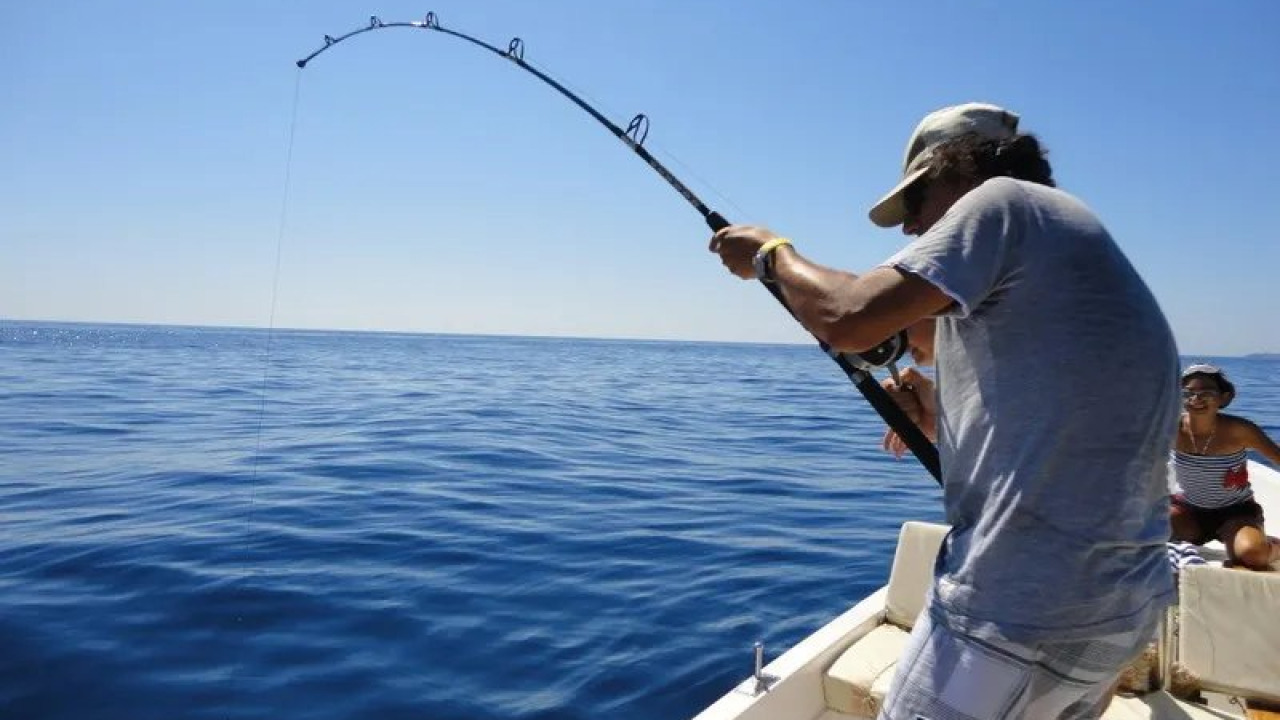
These deep-sea canyons serve as primary migration and feeding corridors for massive pelagic species, including Amberjack (Akya), Greater Amberjack, Bluefin Tuna, Dentex (Sinarit), and Swordfish. Professional charters, equipped with high-performance engines and state-of-the-art sonar and depth finders, offer guests an unforgettable offshore battle using both deep-sea trolling and vertical jigging techniques. That heart-pounding moment when hundreds of meters of line tighten and the drag screams is the ultimate thrill every angler dreams of.
In this comprehensive sporting fishing guide, you will find everything you need to know about big game fishing tours off the coast of Konyaaltı, seasonal migrations, rod and reel standards, and practical tips for your day at sea.
Quick Facts: Big Game Fishing in Konyaaltı
Before you cast your line into the depths of the Gulf of Antalya, understanding the fishing calendar, target species, and boat logistics will make your preparation seamless. The summary table below will help you plan your maritime adventure with confidence.
| Feature | Visitor Quick Summary |
|---|---|
| Location & Departure | Antalya / Konyaaltı Coast, Çelebi Marina or Local Fishing Harbor |
| Prime Fishing Spots | Off Sıçan Adası, Kemer Strait Gorge, Falez Depths |
| Peak Season | September - December (Pelagic run) and April - June |
| Target Species | Amberjack (Akya), Dentex (Sinarit), Bonito, Tuna, Trança, Bluefin Tuna |
| Techniques Used | Heavy Jigging, Live Bait Trolling, Deep Sea Bottom Fishing |
| Session Duration | 06:00 Departure - 12:30 Return (Approx. 6-7 hours depending on weather) |
To join tours led by licensed captains and equipped with the latest fish-finders, visit our Konyaaltı Big Game Fishing page and book your spot for the current season.


Prime Fishing Grounds and Depths of the Gulf of Antalya
As you move away from the Konyaaltı shore, the seabed drops in steep slopes. These underwater cliffs act as natural magnets, gathering small baitfish and attracting the ocean's apex predators.
Sıçan Adası and the Kemer Strait
The waters off Sıçan Adası, located at the southwestern tip of the Konyaaltı coast, are among the most famous transit points for Amberjack and Greater Amberjack. In this area, depths plunge rapidly from 80 meters to over 250 meters. Strong bottom currents cause plankton and baitfish schools to concentrate here.
Trolling with live garfish or cuttlefish during the first light of dawn yields highly productive results. Experienced captains use depth radars to locate fish schools, maintaining a steady boat speed between two and three knots.
The Falez Deep-Sea Trenches
The areas off the central cliffs (Falez) of Antalya, where the land drops vertically into the sea, are the primary habitats for bottom-dwellers like Dentex (Sinarit) and Grouper due to the rocky, cavernous seabed. Slow-tempo vertical jigging at depths between 50 and 120 meters provides adrenaline-fueled moments with powerful strikes.
In these rocky outcrops, dropping a jig to the bottom and retrieving it with fast, rhythmic snaps triggers the predatory reflex of the fish. A strong fight is required in the first few seconds to prevent the fish from retreating into the rocks.
Offshore Tuna and Swordfish Tracks
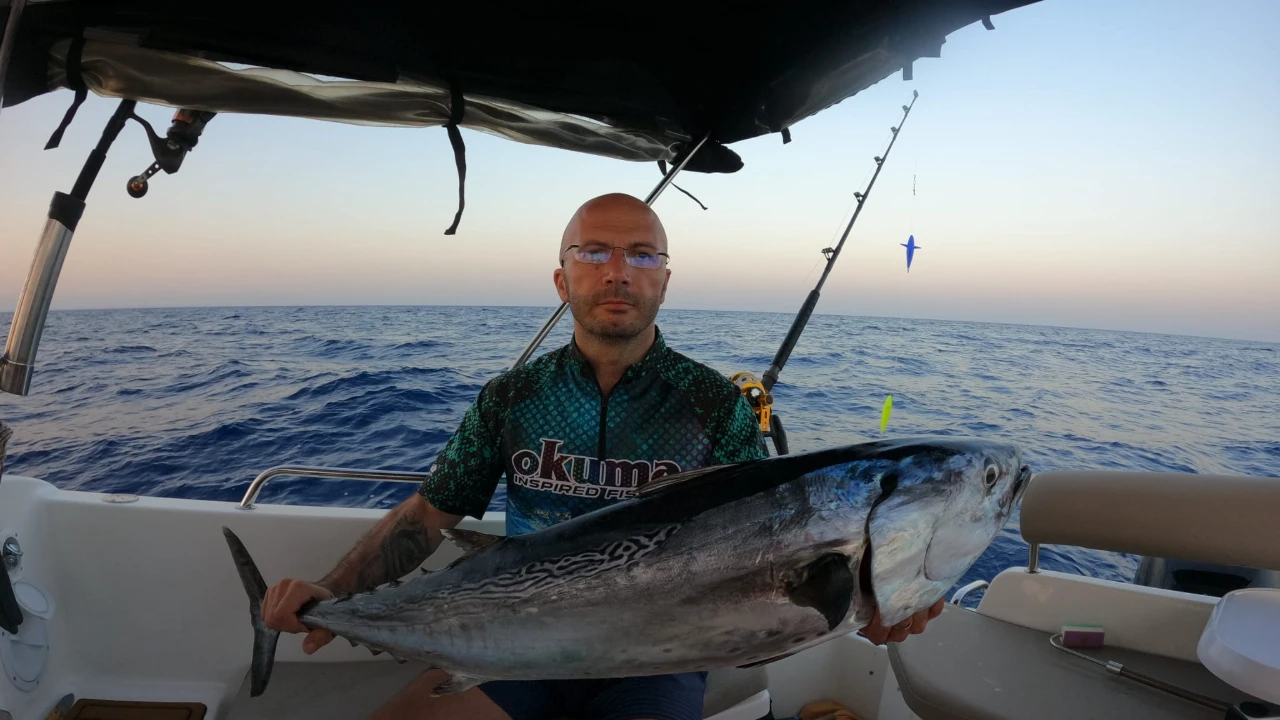
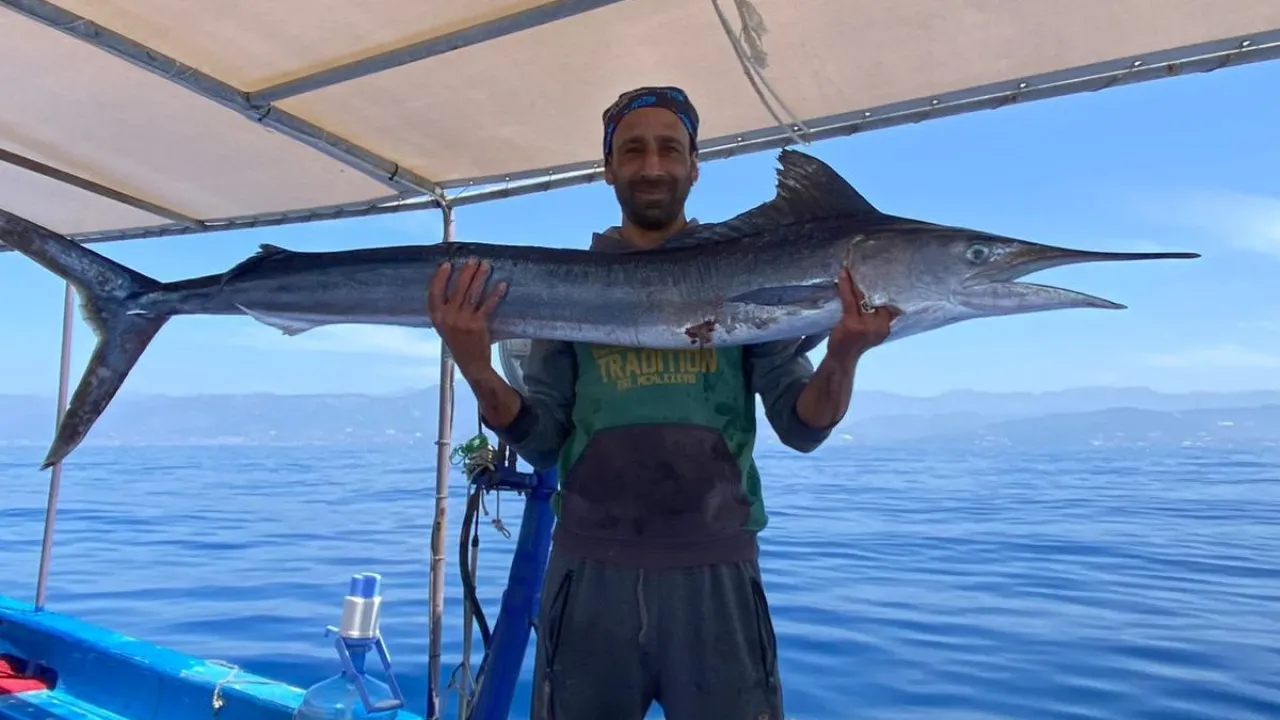
Once you venture five to seven miles offshore, the depth exceeds 500 meters. This is the roaming territory for pelagic giants such as Bluefin Tuna and Swordfish.
During high-speed trolling using artificial octopuses and Rapala lures, it is not uncommon for multiple reels to scream simultaneously. These offshore expeditions require teamwork among participants to successfully bring the trophy fish on board.
Fishing Techniques and Equipment Comparison
The following table summarizes the primary sporting disciplines used in the Gulf of Antalya, the gear required, and the target depths.
| Discipline | Target Depth | Rod & Reel | Line / Braid Thickness | Primary Target Fish |
|---|---|---|---|---|
| Heavy Jigging | 60 - 150m | 200-300g Jig Rod | 0.28 - 0.35 mm PE Braid | Amberjack, Dentex, Trança |
| Live Bait Trolling | 30 - 80m | 30-50 lbs Trolling Rod | 0.50 mm Mono Leader | Large Amberjack, Greater Amberjack |
| Surface Trolling | 0 - 15m | High-speed Reel | 0.25 - 0.30 mm Braid | Bluefin Tuna, Bonito, Mackerel |
| Deep Sea Coral | 100 - 250m | Electric Reel | 0.35 - 0.40 mm PE Braid | Sea Bream, Fangri, Red Coral |
| Squid & Cuttlefish | 15 - 40m | Sensitive Tip Egi Rod | 0.16 - 0.20 mm Braid | Squid, Octopus, Cuttlefish |
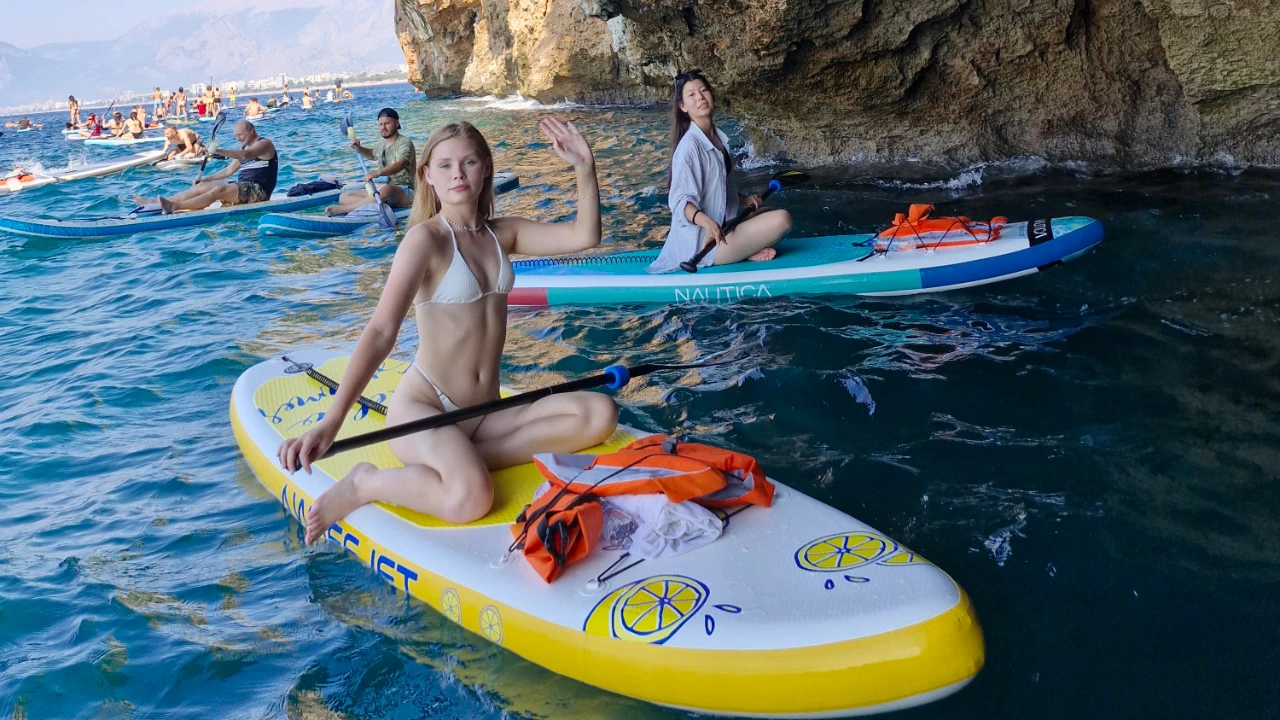
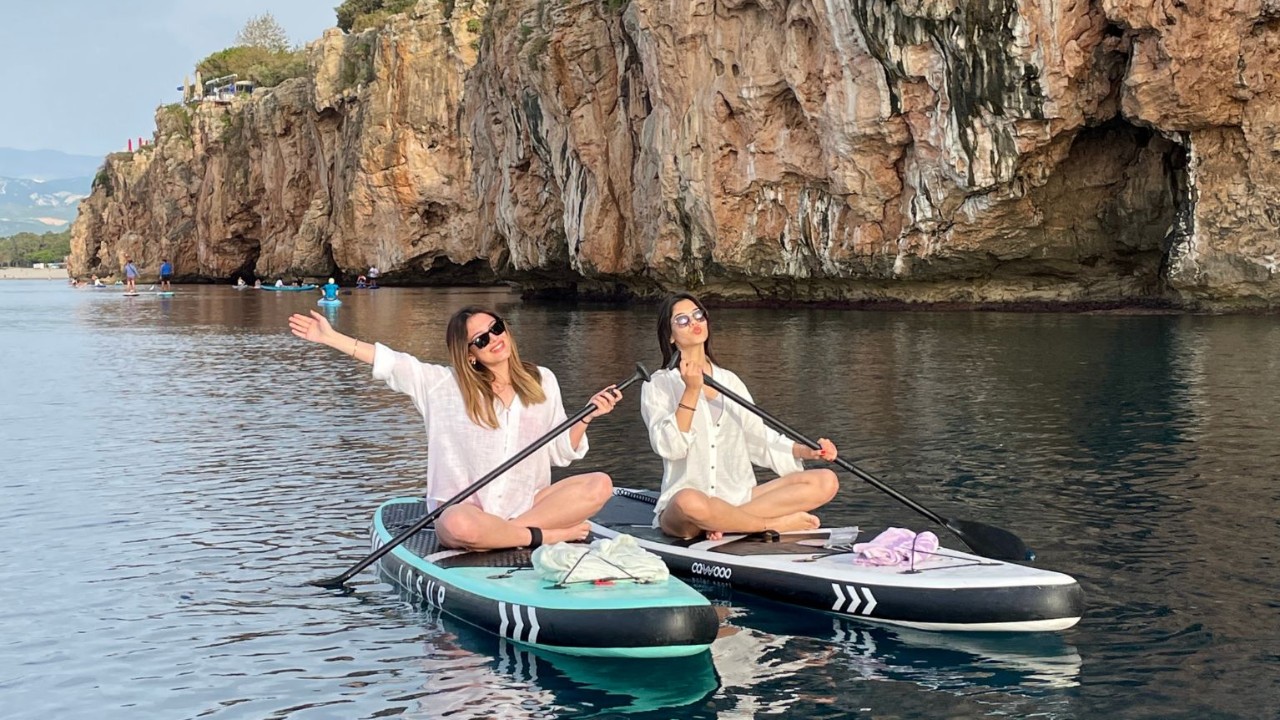
Beyond the thrill of the big catch, if you'd like to explore other water sports along the Konyaaltı coast, such as sea kayaking, windsurfing, or paddleboarding, we recommend adding Konyaaltı sea adventure tours and water activities to your holiday itinerary.
Your Deep Sea Fishing Day: A 5-Step Itinerary
- Dawn Meeting at the Harbor: Meet your captain and guides around 06:00 at the Konyaaltı Fishing Harbor for a safety briefing.
- Live Bait Operation: While heading to the first spot, sabiki rigs are deployed along the coastline to catch live bait for the day's trolling.
- Transit to Deep Waters & Radar Scanning: As the boat heads toward the offshore trenches, the captain monitors sonar and radar screens to track fish schools.
- Jigging and Trolling Session: Once the coordinates are hit, lines are dropped; guests alternate between deep-sea trolling and vertical jigging.
- Catch Review and Return: The catch is measured and photographed; undersized fish are released back into the sea, and the boat returns to the marina by 12:30.
Sustainable Fishing and Maritime Safety
The continuity of the marine ecosystem is the core principle of sporting fishing. All tours strictly adhere to the size and quantity limits set by the Ministry of Agriculture and Forestry. Juvenile fish that haven't reached breeding size and egg-bearing females are carefully released (catch-and-release principle) to ensure minimal harm.
For offshore safety, all boats are fully equipped with life jackets, fire extinguishers, radar reflectors, and VHF radios. Captains have the authority to terminate the trip based on Coast Guard weather reports in the event of sudden wind or storms. Participants are required to wear shoes and remain mindful of swinging rods while moving on deck.
5 Practical Tips for a Successful Fishing Trip
- Prevent Seasickness: Consult your doctor and take a motion sickness tablet an hour before boarding, and eat a light breakfast.
- Wear Non-Slip Deck Shoes: Choose rubber-soled boat shoes to avoid slipping on wet fiberglass or wooden decks.
- Don't Forget Sun Protection: Use polarized sunglasses, a hat, and high-SPF sunscreen to protect against strong UV rays reflecting off the water.
- Listen to the Drag: When a big fish hits, let the drag do the work to tire the fish out rather than jerking the rod upward abruptly.
- Follow On-Board Safety Rules: When using heavy sinkers and treble hooks, do not interfere with other rigs without the captain's instruction.
Frequently Asked Questions 5
Can someone who has never fished before join this tour?
Yes, our professional fishing guides prepare all the gear, bait the hooks, and provide step-by-step instruction on how to reel in a fish once it bites.
Do participants get to keep the fish they catch?
Fish caught within legal limits are shared among the guests or can be freshly cleaned and cooked on board as a treat.
Should we bring our own equipment?
Professional reels, high-quality carbon rods, jigs, and hooks are provided on board. However, guests are welcome to bring their own specialized gear if they prefer.
Are food and drinks served during the tour?
Tea, coffee, water, and snacks are available throughout the trip. Toward noon, fresh simit, sandwiches, or fruit are served based on guest preference.
Is a deep-sea fishing tour suitable for children?
When sea conditions are calm, children aged 8 and above can generally join the tour safely with their parents and experience the excitement of fishing.