
For centuries, Galata has served as a crossroads of commerce and multicultural artistic expression, from the Genoese era to the Ottoman Empire. Today, it remains the beating heart of Istanbul’s most authentic artisan workshops. Nestled in the cobblestone streets winding around the Galata Kulesi, historic hans (caravanserais) provide a home to master craftsmen who blend ancient Turkish traditions with contemporary flair.
From the geometric brilliance of Ottoman mosaic lamps to the mesmerizing dance of colors in Ebru (water marbling) and the delicate precision of stained glass, Galata offers visitors a profound creative escape. Guided by experienced masters, these hands-on workshops allow you to craft your own masterpiece, providing a tangible, beautiful memory of your journey through Istanbul.
In this comprehensive istanbul galata geleneksel el sanatlari rehberi, we explore the diverse range of workshops, the intricate steps of mosaic lamp making, the historic venues, and practical tips for your creative adventure.
Quick Guide to Galata Craft Workshops
Before booking your session, it is helpful to understand the duration, materials, and logistics. The following summary table provides essential information for planning your visit to Galata’s creative hubs.
| Feature | Visitor Quick Summary |
|---|---|
| Location & Area | Beyoğlu, Istanbul; around Galata Kulesi and Serdar-ı Ekrem Street |
| Featured Crafts | Mosaic Lamp Making, Ebru (Water Marbling), Stained Glass & Ceramics |
| Best Time to Visit | Year-round (Indoor workshops are comfortable in all seasons) |
| Recommended Duration | Half-day (Approx. 2 to 2.5-hour hands-on session) |
| Getting There | Şişhane Metro or Tünel Funicular; historic pedestrian streets |
| Perfect For | Art lovers, families, children, couples, and souvenir seekers |
Stepping into a workshop within Galata’s historic stone buildings, you are immediately greeted by an atmosphere of vibrant glass beads, brass components, and authentic lighting. As a warm welcome, most workshops offer traditional Turkish tea and delicious Turkish delight to enjoy while you create.
Travelers looking to explore more creative and cultural experiences in Istanbul can browse our Istanbul tours list.
Meeting Near Galata Kulesi
Workshops are typically located on the ground floors of historic stone mansions situated just steps away from the Galata Kulesi square.
Master instructors meet guests at their dedicated workstations to introduce the specialized material kits used for the session.
Selecting Traditional Mosaic Glass
Participants choose their unique color palette from hundreds of hand-cut glass pieces and tiny beads in various shapes and sizes.
Classic motifs used in Ottoman palace lighting, such as tulips, stars, and carnations, serve as timeless inspiration.
The Hands-on Glass Application
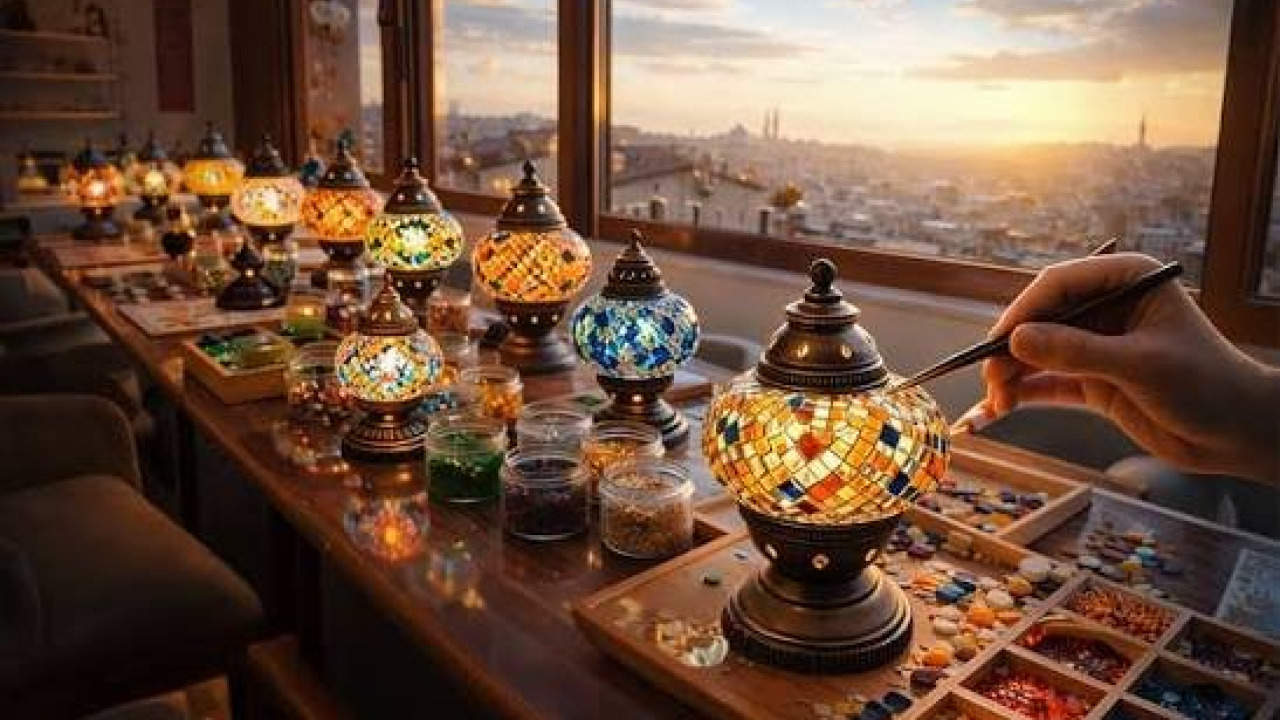
Selected glass pieces are meticulously arranged on the surface of a glass globe using specialized transparent adhesives.
Instructors provide step-by-step technical guidance to ensure perfect symmetry and color balance.
The Art of Ottoman Mosaic Lamps: Craftsmanship & Process
The art of the mosaic lamp is a stunning fusion of Byzantine and Eastern Roman glass techniques, refined by the aesthetic elegance of the Ottoman courts. These colorful lamps do more than just illuminate; they cast a warm, soothing glow that transforms any space.
During a workshop, participants are provided with a glass globe, pre-cut colored glass diamonds, shimmering beads, and specialized adhesives. The design process begins by placing the primary motifs, followed by filling the remaining gaps with intricate beadwork.
Once the glass application is complete, a specialized grout is applied to secure the pieces. After the drying period, a metal brass base and electrical components are installed, making your lamp ready to shine.
Comparing Traditional Craft Workshops
Use the table below to compare the different artisanal experiences available in Galata and the Historical Peninsula.
| Craft & Art Form | Primary Materials | Duration & Difficulty |
|---|---|---|
| Mosaic Lamp | Colored glass, beads, brass base | 2 – 2.5 hours |
| Ebru Art | Tragen gum water, natural pigments, horsehair brush | 1.5 – 2 hours |
| Stained Glass | Colored glass sheets, lead strips, solder | 3 – 4 hours |
| Ceramic Painting | Fired ceramic plates, underglaze paints | 2 hours |
To learn these traditional motifs from expert instructors, please visit our Galata traditional Turkish crafts and workshop tours page.
Glass Cutting and Preparation Techniques
The glass used in these workshops is pre-cut into triangles, squares, and other shapes using specialized diamond-tipped tools.
Edges are carefully sanded on professional workbenches, ensuring participants can handle the glass safely and comfortably.
Bead Filling and Surface Balance
Tiny glass beads are scattered between larger geometric patterns to enhance light diffusion and add a sparkling texture.
The surface is filled meticulously to ensure no gaps remain on the globe.
Grouting and Polishing
After the adhesive sets, a specialized grout is applied to seal the gaps between the glass pieces and reinforce the structure.
The glass surface is then cleaned with a damp sponge, revealing a brilliant, polished finish.



Historic Hans and Art Galleries in Galata’s Streets
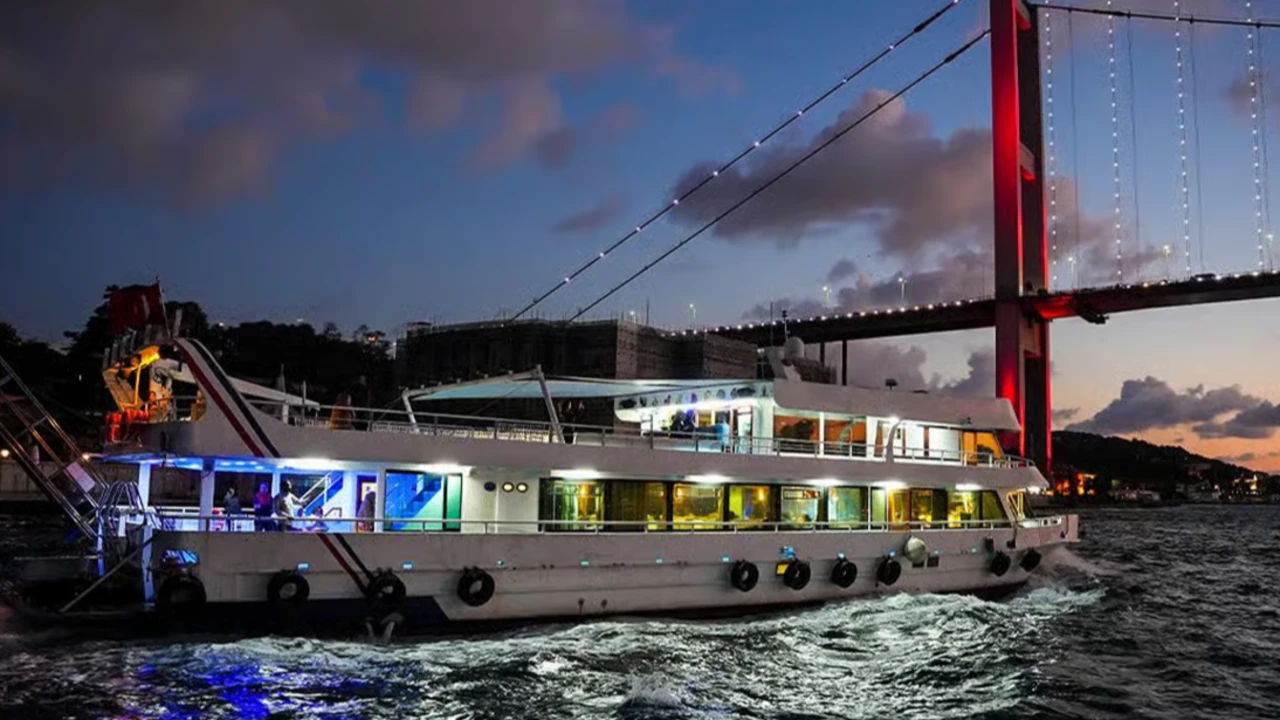
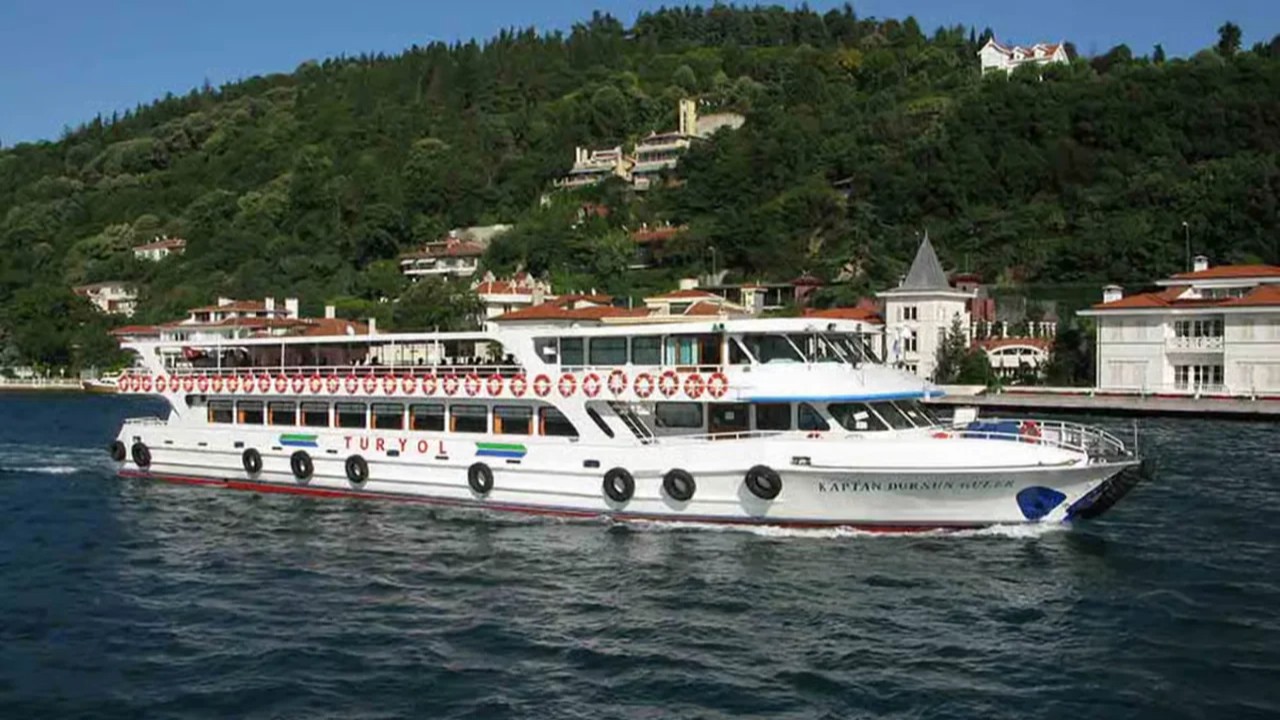
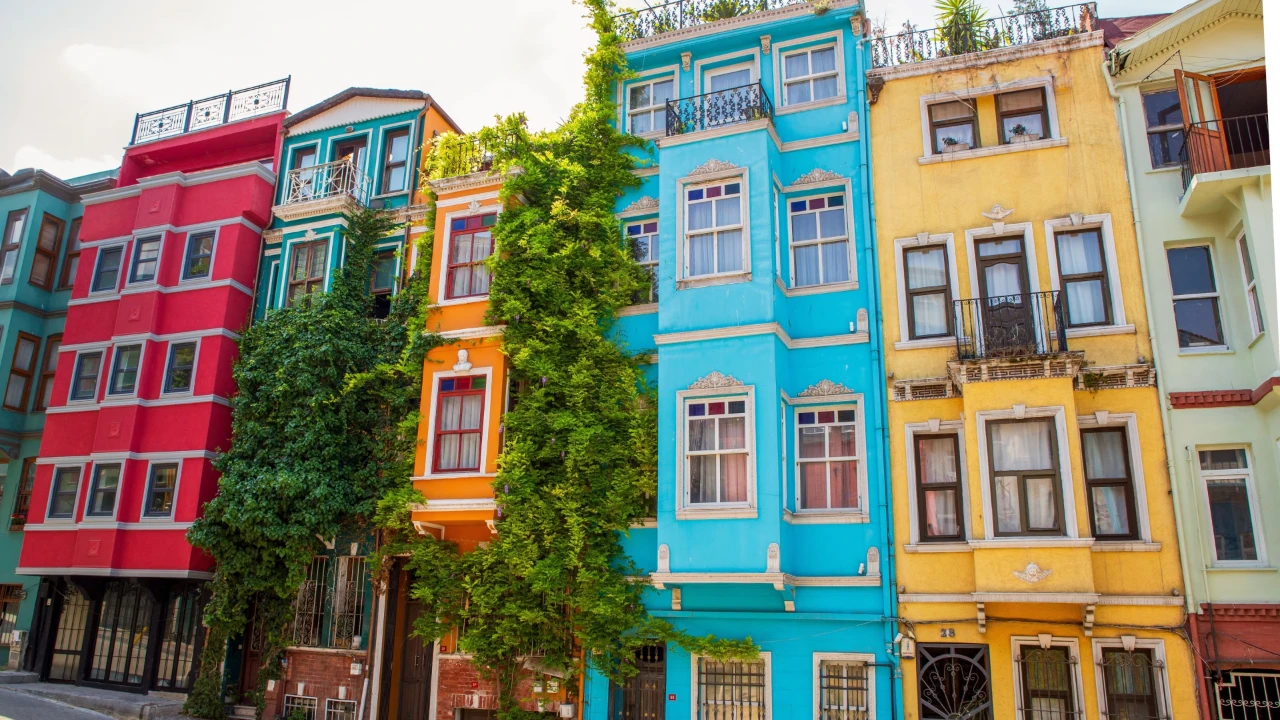
Galata is an open-air art center, celebrated not just for its mosaic lamps but also for its arched passages and historic hans. The design boutiques, painter studios, and ceramic ateliers lining Serdar-ı Ekrem Street reflect the city's vibrant, contemporary spirit.
The grand stone facade and courtyard of the 19th-century Doğan Apartmanı is a landmark for architecture enthusiasts. Nearby cafes offer the perfect spot for art lovers to take a coffee break and soak in the bohemian atmosphere of the historic streets.
Many of the old Levantine hans in the area have been repurposed into creative hubs where young artisans practice wood carving, leatherworking, and silver jewelry design. Guided tours often delve into the architectural details and the former commercial roles of these historic buildings.
Saint Pierre Han and Artisan Chambers
Once a French embassy and commercial hub, Saint Pierre Han inspires artists with its high-ceilinged rooms.
As you walk through its stone corridors, you can often spot leather and ceramic masters working at their wooden benches.
Kamondo Stairs and Geometric Elegance
Built in the 1850s by the Kamondo family, these Art Nouveau-style curved stairs connect Banker Street to Kart Çınar Street.
With their striking geometric curves, these stairs are a favorite destination for photography enthusiasts.
Serdar-ı Ekrem Street Designers
This cobblestone street is lined with shops showcasing handmade ceramic mugs, natural scented candles, and bespoke textile designs.
Visitors have the unique opportunity to chat directly with designers and hear the stories behind their creations.
The Dance of Color on Water: Traditional Ebru Art
Another deeply rooted experience offered in Galata workshops is Ebru, the art of water marbling. Historically used for decorating book bindings and official imperial decrees during the Ottoman era, this art form provides a profound sense of meditative calm.
Natural earth pigments, tempered with ox gall, are dropped into a tray of water thickened with a plant-based substance called kitre. Using brushes made of horsehair, colors are flicked onto the water's surface to create circular patterns.
Using metal needles called biz, the artist shapes the floating colors into classic forms like tulips, carnations, or "the nightingale's nest." In the final step, a special piece of paper is laid onto the water, and the design is transferred to the paper in one smooth motion.
- Preparing the Kitre Water: The water is thickened to the perfect consistency using gum extracted from the geven plant.
- Grinding Natural Pigments: Natural pigments are ground on stone surfaces and balanced with ox gall.
- Sprinkling Colors: Horsehair brushes are lightly tapped to drop delicate droplets of color onto the water.
- Motif Drawing with the Biz: Needle-like tools are used to shape the colors into intricate floral patterns.
- Transfer and Drying: Absorbent paper is laid on the surface, the design is transferred, and the paper is left to dry on wooden racks.
The Natural Properties of Ebru Pigments
In true Ebru art, chemical dyes are never used; colors are prepared by grinding earth, madder root, and other plant materials.
The ox gall ensures the paint floats on the thickened water without sinking or mixing uncontrollably.
The Meditative and Relaxing Effect
Watching the flow of colors on the water and guiding the brush offers participants a unique sense of mental tranquility.
Because each pattern depends on the movement of the water at that exact moment, every piece of Ebru paper is a one-of-a-kind original.
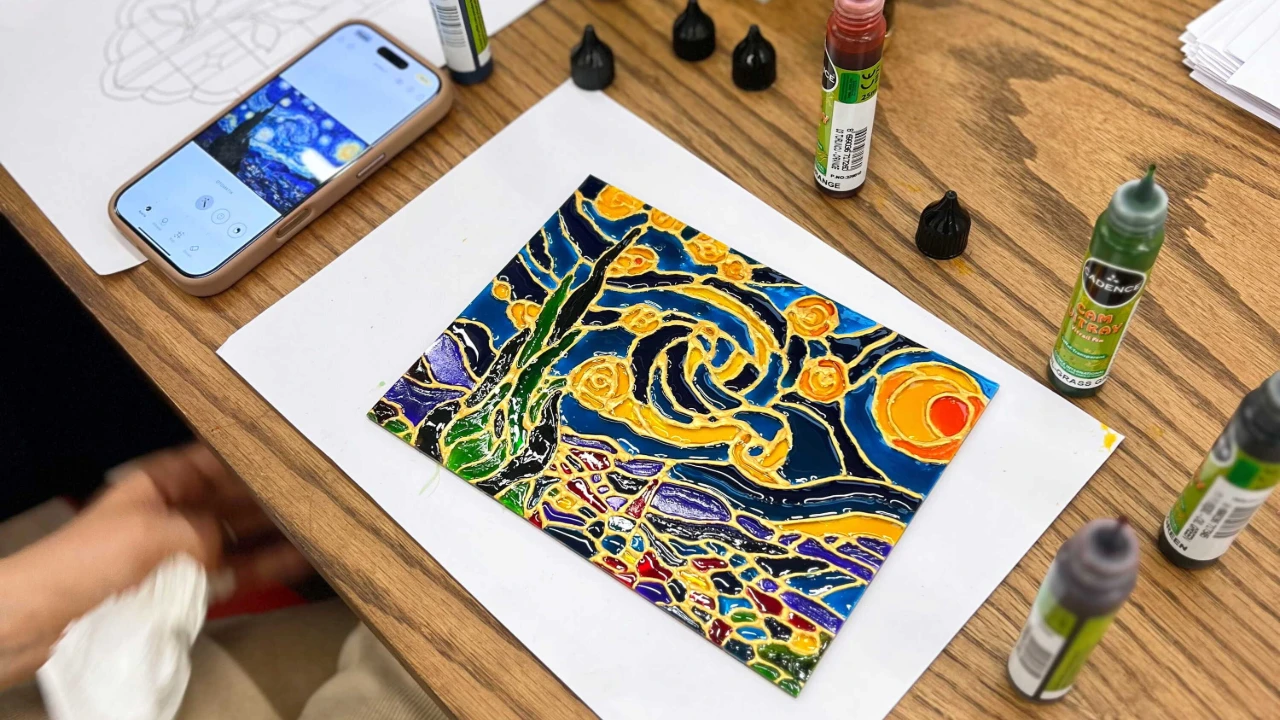
Stained Glass and Glass Fusion Workshops near Galata
Modern glass studios operating near the historic Genoese walls bring specialized techniques like stained glass and glass fusion to art enthusiasts. Colored glass melted in high-temperature kilns is transformed into unique jewelry and decorative wall panels.
The elegance of stained glass windows found in Galata’s historic churches and palaces is brought into the workshop setting. Participants use glass cutters and soldering tools to create their own small-scale stained glass masterpieces.
Glass Fusion Technique and Thermal Processes
Specialized fusion glass of different colors and textures is layered and melted in kilns at temperatures reaching approximately 800 degrees Celsius.
The glass layers fuse together in the kiln, resulting in integrated decorative glass plates and panels.
Leaded Stained Glass and Copper Foil Methods
Using the copper foil method (often known as the Tiffany technique), glass edges are wrapped in thin copper tape and joined with solder.
This method is used to design small geometric prisms, glass pendants, and decorative hanging ornaments.
Tips from Master Artisans
Instructors emphasize the importance of wearing gloves and protective eyewear during the glass-cutting process for safety.
Following the natural fracture lines of the glass is the key to achieving successful and smooth cuts.
Practical Tips for Joining Craft Workshops
To get the most out of your craft workshop and ensure a comfortable experience, keep these practical tips in mind:
- Wear Comfortable Clothing: Since you will be working with adhesives, grout, and natural dyes, choose comfortable clothes that you don't mind getting a little messy.
- Book in Advance: Workshop capacity is limited, so we highly recommend booking several days in advance, especially for weekend sessions.
- Drying and Collection Plan: Because the grout for mosaic lamps can take several hours to dry completely, plan to collect your masterpiece later that evening or the following day.
- Packing for Air Travel: For participants returning to other cities or traveling abroad, lamps are placed in protective bubble wrap and secure carrying boxes.
- Photo and Video Permission: You are free to photograph your progress and the different stages of the workshop; instructors are usually happy to help you capture these memories.
Frequently Asked Questions 4
Do I need prior manual dexterity or experience for mosaic lamp making?
No, the workshop programs are designed specifically for beginners; expert instructors provide step-by-step guidance at every stage.
Will the lamp I make work immediately in an electrical outlet?
Yes, the lamps are delivered ready to use, complete with a bulb, cord, and switch; they follow Turkish standards and can be used worldwide with a simple plug adapter.
How long do the workshop sessions last and is there an age limit?
The hands-on session lasts approximately 2 to 2.5 hours; children aged 7 and older can safely participate accompanied by their families.
Does the workshop fee include all materials and the lamp?
Yes, the reservation fee includes the glass globe, brass base, electrical components, all glass and bead materials, and refreshments.