Perched atop the serene Bülbül Mountain in the Selçuk district of İzmir, the House of the Virgin Mary stands as one of the most profound destinations for faith-based tourism in the world. According to Christian tradition, Mary, the mother of Jesus, spent her final years in this secluded sanctuary, making it a revered pilgrimage site for Catholics and Orthodox Christians alike. Because Mary is also a deeply respected figure in Islam, the site has evolved into a universal place of peace and prayer, welcoming visitors of all faiths. In this comprehensive guide, we explore where to find the House of the Virgin Mary, the fascinating story of its discovery, its spiritual significance, and how to seamlessly pair your visit with the ancient city of Ephesus.
At Travel Tour Shop, we believe in quality over quantity. We have rigorously vetted our network of guides and tour providers, filtering out approximately 83% of the market to partner only with those who possess exceptional local expertise and a proven track record of guest satisfaction. The insights provided in this guide are a reflection of that commitment to quality.
Quick Facts
| Topic | Details |
|---|---|
| Location | Bülbül Mountain, Selçuk (İzmir); near Ephesus |
| Significance | Major pilgrimage site for Catholic and Orthodox Christians |
| Discovery | Based on 19th-century visions; excavated in 1891 |
| Key Highlights | The Holy House, The Wish Wall, The Holy Spring |
| Recommended Pairing | Ephesus Ancient City (same-day visit) |
| Best Time to Visit | Spring and Autumn |
Where is the House of the Virgin Mary Located?
The House of the Virgin Mary is nestled in the lush greenery of Bülbül Mountain in Selçuk, İzmir, just a short distance from the ruins of ancient Ephesus. Surrounded by fragrant pine forests and a tranquil atmosphere, the site provides a perfect sanctuary for those seeking spiritual reflection and peace. Its proximity to the Ephesus Ancient City makes it a cornerstone of both religious and historical itineraries. Its accessibility from the center of Selçuk and the city of İzmir makes it an easy addition to any Aegean travel plan.
The Story of Its Discovery
The discovery of the House of the Virgin Mary is as captivating as the site itself. In the 19th century, a German nun named Anne Catherine Emmerich experienced a series of detailed visions that described the home of Mary. These visions served as a map for researchers, who found striking similarities between the nun's descriptions and a structure near Ephesus. In 1891, Lazarist priests conducted excavations that brought the structure to light. Following this discovery, the site gained rapid recognition across the Christian world and was officially recognized by the Vatican as a sacred place of pilgrimage. Today, it continues to draw millions of visitors seeking spiritual connection.
Spiritual and Religious Significance
In the Christian faith, the Virgin Mary is the ultimate symbol of purity, mercy, and motherhood. Tradition holds that after the crucifixion of Jesus, the Apostle John brought Mary to the Ephesus region, where she lived out her final days. Consequently, the house serves as:
- A sacred pilgrimage center for Catholics.
- A site of deep reverence for Orthodox Christians.
- An important place of worship for Protestant visitors.
- A point of respect for Muslim visitors, as Mary is highly honored in the Islamic faith.
This intersection of beliefs transforms the House of the Virgin Mary into a universal space where people of different faiths gather in harmony for prayer and contemplation.
Papal Visits to the Holy House
The international prestige of the House of the Virgin Mary has been further cemented by visits from the leaders of the Catholic Church. Notable Popes who have graced the site include Pope Paul VI (1967), Pope John Paul II (1979), Pope Benedict XVI (2006), and Pope Francis (2014). These high-profile visits have reinforced the site's spiritual importance on a global scale, establishing it as a primary hub for international faith tourism.
What to See and Experience
During your visit, be sure to explore these key areas:
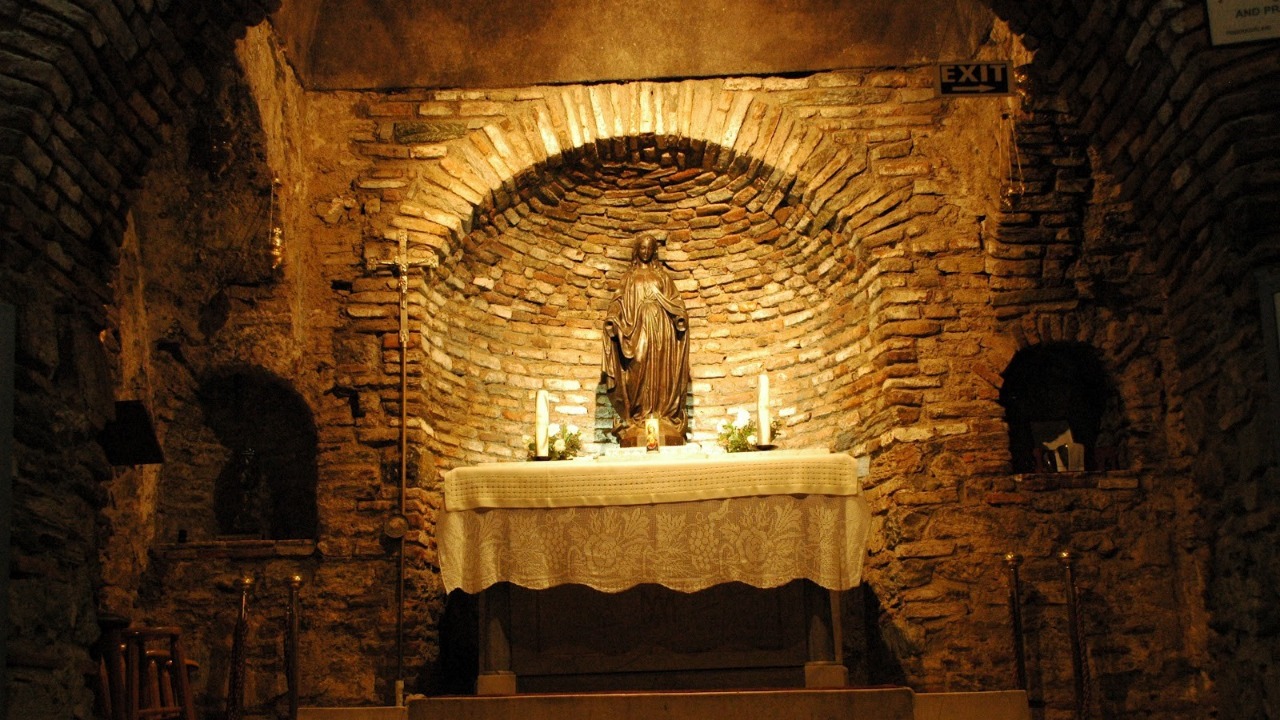
- The Holy House: The modest stone structure believed to be where Mary lived. The interior is a quiet space dedicated to prayer and reflection.
- The Wish Wall: One of the most poignant spots on the grounds, where visitors tie small slips of paper containing their prayers and wishes to the fence.
- The Holy Spring: A nearby water source believed by many to have healing properties; visitors often drink from the spring or take some water home.
- Prayer Areas: Specially designated quiet zones for those wishing to meditate or pray in solitude.
These elements combine to make the visit not just a sightseeing trip, but a deeply meaningful cultural and spiritual experience.
Is There an Entrance Fee?
The House of the Virgin Mary is open to the public, and there is typically an entrance fee. Additionally, there may be separate arrangements or fees for vehicle access to the mountain. Since most travelers visit as part of a combined tour with Ephesus, these costs are usually bundled into the tour package. If you are visiting independently, we recommend checking the current entry requirements and pricing before your trip. When booking a tour, ensure that your itinerary explicitly includes both Ephesus and the House of the Virgin Mary to avoid any surprises.
Is the House Authentic? Historical and Archaeological Perspectives
A common question among visitors is the historical authenticity of the site. Archaeological studies of the foundations suggest that the original settlement dates back to the early Christian era, though parts of the current structure were rebuilt in later periods. It is important to note that the Catholic Church has not declared the house as the exact residence of Mary as an official dogma; instead, it has endorsed the site as a place of pilgrimage and prayer. Therefore, the value of the house lies less in concrete archaeological proof and more in centuries of faith, tradition, and spiritual meaning. This perspective makes the site equally compelling for both believers and history enthusiasts.
Pairing Your Visit with Ephesus Ancient City
One of the greatest advantages of visiting the House of the Virgin Mary is its proximity to the Ephesus Ancient City, one of the most significant archaeological sites in the Mediterranean. While in Ephesus, don't miss the Celsus Library, the Great Theatre, the Temple of Hadrian, the Marble Road, the Terrace Houses, and the Temple of Artemis. Because they are so close, most visitors combine both sites into a single day of exploration. For those planning a broader itinerary around Selçuk and İzmir, our Izmir tourism guide offers excellent guidance.
How to Get There
The nearest hub for reaching the House of the Virgin Mary is Selçuk, which is approximately one hour from İzmir. The closest airport is İzmir Adnan Menderes Airport. To reach the house on Bülbül Mountain, you must travel up a winding mountain road from Selçuk, which is best done by car or via a guided tour. Public transport options to the mountain are limited, which is why the majority of visitors opt for guided tours that combine the site with Ephesus for maximum convenience and efficiency.
Visitor Tips and Etiquette
As the House of the Virgin Mary is a place of worship and quiet reflection, there are a few guidelines to keep in mind:
- Dress Code: To show respect for the sacred site, please wear clothing that covers your shoulders and knees.
- Atmosphere: Maintain silence inside the holy house and follow all posted signs regarding photography.
- Timing: To avoid long queues, we recommend arriving early in the morning.
- Comfort: Wear comfortable walking shoes for the mountain terrain, and bring water and sun protection during the summer months.
The Best Time to Visit
While the site is open year-round, the most comfortable times to visit are during the spring (April to June) and autumn (September to October), when the weather is mild. Summer is the peak tourist season for Ephesus and the surrounding region; if visiting during this time, early morning starts are essential to beat the heat and the crowds. August 15th is a particularly significant day in the Christian calendar associated with Mary, so expect higher visitor numbers on this date. Winter offers a much quieter, more contemplative experience.
Faith Tourism in Turkey and the House of the Virgin Mary
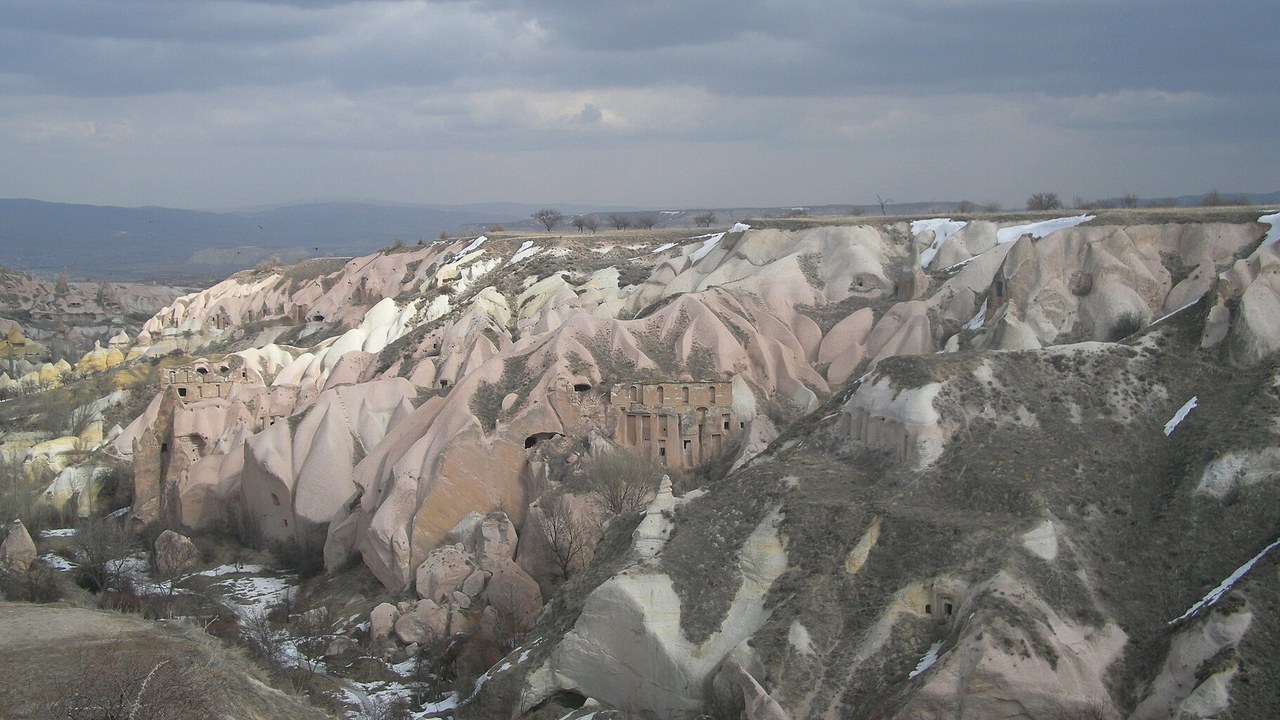
Turkey is a unique crossroads of civilizations and beliefs, making it a treasure trove for faith-based tourism. Alongside the House of the Virgin Mary, other essential stops include the cave churches of Cappadocia, the St. Nicholas (Santa Claus) Church in Demre, and the Sümela Monastery in Trabzon. These sites allow visitors of all backgrounds to experience the intersection of history and spirituality. The House of the Virgin Mary stands as one of the most visited examples of this rich heritage in the Aegean region, serving as a cultural and religious bridge.
Explore the House of the Virgin Mary and Ephesus with Travel Tour Shop
Visiting the House of the Virgin Mary and the Ephesus Ancient City with a professional guide allows you to dive deeper into the spiritual and historical context of the region while removing the stress of logistics. Through Travel Tour Shop, you can compare cultural tours, professional guiding services, and transfer options for İzmir and Selçuk, ensuring all details are clear before you book. You can explore our curated Turkey cultural tours and our general cultural tours category pages. For more insights into Istanbul's spiritual landmarks, be sure to check out our Hagia Sophia guide.
Frequently Asked Questions 6
Where is the House of the Virgin Mary?
It is located on Bülbül Mountain in the Selçuk district of İzmir, very close to the ancient city of Ephesus and about an hour's drive from İzmir city center.
Why is the House of the Virgin Mary important?
It is believed by Christians that Mary, the mother of Jesus, spent her final years here, making it a sacred pilgrimage site for Catholics and Orthodox Christians. It also attracts Muslim visitors due to the high respect for Mary in Islam.
How was the House of the Virgin Mary discovered?
The location was identified based on the 19th-century visions of nun Anne Catherine Emmerich. Subsequent excavations in 1891 revealed the structure, which was later recognized as a holy site by the Vatican.
Is there an entrance fee for the House of the Virgin Mary?
Yes, there is typically an admission fee, and there may be separate charges for vehicle access. These are usually included in guided tour packages, but independent visitors should check current rates.
Can I visit both the House of the Virgin Mary and Ephesus on the same day?
Yes. Because of their close proximity, it is very common and highly recommended to visit both sites in a single day.
How do I get to the House of the Virgin Mary?
The easiest way is via Selçuk. From there, you can reach the house on Bülbül Mountain by car or through a guided tour. The nearest airport is İzmir Adnan Menderes Airport.