
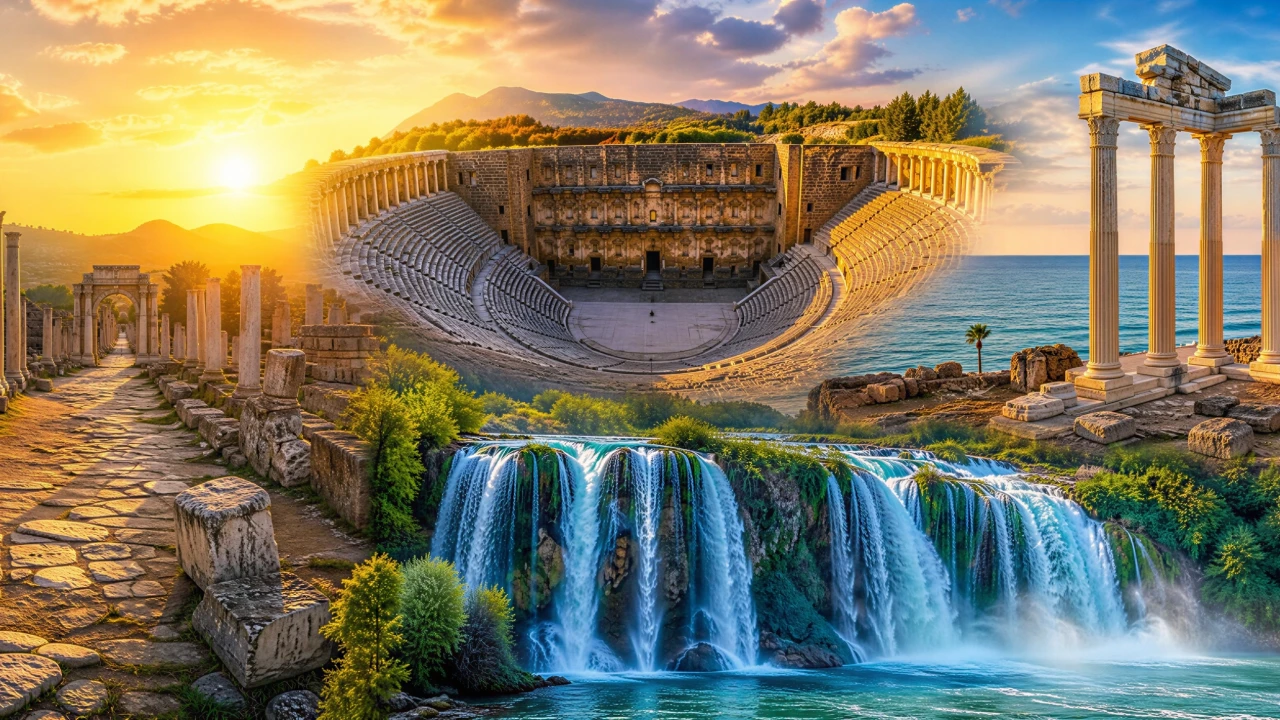
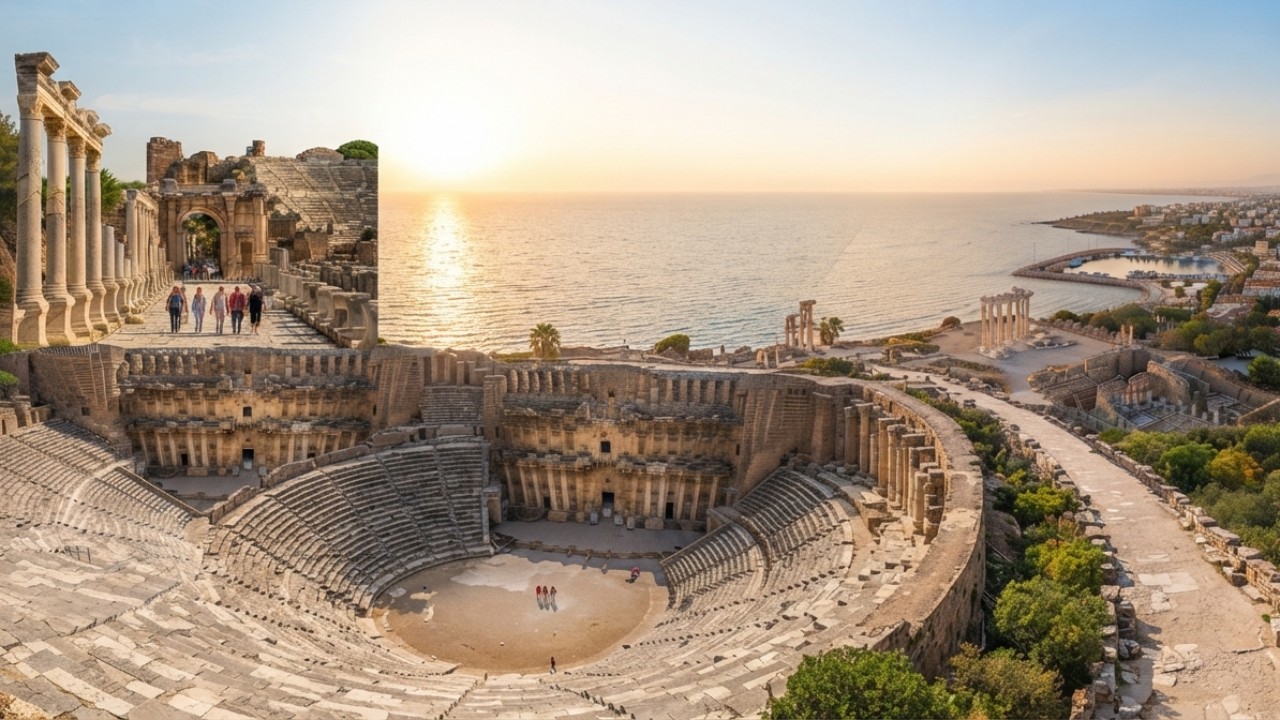
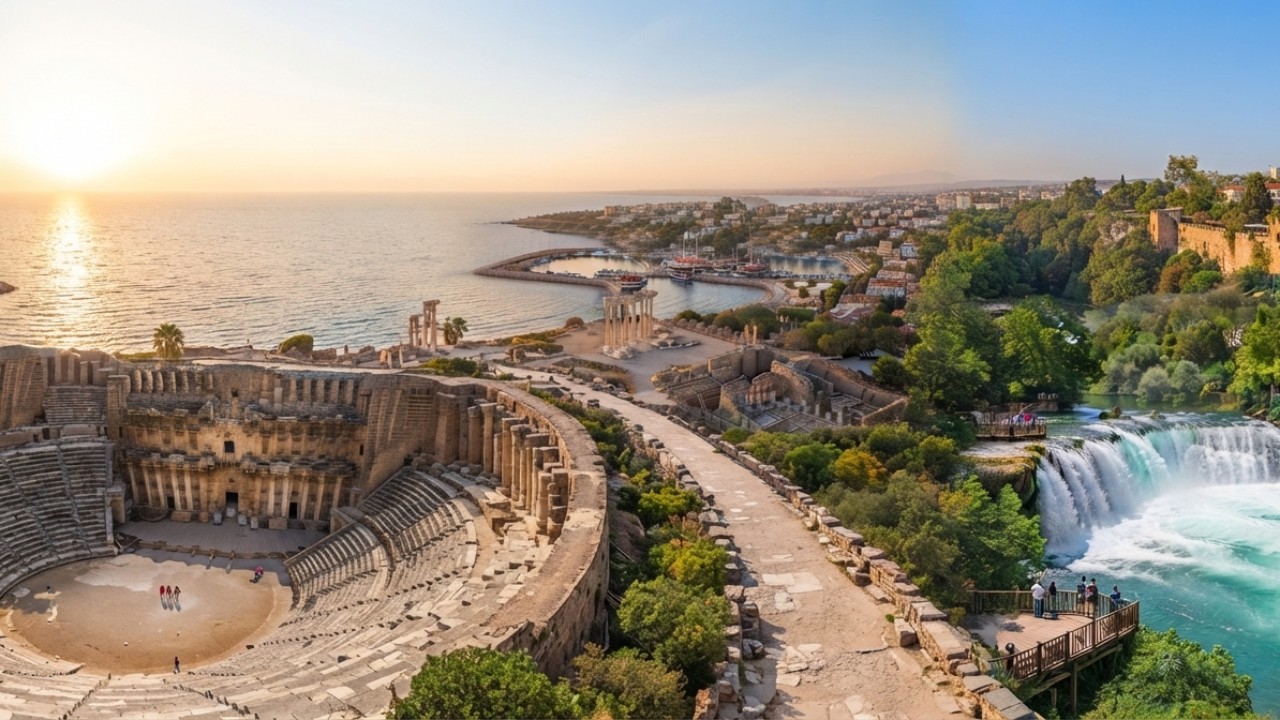
Rising from the heart of the Antalya basin, the civilization of Pamphylia serves as a sprawling open-air museum, preserving the monumental engineering and urban planning of the Roman era. From the majestic ruins of Perge to the acoustic perfection of the Aspendos theater, these sites invite travelers to uncover the rich narratives hidden within the stone. Exploring this region with an expert guide transforms a simple walk through ruins into a deep dive into the philosophy behind the symbols and the ingenuity of ancient water systems. History enthusiasts can explore our guided Perge & Aspendos tour programs here to hear the echoes of millennia-old stones through professional storytelling.
The geography of the Pamphylia plain, shaped by the Mediterranean climate, makes precise timing and routing essential for any visit. Navigating vast colonnaded streets, monumental fountains, and gladiator tunnels without getting lost requires expert planning. For those seeking a profound cultural immersion, we recommend reviewing our Perge & Aspendos cultural tours here to ensure a seamless experience backed by organized logistics.
Discovering the Heritage of Pamphylia: Essential Field Information
Knowing the site conditions and regulations in advance allows visitors to maximize their time. The following summary table outlines the critical parameters for those embarking on a guided exploration of Perge and Aspendos.
| Site Parameter | Field Details & Application |
|---|---|
| Region & Location | Antalya Province, Aksu (Perge) and Serik (Aspendos) districts |
| Architectural Focus | Hellenistic, Roman Empire, and Seljuk Transition periods |
| Ideal Visiting Season | Spring (April to May) and Autumn (September to October) |
| Recommended Duration | 5 to 7 hours total for both sites and the aqueducts |
| Entry Requirements | MuseumPass Turkey valid for citizens; Euro rates for foreign visitors |
| Terrain | Ancient stone paving, open dirt paths, and marble steps |
| Professional Guidance | Licensed professional tourist guides (Ministry of Culture and Tourism) |
| Logistics | 30 km distance between sites; vehicle transfer is mandatory |
Roman Engineering and Performing Arts in the Aspendos Valley
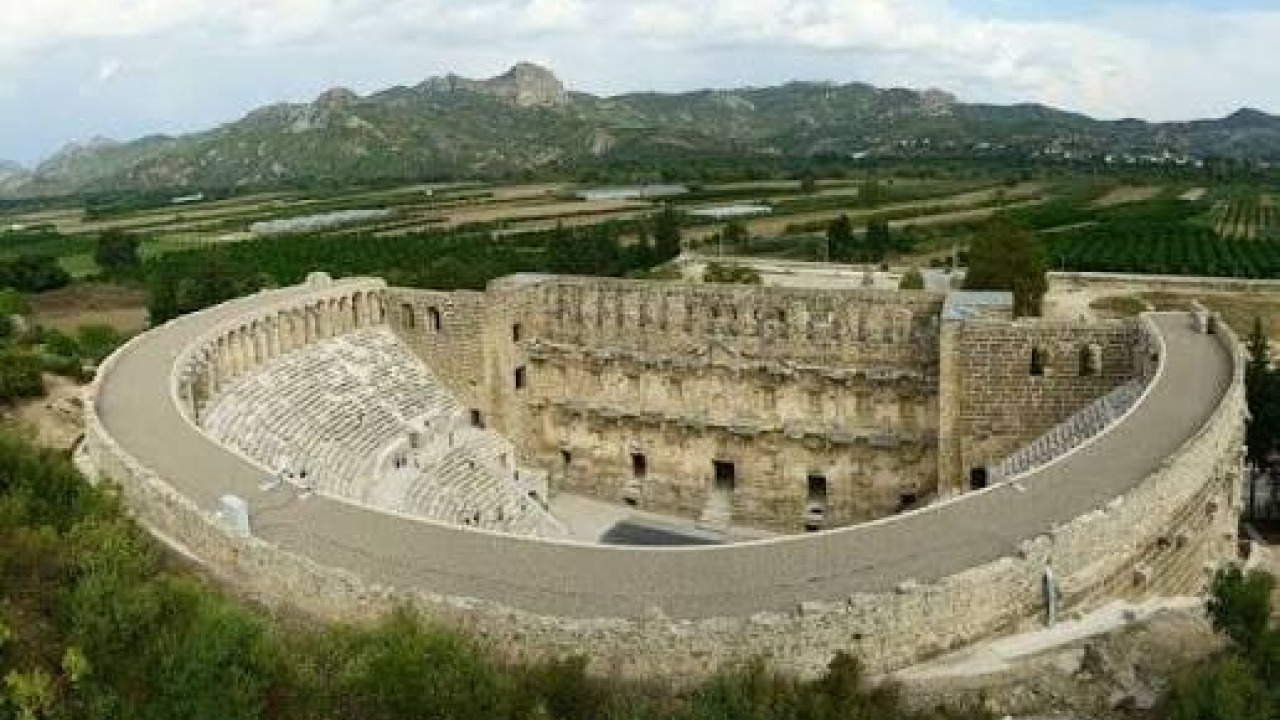
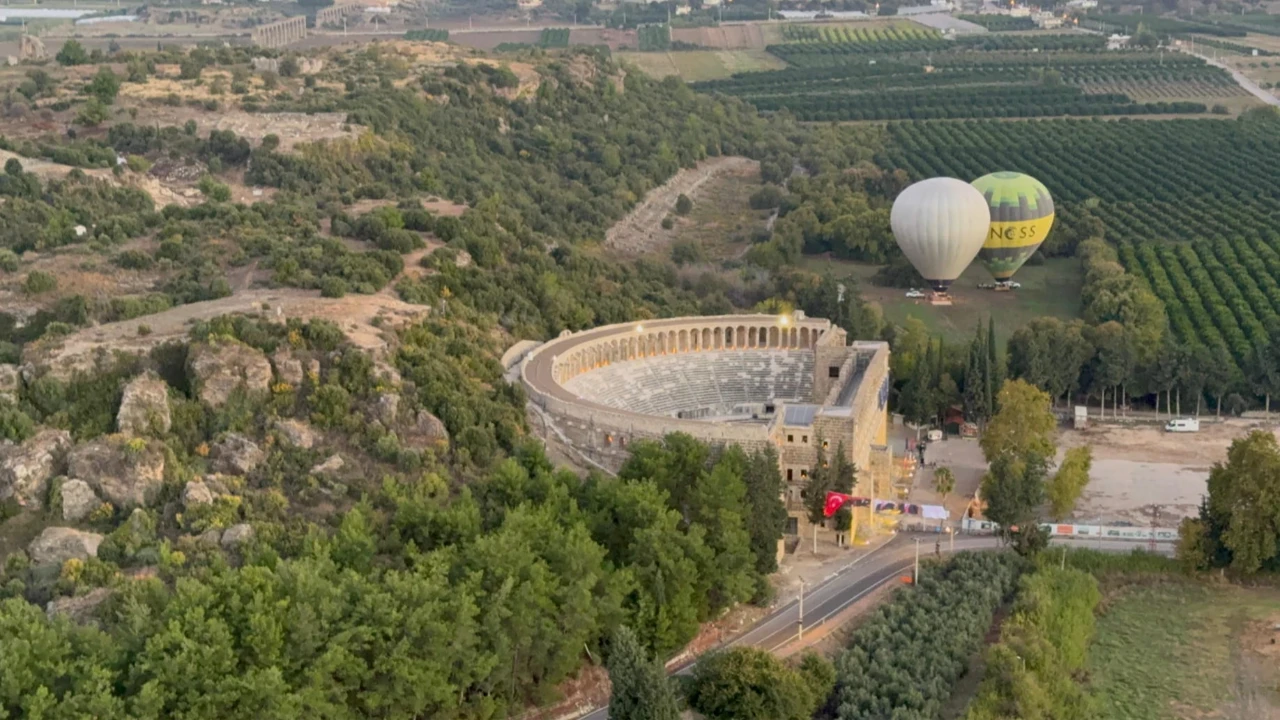
Aspendos is world-renowned for its Roman theater, built during the reign of Marcus Aurelius and standing as the best-preserved Roman theater in the Mediterranean. Designed by the architect Zenon, this magnificent structure follows a mathematical blueprint that ensures seamless sound transmission from the orchestra pit to the highest tiers. Professional guidance is crucial to truly grasp the theater's acoustics and to decode the iconography of the reliefs on the stage building.
The Aspendos Theater Stage and Acoustics
The monumental two-story stage building (scaenae frons) represents the pinnacle of Roman theatrical architecture. The niches, column arrangements, and reliefs of Dionysos on the facade reflect the ritualistic world behind ancient plays. The acoustic precision is such that the sound of a small coin dropping on the orchestra floor can be heard clearly by a spectator in the fortieth row. Experiencing these acoustic tests with an expert guide brings the mathematical genius of the construction to life.
The Roman Aqueducts and Siphon Tower
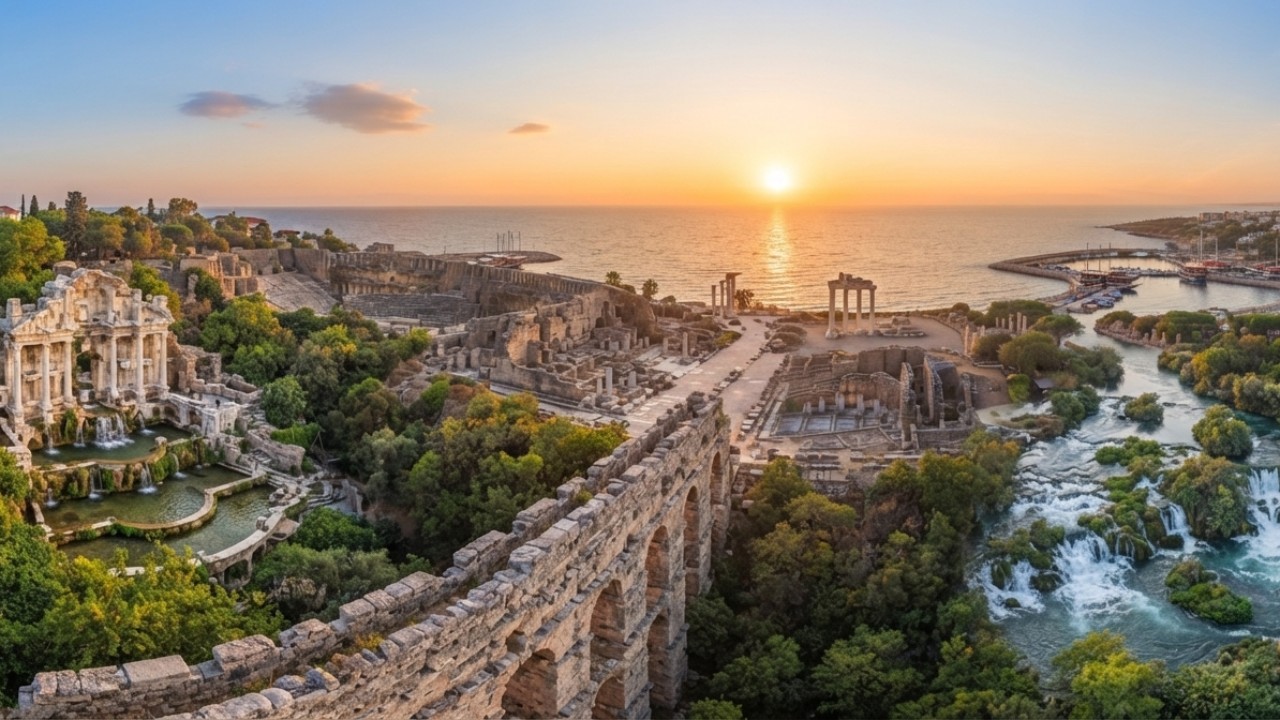
The Roman aqueducts, which transported water from the surrounding hills to the city, are masterpieces of ancient hydraulic engineering. The inverted siphon towers, built to regulate water pressure, serve as a testament to the Romans' advanced knowledge of physics. The massive stone blocks and the precise slope calculations of the valley floor reveal the sophisticated water management culture of the city.
A Day of Discovery: Expert-Curated Itinerary
To fully comprehend the history of Pamphylia in chronological order and logistical efficiency, a professionally structured daily plan is recommended. This route, spanning from early morning to late afternoon, minimizes fatigue while maximizing historical insight.
-
Morning Slot (08:30 - 11:30): Perge's Hellenistic Towers and Colonnaded Street Start the day before the sun reaches its peak at the monumental gateway of Perge. Under the imposing silhouette of the Hellenistic towers, learn about the city's defense strategies. Then, stroll along the colonnaded street, featuring a central water channel, toward the heart of the city's public life.
-
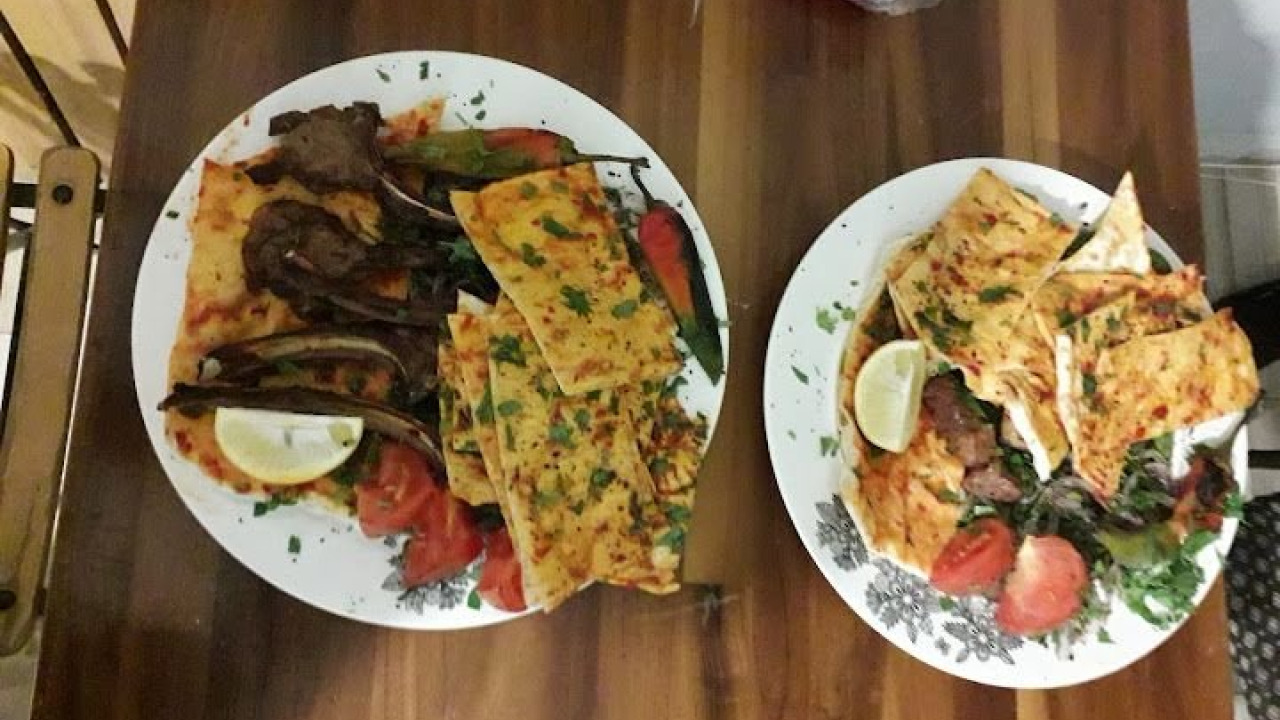
Midday Slot (11:30 - 13:00): Perge Baths, Stadium, and Local Gastronomy Break Explore the heating systems (hypocaust) of the Perge Roman baths, one of the largest bath complexes of the ancient world. Afterward, visit the vaulted shops of the 12,000-capacity ancient stadium. A short transfer to the Serik valley follows for a refreshing break with local Mediterranean flavors.
-
Afternoon Slot (13:30 - 15:30): Aspendos Theater and Acoustic Experience Step into the cool, shaded galleries and the stage building of the Aspendos theater. While resting on the cavea steps, listen to the legend of architect Zenon and the details of Roman theater festivals. Take a close look at the intricate friezes on the second floor of the stage building.
-
Late Afternoon Slot (15:30 - 17:00): Historic Aqueducts and Köprüçay Break Conclude the day by visiting the inverted siphon towers of the Aspendos aqueducts for some stunning photography of ancient hydraulics. End the journey with a short walk across the historic Köprüçay bridge, which bears the marks of the Seljuk era. Travelers wishing to add more stops can expand their program by considering Perge & Aspendos city tours in the region.
The Grand Monuments and Archaeological Finds of Perge
Perge is one of the most distinguished examples of Roman urban planning, featuring a regular grid system (Hippodamian plan) and advanced water structures. Excavations have highlighted the prestige of its sculpture school and the immense wealth of the city.
The Perge Nymphaeum and Colonnaded Street
The monumental fountain (Kestros Nymphaeum), located at the foot of the acropolis, once fed the city's lifeline with water cascading from under a statue of the water god. This water flowed through a wide channel in the center of the main street toward the city's agora. The mosaic-floored shops lining the colonnaded street attest to the high quality of ancient commercial life.
Plancia Magna's Pedestals and Honor Inscriptions
One of the most influential figures in Perge's history was Plancia Magna, the city's female administrator and patron. Using her own fortune, she restored the Hellenistic gate and adorned the city with sculptures. Her honor inscriptions document the public power held by women in the ancient world. Hearing the nuances of these Greek and Latin texts from a guide breathes life into the historical narrative.
Perge Ancient Stadium Vaults and Gladiator Tunnels
The Perge stadium is among the best-preserved sporting structures in Anatolia, thanks to its sturdy vaulted infrastructure. In this arena, where chariot races and athletic competitions took place, the areas beneath the vaults served as shops and preparation rooms for gladiators. Ancient graffiti and the names of athletes on the vault walls transport visitors directly into the thrilling atmosphere of the era.
The Historic Köprüçay Arch Bridge
Located near Aspendos over the Köprüçay (ancient Eurymedon), this historic stone arch bridge was rebuilt during the reign of Seljuk Sultan Alaeddin Keykubad upon Roman foundations. As a crossing point for river transport and caravan routes, the bridge symbolizes the region's uninterrupted history of trade.
Solo Exploration vs. Licensed Guided Tours
There is a significant difference in efficiency and depth when visiting ancient cities independently versus with an expert guide. The table below compares the advantages of each approach.
| Comparison Criteria | Independent Solo Visit | Licensed Professional Guided Tour |
|---|---|---|
| Depth of Knowledge | Limited to signboards and surface-level web searches | Mythological stories, architectural analysis, and inscription readings |
| Logistics & Transport | Challenges with car rentals, routing, and parking | Air-conditioned transfers and comfortable transit between sites |
| Time Management | Time lost navigating open areas and searching for signs | Optimized routing, shaded stops, and a smooth flow |
| Archaeological Detail | Overlooked hidden inscriptions and siphon remains | Presentation of the Zenon legend and Plancia Magna monuments |
| Budget & Cost | Separate costs for rental, fuel, parking, and guides | All-in-one package including transfer, guide, and logistics |
Field Tips and Logistics for Visiting Pamphylia
To move comfortably across the terrain and increase the productivity of your discovery, keep these practical rules in mind:
- Footwear: Choose thick-soled walking shoes with good grip to prevent slipping on ancient marble and stone surfaces.
- Sun Protection: Keep a wide-brimmed hat, UV-filter sunglasses, and sunscreen ready in your bag.
- Hydration: Carry plenty of water, especially during the hot summer months, as you will be walking along open-air streets.
- Digital MuseumPass: To bypass ticket queues at the entrance, download the digital MuseumPass application on your phone in advance.
On organized tours, group coordinators manage the ticketing process collectively, eliminating time wasted at the gates. For photography enthusiasts, the upper gallery of the Aspendos theater offers stunning light angles for the stage building during the early morning hours.
Frequently Asked Questions 5
What are the advantages of visiting Perge and Aspendos with a guided tour?
Guided tours ensure you see the most important monuments without getting lost among the sprawling ruins. Expert guides add depth to your visit by detailing ancient inscriptions, Architect Zenon's acoustic solutions, and the historical role of the city's patron, Plancia Magna.
What is the secret behind the acoustics and architecture of the Aspendos Theater?
The Aspendos theater produces clear and balanced sound distribution thanks to the proportional slope of the cavea and the reflective surfaces of the two-story monumental stage building, both designed by architect Zenon. Even whisper-level sounds in the orchestra area reach the spectators in the top rows clearly.
How long does a guided tour of the Perge ancient site take?
A detailed exploration of Perge's colonnaded streets, monumental gates, agora, stadium, and baths with a guide takes approximately 2 to 3 hours. Including the visit to the Aspendos theater and aqueducts, the full Pamphylia daily program spans 5 to 7 hours.
Can MuseumPass be used on guided Pamphylia tours?
Yes, since Perge and Aspendos are under the Ministry of Culture and Tourism, Turkish citizens can use their MuseumPass. For guests with a MuseumPass, only the guidance and transfer service fees are billed.
How is professional licensed guide support provided on Perge and Aspendos tours?
Ministry-licensed professional tourist guides meet the group as part of the tour company's program and accompany them throughout the discovery. Instead of searching for confusing signs at the entrance, visitors can easily follow the narrative via audio headsets or face-to-face explanations.