

To master the art of glass mosaic, following safety and participation rules is essential; this includes wearing protective eyewear, mastering proper plier grip, and using controlled cutting techniques. For a seamless experience, we recommend joining professional glass mosaic art tours in a safe, guided environment.
This ancient craft, where vibrant glass fragments dance with light, offers participants a meditative escape and the chance to create a tangible, handcrafted masterpiece. Under the watchful eye of expert instructors, workshops welcome art enthusiasts of all ages and skill levels to bring their unique visions to life.
Here is what you can expect from a professional glass mosaic workshop:
- A safe production environment ensured by protective eyewear and specialized hand tools.
- Step-by-step guidance from master instructors, making it perfect for absolute beginners.
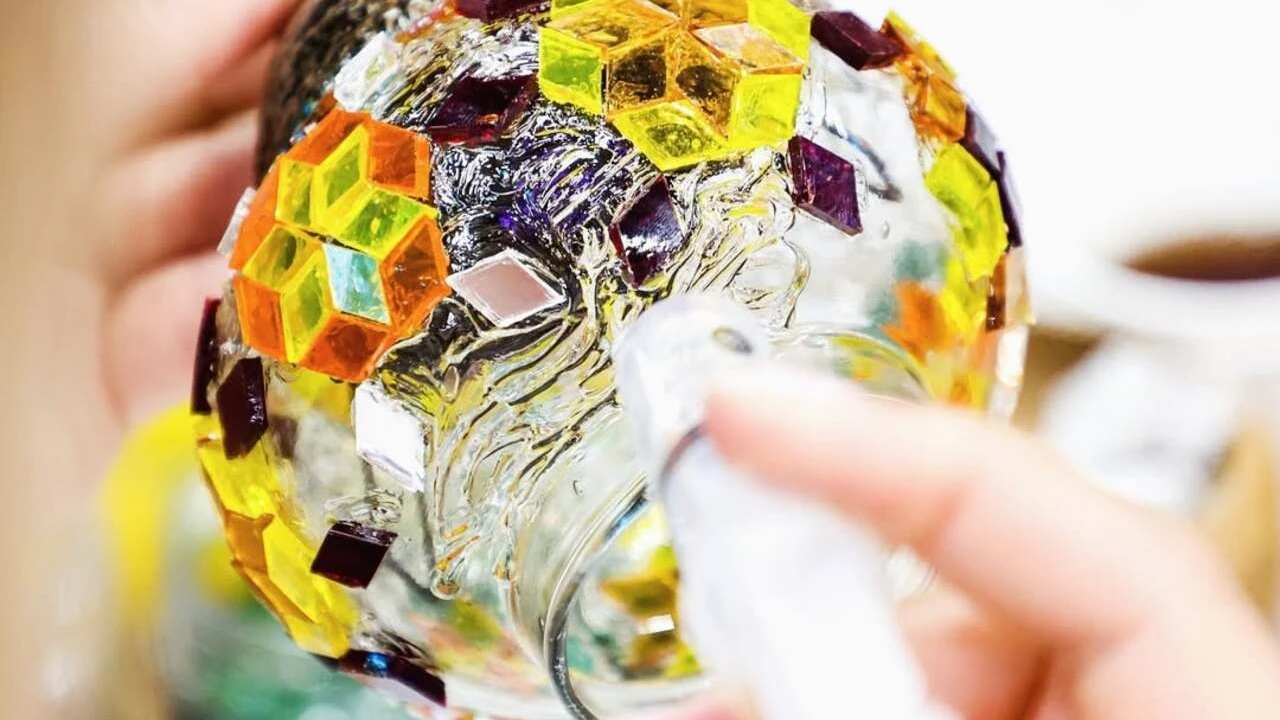
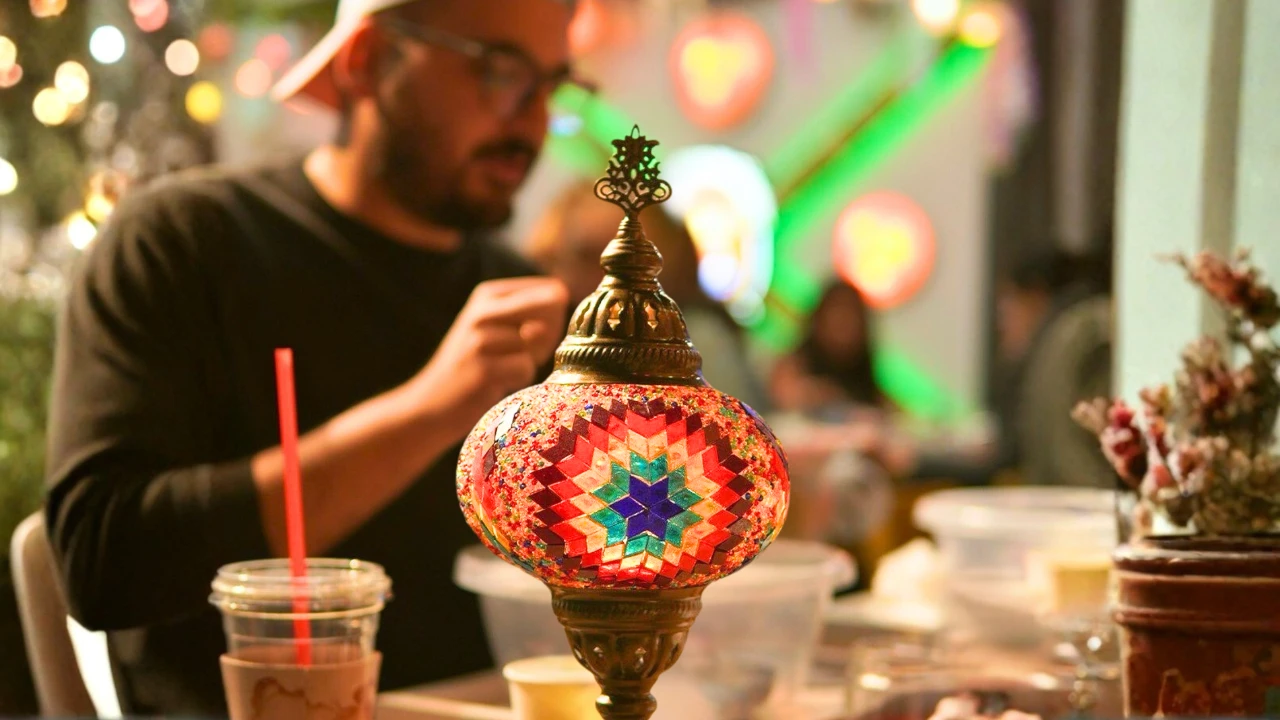
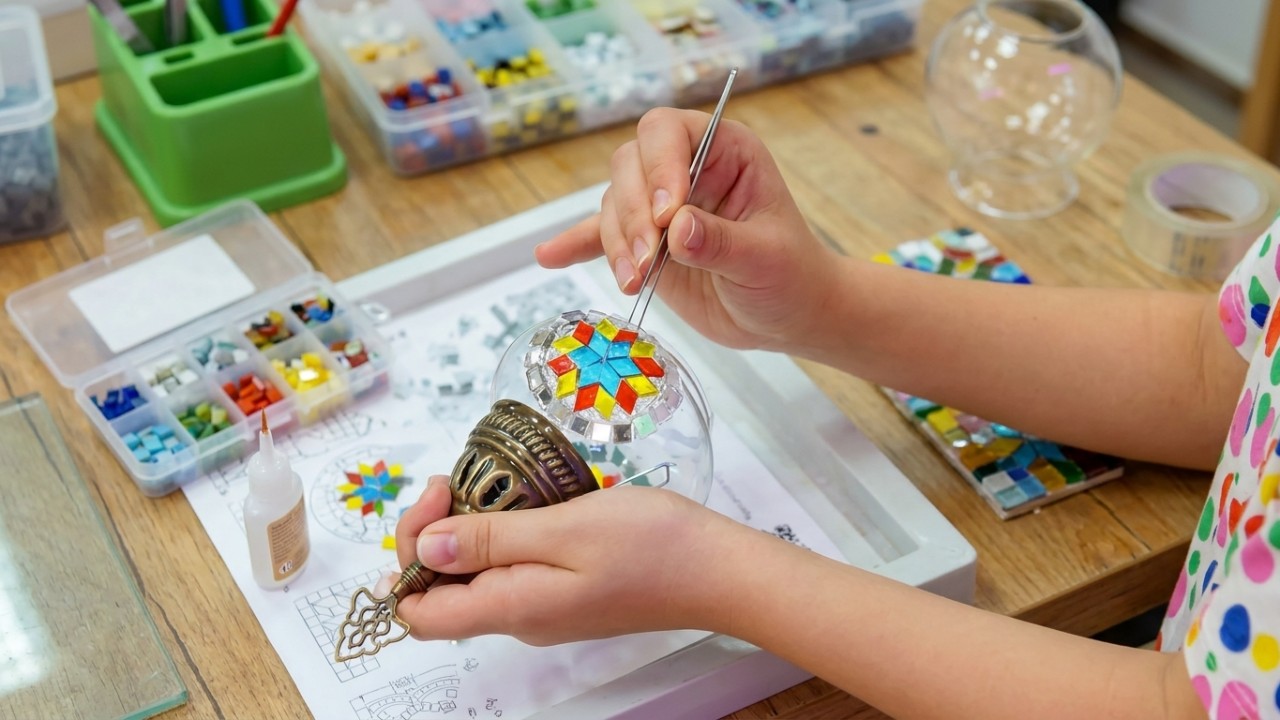
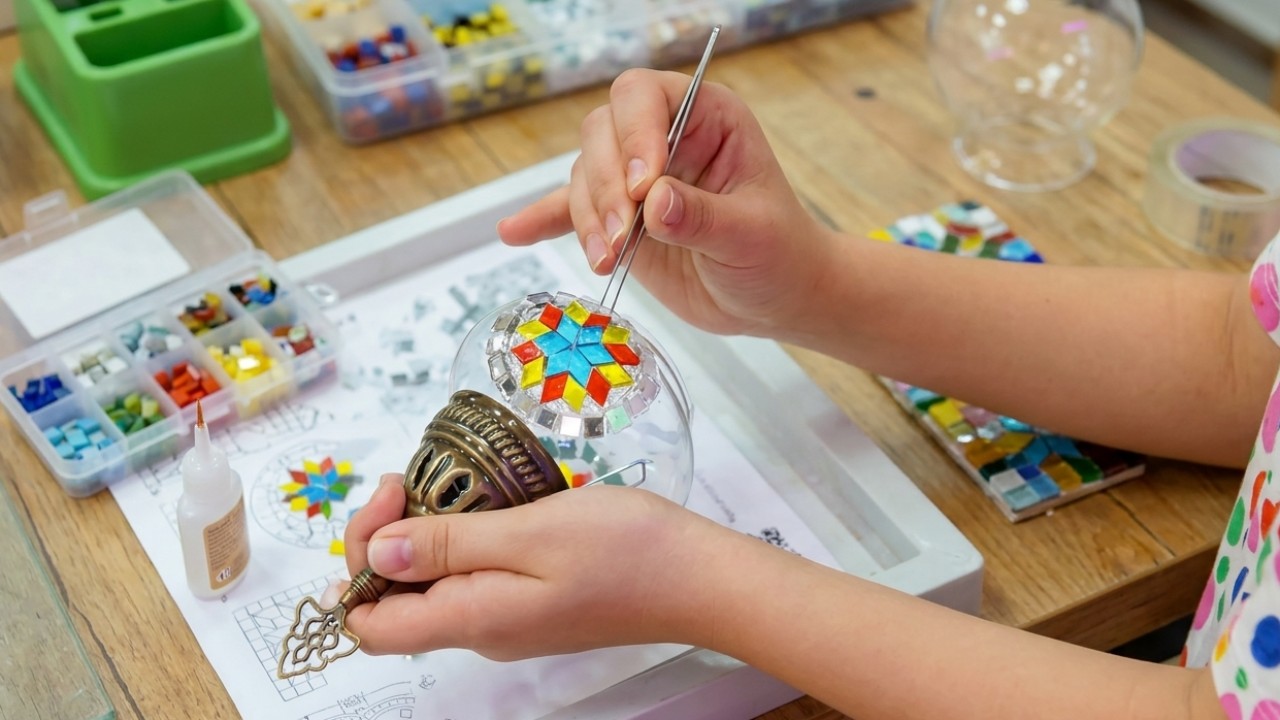
- The opportunity to create decorative lamps, mirrors, and wall panels using colorful glass.
- A creative process that enhances fine motor skills, patience, and aesthetic design.
Workshop Experience & Participation: Quick Facts
For those stepping into a traditional glass mosaic workshop for the first time, understanding basic operational standards and safety protocols is key. With the right materials, expert guidance, and a structured workflow, you are guaranteed a safe and rewarding artistic journey.
The following table summarizes the essential operational and safety details for first-time visitors.
| Parameter | Details |
|---|---|
| Activity Type | Traditional handicrafts and decorative glass mosaic |
| Skill Level | Suitable for beginners and intermediate participants |
| Required Equipment | Safety goggles, mosaic pliers, tweezers, and aprons |
| Application Surfaces | Wooden bases, glass vases, and lamp bodies |
| Instructor Support | Step-by-step guidance from master artisans |
| Safety Measures | Specialized cutting mats and controlled assembly |
In Turkey, glass mosaic art options in Istanbul are highly popular, particularly around the historic peninsula. Creating art amidst the atmosphere of ancient streets provides a profound cultural connection.
For those seeking artistic richness in more bohemian settings, glass mosaic art options in Galata are among the most sought-after locations. Here, you can explore everything from classic Ottoman motifs to sleek, modern geometric patterns.
The Five-Step Safety & Participation Protocol
To ensure a safe and enjoyable environment, workshops strictly adhere to a five-step protocol. From the initial material briefing to the mandatory use of protective gear, these rules are designed to eliminate the risk of minor cuts or eye injuries.
Safety is the responsibility of every participant. Before any glass is touched, workshop leaders demonstrate all safety procedures through practical demonstrations. This allows you to focus entirely on your creativity without any worry.
The following steps outline the standard workflow from start to finish:
- Briefing: Instructors introduce the materials and conduct a safety orientation.
- Protection: Participants are provided with clear safety goggles to protect against flying glass shards.
- Technique: Proper handling and tool usage are demonstrated to protect hands during the cutting process.
- Assembly: Odorless, water-based, and non-toxic adhesives are used for securing the pieces.
- Finishing: Surfaces are smoothed and grouted under strict instructor supervision.
Following this sequence ensures a peaceful experience, especially for families with children or guests using hand tools for the first time.
Comparing Workshop Types & Design Models
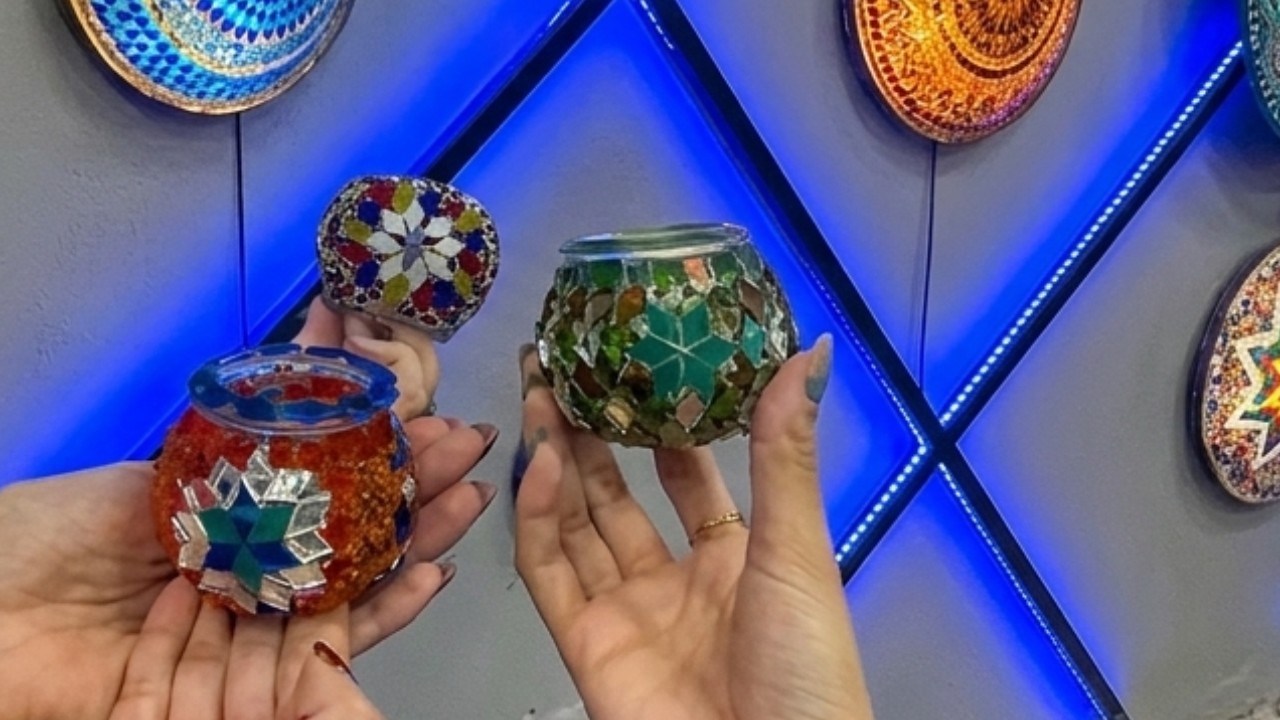
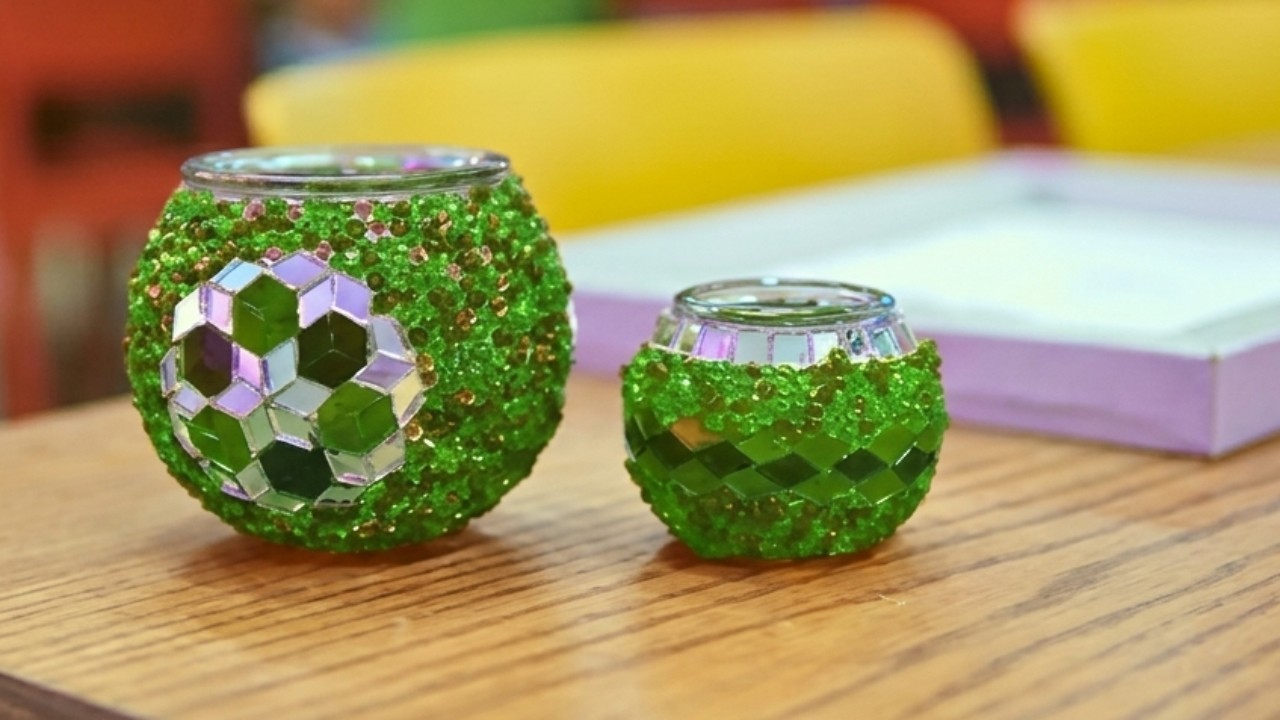
Glass mosaic workshops offer various projects, such as lamp design, wall art, or decorative trays. Each model requires different levels of precision in glass cutting and specific adhesive techniques.
The shape of your chosen object dictates the type of adhesive used and the direction of the mosaic layout. While flat surfaces are easier for beginners, curved surfaces require more advanced techniques to ensure pieces sit at the correct angle.
The table below compares the technical requirements of the most popular workshop models.
| Workshop Model | Design Surface | Primary Materials | Completion Stages |
|---|---|---|---|
| Decorative Mosaic Lamp | Glass sphere body | Colored glass pieces, beads, and clear adhesive | Pattern layout, gluing, and plaster filling |
| Mosaic Wall Art | Wood or MDF board | Geometrically cut glass and waterproof grout | Sketching, cutting with pliers, and grouting |
Glass lamp designs come alive when an internal light source is activated, making the colors glow. Wall art, on the other hand, offers a textured, shadowed aesthetic when hit by natural light. Both models result in a lasting piece of decor that reflects your personal style.
Materials & Cutting Safety Standards
The specialized tools and adhesives used to shape colorful glass plates are held to high safety standards. Specifically, dual-wheel mosaic pliers make the process much easier for beginners by breaking glass cleanly without shattering it.
The glass used in professional workshops is typically high-quality stained glass or opaque glass, pre-fired to a specific thickness. This ensures the glass is durable and produces clean edges when cut with the correct tools.
Dual-Wheel Mosaic Pliers & Cutting Techniques
Mosaic pliers feature hardened metal wheels at the tips, allowing them to split glass without crushing it. It is vital to maintain a correct wrist angle and apply even pressure. Rather than using brute force, relying on the tool's sharpness ensures clean, predictable breaks.
When cutting, always keep the glass piece close to the cutting mat rather than holding it mid-air. This prevents tiny fragments from scattering. Regularly brushing away glass debris from the workspace is also a key safety habit.
Protective Gear & Eyewear
Eye protection is the most fundamental rule of glass mosaic art. Safety goggles with side shields prevent microscopic glass dust from entering the eyes during cutting. Guests who wear prescription glasses can opt for larger, wrap-around protective models that fit comfortably over their eyewear.
Additionally, lightweight textured gloves or finger protectors can be used to maintain tactile sensitivity while protecting the skin. A well-lit workspace is also essential to reduce errors by ensuring small pieces are clearly visible.
Popular Workshop Regions & City Options
Glass mosaic workshops located in Turkey's leading cultural hubs and historic districts welcome both local and international visitors. These workshops have become unique travel stops that enrich cultural exploration with hands-on creativity.
Art lovers can easily integrate a mosaic workshop into their holiday itineraries or weekend plans. These activities serve as wonderful shared experiences for both solo travelers and groups of friends.
Historic Peninsula & Galata Workshops
Workshops operating in the storied streets of Istanbul bridge the gap between Byzantine and Ottoman mosaic traditions and modern methods. Venues around Sultanahmet and Galata often offer the chance to work in the courtyards of historic stone buildings.
Instructors in these areas often provide fascinating historical context, turning a practical workshop into a rich, theoretical cultural lesson.
Art Activities in the Mediterranean Region
For those vacationing on the southern coast, glass mosaic art options in Antalya offer a way to add artistic depth to a seaside holiday. Art centers located in the historic mansions of Kaleiçi create a cool, serene atmosphere perfect for escaping the summer heat.
The bright sun and blue hues of the Mediterranean serve as direct inspiration for the mosaic color palettes. Bringing home a handmade souvenir in your suitcase is one of the most meaningful ways to remember your journey.
Practical Tips for First-Timers
Before you begin your workshop, keep a few practical details in mind, from clothing choices to workspace organization. Choosing comfortable clothes, moving at your own pace, and sticking to your design sketch will directly improve the quality of your final piece.
We recommend that beginners start with basic geometric motifs rather than complex patterns. Experimenting with color transitions on simple lines will help you grasp the technique much faster.
Here are some pro tips to make your workshop experience smoother:
- Wear an apron or old clothing to protect yourself from dust and adhesive.
- Always use your cutting mat and keep your safety goggles on while cutting glass.
- Test your color combinations and piece sizes on the table before committing them to the design.
- Handle your piece gently while the grout is drying to ensure all pieces remain stable.
Once finished, remember to wash your hands thoroughly and help tidy the workspace according to your instructor's directions to maintain a professional environment.
A Cultural Legacy: From Ancient Times to the Future
From antiquity to the modern day, glass mosaic art represents a profound cultural heritage that blends patience with aesthetic sensitivity. Spending time in a workshop allows you to disconnect from the rush of modern life and find satisfaction in creating something tangible.
When planning your regional workshop tours, you can explore local opportunities such as glass mosaic art options in Muratpaşa to add more cultural stops to your itinerary. Workshops in different cities offer unique experiences enriched by the local touch of regional artists.
Developing Patience and Skill
Mosaic art is built on the logic of moving from the part to the whole. Watching hundreds of tiny glass stones come together to form a meaningful composition strengthens focus and attention to detail. This process provides mental tranquility and a sense of productive peace.
The pattern that emerges as each piece finds its place makes the artist's effort visible. Seeing your finished work catch the light is a reward that makes all the effort worthwhile.
Unique Designs & Handcrafted Souvenirs
The products created in these workshops are more than just mass-produced souvenirs; they carry a personal story. A mosaic lamp or frame made with your own hands becomes a lasting memory in your home.
These pieces also make heartfelt gifts for loved ones, serving as a sincere expression of the time and effort invested. Traditional art, meeting the brilliance of glass, adds a permanent warmth to any living space.
Frequently Asked Questions 5
How is glass mosaic art made?
Glass mosaic art is created by breaking colored glass plates into small pieces using specialized hand tools and adhering them to a surface. The glass pieces are placed onto a prepared design template using tweezers and specific adhesives. Once the adhesive dries, the gaps between the pieces are filled with grout, and the surface is cleaned to reveal a durable piece of art.
What is used to glue glass mosaics?
In glass mosaic work, transparent silicone-based adhesives, water-based mosaic glues, or cement-based mortars are used. Transparent glues are preferred for wood and glass surfaces, while waterproof adhesives are used for outdoor or wet-area designs. Professional workshops use odorless, fast-drying professional-grade adhesives.
What is glass mosaic?
Glass mosaic is a traditional handicraft dating back to ancient times, created by arranging colored glass pieces side-by-side. Thanks to the light-reflecting properties of small glass stones, it adds rich visual depth to paintings, lamps, and decorative objects. Today, it is widely experienced through workshop activities and cultural tours.
How do you clean glass mosaics?
Glass mosaic surfaces should be cleaned gently using soft microfiber cloths and mild, non-abrasive cleaners. Avoid harsh acidic chemicals or stiff wire brushes, as these can damage the grout. Periodically wiping and drying the piece with warm soapy water will maintain the brilliance of the glass and the integrity of the grout for many years.
How is glass cut for mosaics?
Mosaic pieces are cut in a controlled manner using specialized dual-wheel mosaic pliers or diamond-tipped glass cutters. To prevent glass shards from flying, safety goggles must be worn, and the process should be done on a cutting mat. Under the guidance of experienced instructors, the correct angle is achieved to easily shape the glass into desired geometric forms.