
From the rugged foothills of Babadağ to the crystalline waters of the Mediterranean, the canyons of southern Fethiye offer a sanctuary for those yearning to disconnect. For travelers eager to explore untouched coves and the ancient paths of the Lycian Way, our Fethiye Turları provide the perfect gateway to escape the crowded resorts and find true serenity. In this comprehensive field guide, we dive into the trekking routes between Kabak Bay and Paradise Bay, the logistics of descending into the valley, and the essentials of off-grid camping.
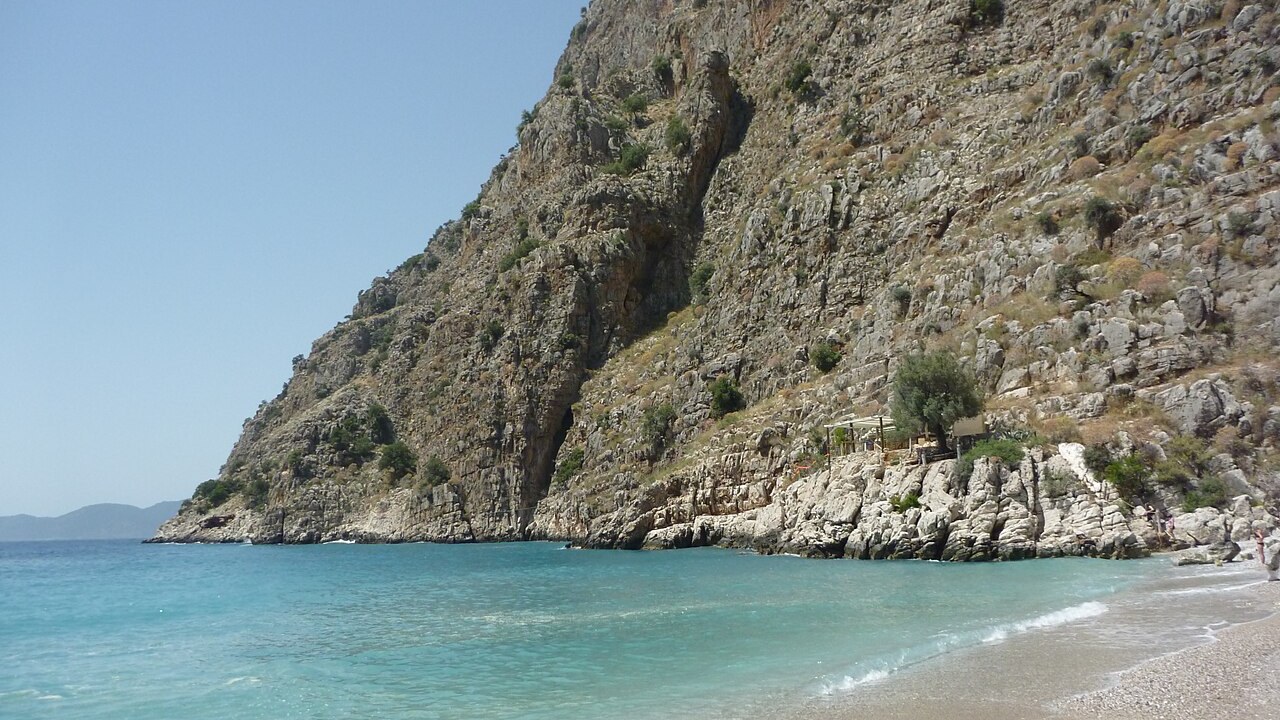
Kabak Valley is a protected natural haven, characterized by steep slopes draped in century-old red pine forests and deep canyons that open into turquoise waters. Because the valley floor is inaccessible to standard passenger cars, it has managed to preserve a rare, untouched stillness. For a safe and seamless journey, it is crucial for visitors to understand the terrain, water availability, and ground conditions before heading down.
Right next door lies Paradise Bay, a hidden oasis reachable only by foot via the Lycian Way or by boat. Where emerald pines embrace a shimmering sea, this coast is a total escape from the noise of urban life. For hikers, the forest trail connecting the two bays promises an unforgettable trek framed by breathtaking Mediterranean vistas.
Knowing the ground conditions beforehand minimizes the challenges of the trail. Carrying the right gear while navigating steep slopes under the sun and being prepared for "dead zones" in mobile coverage are key to a comfortable trip. The field observations and practical tips shared in this guide will transform your visit into a rewarding wilderness adventure.
Kabak Bay & Paradise Bay: Quick Facts
| Feature | Visitor Summary |
|---|---|
| Location & Geography | Muğla, Fethiye, Faralya ridges & Lycian Way section |
| Must-Visit Spots | Kabak Bay Beach, Paradise Bay Coast, Aladere Waterfall, Faralya Village |
| Best Time to Visit | April - June and September - November (ideal for hiking & mild weather) |
| Recommended Duration | 1 full day for exploration or 2-3 days for a relaxing valley retreat |
| Terrain & Trail | Steep rocky paths, pebbly shores, rocky forest sections |
| Connectivity & Finance | Limited GSM signal, weak internet; cash is king in the valley |
| Perfect For | Hikers, camping enthusiasts, and those seeking solitude |
Where is Kabak Bay and How Do You Get There?
Kabak Bay is located approximately 30 kilometers from Fethiye city center and about 17 kilometers from the shores of Ölüdeniz. Nestled within the boundaries of Faralya Village, the valley is enclosed by steep, imposing cliffs.
Getting from Fethiye Center to Faralya and the Kabak Stop
The first leg of your journey begins with the Ölüdeniz and Faralya dolmuşes (minibuses) departing from the stop next to the Fethiye Bus Station. These vans follow a panoramic coastal road, climbing the foothills of Babadağ with stunning views.
The ride takes about an hour, ending at the upper junction of Kabak Valley via the Faralya Village stop. This is the final point for public transport and the primary transfer hub where passenger cars must stop.
Visitors traveling in their own vehicles should use the parking areas located along this upper road. The path descending from the upper lookout to the valley floor is not suitable for standard cars.
Descending the Valley: 4x4 Shuttles and Safety
The descent into Kabak Valley consists of a roughly three-kilometer steep dirt road riddled with deep potholes and sharp, cliff-side bends. Attempting this in a standard sedan or low-clearance vehicle will likely lead to undercarriage damage or getting stranded.
To solve this, a local cooperative operates 4x4 off-road shuttles at the upper stop. These vehicles safely transport guests and their luggage to the valley floor in about fifteen minutes for a set fare.
For those who prefer to earn their view, the red-and-white marked Lycian Way trail winds through the forest. This descent takes about 45 minutes and requires careful footing due to the steep, gravelly terrain.
Comparison of Transport Options to Kabak Valley
| Method | Conditions & Duration | Pros | Risks/Cons |
|---|---|---|---|
| Local 4x4 Shuttles | 15 mins, steep dirt road | Fast and effortless, especially with heavy luggage | Short wait times at the stop during peak season |
| Lycian Way Path | 45-50 mins, rocky forest trail | Immersive nature walk through red pine forests | Slippery scree, exhaustion in midday heat |
| Boat from Ölüdeniz | 30 mins, by sea | Refreshing arrival directly onto the beach | Cancellations in rough weather, limited schedules |
Life in the Valley: Camping Culture and Connectivity
Unlike the concrete luxury of large resorts, Kabak Valley is famous for its eco-friendly wooden bungalows and tent campsites. The facilities here embrace a philosophy of slow living and environmental consciousness.
Limited Signal and the Need for Cash
Due to the deep canyon structure, mobile signals are very weak on the beach and the valley floor. In some spots, your phone may show "No Service" or lose internet connectivity entirely.
Because cellular data is unreliable, POS machines at local facilities often encounter connection errors. This can cause delays when settling bills or shopping.
There are no bank branches or ATMs in the valley. Therefore, withdrawing sufficient cash in Faralya or Fethiye center before descending is a vital precaution.
Environmental Ethics and Nature Preservation
Kabak Valley hosts a delicate ecosystem. Lighting open fires in the wild is strictly prohibited by law, as the ground is covered in highly flammable dry pine needles.
Visitors are expected to carry out all their trash and use recycling bins. Avoiding excessive noise at night is also essential to respect the local wildlife and other guests seeking peace.
Silence and tranquility are the most valued assets here. Travelers who align themselves with the rhythm of nature will find the organic stillness of the valley deeply rejuvenating.
Kabak Bay Beach and Water Safety
At the lowest point of the valley lies Kabak Bay Beach, a natural crescent-shaped shore about 200 meters wide, consisting of a mix of fine pebbles and sand.
Seabed and Wave Patterns
Since Kabak Bay opens directly to the Mediterranean, it is not a sheltered lagoon. The water depth can increase suddenly to over two meters just a few steps from the shore.
Afternoon coastal winds can create strong undertows and waves. It is recommended that non-swimmers or families with children avoid swimming far from the shore without life jackets.
Lifeguard services may not be available at all times. Always observe the weather and wave conditions before entering the water to avoid the risk of being swept out.
During calm periods, however, the water's clarity makes snorkeling a joy. You can easily spot Mediterranean fish darting through the rocky crevices of the seabed.
The Importance of Water Shoes
The stretch of small pebbles along the shoreline and the smooth rocks underwater can make walking barefoot difficult. Maintaining balance while exiting the water can be tricky during wavy periods.
Wearing thick-soled water shoes protects your feet from sharp stones and makes entering and exiting the sea much more comfortable. Sunbed rentals are limited; most visitors prefer to lay out their own towels.
Natural shade is scarce on the beach during peak sun hours. Retreating to the shaded pine groves within the valley during midday provides a refreshing break.
Hiking to Paradise Bay: Route and Trail Details
The trek from Kabak Bay to the shores of Paradise Bay is one of the most popular day-trips on the Lycian Way. The distance between the two bays is approximately five kilometers via the trail.
Following the Lycian Way Markers
The hike begins at the western end of Kabak Bay, where a path leads into the forest. Along the way, red-and-white Lycian Way stripes painted on rocks and pine trunks serve as your guide.
While the path is generally clear, you must pay close attention to the markers at forks in the road. Avoid straying onto unmarked goat paths to prevent ending up on steep, dangerous cliffs.
As you walk, the deep blue Mediterranean stays to your left, while towering pines and the scent of wild sage accompany you on the right. Several lookout points along the route offer perfect opportunities for photography.
Some sections of the trail consist of loose stones. Taking small, balanced steps and checking where you place your feet is the best way to prevent ankle sprains.
Paradise Bay: Untouched Nature and Turquoise Waters
After about a two-hour hike, you reach Paradise Bay, which truly lives up to its name with golden sands and turquoise waters. Since there is no road access, the beach remains completely pristine.
There are no commercial businesses, facilities, or kiosks here. Therefore, it is mandatory to carry enough drinking water, snacks, and sunscreen when hiking to Paradise Bay.
The shallow, calm waters create a peaceful environment for swimming and relaxing. After cooling off, you can return via the same route or arrange a pre-booked boat to take you toward Ölüdeniz.
To preserve the bay's peaceful atmosphere, visitors must leave no trace behind. Spending a few hours in total harmony with nature provides a profound mental and physical reset.
Aladere Waterfall and Valley Exploration
Kabak Valley is rich not only in its coastline but also in the freshwater sources that stretch deep into the valley. The highlight of these is the Aladere Waterfall trail.
The Waterfall Hike and Natural Pools
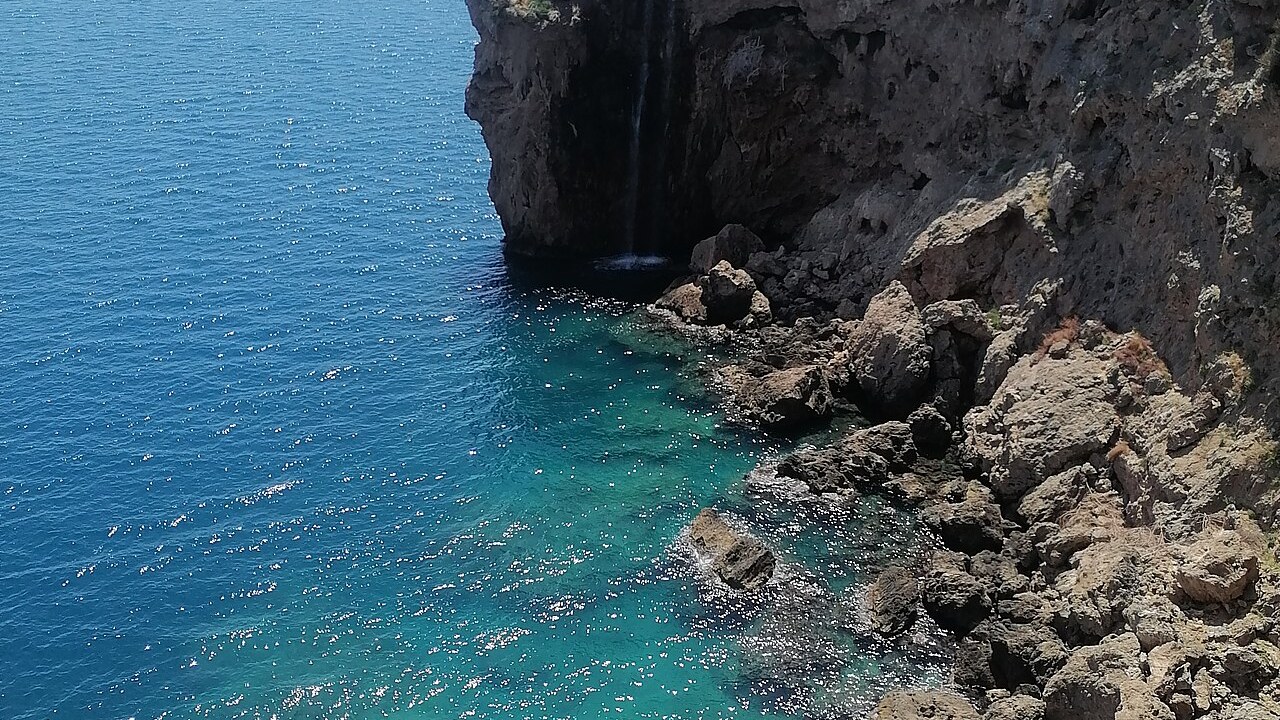
Springing from the upper reaches of the valley, the Aladere stream filters through steep cliffs, creating small waterfalls and cool natural pools. Reaching the falls requires a roughly 90-minute climb from the Kabak village center into the canyon.
The trail includes slippery rocks and water crossings. Therefore, hikers are strongly advised to wear sturdy trekking shoes with non-slip soles.
The natural pools where the waterfall drops remain cool even in the height of summer. Diving into these crystal-clear freshwater pools after a long hike is incredibly invigorating.
The lush greenery and wild oleanders lining the canyon make the walk visually stunning. Accompanied by the sound of birds and rushing water, the path is a dream for nature lovers.
Faralya Village and Overlooking Butterfly Valley
The area around Faralya Village offers a peaceful Mediterranean atmosphere, dotted with ancient olive trees and honeybee hives. The organic pine honey and sage tea produced in the village are local delicacies worth trying.
From the scenic viewpoints on the ridges of the village, you can gaze down into the historic Butterfly Valley canyon. Combined with the Kabak Valley lookout, these spots offer some of the most impressive frames for photographers.
Sipping a glass of brewed tea at the village coffee house while chatting with locals provides a glimpse into the region's ancient culture. Blending nature hikes with village life makes a Fethiye trip truly meaningful.
Adventure Activities and Tours in the Region
Beyond the valleys and paths, Fethiye is a vast outdoor playground filled with canyons, rivers, and highlands. For those who want to explore the deeper canyons and waterfalls with professional teams, local agencies offer a wealth of options.
After spending quiet days in Kabak and Faralya, travelers looking for an adrenaline rush should consider the Fethiye Jeep Safari Turu. This adventure in open-top 4x4s covers an exciting route including Saklıkent Canyon, Gizlikent Waterfall, and traditional mud baths.
These off-road journeys allow you to navigate the rugged mountain roads in comfort, while professional guides provide deep insights into the region's geography. Tours that blend outdoor sports with cultural stops add a thrilling dimension to your holiday.


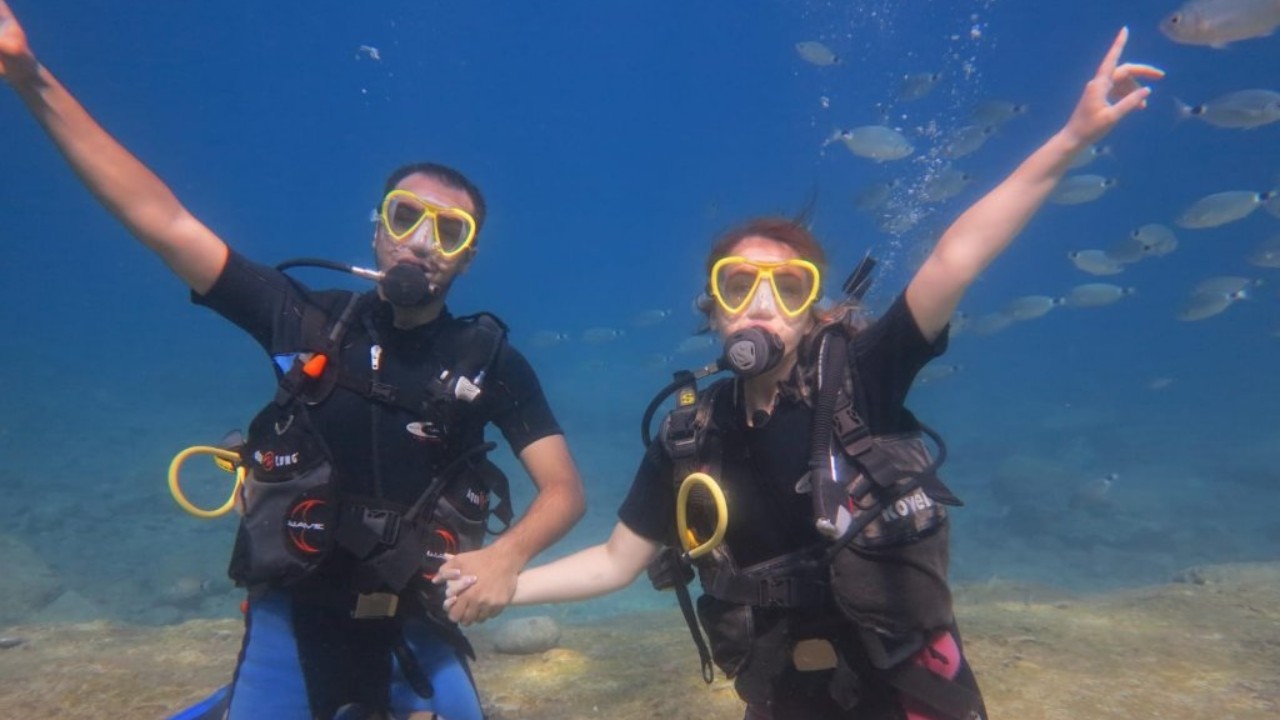
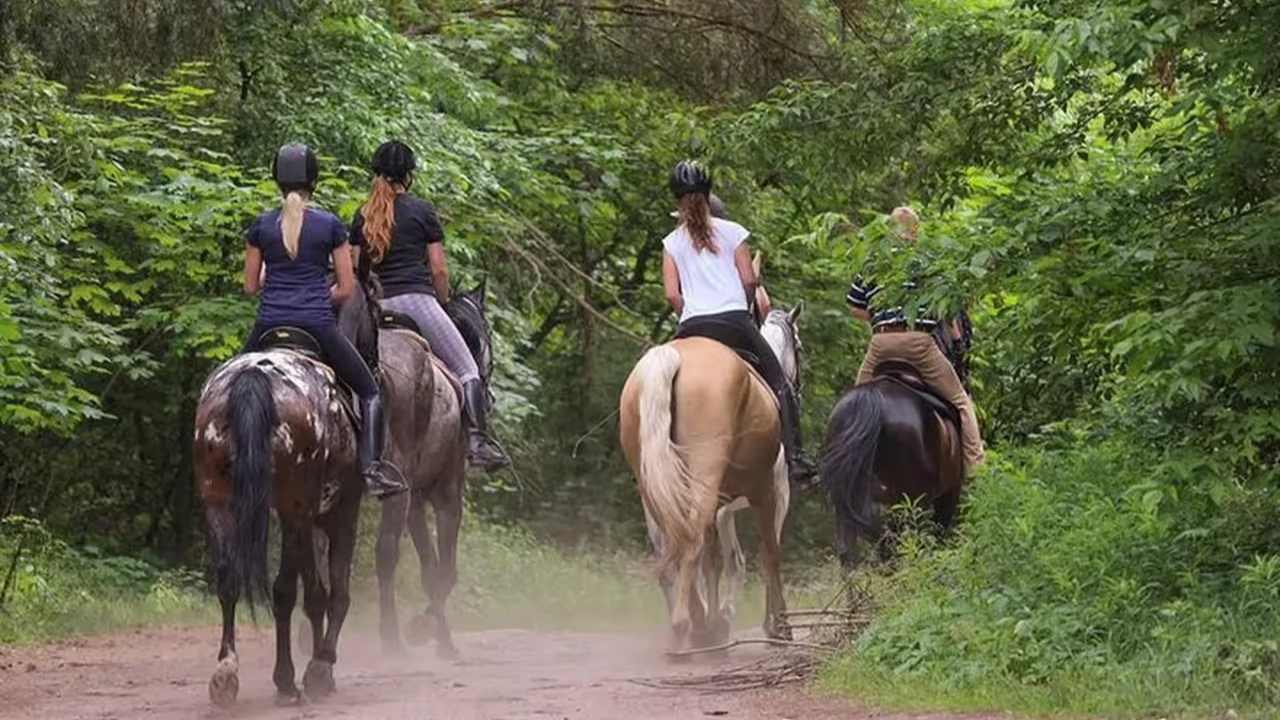
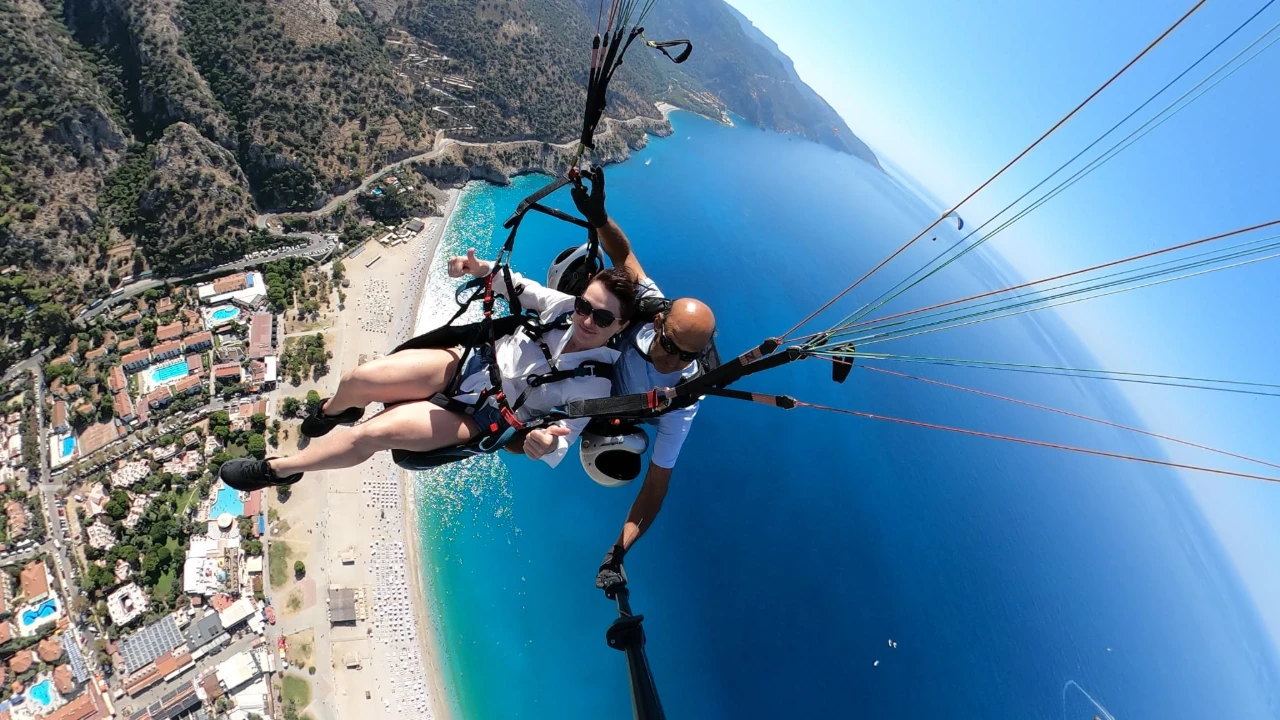
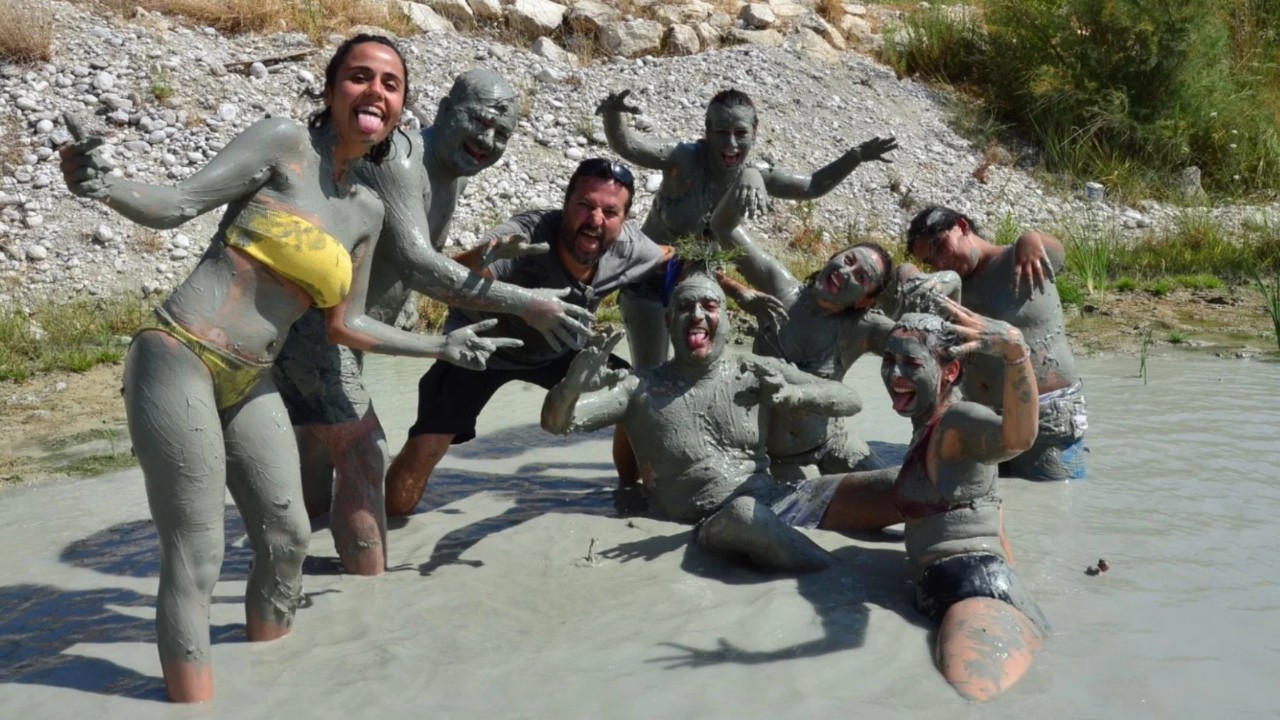
Following a safari, winding down at the Fethiye promenade or tasting fresh seafood at a waterfront restaurant during sunset perfectly balances the itinerary. The variety of activities available ensures every day of your trip is a new discovery.
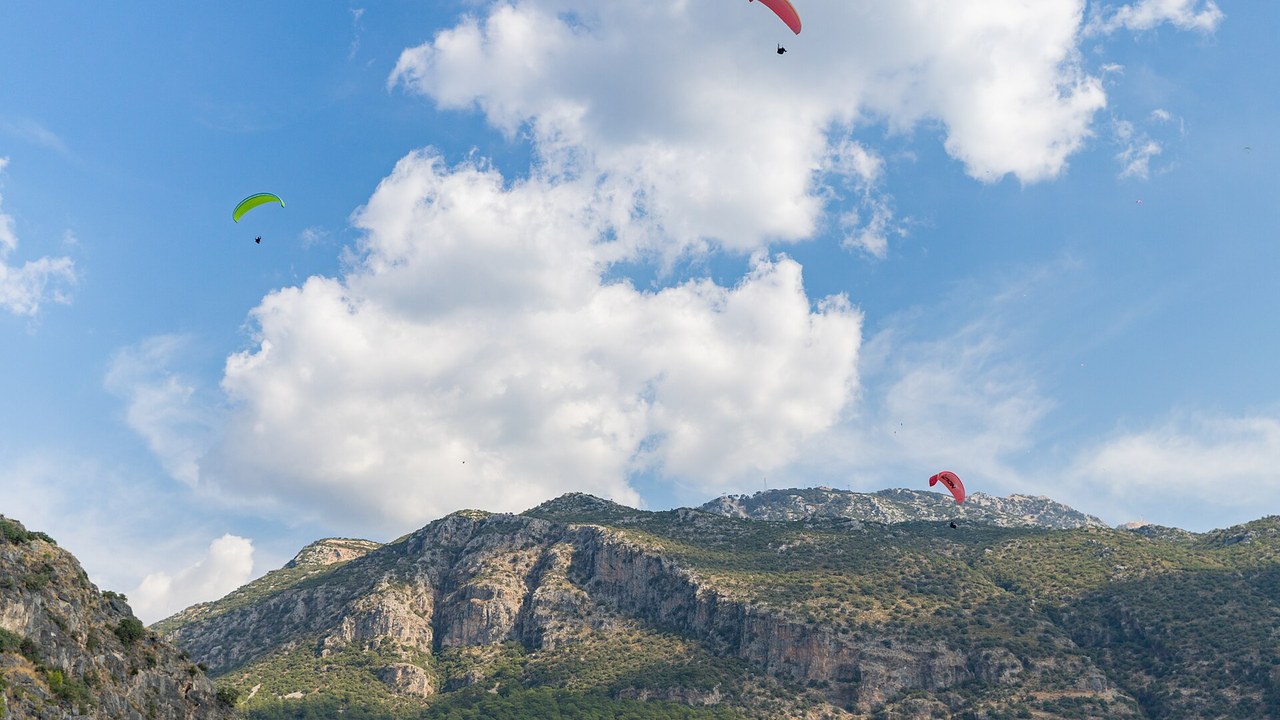
From kayaking tours to ATV safaris, the wide portfolio of activities allows you to explore a different geographical facet of Fethiye every day. When planning, be sure to consider the seasonal weather and your own physical fitness.
5-Step Safety Protocol for Kabak & Paradise Bay Hiking
To ensure a smooth journey through this challenging terrain, please follow these steps meticulously:
- Proper Trekking Footwear: Flip-flops or canvas shoes will slip on scree; wear ankle-supporting hiking boots with lugged soles.
- Personal Water & Electrolyte Stock: Water stations are rare on the trail; carry at least two liters of water per person and energy-dense snacks.
- Carry Sufficient Cash: There are no ATMs in the valley, and internet outages can disable POS machines; always have cash on hand.
- Download Offline Maps: Signal can drop entirely inside the canyon; save your route and download offline maps before entering the trail.
- Sun Protection & Timing: Temperatures spike at midday in summer; start your hike in the early morning and use a hat and sunscreen.
Frequently Asked Questions 5
Can I drive my own car down to Kabak Bay?
No, the road descending into Kabak Valley is a steep, rocky dirt track with deep potholes. Standard passenger cars risk undercarriage damage and may struggle with traction on the way back up. It is highly recommended to leave your car in the upper parking lots at Faralya Village and take the cooperative's 4x4 shuttles to the valley floor.
Are there food facilities or water sources at Paradise Bay?
No, Paradise Bay is a completely pristine and protected natural coastline. There are no cafes, restaurants, showers, or markets on the beach. Visitors planning to hike to this bay must carry their own drinking water, food, and basic necessities.
Is there phone and internet connection in Kabak Valley?
Due to the steep rocky walls of the canyon, mobile signal strength is very low. At beach level and in some bungalow areas, phones may be completely out of coverage. Because of internet outages, credit card machines may not work, making cash essential.
What should I be careful about when swimming at Kabak Beach?
Kabak Bay is an open bay, and the water deepens abruptly a few meters from the shore. Afternoon waves and coastal currents can be challenging for swimmers. Wearing water shoes provides comfort on the pebbly ground, and those who are not strong swimmers are advised not to venture too far out.
How long does the hike from Kabak Bay to Paradise Bay take?
Following the red-and-white Lycian Way markers from Kabak Bay beach to Paradise Bay takes an average of two hours. Since the approximately five-kilometer distance includes steep forest sections, the time may increase with breaks. It is recommended to hike in the cool of the morning.