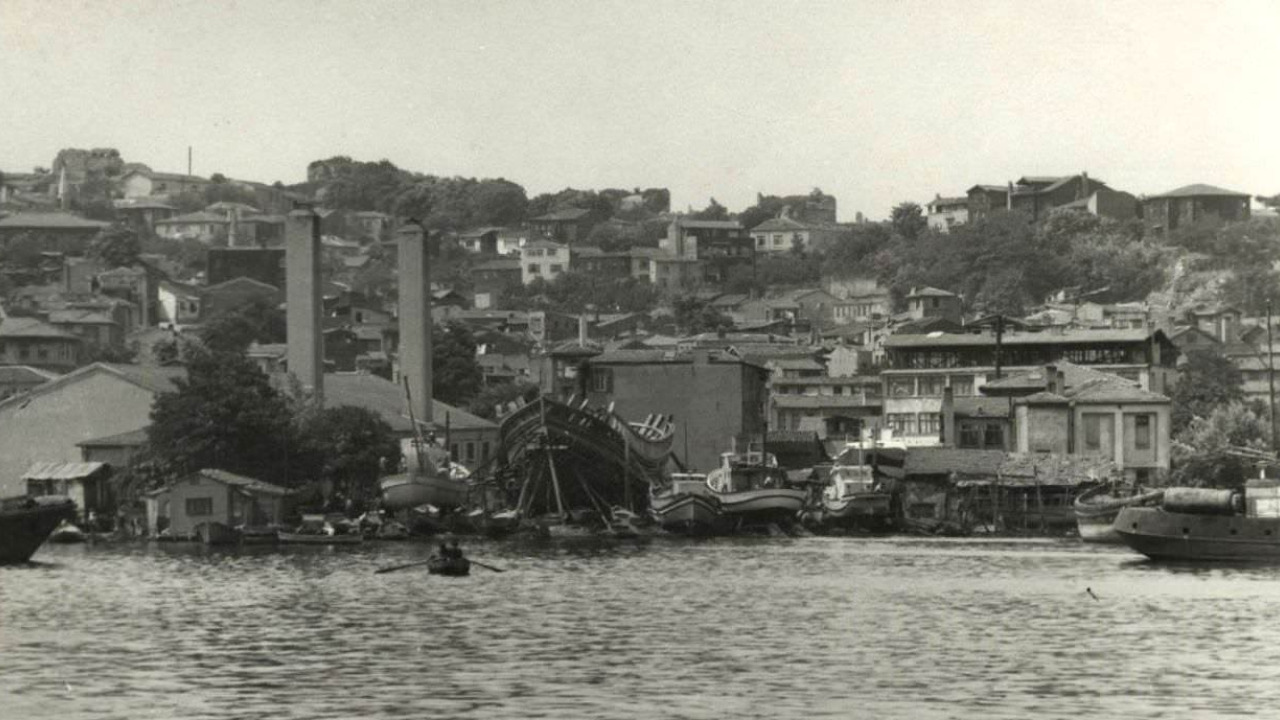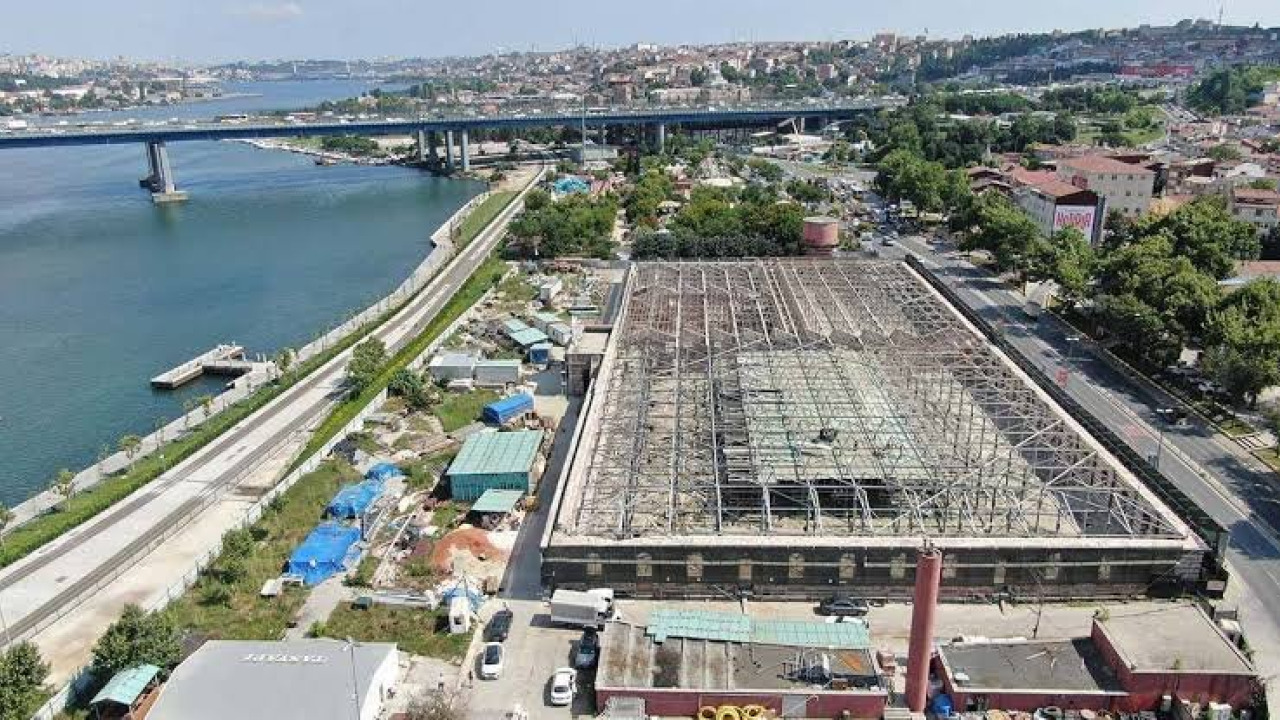

Nestled along the shores of the Golden Horn in the heart of Istanbul, Feshane stands not just as an architectural marvel but as a tangible testament to the Ottoman Empire's ambitious journey into industrialization. Located in the historically rich district of Eyüpsultan, this colossal structure, now known as Artİstanbul Feshane, functions as a vibrant cultural hub. Yet, in its past, it was an industrial powerhouse, shouldering the pains and innovative strides of an empire striving for modernity. Emerging as a reflection of the reform movements initiated during the reign of Sultan Mahmud II, Feshane is considered one of the cornerstones of Turkish textile industry. In this comprehensive guide, you'll uncover the story of its establishment, the fires and restorations it endured, what awaits you inside today, its admission fee, visiting hours, and transportation options.
Quick Facts
| Topic | Information |
|---|---|
| Current Name | Artİstanbul Feshane |
| Location | Nişanca Mah. Yavedut Cad., Eyüpsultan / Istanbul (Golden Horn shore) |
| Foundation | Fez production began in 1827 at Cündi Square in Kadırga |
| Relocation to Golden Horn Shore | 1833 (some sources state 1839) |
| Era | Reforms of Sultan Mahmud II's Reign |
| Reopening | June 22, 2023 |
| Admission Fee | Free |
| Visiting Hours | 10:00 AM - 8:00 PM, every day except Monday |
| Closed Day | Monday |
| Floor Area | 56,000 square meters (exhibition and event areas approx. 8,000 square meters) |
| Highlights | Exhibition halls, Naile Akıncı Library, workshops, and reading areas |
| Recommended Visit Duration | Approx. 1.5 - 2.5 hours, depending on exhibition density |
What is Feshane? The Transformation of Fez Production into a State Affair
The 19th century marked a period of profound change for the Ottoman Empire. As the Industrial Revolution rapidly spread across Europe, bringing with it mass production and mechanization, the Ottoman administration took strategic steps to encourage domestic production and reduce foreign dependency. Feshane emerged as one of the most visible results of these crucial initiatives.
Why Did the Fez Become a Strategic Product?
The Ottoman Empire first encountered the fez in the 16th century with the annexation of Algeria. In 1827, the fez was officially adopted as military headwear, and by 1829, with new dress regulations, it became an integral part of official attire for society. After the decision to use the fez for the new army, initial demand was met through imports from Europe, Tunisia, and Egypt. However, the cost of foreign procurement quickly became an issue, leading to the establishment of the Fez Directorate to initiate local production. A mansion in Cündi Square, Kadırga, was repurposed to serve as the first Feshane.
From Kadırga to the Golden Horn Shore
Between 1827 and 1833, the workshop in Kadırga met the fez needs of the army and the public using traditional techniques. As the scale of production grew, the existing structure proved insufficient, and the facility was relocated to a palace building at Eyüp Defterdar Pier. Records indicate this move occurred in 1833; some sources, however, cite the establishment in 1833 and the move to the Golden Horn shore in 1839. The common thread in both narratives is the strategic advantage of the Golden Horn location, offering excellent logistics for raw material shipments and the distribution of finished products to the city center.
The History of Feshane: Fires, Expansions, and Transfers of Ownership
Feshane's nearly two-century-long story is far from linear. The structure has undergone numerous transformations, changing its identity multiple times amidst expansions, fires, wartime periods, transfers, and demolitions. The chronology below illustrates this evolution.
| Year | Development |
|---|---|
| 1827 | Fez manufacturing workshop established in Kadırga Cündi Square |
| 1833 | Relocated to a palace building at Eyüp Defterdar Pier |
| 1843 | European machinery and the first steam engines were introduced |
| 1866 | Everything except the steam engine was lost in a fire |
| 1868 | Rebuilt on the same site and equipped with new machinery |
| 1877-78 | Placed under the command of Bab-ı Seraskeri, renamed Fes ve Melbusat-ı Askeriye Fabrikası (Fez and Military Clothing Factory) |
| 1894 | Sanayi Sıbyan Mektebi (Industrial Primary School) opened within its premises |
| 1916 | Became the largest textile factory after expansion |
| 1921 | Transferred to Sanayi ve Maadin Bankası (Industry and Mines Bank) |
| 1925 | Fez use prohibited with the Hat Revolution |
| 1937 | Sümerbank took over management, renamed Feshâne Defterdar Mensucat Fabrikası (Feshane Defterdar Textile Factory) |
| 1949 | Another fire broke out, damaged sections were later renovated |
| 1985 | Transferred to Istanbul Municipality |
| 1986 | Sections other than the grand weaving hall were demolished |
| 1989 | Production ceased, the building was allocated to Eczacıbaşı Foundation |
| 1992-2018 | Used as an exhibition center |
| 2018 | Comprehensive restoration process initiated |
| June 22, 2023 | Reopened as Artİstanbul Feshane |
Steam Engines and the 1843 Transformation
After its relocation, Feshane entered a period of intense activity, producing not only fezzes but also broadcloth, dress fabrics, upholstery fabrics, military boots, buttons, prayer rugs, carpets, and kilims. In 1843, with the introduction of new machinery from Europe, steam engines were used for the first time at the facility, transforming the structure into a comprehensive textile factory. This date is considered a turning point, marking the transition from a workshop scale to a factory system.
The 1866 Fire and Reconstruction
In 1866, a devastating fire caused Feshane to lose almost all its equipment, except for the steam engine. The factory was rebuilt on the same site in 1868 and equipped with the latest machinery of the era. Following the 1877-78 Ottoman-Russian War, the structure was placed under the command of Bab-ı Seraskeri (War Department) and remained under military administration until 1921, renamed the Fes ve Melbusat-ı Askeriye Fabrikası (Fez and Military Clothing Factory). A second fire in 1949 also necessitated the renovation of some parts of the building.
The Industrial Primary School: A Factory Within a School
One of the most significant details distinguishing Feshane from a mere production facility is the Sanayi Sıbyan Mektebi (Industrial Primary School) opened within its premises in 1894. At this school, weaving lessons were not only taught theoretically but also through practical training, nurturing new masters of the craft. By bringing together workers from different parts of Istanbul under one roof, the factory facilitated the transition of unskilled labor to qualified production. In this regard, Feshane is remembered as one of Turkey's pioneering institutions for technical education in textiles.
The Republican Era and the End of Production
With the Hat Revolution in 1925, the use of the fez was prohibited; the fez weaving machines in the factory were moved to the Istanbul City Museum after 1940. Production continued under the management of Sümerbank, which took over in 1937, operating as a textile factory. Transferred to the Istanbul Municipality in 1985, the building's large weaving hall was preserved, while other sections were demolished in 1986 as part of the Golden Horn redevelopment project. The garment section was moved to the Bakırköy Cotton Industry Enterprise. After production ceased in 1989, the building was allocated to the Eczacıbaşı Foundation and served as an exhibition center for many years.
Feshane's Architecture and Industrial Heritage Value
The Feshane building commands an imposing presence on the Golden Horn shore and is considered one of Turkey's most prominent examples of industrial heritage. The grand weaving hall, which survived the 1986 demolition, is the main volume that defines the character of the space today.
Bright Halls and Brickwork
The most striking features of the structure are its brickwork, reflecting the industrial aesthetics of the period, its expansive hall, and high ceilings. Large windows were designed to provide bright interior spaces, a practical solution aimed at ensuring natural light reached workers during long hours. Today, visitors directly experience the same spaciousness as they wander through the exhibition halls.
Post-2018 Restoration and Repurposing
The building, which had remained idle for years, underwent a comprehensive restoration process initiated in 2018. During the restoration and repurposing work carried out between 2020 and 2023, the historical texture of the building was preserved, its original brickwork repaired, and contemporary exhibition space requirements such as climate control and lighting systems were integrated without compromising the building's character. According to records, the renovation cost 35 million Turkish Lira, and the building's floor area is 56,000 square meters. The process culminated in its reopening as Artİstanbul Feshane on June 22, 2023. Today, Feshane is not an industrial museum but a cultural and art center established within an industrial heritage structure.
What's On at Artİstanbul Feshane? Exhibitions and Events
Artİstanbul Feshane is now a major attraction for both Istanbul residents and domestic and international visitors. It has been conceived as a multifaceted center, featuring exhibition halls, a library, social spaces, congress facilities, workshops, and reading areas.
Exhibition Halls and Featured Exhibitions
The venue's inaugural exhibition, "Starting from the Middle," opened its doors on June 22, 2023, showcasing over 400 works by 300 artists selected by 19 curators. In 2024, the collection of Tate, one of the world's leading art institutions, came to Turkey for the first time with "The Dynamic Eye: Beyond Op and Kinetic Art" exhibition. The venue's ninth exhibition, "Collective Memory: IMM Collections," opened on December 13, 2025, bringing together 627 works by 187 artists and will be on display until December 13, 2026. Therefore, this is the exhibition currently open at Feshane as of the writing of these lines.
Since exhibitions change periodically, it's always a good idea to check which exhibition is open on your planned visit day.
Naile Akıncı Library, Workshops, and Social Areas
What you can see at Feshane isn't limited to just exhibitions:
- Naile Akıncı Library: A unique, art-focused library housing special collections.
- Workshop and reading areas: Art workshops are organized, especially for children and young people.
- Congress and event halls: Hosts events like concerts, talks, book signings, and festivals.
- Garden with Golden Horn views: An inviting outdoor space for a break after your exhibition tour.
- The industrial architecture itself: The brick walls, high ceilings, and expansive halls offer a fascinating structure to explore on its own.
What is the 'Feshane Incident'?
The phrase "Feshane incident" refers to the controversy surrounding the venue's opening exhibition. The "Starting from the Middle" exhibition, which opened on June 22, 2023, was subjected to a protest and attempted attack by a group five days later, on June 27, 2023; a second incident occurred on July 9, 2023. The objections raised against the exhibition related to the content of the artworks. The exhibition was temporarily closed that day, then reopened after the group left the area and continued its program. Condemnations of the incident were issued by art institutions and professional organizations. Today, the venue operates under normal visiting conditions; the incident has no impact on current visiting terms.
Feshane Admission Fee and Visiting Hours
Admission to Feshane is free. You do not need to buy tickets or make reservations to visit the exhibitions; separate registration may be required for special events and concerts.
| Visit Information | Detail |
|---|---|
| Admission Fee | Free |
| Open Days | Tuesday - Sunday |
| Closed Day | Monday |
| Visiting Hours | 10:00 AM - 8:00 PM |
| Address | Nişanca Mah. Yavedut Cad., Eyüpsultan / Istanbul |
| Phone | (212) 449 90 66 |
| Parking | Parking available around the venue, hourly rates apply |
Note: Some sources also state a closing time of 6:00 PM, and hours may vary according to the exhibition schedule. If you plan to visit in the evening, it's advisable to check the current program beforehand.
Visitor Tips
- Make the most of natural daylight to admire the architectural details; the expansive windows truly shine around midday.
- Plan your visit accordingly, as Feshane is closed on Mondays.
- The exhibition halls are spacious, so you'll be doing a fair bit of walking – comfortable shoes are a must!
- Photography rules can vary by exhibition, so check the signage at the entrance.
- Conclude your visit with a relaxing break in the garden, enjoying the Golden Horn views.
How to Get to Feshane?
Feshane is located on the Golden Horn shore in Istanbul's Eyüpsultan district and is accessible from various points in the city via public transport.
| Transportation Option | How to Get There |
|---|---|
| Tram | You can reach it directly by getting off at the Feshane stop on the T5 line |
| Bus | Take any line heading to Eyüpsultan Square and enjoy a short walk |
| Metrobus | Get off at Halıcıoğlu or Ayvansaray stops and walk along the Golden Horn or transfer |
| Ferry | Take a Golden Horn line ferry to one of the nearby piers |
| Private Car | Drive along the Golden Horn coastal road towards Eyüpsultan; parking is available nearby |
The most practical public transport route works as follows:
- From your current location, transfer to the T5 tram line heading towards Eminönü, Cibali, or Alibeyköy.
- Get off at the Feshane stop, which runs along the Golden Horn shore.
- Exit the stop and walk a few minutes towards the Golden Horn shore to reach the main entrance of the building.
- At the entrance, check the signage for the current exhibition to plan your visit order.
Nearby Attractions and a Half-Day Itinerary Around Feshane
While Eyüpsultan is often associated with religious tourism due to its historical fabric, Feshane's transformation into a cultural center has given the district a second identity. Visitors can now plan both spiritual and cultural programs on the same day. A classic half-day itinerary might look like this:
- Start your morning at the Eyüpsultan Mosque and the historic square surrounding it.
- Descend from the square to the Golden Horn shore, cross over to Feshane, and explore the current exhibition.
- In the afternoon, take the cable car up to Pierre Loti Hill to admire the panoramic Golden Horn view.
- Conclude your day with a short stroll along the Golden Horn coastal road or visit museums on the opposite shore.
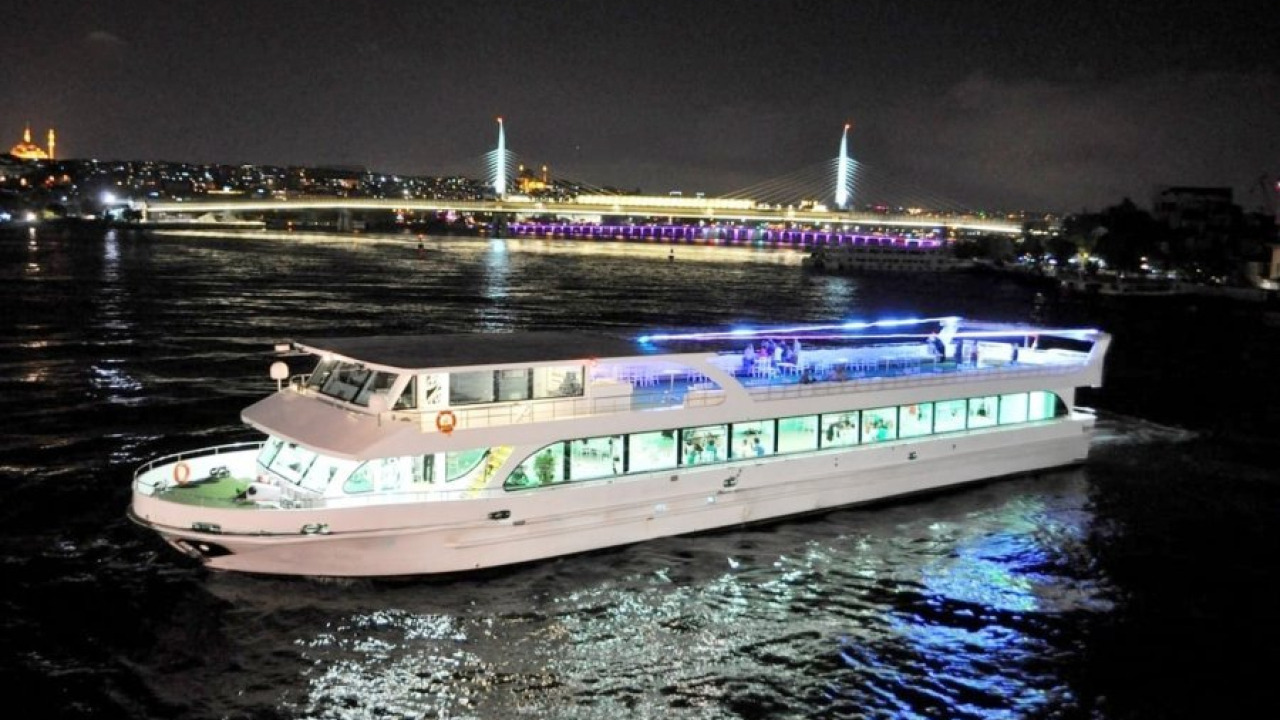
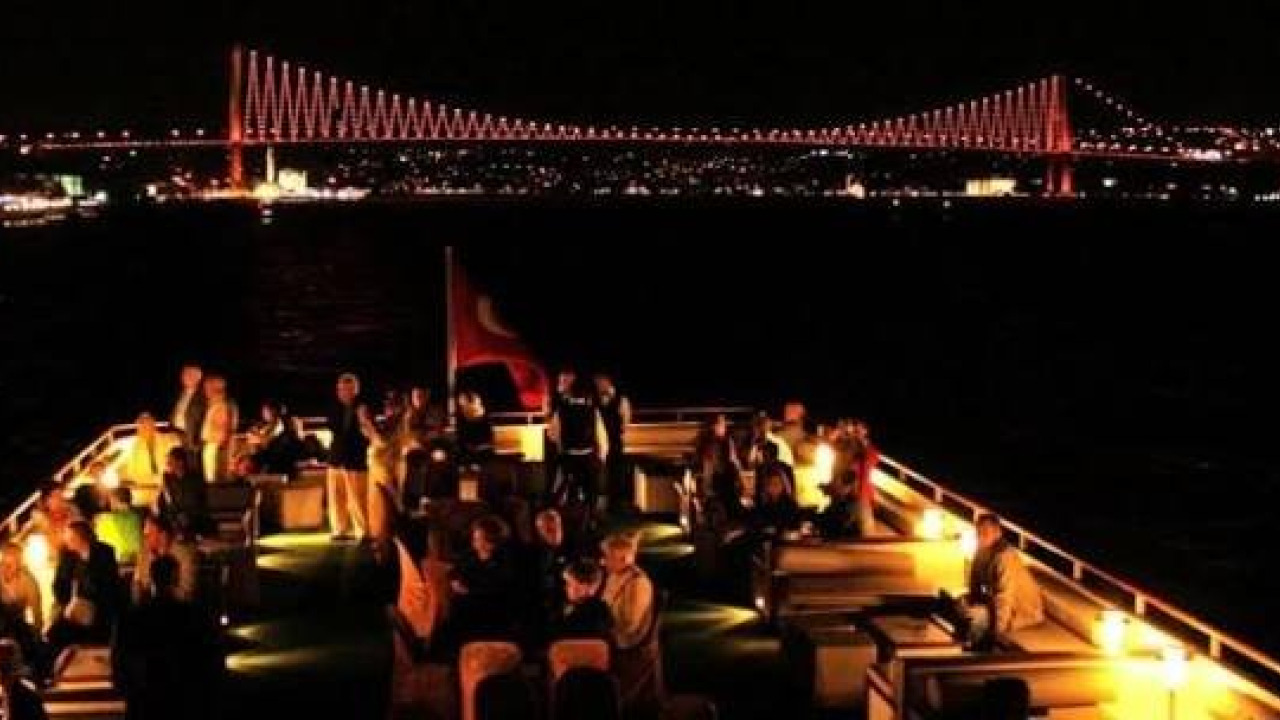
For those who wish to delve deeper into Feshane's story, from fez production to a contemporary art center, a guided program from Istanbul cultural tours offered by Travel Tour Shop can provide an enriching experience covering Eyüpsultan and the Golden Horn. If you're looking to fit the Eyüpsultan Mosque, Feshane, and Pierre Loti Hill into a single day, Istanbul day cultural itineraries offer a more structured pace. Those who want to see the industrial structures along the Golden Horn from the water can follow the coastal silhouette with Istanbul Bosphorus tours; and if you're staying in the city for a few days, Istanbul Princes' Islands tours can add an island stop to your itinerary.
Frequently Asked Questions 7
When was Feshane founded?
Fez production began in 1827 with a workshop established in Cündi Square, Kadırga, and the facility was relocated to its new site at Eyüp Defterdar Pier in 1833. Some sources state its foundation as 1833 and its relocation to the Golden Horn shore as 1839. In both accounts, the structure is associated with the reform movements of Sultan Mahmud II's era.
Is there an admission fee for Feshane?
No, admission to Artİstanbul Feshane is free. Tickets are not required to visit the exhibitions; only some special events may require separate registration.
Which day is Feshane closed, and what are its visiting hours?
Feshane is closed on Mondays. On other days, it can be visited between 10:00 AM and 8:00 PM. As some sources mention a closing time of 6:00 PM and hours can change according to the exhibition schedule, it's advisable to check the current program before your visit.
What can you find at Feshane?
Feshane features spacious halls dedicated to contemporary art exhibitions, the Naile Akıncı Library housing special collections, workshops and reading areas, congress and event halls, and a garden with Golden Horn views. The grand weaving hall, which survived the 1986 demolition, is also a significant example of industrial architecture worth exploring on its own.
What is the 'Feshane Incident'?
The 'Feshane Incident' refers to the controversy surrounding the opening exhibition, 'Starting from the Middle,' which opened on June 22, 2023. The exhibition was subjected to a protest and attempted attack by a group on June 27, 2023, leading to its temporary closure that day. It reopened after the group dispersed. A second incident occurred on July 9, 2023. The incident has no impact on current visiting conditions.
Which exhibition is currently on at Feshane?
The venue's ninth exhibition, 'Collective Memory: IMM Collections,' featuring 627 works by 187 artists, is open from December 13, 2025, to December 13, 2026. Feshane previously hosted the opening exhibition 'Starting from the Middle' and 'The Dynamic Eye: Beyond Op and Kinetic Art' from the Tate collection. As exhibitions change periodically, it is recommended to check the current program before your visit.
How do I get to Feshane?
Feshane is located on the Golden Horn shore in Eyüpsultan. The Feshane stop on the T5 tram line is the closest. Bus lines heading to Eyüpsultan, Metrobus stops at Halıcıoğlu and Ayvansaray, and Golden Horn ferry lines can also be used. Parking facilities are available nearby for those arriving by private car.