
For centuries, the Golden Horn served as Istanbul's bustling production powerhouse. More than just a harbor connecting the historic peninsula to the opposite shore, this waterway functioned as a vibrant stage for the city's industrial memory. Along the Fatih, Balat, Eyüpsultan, Sütlüce, Hasköy, and Kasımpaşa line, workshops, foundries, and factories stood as the very pillars of Istanbul's social and economic fabric. Today, the hum of lathes has been replaced by the quiet of exhibition halls, and blacksmith forges by chic design shop windows. This guide delves into the conditions under which these historic workshops were established, what functions these structures serve today, and how the artisan culture has evolved, offering practical information for your visit.
Quick Facts
| Topic | Information |
|---|---|
| Region | Golden Horn shoreline: Cibali, Fener, Balat, Ayvansaray, Eyüpsultan, Sütlüce, Hasköy, Kasımpaşa |
| Prominent Heritage Structures | Haliç Tersanesi (Golden Horn Shipyard), Feshane-i Amire, Silahtarağa Power Plant, Cibali Tobacco Factory, Lengerhane in Hasköy |
| Traditional Crafts | Foundry work, metalworking, leather processing, textiles and weaving, wood turning |
| Key Years of Transformation | 1981 coastal cleanup, 1985 relocation of shipyards and industrial facilities |
| Current Use | Museum, cultural center, university campus, design studio, cafe, and exhibition space |
| Transportation | Golden Horn ferry line, T5 tram line, metro, and bus connections |
| Recommended Duration | Half-day for a shoreline walk, full day with museum visits |
| Best Time to Visit | Spring and autumn; mornings are more comfortable in summer |
Why Did the Golden Horn Become a Production Hub?
The Golden Horn's sheltered and deep natural harbor positioned the region as a logistical hub from the Byzantine era onwards. During the Ottoman period, both banks of the waterway transformed into a production basin, home to shipyards, foundries, and numerous small and large workshops.
From recreational haven to industrial hub
Until the Industrial Revolution, the Golden Horn was primarily known in literature as a summer retreat and entertainment area, dotted with picnic spots. With industrialization, its shores became storage areas, factories opened, and a slaughterhouse was established in Sütlüce. Factory waste polluted the seawater, creating a pervasive odor in the vicinity. While new roads and a tram line connected many parts of the city to the Golden Horn valley, this shoreline, once known as the Golden Horn, lost its luster.
A craftsmanship legacy clustered on the northern shore
Hasköy and Kasımpaşa evolved into a hub for artisans, a true school where apprentices progressed to master craftsmen. Metalworking, foundry work, leather workshops, and textile production defined the character of this area. These workshops were not just workplaces; they became social spaces where solidarity flourished at the neighborhood level. Structures like the Unkapanı Mill are among the examples that carry the production logic of this line into the present day.
Heritage Structures Along the Shore and Their Current Functions
Almost all large-scale production facilities along the Golden Horn have undergone a change of function. The table below summarizes when each structure was established and what purpose it serves today.
| Structure | Establishment and production period | Current Function |
|---|---|---|
| Haliç Tersanesi | Established in 1455, divided into three in 1913 | İstanbul Sanat: museum, exhibition, and workshop space |
| Feshane-i Amire | Established in 1833, moved to Eyüp Defterdar shore in 1839 | Artİstanbul Feshane: exhibition and cultural center |
| Silahtarağa Elektrik Santrali | Built in 1913, produced until 1983 | santralistanbul: Energy Museum and campus |
| Cibali Tütün Fabrikası | Tobacco warehouse and cigarette factory in 1884 | Kadir Has Üniversitesi campus |
| Lengerhane and Hasköy coastal structures | Ottoman period | Rahmi M. Koç Müzesi |
Haliç Tersanesi and İstanbul Sanat
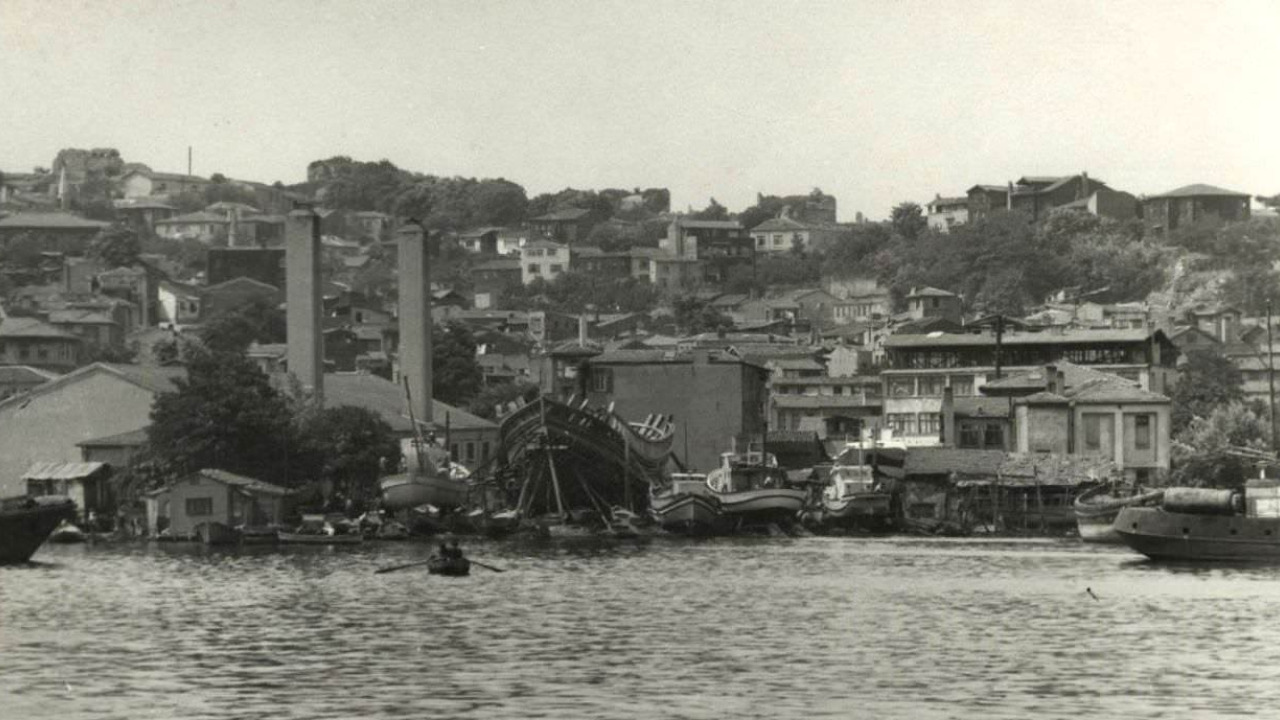
The Haliç Tersanesi, one of the surviving sections of the Ottoman naval base Tersane-i Amire, was established in 1455 by Grand Admiral Pasha on the order of Fatih Sultan Mehmed. During the reign of Selim I, it was expanded into a large complex stretching from Kasımpaşa to Galata; this complex was divided into the Haliç, Taşkızak, and Camialtı shipyards in 1913. Following extensive restoration and repurposing efforts, the structure opened its doors in 2024 as İstanbul Sanat, a vibrant culture, arts, and lifestyle center. The area features a museum, performing arts hall, exhibition spaces, and children's workshops; the section that continues to function as a shipyard is preserved.
From Feshane-i Amire to Artİstanbul Feshane
The Feshane, established in 1833 to meet the fez needs of the army formed after the abolition of the Janissary Corps, was moved to the Eyüp Defterdar pier in 1839. In 1843, with machines imported from Europe, it transitioned to steam power and transformed into a comprehensive textile factory, producing not only fezzes but also broadcloth, upholstery fabric, prayer rugs, carpets, and kilims. Largely destroyed by fire, the facility was rebuilt in 1868. After restoration work began in 2018, the structure opened on June 22, 2023, as Artİstanbul Feshane, an exhibition and cultural center.
Silahtarağa Power Plant and santralistanbul
The Silahtarağa Power Plant, located at the tip of the Golden Horn, was built in 1913 and became the first facility to provide electricity to the city via a central distribution network. The plant continued production until 1983. In 2004, the complex was transferred to Istanbul Bilgi Üniversitesi, where renovation work was carried out for three years, and the area opened in 2007 as santralistanbul. The Energy Museum, established by preserving the old machine rooms, is considered Turkey's first museum in the field of industrial archaeology.
Cibali Tobacco Factory and the Hasköy line
The Cibali Tobacco Factory was built in 1884 as a tobacco warehouse and cigarette factory, passing into the hands of the state monopoly administration during the Republican era. In 1997, the structure was transferred to Kadir Has Üniversitesi for educational use; its restoration was awarded the Europa Nostra prize in 2003. On the opposite shore, the Lengerhane and shipyard structures in Hasköy house the Rahmi M. Koç Müzesi. For those wishing to see these structures together, Istanbul cultural tours offered by Travel Tour Shop combine this shoreline into a single program.
What Was the Foundation of Artisan Culture in the Golden Horn?
The essence of the shops along the Golden Horn was a work ethic nurtured by the Ahi tradition. The master-apprentice relationship, honesty, quality-focused production, and a strong sense of community belonging were the cornerstones of this tradition.
Master-apprentice relationship and community belonging
In a workshop, conversations weren't limited to business over tea; neighborhood issues were debated, and life lessons were imparted to the youth. The greetings exchanged when shop shutters opened in the morning, the solidarity among shopkeepers, and the community spirit at the neighborhood level were the details that made the Golden Horn truly Istanbul. Today, what visitors largely seek in the area is this very authenticity; the departure of local shopkeepers, however, means the erasure of the neighborhood's memory. Shopkeepers were the guardians, memory keepers, and guarantors of the neighborhood. Where production thrived, discipline, hierarchy, and work ethic naturally took root. This network of relationships meant that when a workshop closed, not just a business but also a chain of transmission was lost.
Traces of weaving and textile craft
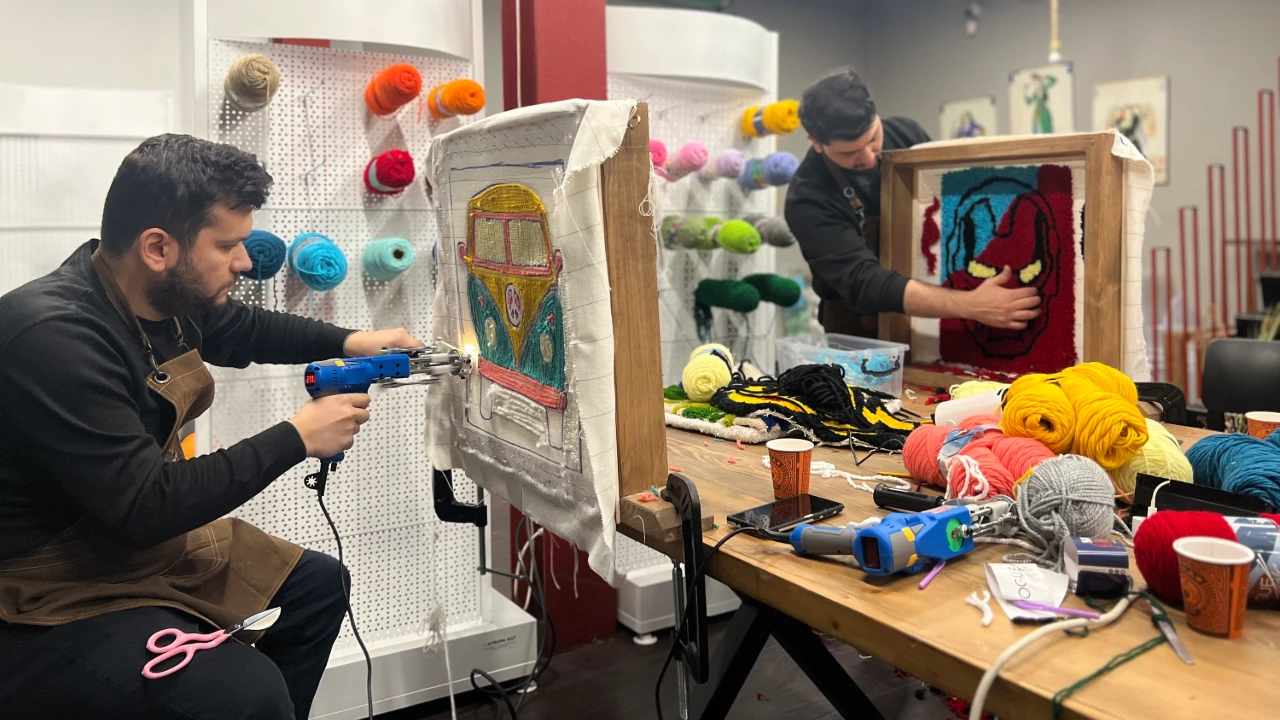
One of the most deeply rooted production branches along the Golden Horn was weaving. The Feshane's transition to producing fezzes, broadcloth, prayer rugs, carpets, and kilims demonstrates the scale of the coastal textile tradition. Today, this tradition continues not in large factories, but in small workshops and at looms. For visitors who wish to see a weaving loom in action, Istanbul carpet weaving workshop tours offer programs that showcase the process from dyeing the yarn to knotting techniques.
What Replaced Crafts in Balat and Fener?
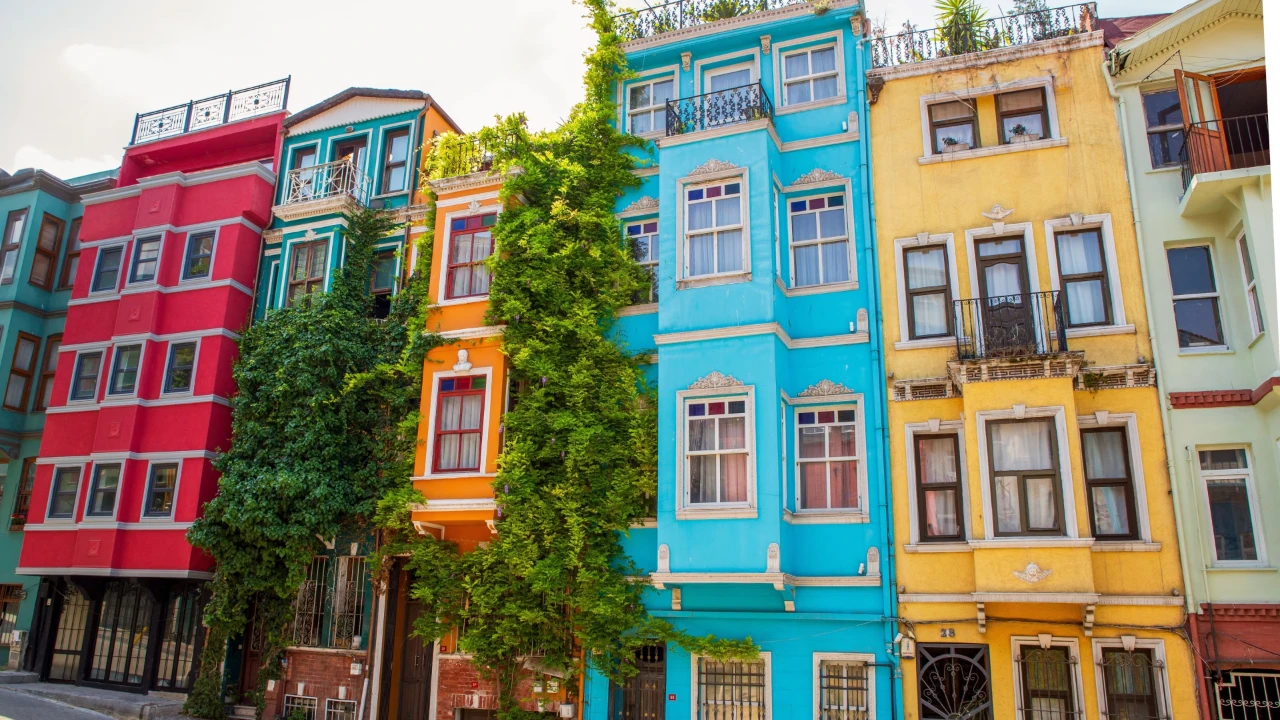
Balat and Fener were areas with a high concentration of historic workshops. Today, these same streets have transformed into popular tourist attractions. Antique shops, design boutiques converted from old workshops, and boutique hotels have brought new vibrancy to the area.
Gentrification and rent pressure
Urban renewal is a positive step for strengthening old structures against earthquakes. However, the gentrification effect that emerges during this process, coupled with rising rent costs and changing demographics, is pushing long-standing shopkeepers away from the shoreline. The increase in property values forces master craftsmen, who have worked in the same shops for many years, to close their doors or relocate to the city's outer rings.
From production to experience
The new generation of businesses that have taken their place are largely building business models focused on selling experiences. In a historic blacksmith's workshop, iron is no longer forged; instead, vintage objects are displayed. While this change boosts the region's tourism potential, it makes the transmission of deeply rooted crafts more challenging. For those who wish to experience the neighborhood's authentic texture before the tourist crowds arrive, Istanbul's historic city routes offer itineraries focused on morning hours.
Golden Horn Workshop Route: How to Get There?
The shoreline can be comfortably explored by combining walking from the southern shore northwards with public transport. The following sequence also follows the chronology of the structures.
- From Eminönü, take the T5 tram and get off at the Cibali stop to begin your route with the facade of the old tobacco factory.
- Get off at the Fener and Balat stops on the same line to explore the antique streets, shops converted from workshops, and historic facades along the shore on foot.
- After Ayvansaray, get off at the Feshane stop to see the exhibition halls of Artİstanbul Feshane and continue towards Eyüpsultan.
- From the Eyüpsultan pier, take the Golden Horn ferry to the opposite shore, Hasköy pier, and visit the Rahmi M. Koç Müzesi.
- Take the ferry to Kasımpaşa pier and walk for about five minutes to reach the İstanbul Sanat area within the Haliç Tersanesi.
- On your return, walk seven to eight minutes to the Şişhane metro station to complete the route.
Transportation Options
| Mode of Transport | Line and Stops | Notes |
|---|---|---|
| Ferry | Golden Horn line: Üsküdar, Karaköy, Kasımpaşa, Fener, Balat, Hasköy, Ayvansaray, Sütlüce, Eyüpsultan | Ideal for seeing the coastal structures from the water; the journey from Üsküdar to Eyüpsultan takes approximately 55 minutes |
| Tram | T5 Eminönü-Alibeyköy: Cibali, Fener, Balat, Ayvansaray, and Feshane stops | The section between Cibali and Alibeyköy opened in 2021, the Eminönü connection in 2023 |
| Metro | M2 line Şişhane stop, Kasımpaşa exit | Approximately a 7-8 minute walk to the İstanbul Sanat area |
| Bus | Lines passing through Şişhane and Eyüpsultan | When getting off at Şişhane, it's about a 5-minute walk to the shore |
| Walking | Fener to Ayvansaray coastal strip | Distances between stops are short; continuous walking is possible along the shore |
Practical Tips Before Your Visit
Since the operating hours of the museums along the shoreline vary, planning your itinerary in advance will make your visit smoother.
- Avoid Monday: Both İstanbul Sanat and Rahmi M. Koç Müzesi are closed on Mondays.
- İstanbul Sanat offers free entry and workshops; complimentary tickets can be obtained via the İstanbul Senin app, and visiting hours are from 10:00 to 19:00.
- Rahmi M. Koç Müzesi is open from 09:30 to 17:30 between Tuesday and Friday, and from 10:00 to 19:00 on weekends, as of summer 2026; full admission is 1,000 TL, student admission is 500 TL. Prices are updated periodically.
- Wear comfortable shoes: The coastal strip features cobblestone and sloping streets, so opt for flat, comfortable shoes.
- Ask permission: If you wish to take photos in active workshops, please ask the artisan for permission first; many shops take a break during lunchtime.
- Plan for summer heat: In summer, the shoreline gets hot in the afternoon; schedule your walking sections for the morning and museum visits for the afternoon.
How to Preserve Industrial Heritage?
The preservation of historic workshops is not merely a matter of restoration. These structures document Istanbul's economic history and necessitate the continuation of their inherent function. The transformation of structures along the Hasköy line into museums reflects this awareness; however, a museum cannot truly replace a living workshop. The true bearer of tradition is the active workshop itself, where young artisans are trained and heritage is passed down. For this reason, municipal and NGO projects for the region extend beyond structural preservation; without support for small producers, historic buildings risk becoming soulless backdrops.
Cultural production center model
The workshops along the Golden Horn could be redefined as cultural production centers in the future. Shared production spaces where a designer and an artisan work side-by-side offer a model that embraces both tradition and innovation. Empty old factory buildings possess suitable volumes for incubator centers, design studios, and exhibition spaces. For those who wish to see the coastal museums and cultural centers in a short time, day trip Istanbul cultural routes are excellent options.
Craft cooperatives and digital sales
For artisans struggling to survive individually, forming cooperatives and utilizing shared sales channels provides strength in numbers. Some workshops producing handmade leather, textile, and metal products reach international markets through online sales channels; these channels are becoming increasingly crucial for sustaining production. While digitalization may not replace the camaraderie of storefront chats, it contributes to the workshop's survival. The transformation of the Golden Horn into an area of museums, hotels, universities, and convention centers, following the coastal cleanup in 1981 and the relocation of industrial facilities in 1985, demonstrates the region's capacity for functional change. This same capacity can be utilized for crafts to re-establish themselves along the shore. The Golden Horn shoreline retains its value when preserved as a living museum, where life, production, and commerce continue; the collaboration of administration, investors, and artisans at the same table is a prerequisite for this model.
Frequently Asked Questions 6
Why are the historic workshops along the Golden Horn important?
These workshops are the building blocks representing Istanbul's industrial history, craft culture, and social memory. The line extending from shipyards to textile factories, from foundries to power plants, harbors the roots of the city's production culture and serves as physical evidence documenting the city's economic history.
Why did the artisan culture in the Golden Horn change?
The relocation of industry outside the city, rising rent costs, gentrification of the area, and changing consumption habits led to long-standing artisans being replaced by service sector businesses. The relocation of shipyards and industrial facilities in 1985, following the coastal cleanup, was one of the turning points in this change.
What functions do the industrial heritage structures in the Golden Horn serve today?
The Haliç Tersanesi was transformed into a cultural center called İstanbul Sanat in 2024, Feshane-i Amire into an exhibition space called Artİstanbul Feshane in 2023, the Silahtarağa Power Plant into the santralistanbul campus and Energy Museum in 2007, and the Cibali Tobacco Factory into the Kadir Has Üniversitesi campus.
How did the gentrification process affect the artisans of the Golden Horn?
Gentrification raised property values in the region, causing long-standing artisans to relocate or close their businesses due to increased costs. As a result, the neighborhood's fabric weakened, and the chain of transmission sustained by the master-apprentice relationship was interrupted.
How can one get to the workshop route along the Golden Horn?
On the southern shore, the T5 Eminönü-Alibeyköy tram line, with its Cibali, Fener, Balat, Ayvansaray, and Feshane stops, forms the backbone of the route. The Golden Horn ferry line is used to cross to the opposite shore; İstanbul Sanat is approximately a five-minute walk from the Kasımpaşa pier.
Which days and times are suitable for visiting museums in the Golden Horn?
Most museums along the shore are closed on Mondays, so it is more suitable to plan your visit between Tuesday and Sunday. İstanbul Sanat offers free entry from 10:00 to 19:00; Rahmi M. Koç Müzesi is open weekdays from 09:30 to 17:30 and weekends from 10:00 to 19:00.