Through the Lens: The Most Photogenic Spots in Bursa
With its cobblestone streets steeped in history, majestic architecture, and lush natural landscapes, Bursa is a true open-air studio for travel photographers. Whether you are searching for the best Bursa photo spots for a professional portfolio or an amateur enthusiast looking for the perfect Instagram shot, this city offers endless compositional possibilities. As the first capital of the Ottoman Empire, its rich heritage is etched into every corner, waiting to be captured.
The magic often happens in the early morning hours, when a soft mist clings to the city and golden sunlight filters through the historic hans (inns). Depending on the season, your frame will transform: from the vibrant colors of spring to the dramatic, snow-capped vistas descending from Uludağ in winter, Bursa ensures your camera roll stays dynamic year-round.
Quick Travel Planning Guide
Before you pack your gear, here is a quick overview of the photography dynamics in Bursa to help you manage light and timing.
| Topic | Details |
|---|---|
| Location | City Center (Historic Hans District, Tophane) and Yıldırım district |
| Key Features | Ottoman civil architecture, monumental mosques, and panoramic cityscapes |
| Best Time to Visit | April, May, October, and November |
| Target Audience | Travel photographers, architectural enthusiasts, vloggers |
| Transportation | Bursaray (metro) and pedestrian-friendly historic streets |
Must-Visit Landmarks for Your Portfolio
Let’s dive into the essential shooting locations that capture the true soul of the city.
Ulu Camii
Start your photographic journey in the heart of the city at the magnificent Ulu Camii. Commissioned by Yıldırım Bayezid following the victory at Niğbolu in 1396, this monumental masterpiece is a pioneer of multi-domed Ottoman mosque architecture, featuring twenty domes supported by twelve massive pillars.
The sheer scale of the mosque, roughly 55 by 69 meters, makes it a challenge to capture in a single frame, even with a wide-angle lens; many photographers prefer to shoot the sequence of domes diagonally to create a sense of depth. The central fountain (şadırvan) with its twelve-sided pool acts as a natural light well during midday, offering beautiful reflections for layered compositions. For detail shots, the intricate calligraphy on the walls provides a rich, non-repetitive texture. To capture the soft light beams dancing on the stone surfaces, aim for the quiet hours between prayer times. Since tripod use may be restricted, pairing a high ISO-performance body with a wide-angle lens is highly recommended for low-light shooting.
Cumalıkızık Village
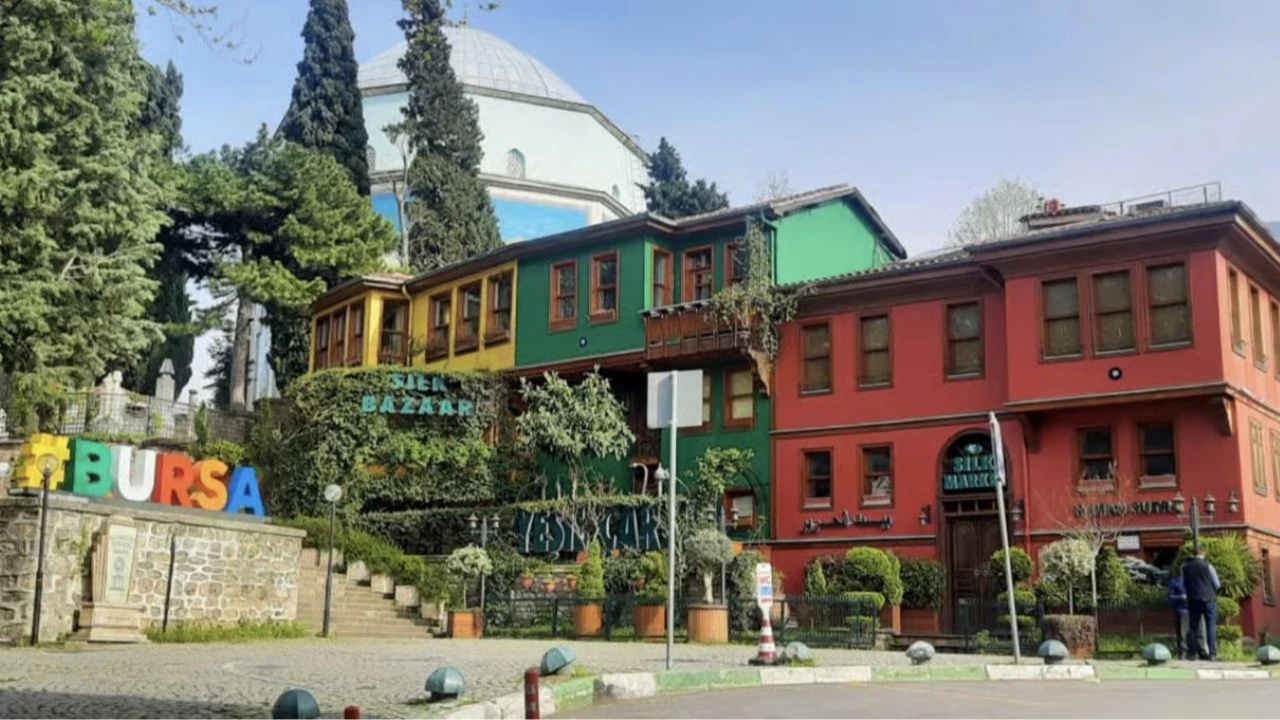
A UNESCO World Heritage site since 2014, Cumalıkızık is a living testament to early Ottoman village life. Unlike a museum, this is a breathing community where approximately 180 of its 270 historic houses are still inhabited. This adds an authentic, "street photography" layer to your shots, think drying peppers on doorsteps, laundry lines, and local vendors setting up their stalls.
The village is built on the slopes of Uludağ, meaning the streets are naturally inclined. Shooting from a lower elevation looking up allows the traditional bay windows (cumba) to overlap, creating a stunning sense of perspective. For the best results, arrive in the cool morning hours before the crowds arrive, when the side-lighting hits the narrow stone alleys perfectly.
Saitabat Şelalesi
For nature lovers, Saitabat Şelalesi in the Kestel valley is a premier destination. After heading toward Kestel and reaching Derekızık village, the final 3km stretch to the waterfall is narrow and shaded; if you are carrying heavy gear, plan your return trip before sunset.
To achieve that "silky water" effect, use a tripod and an ND (Neutral Density) filter for long exposures. An aperture around f/11 with a one-to-two-second exposure usually yields a balanced result in most conditions. The waterfall is most powerful in spring during the snowmelt, offering vibrant, high-energy shots. Since the area gets busy with local restaurants on weekends, a weekday visit will grant you a much quieter environment for shooting.
Koza Han
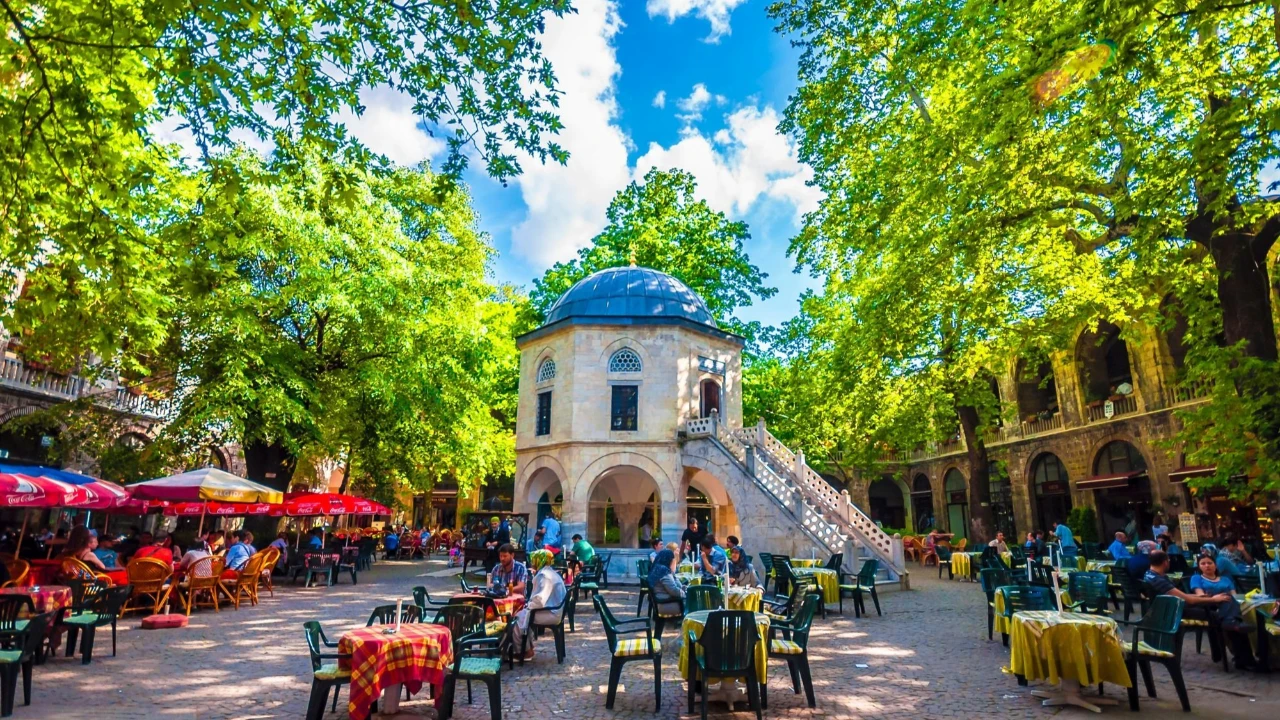
Nestled between Ulu Camii and Gazi Orhan Camii, Koza Han is a photographic summary of Bursa's commercial history. This silk and cocoon trading hub, opened by Bayezid II in 1491, offers a perfect setting for documentary photography.
The two-story courtyard, the central domed prayer room, and the people sipping tea in the shade create a timeless scene. Popular shots include looking down at the courtyard from the upper arches or capturing the vibrant colors reflected in the silk shop windows. The turquoise-tiled stone gate facing north is also a standout spot for an entrance shot. Because the courtyard is largely open, the contrast can be harsh at noon; if you want movement, shoot during the midday bustle, but for soft, flattering light, aim for the late afternoon.
Tophane Saat Kulesi
For those seeking panoramic views, the Tophane Saat Kulesi (Clock Tower) and its surrounding park are essential. Perched on the rocky terrace where the city was first founded, the area also houses the tombs of Osman Gazi and Orhan Gazi, allowing you to blend landscape photography with early Ottoman history.
From the edge of the park, you can capture the juxtaposition of ancient minarets against the modern city skyline. The "blue hour", the period about twenty minutes after sunset, is particularly magical here, as the streetlights flicker on against a deepening sky. Set up your tripod just before this window to capture stunning long-exposure cityscapes.
Seasonal Guide: What to Expect
Bursa's geography and climate provide a diverse palette of light and composition throughout the year.
| Season | Light & Atmosphere | Pro Tip |
|---|---|---|
| Summer (June - Aug) | Bright sunlight and sharp shadows. | Use a polarizing filter to manage reflections and enhance blue skies. |
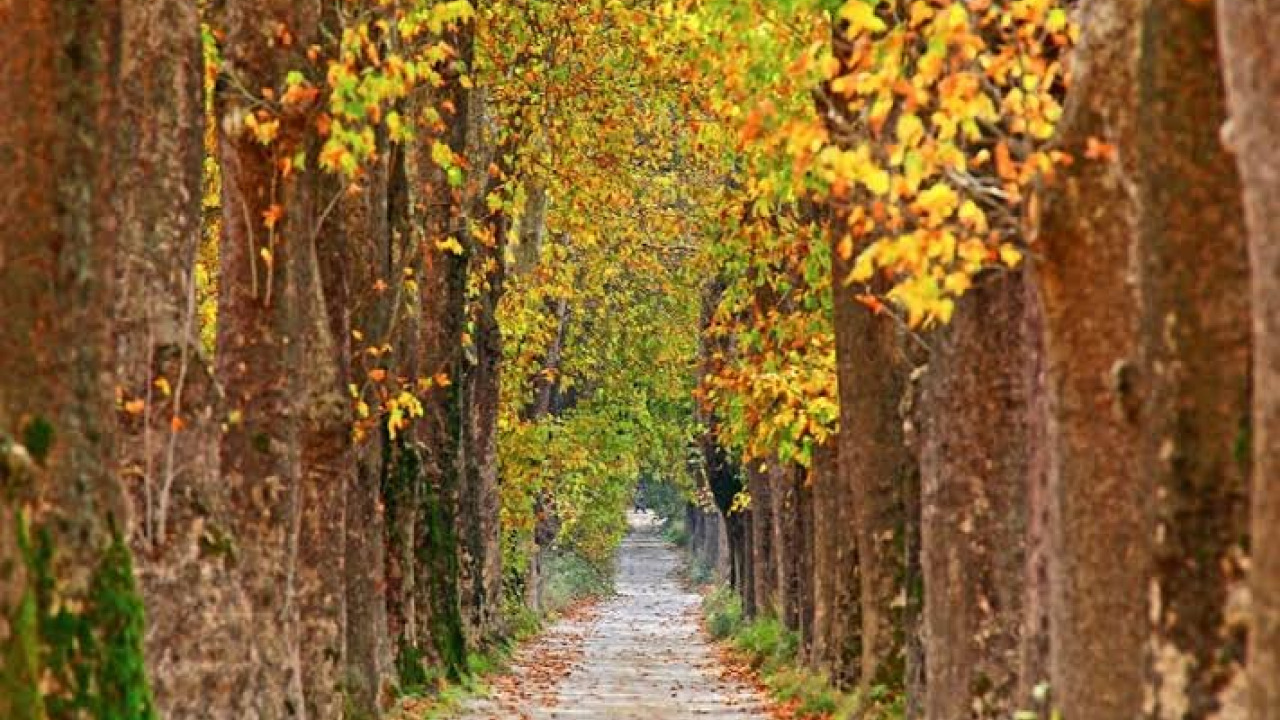
| Autumn (Sept - Nov) | Soft golden light and pastel tones from changing leaves. | Ideal for dramatic shots in the Muradiye Complex and local parks. |
| Winter (Dec - Feb) | Grey tones and misty atmosphere descending from Uludağ. | Perfect for long exposures and black-and-white architectural studies. |
| Spring (March - May) | Vibrant greens, blooming trees, and soft light. | Excellent for portraits in Koza Han and the historic streets. |
Getting Around: Routes and Logistics
Navigating to these spots is easy thanks to Bursa's organized transport network. If you want to expand your itinerary, check out our guide on things to do in Bursa.
- City Center & Hans: Take the Bursaray (metro) to the Şehreküstü station. From there, Ulu Camii, Koza Han, and the surrounding district are all within walking distance. Tophane is a roughly 15-minute walk up some steep, charming streets.
- The Complex Area: To reach the Muradiye Complex, take a local bus toward Alacahırka or enjoy a 15-minute walk from Tophane. The tombs and cypress-shaded gardens offer serene shots in the softening afternoon light.
- Nature Routes: Reach Saitabat Şelalesi via minibuses from the Kestel direction. The journey takes about an hour from the city center depending on traffic. Check the departure times before you head out.
- Cumalıkızık: You can take direct municipal buses or minibuses from the city center. For the best morning light, plan an early departure.
- Botanical Park Area: For an alternative setting, the Bursa Zoo is located in the Soğanlı neighborhood. Take the Soğanlı-Botanik Park minibuses from the city center.
Pro Tips for a Smooth Shoot
To maximize your efficiency while exploring the city, keep these tips in mind:
- Respect Sacred Spaces: When shooting inside mosques, avoid using flash and be mindful not to disturb those praying.
- Lens Selection: While wide-angle lenses (16-35mm) are great for architecture, bring a telephoto lens (70-200mm) to capture intricate details like calligraphy.
- Stability is Key: High points like Tophane Park can get windy in the evening; use a heavy, sturdy tripod for long exposures.
- Ergonomics: You will be walking a lot. Ensure your camera bag is ergonomic and avoid carrying unnecessary weight.
- White Balance: In the dim, enclosed courtyards of the hans, pre-set your white balance to avoid color shifts.
Photography Trip Budgeting
A photography tour in Bursa is generally budget-friendly. Much of the city's historic charm can be captured for free just by walking through the streets. Your main expenses will be transportation and food.
| Stop | Entry Fee | Photographer's Note |
|---|---|---|
| Ulu Camii, Koza Han, Tophane Park | Free | Respect prayer times; no flash in mosques |
| Cumalıkızık Streets | Free | Ask permission for interior or portrait shots |
| Bursa City Museum | Free | Closed on Mondays; plan accordingly |
| Bursa Zoo | 70 TL (Full), 30 TL (Student) | Closes at 17:30; check for Wednesday discounts |
Note: Prices are subject to change; always verify on official websites before visiting. Using a Bursakart is the most efficient way to handle public transport.
Final Thoughts Before You Close Your Viewfinder
Bursa is an endless source of inspiration, where every street corner offers a new historical narrative. By mastering the light and composition of this ancient city, you can create a truly unique photographic archive. If you prefer a guided experience to ensure you hit all the best spots, Bursa day culture tours are an excellent choice. For a deeper dive into Ottoman architecture, Bursa culture tours provide expert guidance. You can also opt for Bursa city tours for a practical overview of the iconic areas, or Bursa historical city tours to meticulously document the city's heritage. Finally, if your heart is set on winter landscapes, Uludağ culture tours will lead you to breathtaking snowy vistas.
Frequently Asked Questions 5
Where are the main photo spots in Bursa concentrated?
The most concentrated areas are the Historic Hans District (Ulu Camii and Koza Han) in the city center, Tophane Park for panoramas, Cumalıkızık for street photography, and Saitabat Şelalesi for nature shots.
What is the best time of day for photography in Bursa?
Early morning provides soft side-lighting in the Hans district. For Tophane Park, the sunset and the subsequent "blue hour" are best for cityscapes. Midday light is best utilized inside mosques or shaded courtyard settings.
What equipment is best for Ulu Camii and the hans?
A wide-angle lens (16-35mm) is essential for architecture, while a telephoto lens (70-200mm) is great for details like calligraphy. Since tripods may be restricted in Ulu Camii, a camera with good high ISO performance is vital.
Is there a fee to take photos in Cumalıkızık?
Walking and shooting in the village streets is free. However, it is polite to ask for permission when photographing people for portraits or when entering private residences.
How do I get the "silky water" effect at Saitabat Şelalesi?
You will need a tripod and an ND filter for long exposures. An aperture of around f/11 with a 1-2 second exposure typically works best. Visiting on a weekday in spring offers the best flow and fewest crowds.