
Fatih is the heart of Istanbul, encompassing the entirety of the historic peninsula. Within a few walkable neighborhoods, you'll find a breathtaking concentration of Byzantine monasteries, Ottoman complexes, centuries-old bazaars, and Roman aqueducts. While creating a "must-visit" list is the easy part, the real challenge is the logistics. Because mosques, museums, and markets operate on completely different schedules, starting your day at the wrong stop can lead to closed doors and unnecessary fatigue. This guide provides a concrete, hour-by-hour itinerary to ensure you experience the best of Fatih without the stress.
How Does a Fatih Tour Differ from Other Istanbul Routes?
When exploring the Bosphorus, your schedule is dictated by ferry timetables. In Fatih, however, the deciding factor isn't distance, but the prayer and museum calendars. Mosques close to visitors during prayer times, museum ticket offices stop sales half an hour before closing, and the bazaars shut their shutters relatively early. The beauty of Fatih is that the landmarks are within walking distance, connected by a few scenic slopes rather than being scattered across the city.
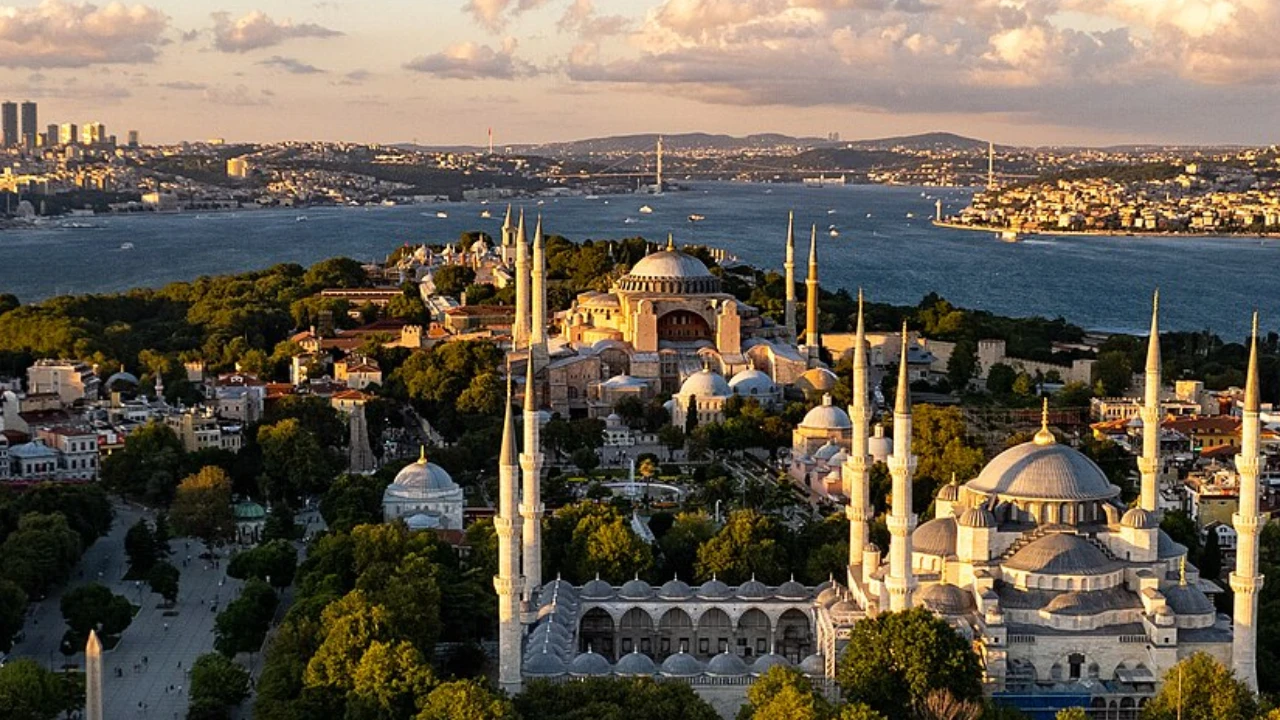
The Historic Areas of Istanbul were inscribed as a UNESCO World Heritage site in 1985. This includes four primary protection zones, the Sultanahmet Archaeological Park, Süleymaniye, Zeyrek, and the City Walls, all located within Fatih. Because of this density, planning your route is no longer just a matter of preference; it's a matter of efficiency.
Quick Facts for Your Visit
| Category | Details |
|---|---|
| Location | Istanbul, Fatih District, Historic Peninsula |
| Recommended Duration | Half-day for walking; full day including the bazaars |
| Starting Point | Fatih Mosque and Complex |
| Primary Transport | Kabataş - Bağcılar Tram line, Marmaray, Golden Horn ferry piers |
| Museum Note | The Great Palace Mosaics Museum has been closed for restoration since 2023 |
| Bazaar Hours | Grand Bazaar: Mon-Sat 08:30-19:00 (Closed Sunday); Spice Bazaar: Mon-Sat ~08:00-19:00 (Check Sunday status) |
| Peak Hours | Saturdays, 12:00-18:00 in the bazaars |
| UNESCO Status | Historic Areas of Istanbul, 1985 |
The Pillars of Your Itinerary
Fatih Mosque and Complex
The journey begins here, as this landmark gives the district its name. Construction of the complex began in 1463 and the mosque was completed in 1470. It was designed by Atik Sinan (not to be confused with the legendary Mimar Sinan). The structure suffered severe damage during the 1766 earthquake, losing its main dome. Under the orders of Sultan Mustafa III, it was rebuilt according to a new plan starting July 31, 1767, and reopened in April 1771. The dome arrangement you see today reflects this second construction phase rather than the original plan.
Zeyrek Mosque
Perched on the slopes overlooking the Golden Horn, this structure was completed in 1124 as the church of the Pantokrator Monastery, funded by Empress Irene Komnena. Library and hospital sections were added via a foundation deed in 1136. Despite being the largest Byzantine religious structure remaining after Hagia Sophia, it is far less crowded. With its pink brickwork and sloping thick walls, it resembles a fortress from a distance. Following a lengthy restoration completed in 2019, the building is now open for worship and visitation.
Great Palace Mosaics Museum
Located at No. 53 on Arasta Bazaar Street in Sultanahmet, this museum houses the stunning floor mosaics of the Byzantine imperial palace. Unearthed during excavations starting in 1935, these mosaics date back to between 450 and 550 AD. Important Note: According to the Ministry of Culture and Tourism, the museum has been temporarily closed since April 10, 2023, for seismic strengthening and restoration. No reopening date has been announced; please verify the status before visiting.
The Perfect One-Day Walking Order
The following sequence is designed to visit mosques during the quiet morning hours (between prayer times), outdoor landmarks toward midday, and the bazaars in the afternoon.
- 09:00, Fatih Mosque and Complex. Start your day in the courtyard. The morning air is cool, and this is the most convenient time to visit before the midday prayer rush.
- 10:15, Zeyrek Mosque. Follow the slopes descending toward the Golden Horn. Along the way, you can stop at the Eski Imaret Mosque, originally a monastery church from around 1087 and later converted into a soup kitchen for the Fatih Complex.
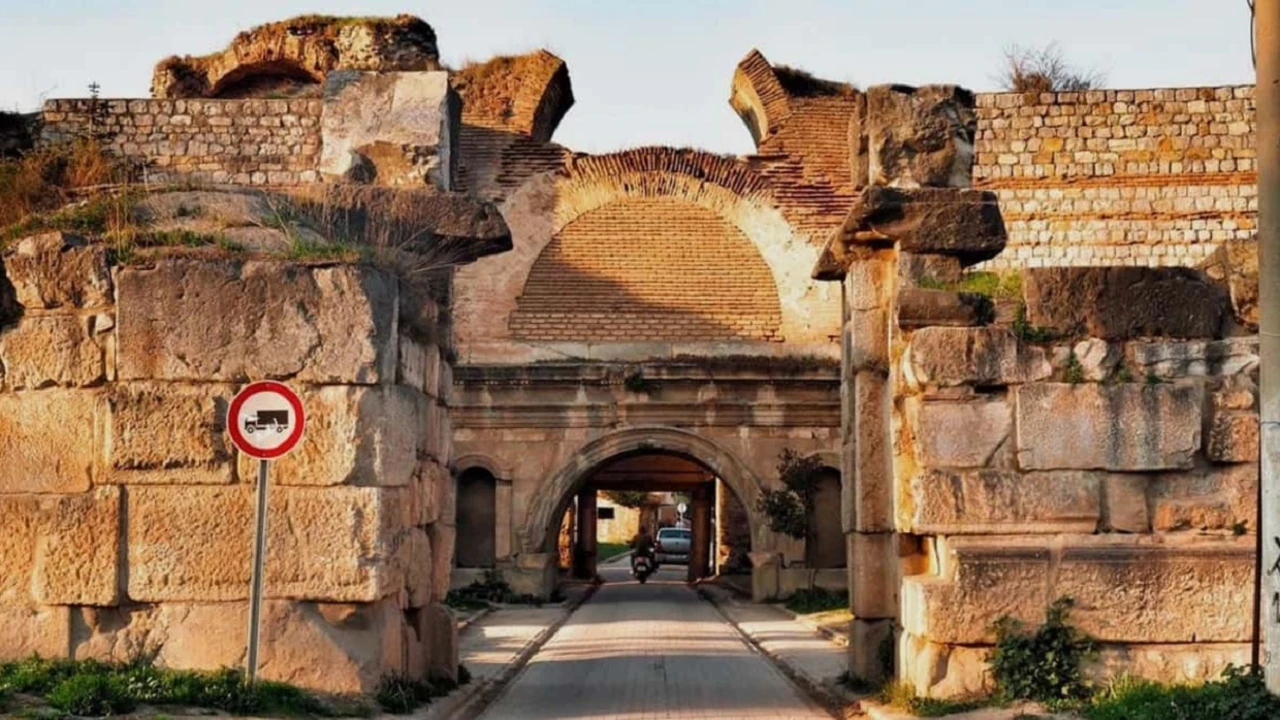
- 11:30, Valens Aqueduct (Bozdoğan Kemeri). Completed in 373 AD during the reign of Emperor Valens, this aqueduct showcases the sheer scale of Roman engineering right at street level. It is one of the oldest surviving structures in Istanbul.
- 13:00, Grand Bazaar. Commissioned by Mehmed the Conqueror in 1461, this legendary market now features 65 streets, 14 hans, and roughly 3,600 shops. It is open Monday to Saturday from 08:30 to 19:00 (closed Sundays and public holidays). If arriving by tram, exit at the Beyazıt - Grand Bazaar stop.
Note: The Great Palace Mosaics Museum is currently omitted from this route due to restoration. Once reopened, it can be added as a final stop in the Sultanahmet area.
Choosing the Right Time for Your Visit
| Time Slot | Advantage | Potential Drawback |
|---|---|---|
| Weekday Morning (09:00-12:00) | Quiet mosques and streets, soft natural light | Some museums may have weekday closing days |
| Weekday Afternoon (13:00-18:00) | Museum ticket offices are open, bazaars are lively | Mosque visits may be interrupted by noon prayers |
| Saturday (12:00-18:00) | All bazaar shopkeepers are present | Peak crowds at the Grand Bazaar and Spice Bazaar |
| Sunday (All Day) | Mosques and outdoor sites are accessible | Grand Bazaar is closed; must remove from route |
| Late Afternoon (After 18:00) | Slopes are empty, stunning Golden Horn views | Grand Bazaar closes its doors at 19:00 |
For those visiting from outside the city and wanting to maximize their day, you can choose Fatih day-trip cultural tour programs based on these time slots.
Why Choose a Guided Tour?
While the distances between stops in Fatih are short, tracking which site is open at which hour can consume half your day. A guided program handles the logistics, allowing you to see more in less time. Furthermore, the historical context shared in mosque courtyards and bazaar alleys connects these structures into a cohesive story, a narrative that is often missed when exploring solo.
Depending on whether you prefer a half-day excursion or a full-day immersion, you can explore Fatih Historic City Tour options. For those who want a deeper, storytelling-focused experience, we recommend guided tour options in Fatih.
Pro Tips Before You Set Out
- Mosque Etiquette: Plan visits outside of prayer times. Remember to remove your shoes and, for women, ensure shoulders and hair are covered.
- Museum Timing: Ticket offices usually stop selling tickets 30 minutes before closing. Remember that the Great Palace Mosaics Museum is currently closed.
- Bazaar Schedules: The Grand Bazaar is closed on Sundays and official holidays. Plan your shopping for weekdays or Saturdays.
- Spice Bazaar: Note that the Spice Bazaar may be closed on October 29th and during religious holidays; verify before you go.
- Footwear: The streets of the historic peninsula are hilly and paved with cobblestones. Avoid slippery-soled shoes to maintain your pace.
- Hidden Gem: If you head toward Sirkeci, step inside the Sirkeci Post Office (built in 1909), one of the first works of architect Vedat Tek.
Final Verdict: How to Order Your Day?
In Fatih, the ideal sequence is determined by schedules rather than interests: mosques in the morning, outdoor landmarks toward noon, and bazaars in the afternoon. By following this flow, you can comfortably fit four major stops into one day on foot. Those preferring a slower pace can split the district into two half-days, leaving Zeyrek and the Valens Aqueduct for a separate session. For alternative themes, check out cultural tour options in Fatih and walking tour programs in Fatih.
Frequently Asked Questions 5
Where is the best place to start a history tour in Fatih?
The Fatih Mosque and Complex is the ideal starting point. As the namesake of the district, it offers a peaceful courtyard in the morning. From here, the slopes leading toward the Golden Horn naturally guide you toward Zeyrek and then the Roman aqueduct.
Why is it more efficient to visit mosques in the morning and bazaars in the afternoon?
Mosques close to visitors during prayer times, which are spread throughout the day. Bazaars and museums, however, have fixed closing times. By starting with mosques and ending with the bazaar, you avoid scheduling conflicts and eliminate wasted waiting time.
Why is the Great Palace Mosaics Museum missing from this route?
The museum has been temporarily closed since 2023 for seismic strengthening and restoration, with no announced reopening date. Therefore, it has been omitted from the current route. Once it reopens, it can be easily visited via the Arasta Bazaar entrance in Sultanahmet.
Does it make sense to visit both Zeyrek Mosque and Fatih Mosque on the same day?
Yes, the distance between the two is easily walkable. Since Fatih Mosque represents the classical Ottoman era and Zeyrek Mosque dates back to the Byzantine era (1124), visiting them back-to-back provides a fascinating architectural and historical contrast.
Which stop should I use for the Grand Bazaar?
The 'Beyazıt - Grand Bazaar' stop on the Kabataş - Bağcılar tram line is the closest point. If you are coming from the Asian side, take the Marmaray to Sirkeci and transfer to the tram. Plan your visit between Monday and Saturday, as the bazaar is closed on Sundays.