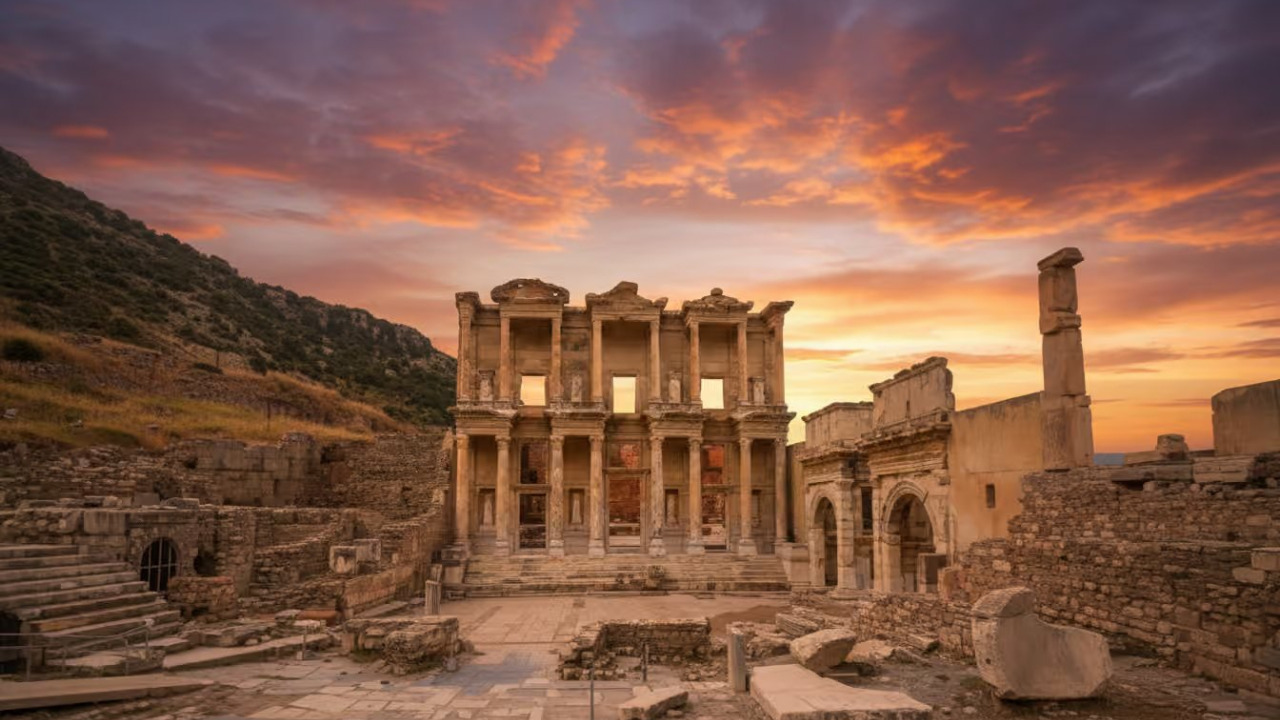

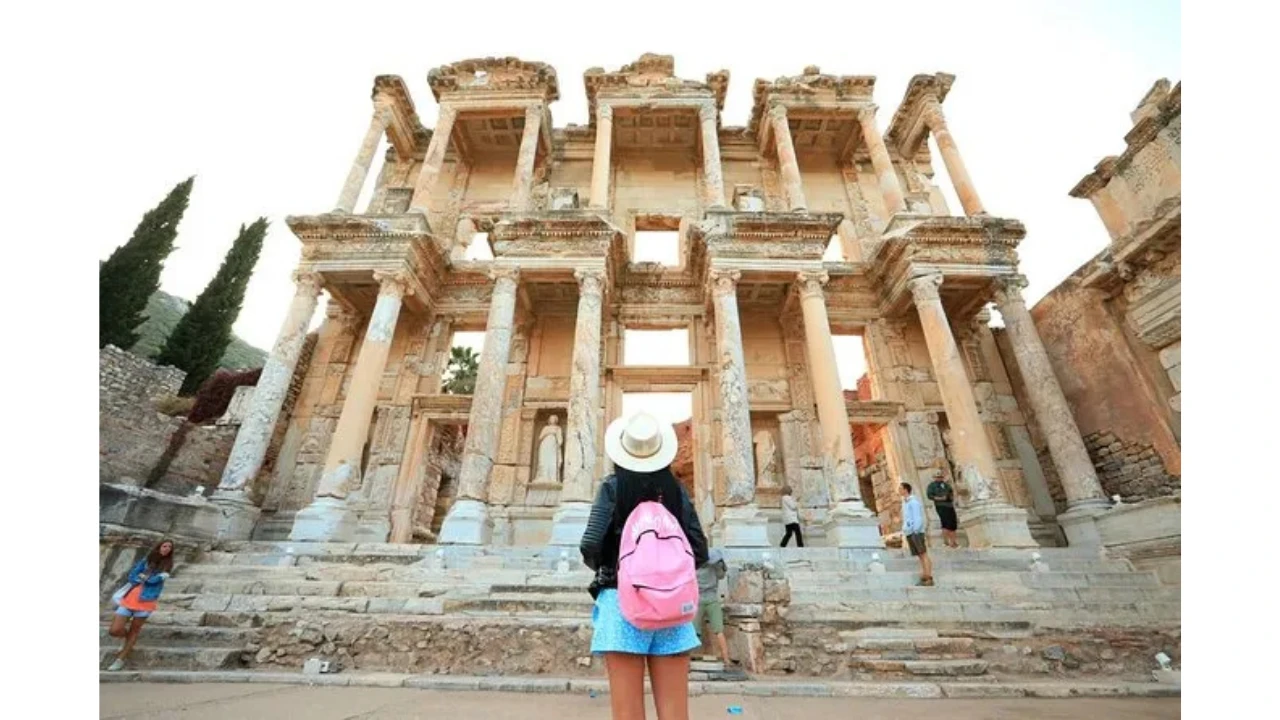
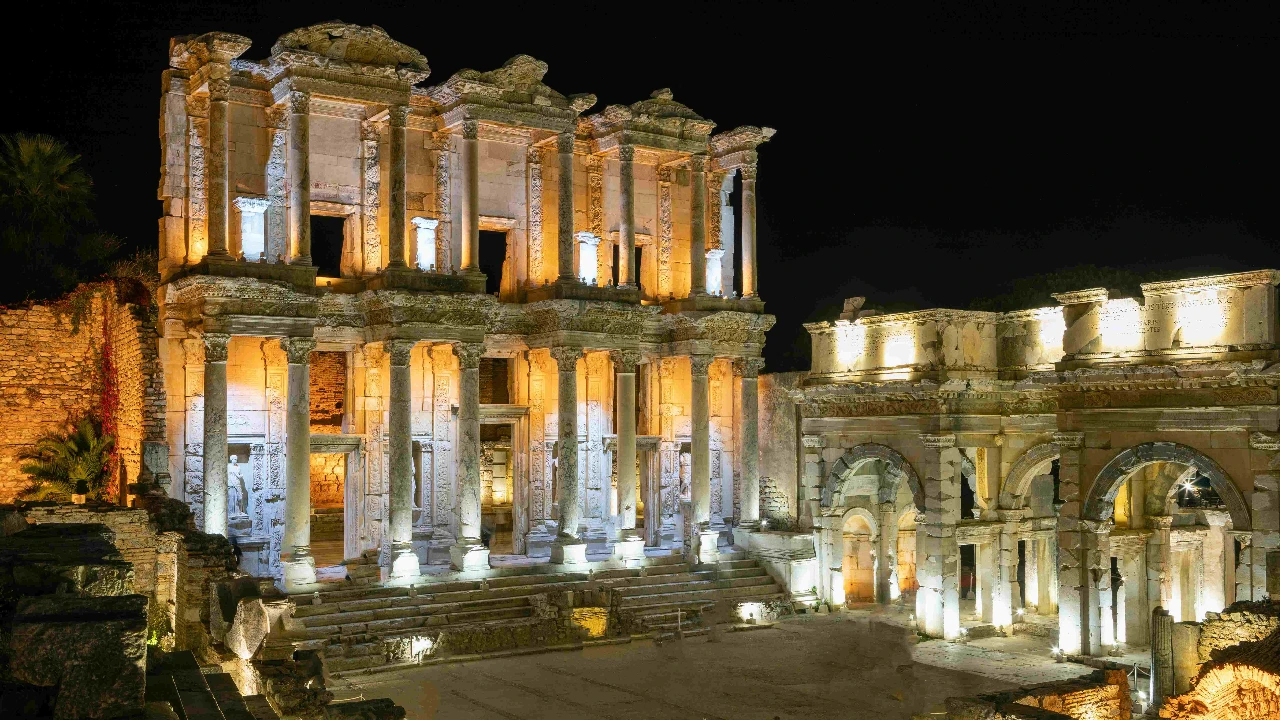
For travelers eager to immerse themselves in the deep-rooted history and artisanal heritage of the Aegean, İzmir Shopping Tours offer a rich commercial journey stretching from antiquity to the present day. From the monumental marble columns of the Ancient City of Ephesus to the vine-covered cobblestone streets of Şirince, this route is a true sanctuary for lovers of handicrafts. Centuries-old carpet weaving traditions, premium leather craftsmanship, the pottery arts of Selçuk, and world-class local olive oil production provide visitors with timeless keepsakes.
Once one of the ancient world's most vital port and trade hubs, Ephesus continues to host elite workshops where master artisans showcase their skills. Meanwhile, Şirince Village captures the warmth of an authentic Aegean market with its grape-harvesting legacy, homemade fruit syrups, and organic olive oil soaps. By booking specialized shopping tours with professional guides, guests can bypass mediocre souvenirs and connect directly with certified local producers.
Quick Facts: Ephesus and Şirince Shopping Route
The following summary table provides all the essential operational details you need before visiting the traditional shopping stops in the Selçuk, Ephesus, and Şirince region.
| Feature | Visitor Quick Summary |
|---|---|
| Region & Route | Selçuk town center, Ephesus archaeological site exit, and Şirince Village bazaar |
| Highlight Products | Silk and wool carpets, leather jackets, ceramic pottery, and olive oil |
| Average Tour Duration | 4 to 5 hours (including workshop demos, tastings, and free shopping) |
| Payment Methods | Turkish Lira (cash), major foreign currencies, and all international credit cards |
| Shipping & Logistics | International insured shipping available for carpets and leather goods |
| Accessibility | Air-conditioned VIP transfers from İzmir city center or Kuşadası port |
Travelers looking to plan a comprehensive cultural experience can explore İzmir cultural tours and historical itineraries. To dive deeper into the history of the ancient city, we recommend our Ephesus Ancient City travel guide and historical site route.
Elite Craft Workshops of Selçuk and Ephesus
Shopping around Ephesus goes far beyond mass-produced trinkets; it is rooted in a profound tradition of hand-craftsmanship. In specialized workshops scattered across the Selçuk plain, masters who have inherited their trade through generations welcome visitors.
Traditional Hand-Woven Turkish Carpets and Kilims
The hand-woven carpets produced in Selçuk and surrounding Aegean villages are living works of art, with every knot weaving in the emotions and stories of Anatolian women. Pure silk and wool yarns, colored with natural root dyes, are woven on looms using the double-knot technique. Workshop presentations often feature live demonstrations of silk being drawn from cocoons. Visitors have the privilege of learning the meanings behind century-old geometric motifs, the "tree of life" symbols, and tulip patterns directly from the experts.
Turkish Leather Art and Bespoke Designs
The Aegean region is world-renowned for its mastery of high-quality lambskin leather. In the elite leather centers near Ephesus, handmade jackets, bags, and shoes are crafted to international fashion standards. In private design rooms, guests can provide their own measurements for custom-tailored pieces. All products are delivered with international export quality certificates.
The Tradition of Selçuk Ceramics and Pottery
In the craft workshops adjacent to Ephesus, ceramics inspired by the Phrygian and Roman eras are produced. Ancient amphora replicas shaped on pottery wheels, Seljuk tiles, and hand-painted plates are fired into collectible pieces. Guests can even try their hand at the wheel under the guidance of master potters to shape their own mini vases from clay.

The Authentic Bazaar and Natural Delights of Şirince Village
Perched about eight kilometers above Ephesus, hidden among olive groves and fig orchards, Şirince Village boasts one of the Aegean's most vibrant open-air markets. Along the narrow, winding cobblestone slopes, shops with wooden shutters overflow with the handmade creations of village women.
As you step into Şirince, the air is filled with the scent of fresh thyme, lavender, and simmering fruit syrups. Stalls in the village square display hand-knitted lace, needlework, linen tablecloths, and hand-carved wooden kitchenware. For food enthusiasts, the extra virgin olive oils, cold-pressed from the locals' own groves, are an absolute must-buy.
Additionally, natural bath soaps boiled in traditional cauldrons from olive oil residue, laurel leaf shampoos, and lavender sachets are favorites for those seeking organic purity. In the historic stone cellars of Şirince, you can taste and purchase traditional fruit-infused beverages made from black mulberry, blackberry, sour cherry, pomegranate, and peach.
Regional Products Comparison: Ephesus and Şirince
The following table compares the standout product groups across different shopping stops, including quality indicators and recommended uses.
| Product Category | Key Features | Quality & Authenticity Criteria | Ideal Storage & Transport |
|---|---|---|---|
| Hand-Woven Silk Carpet | Hereke & Aegean patterns, double-knot, root dye | Expert appraisal, origin certificate, knot density | Rolled in breathable casing or via international shipping |
| Lambskin Leather Jacket | Soft nappa texture, lightweight, premium lining | Stitching quality, scent test, brand quality cert | Carried on a hanger in a protective garment bag |
| Selçuk Ceramics & Plates | Hand-painted traditional motifs, glossy glaze | Artist's signature on base, crack-free kiln glaze | Multi-layered bubble wrap in sturdy boxes |
| Extra Virgin Olive Oil | Low acidity (max 0.8%), cold-pressed | Dark glass bottles or lacquered tin packaging | Store in a cool, dark place with a tight seal |
| Şirince Fruit Beverage | Intense local fruit aroma, traditional fermentation | Natural fruit sediment, registered producer label | Store bottles horizontally at room temperature |
Each product listed carries the rich geographical indication heritage of the region. Making an informed choice significantly increases the value of your purchase.
5 Golden Rules for Smart and Safe Shopping
To manage your budget effectively and ensure you acquire genuine quality while shopping around Ephesus and Şirince, follow these five guidelines:
- Request Certificates of Origin: For high-ticket items like carpets and leather, carefully check the authenticity certificate, material composition, and origin documents provided by the producer.
- Ask for Double Packaging for Glass and Ceramics: To prevent fragile pottery or olive oil bottles from breaking in your luggage, insist on heavy-duty bubble wrap and secure boxing.
- Check Olive Oil Acidity and Packaging: Avoid oils kept in transparent plastic PET bottles under the sun; instead, opt for cold-pressed products in dark glass bottles.
- Taste Before You Buy Fruit Beverages: Sample the different varieties offered in the cellars; choose products that highlight the fruit's natural acidity rather than those with excessive sugary aromas.
- Embrace the Art of Bargaining: In carpet, leather, and ceramic workshops, reasonable and polite negotiation is a respected local tradition.
Practical Tips for Exploring the Şirince Bazaar
To make your shopping experience smoother while enjoying the village, keep these tips in mind:
- Wear non-slip sneakers or comfortable walking shoes to navigate the steep, cobblestone slopes of the village.
- Carry a sufficient amount of small-denomination cash and coins when buying hand-knits or jams from small village stalls.
- If you purchase large carpets or multiple leather items, take advantage of the free customs-cleared shipping services offered by the shops.
- Cap off your shopping spree with a visit to the historic St. John the Baptist Church at the top of the village and a relaxing break with Turkish coffee cooked on sand.
The Living Spirit of Ancient Trade
The route between Ephesus and Şirince is more than just an open-air archaeological museum; it is the modern representative of thousands of years of Aegean trade and production culture. From the Hellenistic period and the Roman Empire to the Seljuk Beyliks and the Ottomans, every civilization that passed through these lands left its mark of taste and mastery on the marketplace.
At the end of the day, a handmade ceramic bowl in your bag or a root-dyed Aegean kilim shipped to your home will bring your travel memories back to life every day. This is why the Ephesus shopping route is the most colorful stop of any Aegean tour for the conscious traveler who wishes to experience and touch history.
Frequently Asked Questions 5
Is shipping available on Ephesus and Şirince shopping tours?
Yes, corporate carpet, leather, and ceramic centers in the Selçuk and Ephesus region provide international insured shipping, delivering large items directly to the guest's home address.
Can Şirince fruit wines and beverages pass through customs?
For international travelers, there are specific liter allowances per person based on airline rules and customs regulations. These can be safely transported in checked luggage along with the purchase invoice.
How can I tell if a traditional Turkish carpet is original?
Original hand-woven carpets are easily identified by the slight irregularities in the knot structure on the back, the vibrancy of the natural root dyes, and the signed certificate of authenticity provided by the workshop.
Are credit cards accepted for shopping?
Visa, Mastercard, and other international credit cards are widely accepted in the corporate stores of Selçuk and the majority of the shops in the Şirince bazaar.
Are there handicraft demonstrations in the workshops around Ephesus?
Yes, in the visited carpet and pottery centers, experts provide live demonstrations of the craft, including silk drawing, loom weaving, and shaping vases on a pottery wheel.