
Shining as one of the twelve ancient cities of Ionia on the Aegean coast, Ephesus (Ephesos) was once the capital of the Roman province of Asia and one of the largest metropolises in the Mediterranean world, boasting a population of over 250,000. As the guardian of the Temple of Artemis, one of the Seven Wonders of the Ancient World, this city represents the pinnacle of ancient urban planning. It features monumental marble streets, the magnificent two-story Celsus Library, a massive ancient theater seating 25,000, and the opulent Terrace Houses, where the Roman elite lived amidst stunning frescoes. However, navigating this sprawling white marble landscape in the summer heat can turn into a grueling uphill climb if you start at the wrong gate. With this professional Ephesus Ancient City Terrace Houses travel guide, we cover everything from the "downhill strategy" via the Magnesia Upper Gate to Terrace House ticketing, shaded routes on Curetes Street, and connections to the House of the Virgin Mary.
Architectural Highlights of Ephesus and the Terrace Houses
Use the summary table below to plan your visit to the city's most iconic monuments and understand entry requirements.
| Monument & Structure | Avg. Visit Duration | Terrain & Walking Conditions | Entry Status | Key Architectural Value |
|---|---|---|---|---|
| Celsus Library | 30 Minutes | Marble steps and courtyard | Included in site ticket | Grand 2-story facade with Corinthian columns |
| Ephesus Terrace Houses | 45–60 Minutes | Steel scaffolding and glass platforms | Separate ticket required | 2,000-year-old mosaics and frescoes |
| Great Ancient Theatre | 40 Minutes | Steep ancient marble steps | Included in site ticket | Incredible acoustics; seats 25,000 |
| Curetes Street | 35 Minutes | Sloped, polished marble road | Included in site ticket | Fountains, statues, and colonnaded walkways |
| Odeon & Upper Agora | 25 Minutes | Flat marble and stone flooring | Included in site ticket | Ancient assembly building for 1,400 people |
| Temple of Hadrian | 20 Minutes | Marble pavement | Included in site ticket | Medusa and Tyche reliefs on the arch |
The Golden Rule: Magnesia (Upper Gate) vs. Lower Gate
The most critical tip for preserving your energy is to start your tour at the Magnesia Upper Gate. By entering here, you will walk downhill through the entire archaeological site, finishing at the Lower Gate near the Great Theatre. Those who enter through the Lower Gate are forced to climb the steep marble slopes under the scorching sun. You can explore our curated ancient city tours departing from Kusadasi for a seamless experience.
The Terrace Houses: Luxury Residences of the Ancient World
The Terrace Houses, where the city's wealthiest families resided, rival Pompeii in quality, featuring underfloor heating systems, marble bathrooms, and vibrant mythological wall frescoes. This area is protected by a specialized roof structure and requires a separate entrance ticket.
Ephesus Walking Axes and Logistics Schedule
Find the walking times for the 2-kilometer route stretching from the Upper Gate to the Lower Gate in the table below.
| Start & End Point | Distance | Avg. Walking Time | Terrain & Incline | Key Landmark on Route |
|---|---|---|---|---|
| Upper Gate -> Odeon & Senate | 200 Meters | 3 Minutes | Flat marble paving | Prytaneion and the Sacred Fire Pit |
| Odeon -> Hercules Gate | 300 Meters | 4 Minutes | Flat with slight incline | Domitian Square and Pollio Fountain |
| Hercules Gate -> Curetes Street | 350 Meters | 8 Minutes | Sloped, polished marble | Trajan Fountain and Scholastica Baths |
| Curetes -> Celsus Library | 200 Meters | 4 Minutes | Marble street junction | Library courtyard and Mazaeus Gate |
| Celsus -> Marble Road -> Theatre | 400 Meters | 6 Minutes | Wide, flat ancient marble road | Commercial Agora and ancient footprints |
| Theatre -> Harbor Street / Exit | 450 Meters | 6 Minutes | Dirt and stone path with trees | Arcadiane Street and theater cafe |
Watch Your Step: Slippery Marble Surfaces
The marble blocks on Curetes Street have been polished to a mirror-like shine by millions of footsteps over thousands of years. This can be extremely slippery, especially on rainy days or if you are wearing smooth-soled shoes; we highly recommend rubber-soled walking shoes. For more cultural adventures, check out our Kusadasi culture tours and historical routes.
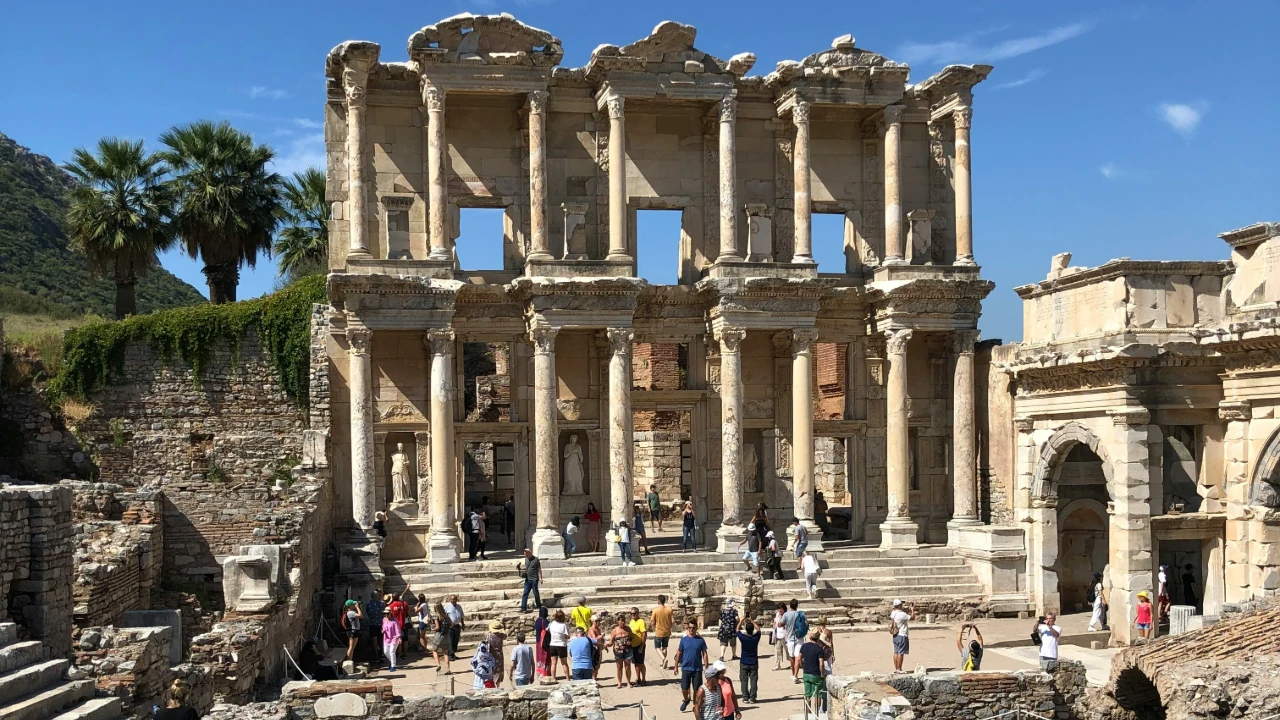
The Celsus Library Facade and the 4 Virtues
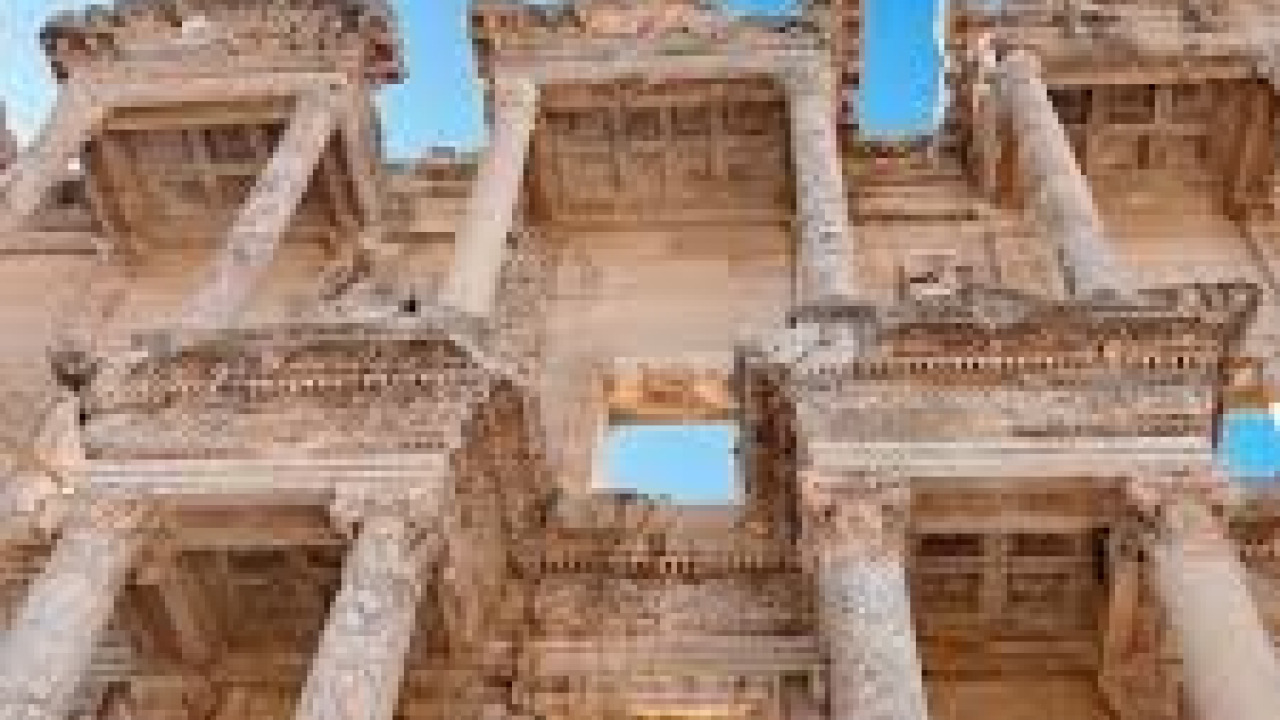
The statues located in the niches of the library facade, Sophia (Wisdom), Arete (Virtue), Ennoia (Intelligence), and Episteme (Knowledge), are the stone embodiments of ancient Roman philosophical values.
A Step-by-Step One-Day Ephesus Itinerary
To experience the historical depth of the city most efficiently, follow this 5-stage daily plan.
- 08:30 AM: Enter the site via the Magnesia Upper Gate to explore the Odeon and Curetes Street before the large tour buses arrive.
- 09:30 AM: Head into the protected Ephesus Terrace Houses to examine the Roman mosaics and frescoes from the elevated walkways.
- 10:30 AM: Take iconic photos in front of the Celsus Library and walk down the Marble Road to reach the 25,000-seat Great Theatre.
- 12:00 PM: Exit through the Lower Gate and enjoy a traditional lunch in Selçuk, famous for its local meatballs (köfte) or kebab shops.
- 02:00 PM: Conclude your day by visiting the House of the Virgin Mary on Bülbüldağı Hill, followed by the historic village of Şirince, renowned for its stone houses.
Visiting the House of the Virgin Mary
Located just 7 kilometers from Ephesus on the slopes of the mountains, the House of the Virgin Mary is a sacred pilgrimage site for the Christian world. The wish wall and holy water fountains below the house are major draws for visitors. See our Kusadasi historical city tours and surrounding routes for more options.
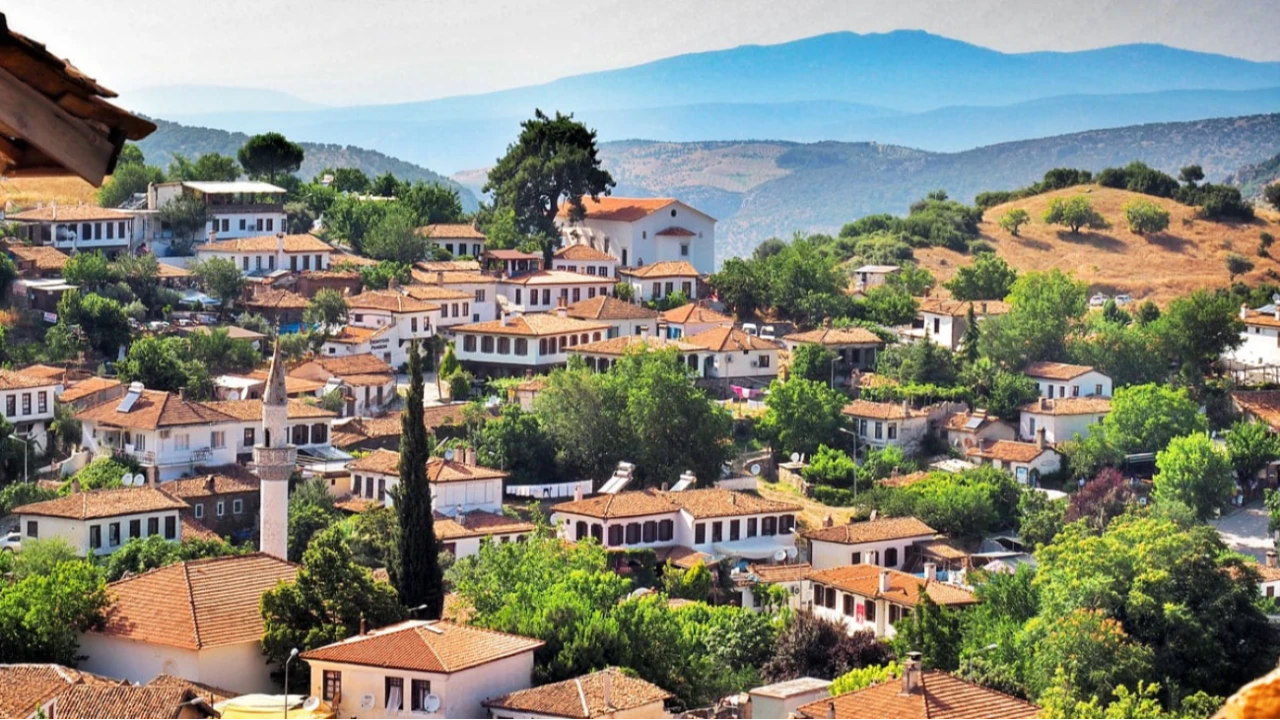
Şirince Village and Fruit Wines
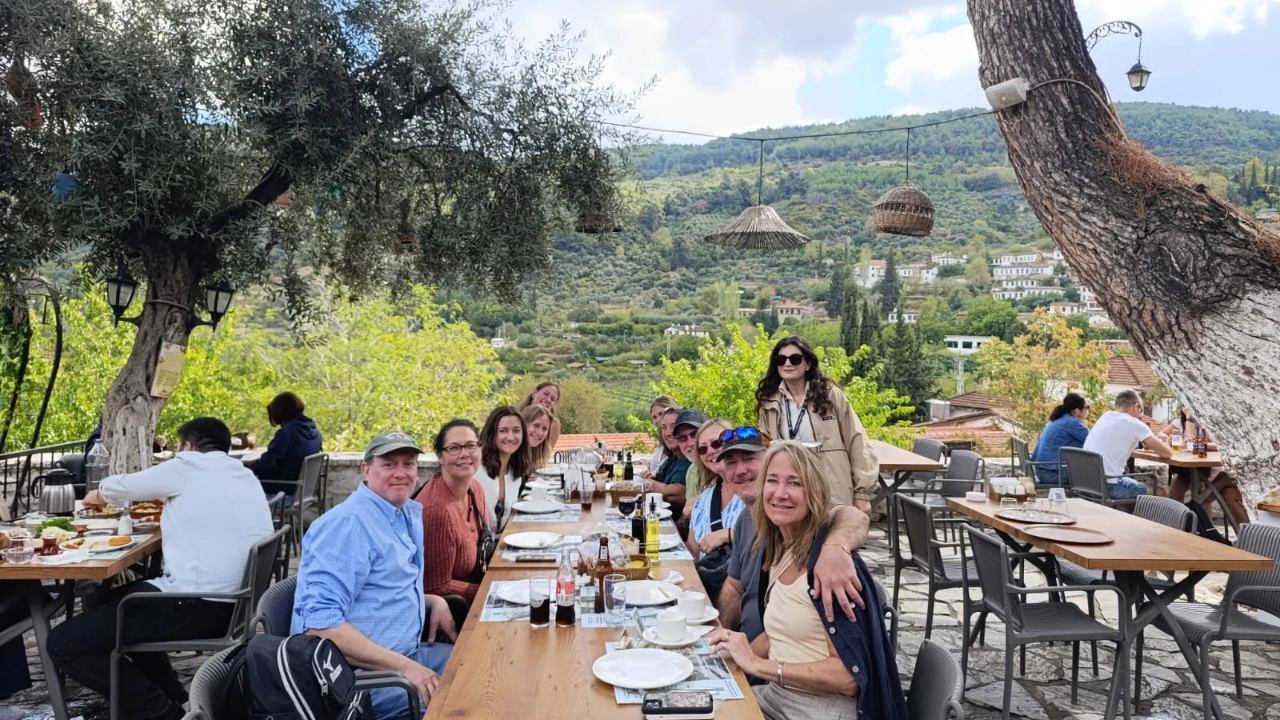
Combining your Ephesus tour with a visit to the historic Greek village of Şirince in the hills of Selçuk is the perfect way to end the day, offering charming stone streets and local fruit wines to sample.
Professional Archaeology and Guiding Options
Walking through the streets of Ephesus with an expert guide brings the stone inscriptions and mythological symbols to life.
Night Museology and Illuminated Ephesus
With the night museology project launched for the summer months, the Celsus Library and the streets are illuminated with special LED lighting. For those looking to escape the daytime heat, night tours offer a completely different atmosphere.
Boutique Cruise Ship Excursions
For guests arriving on the massive cruise ships at Kusadasi Port, our private guided tours with port transfers optimize every minute of your time. For day trip itineraries, please browse our Kusadasi day culture tour catalog.
Essential Field Tips for Your Ephesus Visit
Protect your health and comfort from the intense sun reflecting off the white marble with these critical tips.
- There is very little shade in the large marble plazas; please wear a wide-brimmed hat, UV-protected sunglasses, and plenty of sunscreen.
- Because the site is quite large, carry at least 1.5 liters of water; water sales near the library are limited.
- The Museum Pass is valid for the main archaeological site, but please note that the Terrace Houses require an additional ticket.
- If using a taxi or a tour, ask your driver to drop you off at the Upper Gate and pick you up at the Lower Gate.
- To preserve the historical fabric, it is strictly forbidden to sit or lean on the ancient stones and marble columns.
Best Lighting for Photography Enthusiasts
Since the Celsus Library faces east, it receives the clearest, shadow-free light between 08:30 AM and 10:30 AM. The Great Theatre, on the other hand, offers dramatic lighting in the afternoon as the sun moves west. Explore more options on our Kusadasi tours and holiday trips page.
The Selçuk Ephesus Archaeological Museum
The original Artemis statue and the Priapus figurine excavated from the site are displayed at the Archaeological Museum in the center of Selçuk. Visiting this museum after your site tour helps bring the ruins to life.
Other Major Ancient Treasures Near Ephesus
There are several other historical stops you should consider in the Selçuk region.
Ruins of the Temple of Artemis
Though only one prominent column remains today, the Temple of Artemis was once one of the Seven Wonders of the Ancient World and holds immense historical significance.
Basilica of St. John and Ayasuluk Castle
The massive ruins of the basilica, believed to be built over the tomb of the Apostle John, and the Seljuk castle behind it offer a magnificent panoramic view.
Frequently Asked Questions 5
Which gate should I use to enter Ephesus Ancient City?
You should specifically enter through the Magnesia Upper Gate. This allows you to walk downhill through all the marble streets and exit conveniently through the Lower Gate.
Is the Museum Pass valid in Ephesus?
Yes, the Museum Pass is valid for entry to the Ephesus Archaeological Site. However, an additional ticket is required for the Terrace Houses, which contain the famous mosaics and frescoes.
How long does a tour of Ephesus Ancient City take on average?
A detailed tour starting from the upper gate and covering the main streets, Terrace Houses, Celsus Library, and the Great Theatre takes approximately 3 to 3.5 hours.
Is it worth visiting the Ephesus Terrace Houses?
It is absolutely worth it. The Terrace Houses are the richest area for seeing the daily lives of the ancient Roman elite, featuring original floor mosaics, baths, and wall frescoes.
How do I get to Ephesus from Kusadasi center?
You can reach the Ephesus junction in about 20 minutes via dolmuş (minibus) heading toward Selçuk; alternatively, taxis or guided transfer tours can drop you directly at the Upper Gate.