
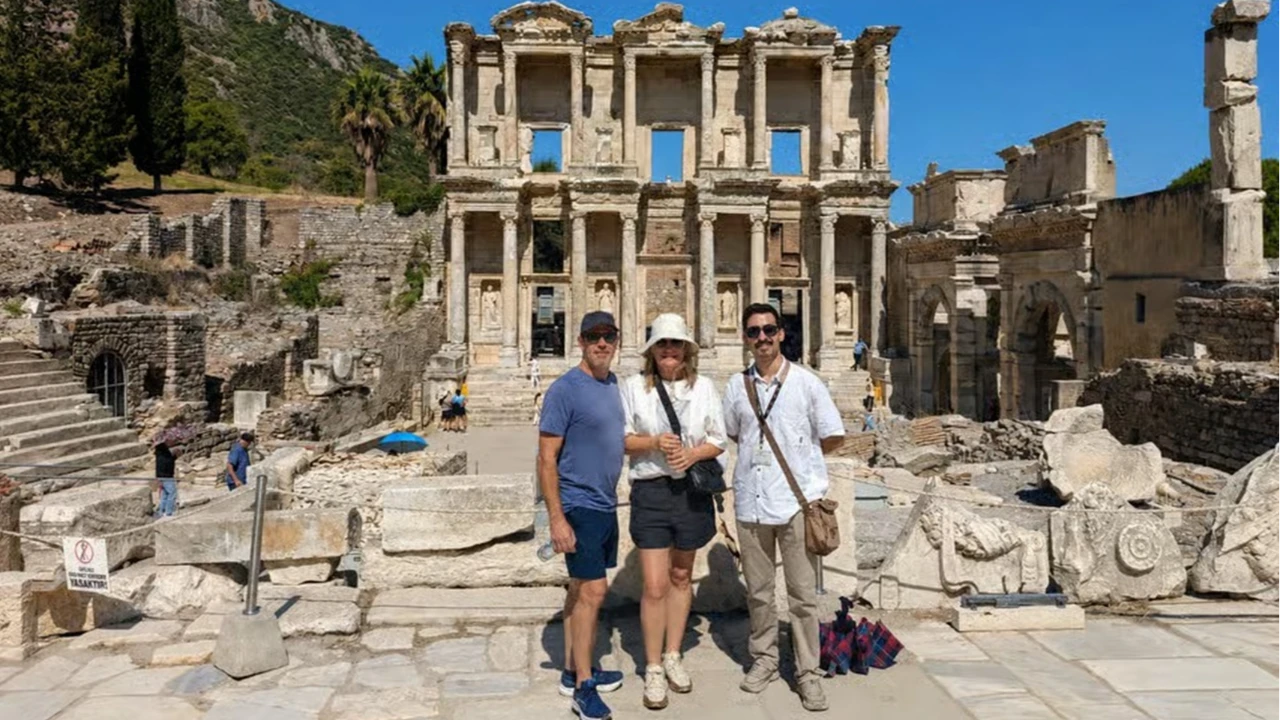
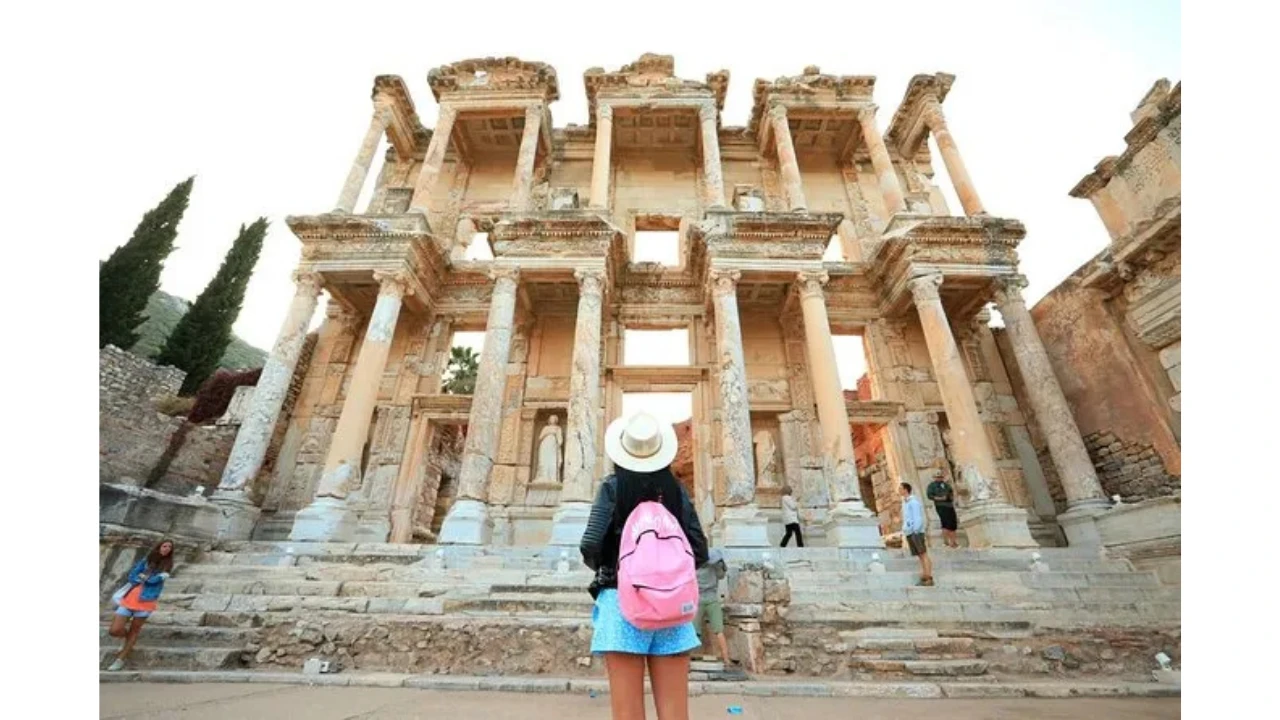
Once one of the most influential metropolises of the ancient world, Ephesus is a breathtaking UNESCO World Heritage site that transports visitors back to the Golden Age. With its sprawling marble avenues, this city served as the Mediterranean's epicenter for trade, philosophy, and religion, evolving from the Ionian period through the height of the Roman Empire. Today, it stands as a living open-air museum, where the monumental architecture tells a story of power and intellect, most notably seen in the elegant, two-story facade of the Celsus Library.
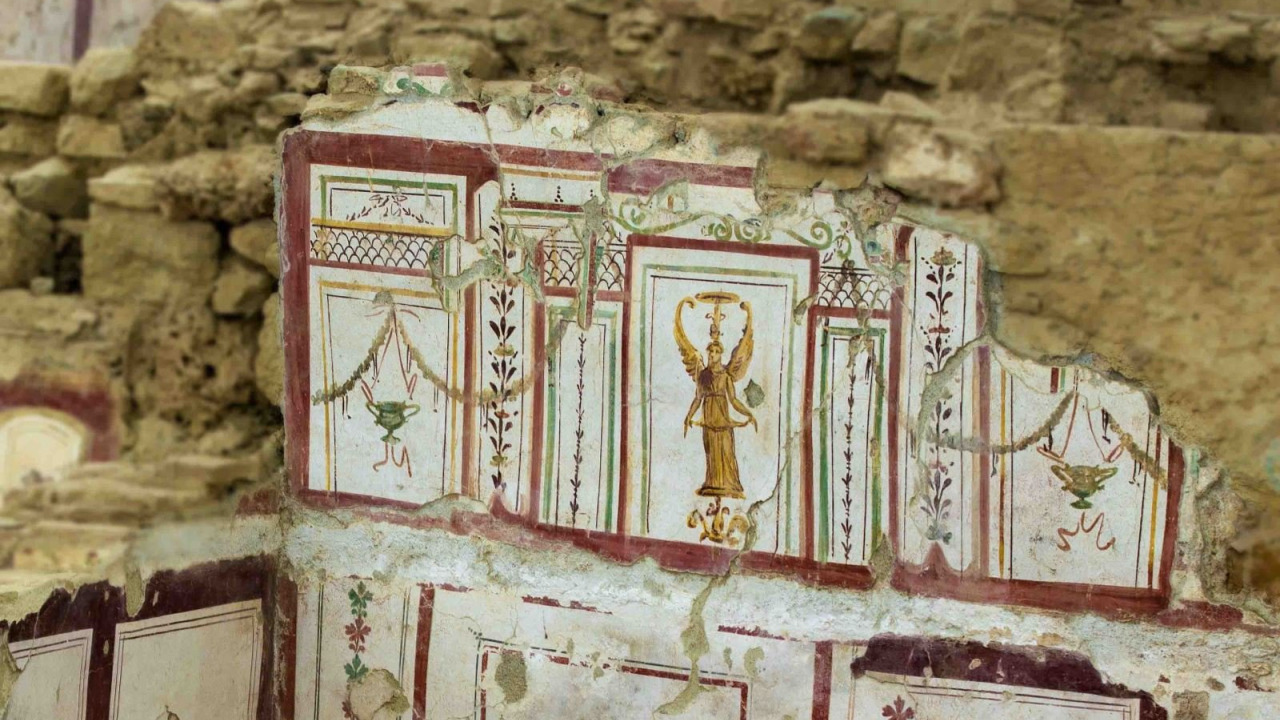
The true crown jewel of any visit to Ephesus is undoubtedly the Terrace Houses. These opulent villas, once home to the Roman elite, are now preserved under a modern protective canopy. From intricate floor mosaics and vivid wall frescoes to sophisticated underfloor heating systems, these homes offer a rare glimpse into the luxury of daily life two millennia ago. When explored with professional guides, these ruins come alive, weaving together mythological tales and historical truths hidden beneath the marble.
Quick Facts: Visiting Ephesus and the Terrace Houses
Located in the Selçuk district of İzmir, the Ephesus Archaeological Site opens its gates early to welcome travelers from around the globe. The most efficient route typically begins at the Magnesia Gate (upper entrance), winding downhill past the Celsus Library and the Great Theatre toward the lower exit. The table below provides a practical summary for your trip planning.
| Feature | Visitor Quick Summary |
|---|---|
| Location | Selçuk, İzmir (approx. 20 km from Kuşadası) |
| Must-See Landmarks | Celsus Library, Great Theatre, Terrace Houses, Temple of Hadrian |
| Recommended Duration | 3.5 to 4.5 hours (including the Terrace Houses) |
| Museum Status | Ministry of Culture and Tourism Site (MuseumPass valid) |
| Terrace Houses Access | Special protected zone (requires a separate ticket/supplement) |
| Best For | History buffs, art lovers, students, families, and cultural explorers |
Inside the Terrace Houses, glass walkways allow visitors to hover directly over ancient mosaics, offering a unique perspective on ongoing archaeological restoration. To beat the Mediterranean heat and avoid the crowds, we highly recommend arriving as early as possible. You can experience the majesty of the ancient world with expert storytelling through our Ephesus ancient city museum tours.
Monumental Masterpieces: What to See in Ephesus
The miles of marble-paved streets in Ephesus are lined with structures that represent the pinnacle of ancient architecture and sculpture. These monuments provide a tangible understanding of how political, social, and commercial life functioned in a Roman provincial capital.
The following highlights are essential stops on any itinerary, offering both profound historical insight and stunning photographic opportunities.
The Celsus Library and the Marble Road
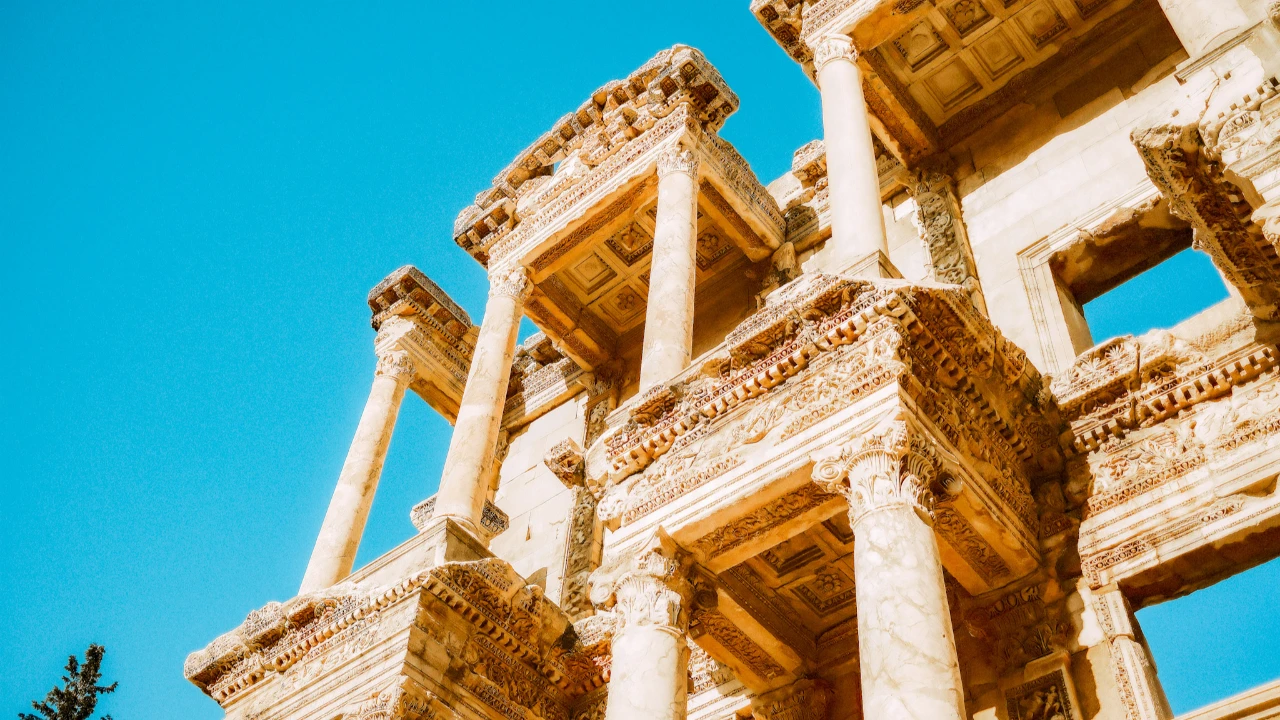
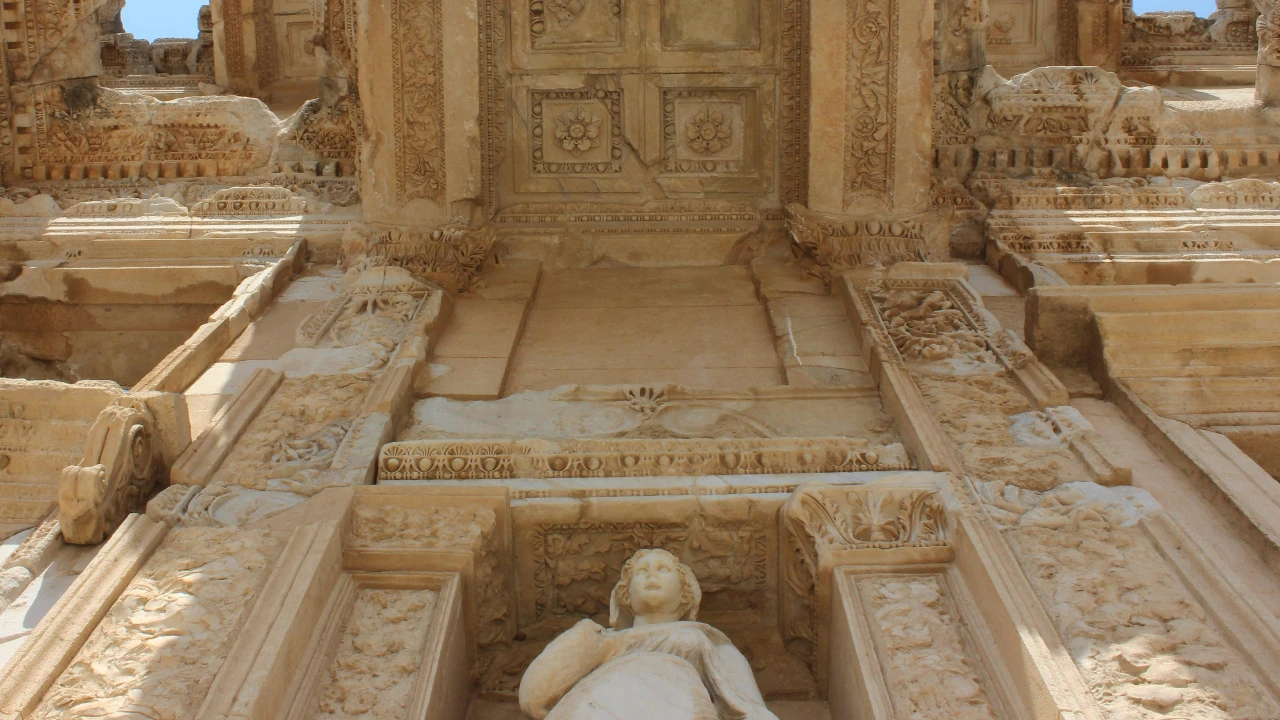
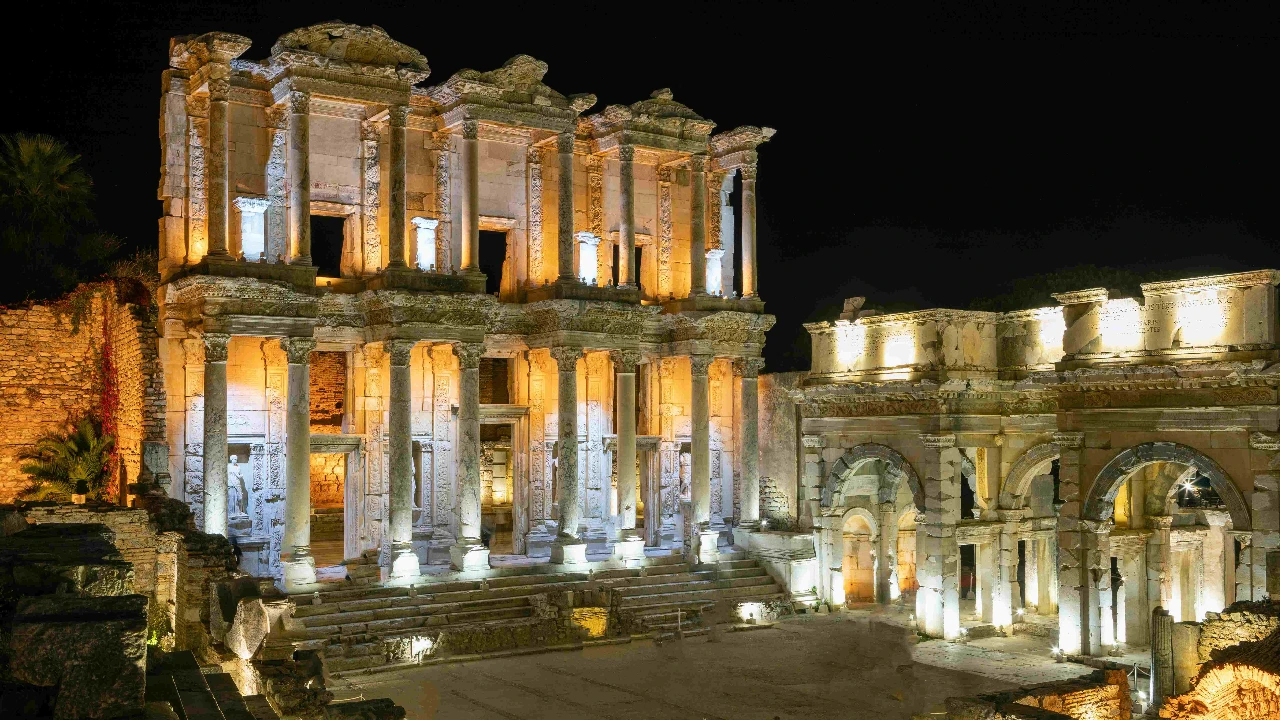
Built in 117 AD by the son of Tiberius Julius Celsus, a consul of the Roman province of Asia, this library was the third largest in the ancient world, following Alexandria and Pergamon. The stunning two-story facade is adorned with four female statues symbolizing Wisdom, Knowledge, Virtue, and Understanding.
The architectural symmetry of the marble columns was intentionally designed with optical illusions to make the building appear wider and more imposing than it actually is. Leading up to the library is the Marble Road, one of the city's main arteries, where you can still see the ruts worn into the stone by ancient chariot wheels.
The Terrace Houses (Domus) and Exquisite Mosaics
Built on the slopes of Bülbüldağı, the Terrace Houses were the peristyle mansions of the wealthy Ephesians and Roman aristocrats. Each home features a central courtyard and floors decorated with vibrant geometric and mythological mosaics.
The marble wall cladding, detailed frescoes, and advanced plumbing systems prove the Roman Empire's engineering genius. The use of terracotta pipes to circulate hot air (hypocaust system) and centralized sewage lines demonstrate a level of comfort far ahead of its time. As you walk across the glass bridges, you can observe the meticulous restoration work still in progress.
The Great Theatre and the Harbor Street (Arkadiane)
Carved into the slope of Panayır Mountain, the Great Theatre of Ephesus is one of the largest open-air theaters of antiquity, with a capacity of 25,000 spectators. From gladiator battles to pivotal political assemblies, this venue has witnessed the most dramatic moments of history.
Stretching from the theatre toward the ancient harbor is the Arkadiane (Harbor Street). Once illuminated by lanterns, it was one of the first paved streets in the world. This monumental road, where kings and ambassadors were welcomed upon their arrival by sea, symbolizes the city's powerful connection to maritime trade.
The geometric mosaics found on the floors of the Terrace Houses reflect the superior aesthetic taste of the era. Colorful stones depicting gladiator fights, sea creatures, and mythological gods have remained vivid for two thousand years. Meanwhile, the frescoes on the walls, showing lion hunts and nature scenes, shed light on the noble lifestyle of the time.
Along Curetes Street, the monumental fountains showcase the city's brilliance in water architecture. Ancient inscriptions and imperial decrees carved into marble blocks give visitors the feeling that the stones themselves are speaking. Walking this street with a guide makes it easy to imagine the daily hustle and bustle of the Roman world.
When you climb to the highest tiers of the Great Theatre, the entire Harbor Street and the ancient harbor plain unfold before you. The theater's acoustic design is so precise that even a whisper on stage can be heard clearly in the top rows. This massive stone structure, where the voices of history's greatest orators and thinkers once echoed, is the unforgettable climax of any Ephesus visit.
Step-by-Step Itinerary for Ephesus and the Terrace Houses
To see all the major landmarks without exhaustion, we recommend starting at the upper gate and working your way down.
- Entry via Magnesia Gate: Enter at 08:30 AM; explore the State Agora and the Odeon (Concert Hall).
- Stroll down Curetes Street: Walk the colonnaded way to see the Trajan Fountain, the Temple of Hadrian, and the Latrines (ancient toilets).
- Discover the Terrace Houses: Enter the protected canopy area to spend about an hour admiring the mosaics, frescoes, and heating systems of the Roman villas.
- Celsus Library and Commercial Agora: After exiting the Terrace Houses, take a break at the monumental facade of the library before heading to the Commercial Agora.
- Great Theatre and Lower Gate Exit: Visit the 25,000-seat theatre to test its acoustics, photograph the Harbor Street, and exit through the lower gate.
Comparative Analysis of Ephesus' Main Sections
The various structures within the site complement each other, creating a rich tapestry of urban function and artistic value.
| Structure / Section | Period & Function | Architectural Highlight | State of Preservation |
|---|---|---|---|
| Celsus Library | 2nd Century AD / Library & Monument | Two-story marble facade columns | High (Restored) |
| Terrace Houses | 1st-7th Century AD / Luxury Housing | Floor mosaics, wall frescoes | Excellent preservation |
| Great Theatre | Hellenistic & Roman / Theatre | Massive 25,000-seat cavea | Very good condition |
| Temple of Hadrian | 2nd Century AD / Imperial Monument | Tyche relief on the entrance arch | Quite good |
Each of these monuments reflects the lavish lifestyle of a Roman provincial capital. To discover other nearby gems, feel free to explore our Kuşadası and Aydın sightseeing page.
Practical Tips for Your Visit to Ephesus
Since the Ephesus Archaeological Site is a vast open-air area, a few precautions will make your visit much more comfortable.
- Footwear: The marble stones have become slippery over centuries of wear; wear sturdy walking shoes with good grip.
- Sun Protection: Shade is limited. Especially in summer, a hat, sunglasses, and sunscreen are essential.
- Hydration: You will walk approximately 3 kilometers; ensure you carry plenty of drinking water.
- Guidance: Joining a guided tour or renting an audio guide is highly recommended to unlock the mythological and historical secrets of the ruins.
- Tickets: Note that the Terrace Houses often require a separate fee. MuseumPass holders should check the current supplementary rules.
Pro Photography Tip: The morning light hitting the Celsus Library illuminates the architectural details perfectly. Wide-angle lenses are ideal for capturing the full scale of the theatre and the library.
After exploring Ephesus, you can enrich your itinerary by visiting the House of the Virgin Mary and the Isa Bey Mosque in Selçuk. For more historical itineraries, check out our İzmir historical and cultural routes guide.
Visiting Hours and Getting to Ephesus
The restoration laboratory beneath the protective roof of the Terrace Houses is a living science workshop for archaeology enthusiasts. Watching expert restorers piece together thousands of tiny mosaic tiles under a microscope is a mesmerizing experience. These meticulous efforts ensure that the opulent residential culture of antiquity is passed down to future generations.
The Ephesus Museum, located in the center of Selçuk, houses the original statues and gold jewelry excavated from the site. The multi-breasted Statue of Artemis (symbol of fertility) and the bust of Priapus are among the museum's most prized masterpieces. Visiting the museum after the ruins provides a complete understanding of the artistic wealth of the Ephesian civilization.
Visiting Hours: - Summer Season (April 1 – October 31): 08:00 AM – 07:00 PM - Winter Season: 08:30 AM – 05:30 PM - Night Museum: In recent years, "Night Museum" initiatives have allowed visitors to explore the main arteries under special LED lighting during summer evenings.
Transportation: Ephesus is 3 km from Selçuk center, 20 km from Kuşadası, and approximately 60 km from İzmir Airport. Regular minibuses run from the Selçuk bus station to the site entrance. For maximum comfort, we recommend organized day tours from Kuşadası or İzmir, which include door-to-door hotel transfers.
Frequently Asked Questions 5
Is the MuseumPass valid at the Ephesus Ancient City?
Yes, the MuseumPass is valid for entry to the main archaeological site for citizens and tourists; however, a separate ticket may be required for the Terrace Houses section.
How long does a visit to Ephesus take?
A walk through the main ruins typically takes about two hours. If you include the Terrace Houses and the Ephesus Museum, plan for a total of four hours.
Is Ephesus stroller-friendly?
Strollers can be used on the main marble roads. However, the stepped areas and the narrow stairs inside the Terrace Houses will require you to carry the stroller.
Why are the Terrace Houses under a roof?
The protective canopy was constructed to prevent rain, wind, and UV rays from damaging the delicate frescoes and ancient mosaics.
Are there night tours in Ephesus?
Yes, during the summer months, night tours are organized on specific days, allowing you to explore the city in the cool evening air under LED illumination.