
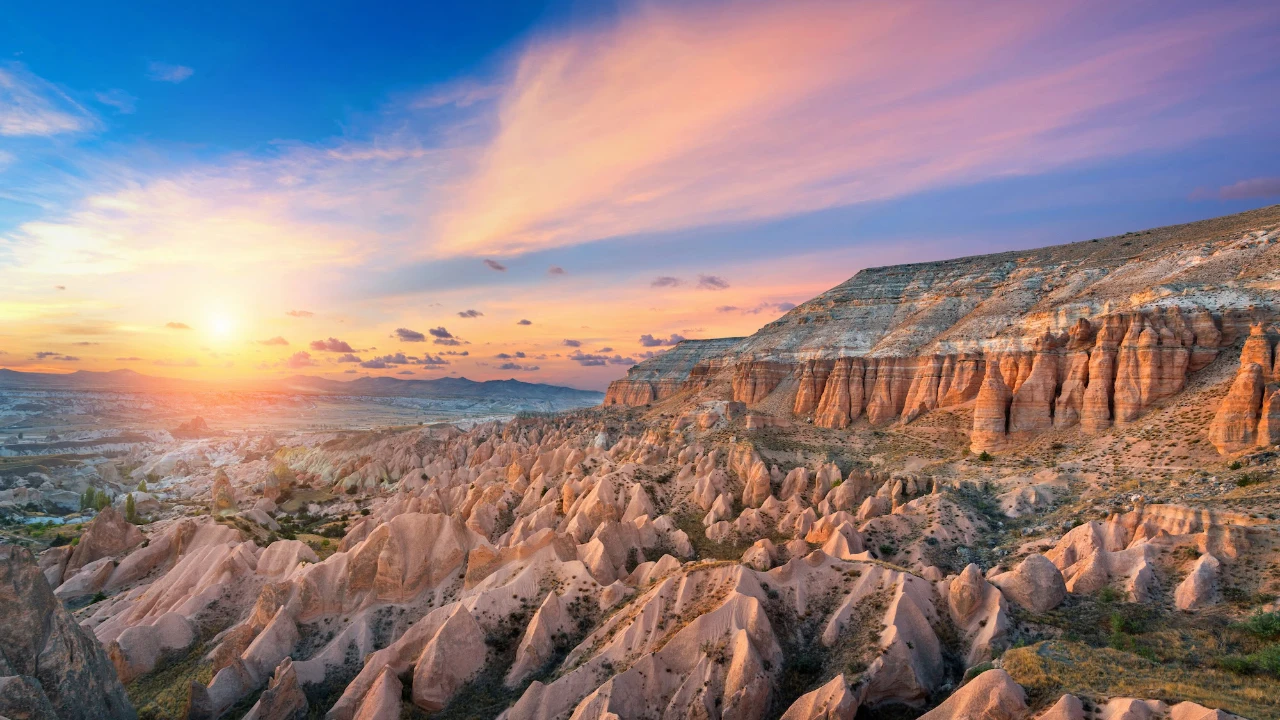
Cappadocia is a geographical masterpiece, sculpted over millions of years by volcanic eruptions and the patient hand of nature. With its ethereal fairy chimneys, sprawling underground cities, and rock-cut churches, the region offers more than just a breathtaking landscape; it has become a powerhouse that shapes the trajectory of Turkish tourism, balances the national economy, and elevates the country's cultural profile. In this article, we move beyond the typical travel guide to examine Cappadocia's pivotal role in Turkey's tourism and economic landscape.
At Travel Tour Shop, our team operates on the ground, giving us a front-row seat to the region's allure. This allows us to look past the magic and understand the intricate tourism economy that keeps this region thriving.
Cappadocia's Position in Turkish Tourism and Brand Value
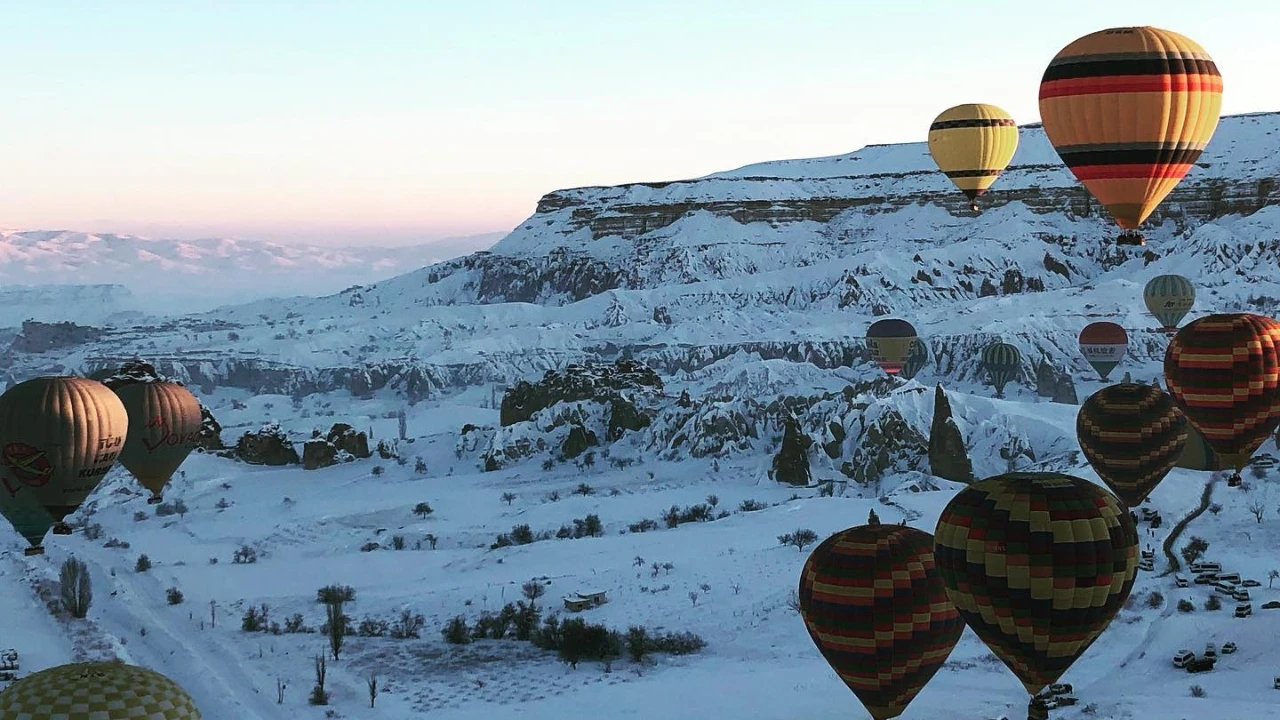
For decades, the global perception of Turkish tourism was largely defined by the "sun, sea, and sand" triangle. Cappadocia was the primary force that broke this stereotype. Unlike coastal tourism, which is often concentrated in the summer months, Cappadocia attracts visitors year-round, effectively spreading Turkey's tourism calendar across all four seasons.
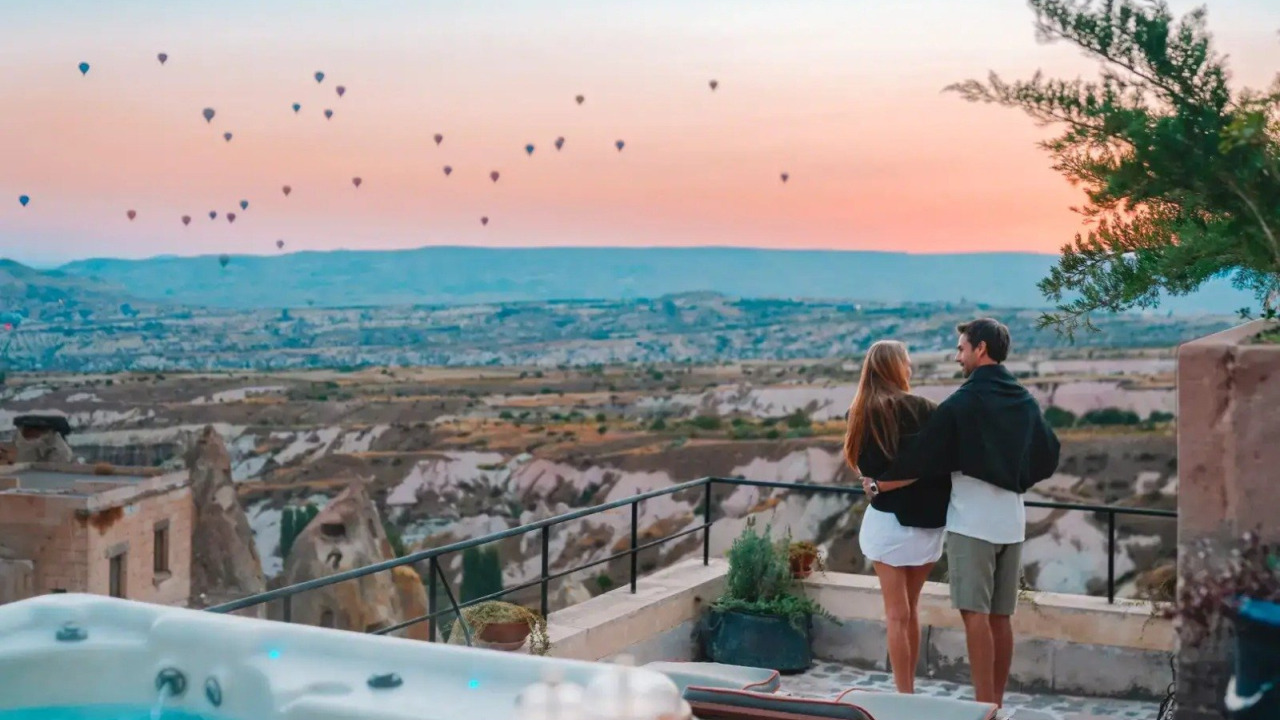
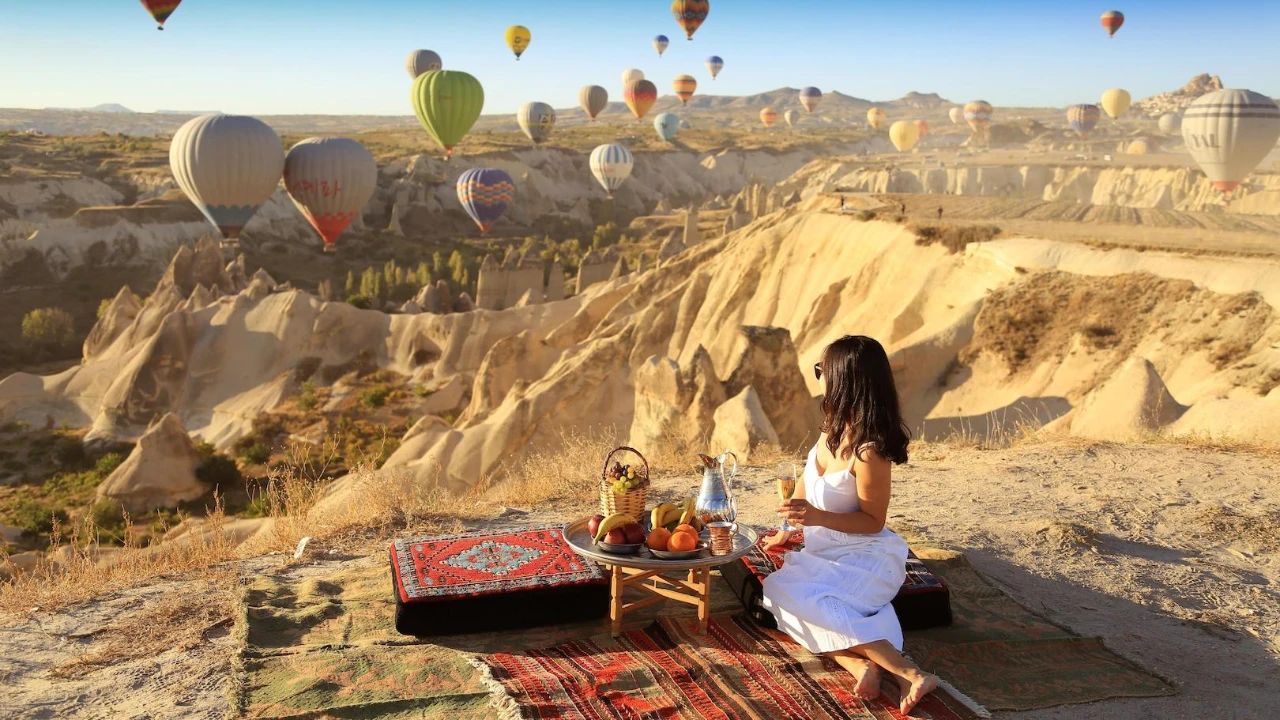
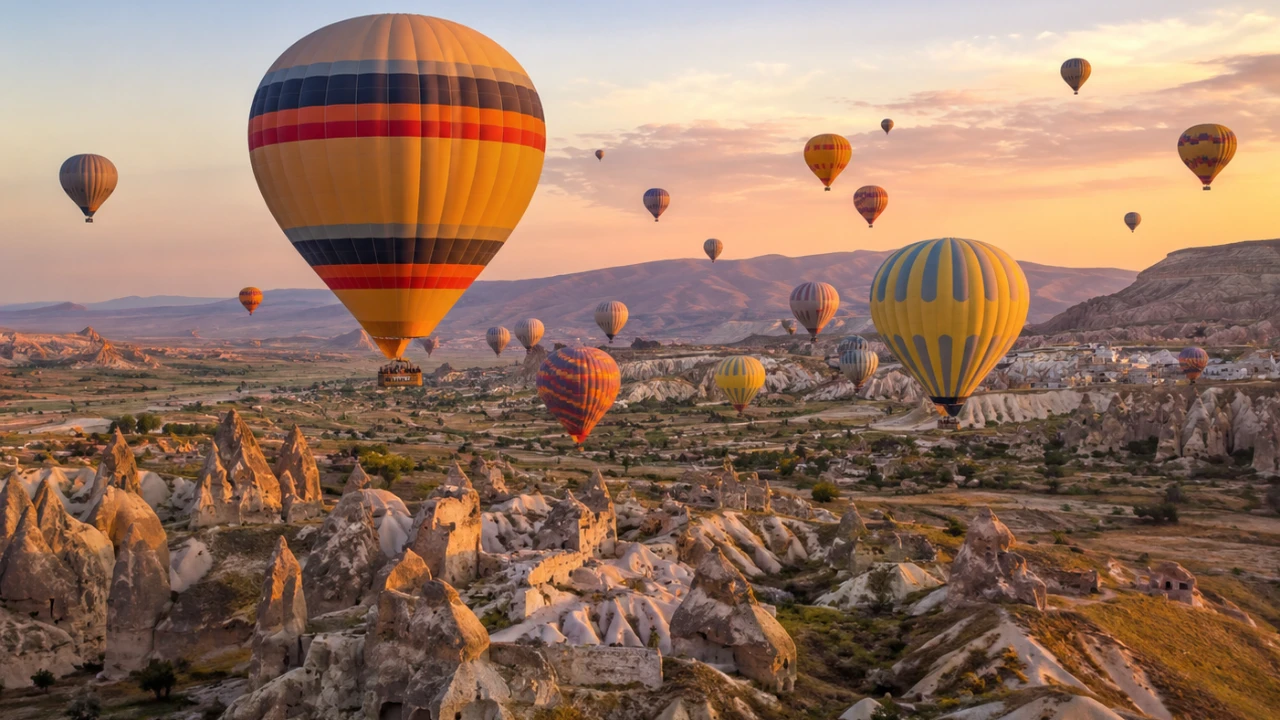
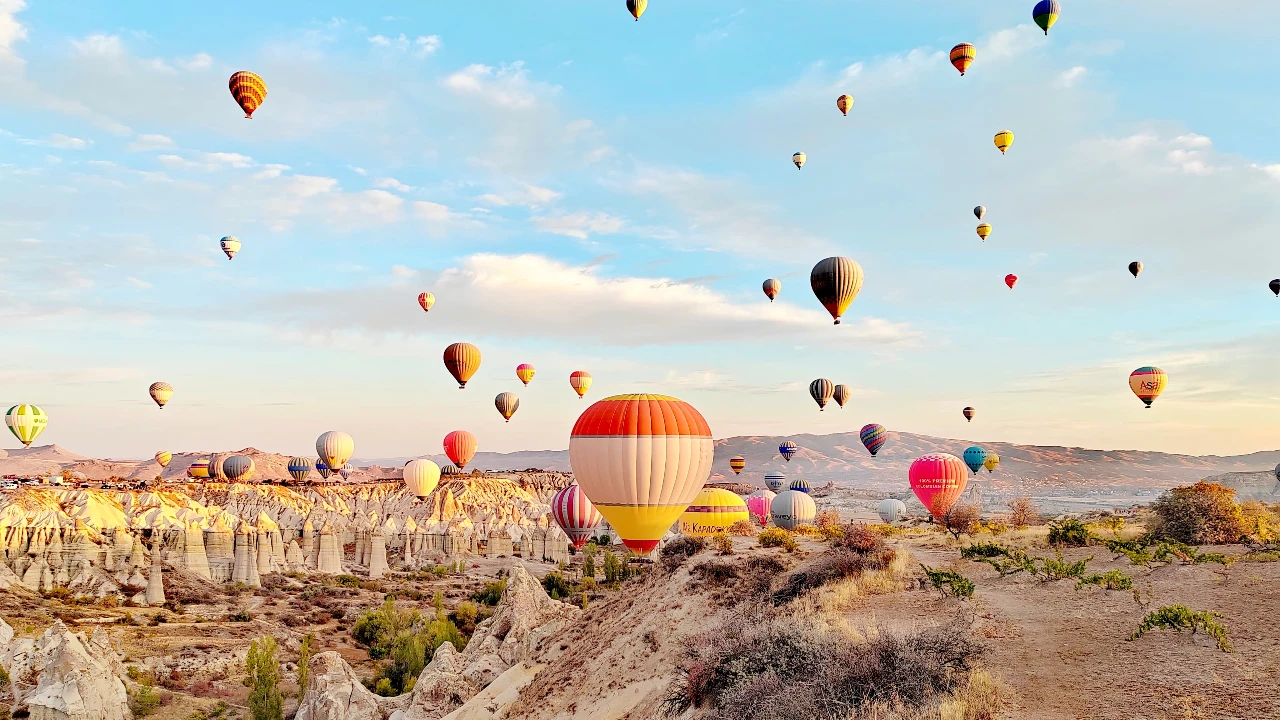
In terms of international recognition, Cappadocia is one of the few visual symbols that instantly represents Turkey. The image of hot air balloons filling the sky at sunrise has become a global icon. This visual power generates value far beyond any marketing budget; every visitor becomes a voluntary brand ambassador, sharing the region's beauty across their own social networks.
A Sustainable Alternative to Coastal Tourism
Cappadocia proves that cultural and nature-based tourism can be economically sustainable. Visitors don't come here simply to relax; they seek multifaceted experiences encompassing history, geology, gastronomy, and faith-based tourism. This diversity prevents spending from being limited to a single sector, ensuring that the economic benefits are distributed across a broader base of local providers.
Economic Impact: Employment, Local Development, and Revenue
The relationship between tourism and the economy is vividly apparent in Cappadocia. The region supports an extensive service chain, ranging from luxury accommodation and transport to professional guiding and traditional handicrafts. The revenue left by a single visitor doesn't stay with one business; it ripples through a chain that includes hotel staff, balloon pilots, restaurant chefs, pottery masters, and travel planners.
The following table summarizes how Cappadocia's tourism fuels the local economy:
| Economic Sector | Form of Contribution |
|---|---|
| Accommodation | Investment and employment in cave hotels and boutique stays |
| Experience Tourism | Service revenue from balloons, ATV tours, and horse safaris |
| Handicrafts | Sales of Avanos pottery and regional artisanal products |
| Gastronomy | Market growth for local restaurants and boutique wineries |
| Transport & Transfers | Airport connections and regional transit services |
Employment and the Youth Population
In Nevşehir and the surrounding areas, tourism is a vital source of employment. Opportunities in guiding, hospitality, and activity operations provide the younger generation with a reason to stay and build their careers locally. This serves as a crucial stabilizer, slowing the trend of rural-to-urban migration often seen in other provinces.
Local Artisans and Grassroots Development
The financial gains of Cappadocia are not reserved for large hotel chains. Pottery workshops in Avanos, wineries in Ürgüp, and family-run guesthouses in small villages all share in the tourism revenue. This structure promotes a model of development that empowers the grassroots rather than just the center.
"Invisible Exports" and Foreign Exchange
Tourism is often described as an "invisible export." When an international guest visits Cappadocia, their spending on accommodation, dining, souvenirs, and activities brings foreign currency directly into the country. Unlike traditional exports, the product isn't shipped abroad; the guest comes to the source to purchase the experience. This provides a stable stream of foreign exchange for the regional economy.
Beyond the financial influx, Cappadocia acts as a powerful promotional tool. A visitor who has an unforgettable experience in the region returns home and speaks not only of Cappadocia but of Turkey as a whole. This word-of-mouth advocacy creates a brand value that no advertising budget can easily buy, turning a regional destination into a showcase that drives tourism demand nationwide.
The Ripple Effect of Hot Air Balloon Tourism
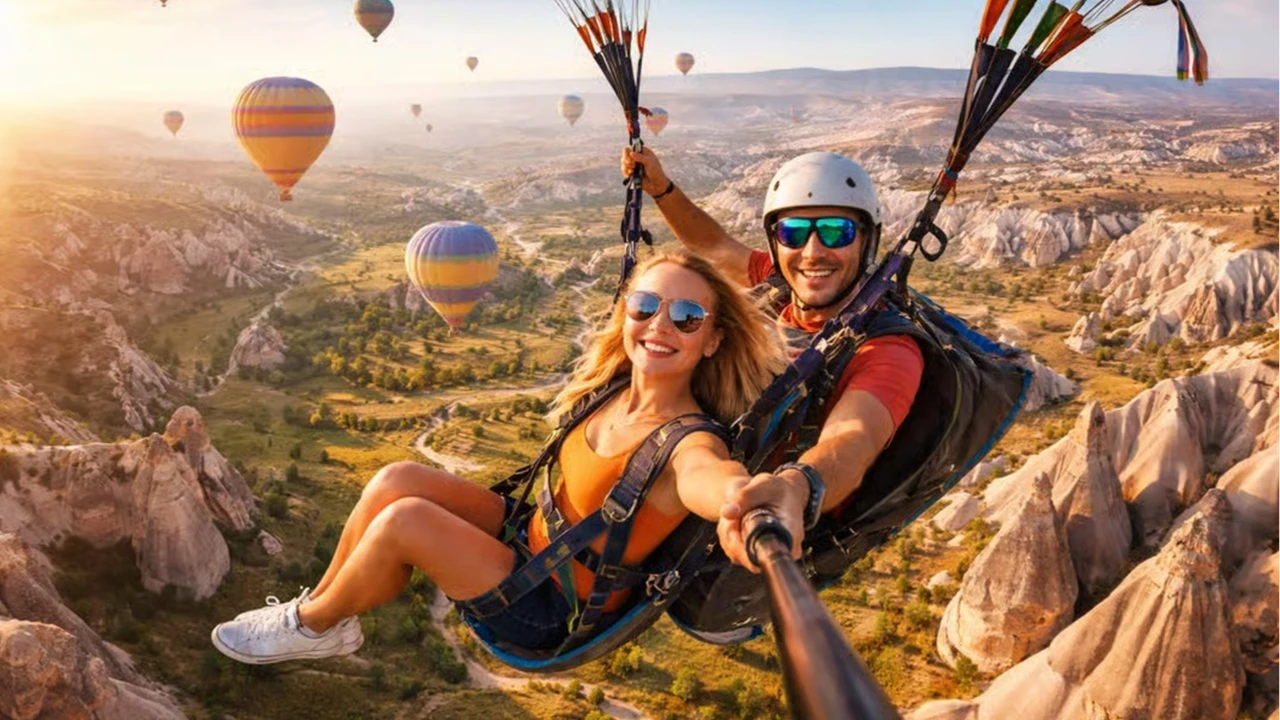
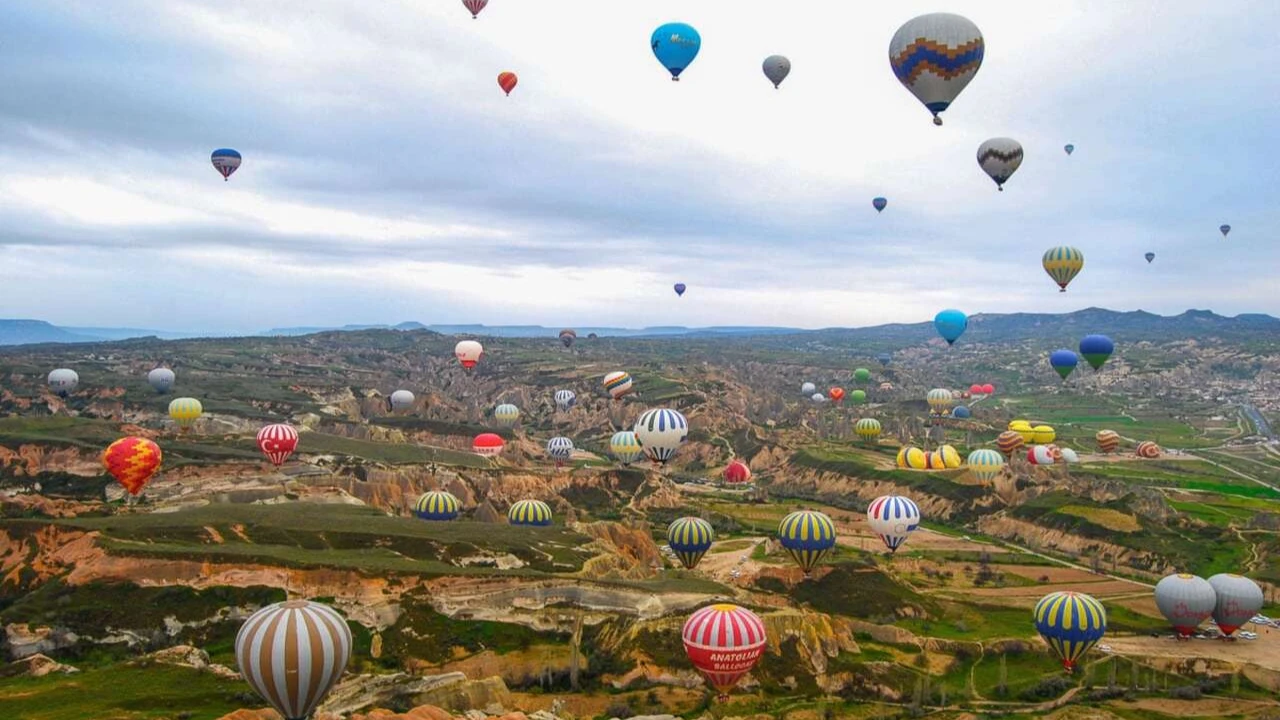
Hot air balloon tours are the engine of Cappadocia's tourism. These flights do more than provide a once-in-a-lifetime experience; they drive the region's brand value and increase the demand for overnight stays. A visitor wanting to experience a balloon flight will typically stay at least one night in the region, which directly boosts hotel occupancy, restaurant turnover, and local spending.
Furthermore, the visual impact of the balloons is unparalleled. Photos of hundreds of balloons at dawn are among the most powerful images promoting Cappadocia on social media. This visibility has spawned a secondary service economy: professional photography, drone cinematography, sunrise breakfast organizations, and early-morning transfers are all ancillary sectors born from balloon tourism. A single activity has evolved into an entire ecosystem that sustains numerous local businesses.
For those curious about the balloon experience, we invite you to explore our air adventure tours options. We vet every operator against our own strict safety and service standards.
Integrating Cultural Heritage with Tourism
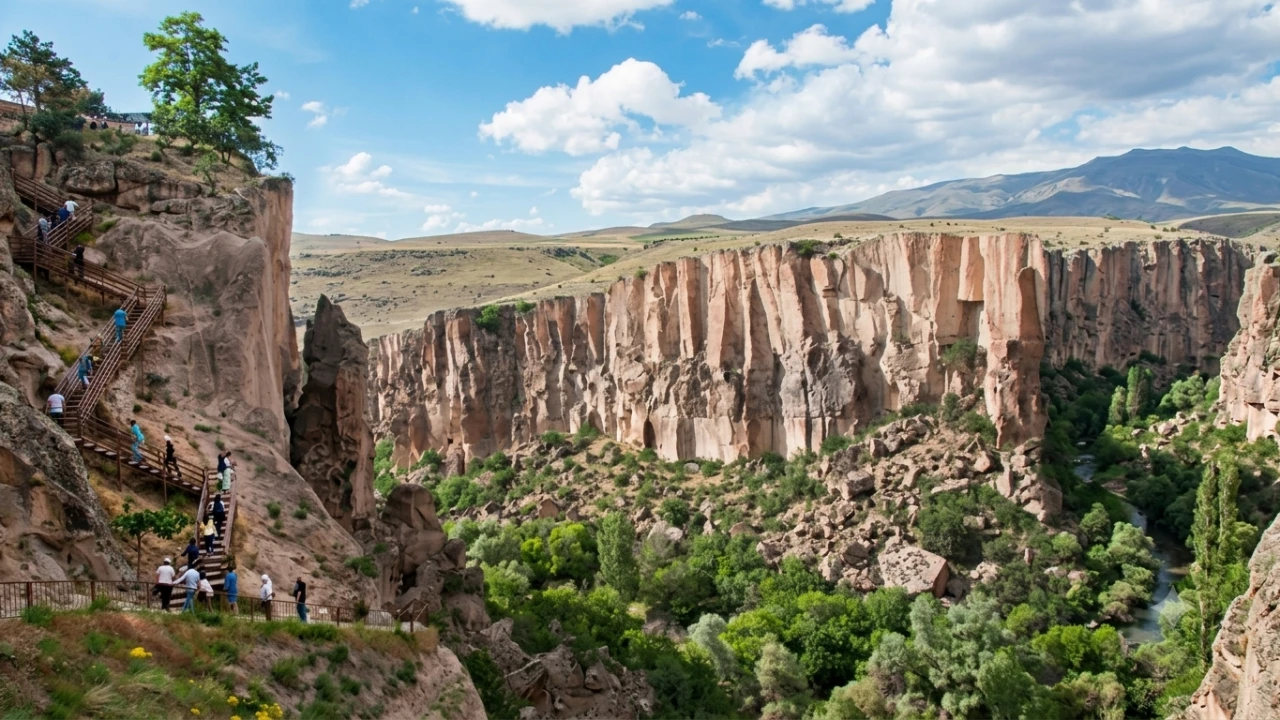
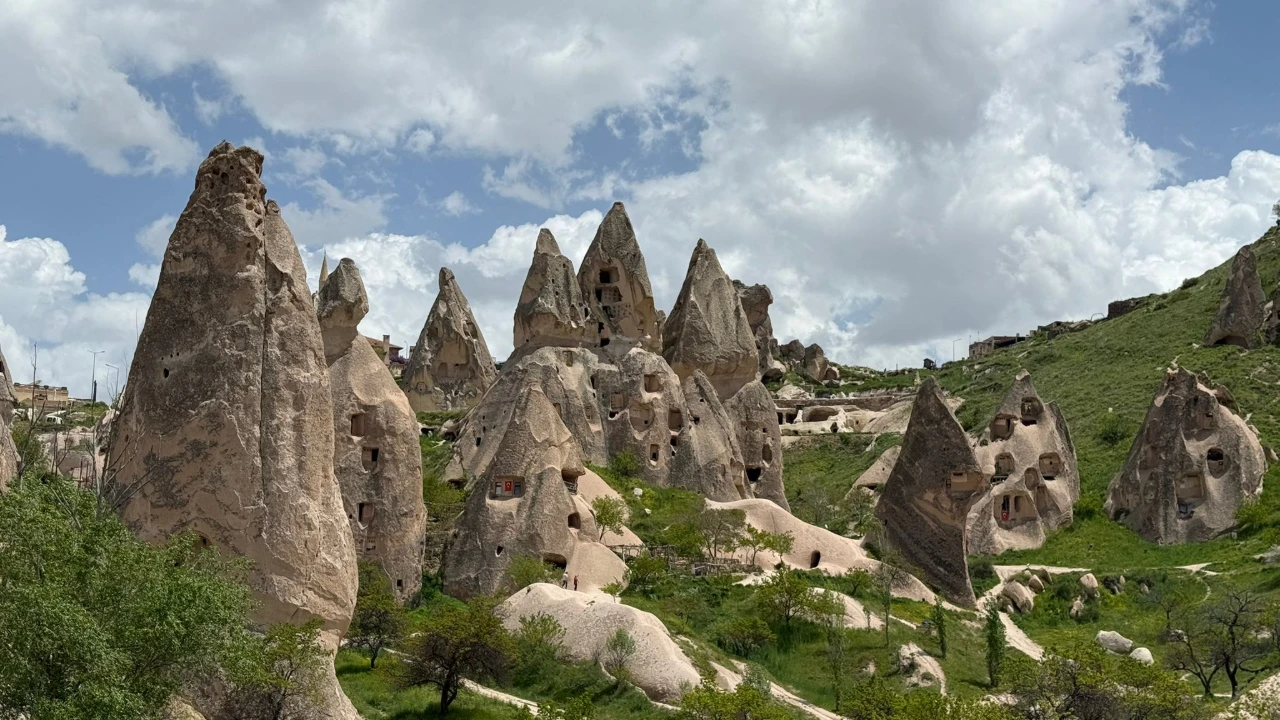
Cappadocia's economic strength is inseparable from its cultural heritage. The underground cities, the rock-cut churches of Göreme, and the Uçhisar Castle transform the region from a natural wonder into a vast open-air museum.
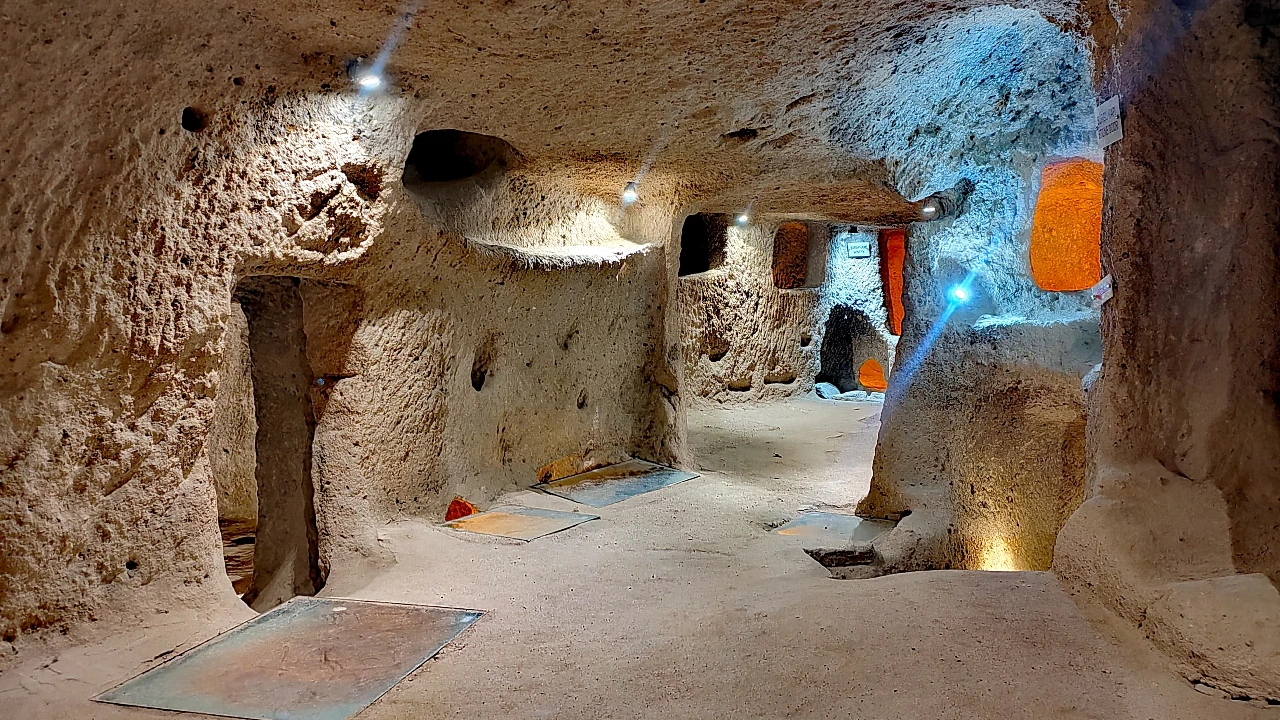
The Role of Underground Cities
Sites like Derinkuyu and Kaymaklı are unique witnesses to how ancient communities lived thousands of years ago. These structures are major draws for faith-based tourism and history enthusiasts, expanding the visitor profile beyond those simply seeking scenic views.
Turning Heritage into Sustainable Economy
The rock churches, frescoes, and historical trails are treasures to be protected, but they are also sustainable sources of income. Entrance fees, guided tours, and surrounding services create a cycle that helps fund the preservation of this heritage. For those eager to dive into the past, our cultural tours category offers curated options that tell the region's history accurately.
Visitor Profiles: A Global Appeal
Cappadocia appeals to a diverse international audience. For guests from East Asia, the region is a magnet due to its romantic atmosphere and the iconic balloon experience. Meanwhile, culture seekers from Europe and the Americas are drawn by the unique geological formations and ancient architecture.
This diverse demographic prevents the region's tourism revenue from being dependent on a single market. Demand from various corners of the globe balances seasonal fluctuations and ensures a steady flow of visitors throughout the year. To explore the region, you can compare all our tour options on a single page.
Challenges and the Path to Sustainability
While the economic contributions of tourism are undeniable, Cappadocia faces challenges common to any high-traffic destination. Acknowledging these is the first step toward protecting the region's future.
The most critical issue is "carrying capacity." Peak visitor density can put pressure on fragile geological structures and historical sites. Fairy chimneys and rock churches are delicate formations created over millennia; therefore, managing the flow of visitors is essential.
Economically, price fluctuations and seasonal surges can be challenging for both businesses and visitors. During peak periods, the rhythm of local life is heavily impacted. This is why sustainable tourism must be an approach that considers not only the environment but also the quality of life for local communities.
At Travel Tour Shop, we prioritize this balance when selecting our partners. We prioritize services that respect nature and local culture, meet rigorous safety standards, and add long-term value to the region. Truly loving a place begins with experiencing it while protecting it.
Cappadocia's Role in Future Tourism Trends
Modern tourism is shifting toward "experiential travel." Today's travelers don't just want to see a place; they want to live it and share the story. Cappadocia is at the heart of this trend. Authentic cave stays, local gastronomy, and nature-integrated activities make the region a prime example of the future of sustainable tourism.
The region's greatest challenge moving forward will be balancing growth with preservation. An approach that respects carrying capacity, involves the local population, and prioritizes heritage will determine Cappadocia's long-term strength.
Frequently Asked Questions 6
Why is Cappadocia so important for Turkish tourism?
Cappadocia is one of the most recognized destinations that represents Turkey beyond its beaches. By attracting visitors in all four seasons and maintaining a strong international brand, it helps diversify the country's tourism offerings.
How does tourism impact the economy in Cappadocia?
A visitor's spending is distributed across various sectors, including accommodation, transport, guiding, handicrafts, and gastronomy. This creates a ripple effect, distributing wealth across the local community rather than just a few large businesses.
What is the specific contribution of hot air balloon tourism?
Hot air balloons are the region's primary draw. Because these flights typically require an overnight stay, they drive consistent demand for hotels, restaurants, and other local services.
Which countries do most visitors to Cappadocia come from?
The region attracts a wide international demographic, ranging from East Asia to Europe and the Americas. This diversity reduces reliance on any single market and stabilizes tourism revenue.
Why is Cappadocia a year-round destination?
Its appeal isn't limited to summer. Balloon flights, cultural explorations, underground cities, and the sight of fairy chimneys covered in winter snow provide unique experiences in every season.
Why are the underground cities significant for tourism?
Underground cities like Derinkuyu and Kaymaklı are major attractions for history and faith-based tourism. They attract a more specialized visitor profile, adding depth to the region's appeal beyond its natural scenery.