
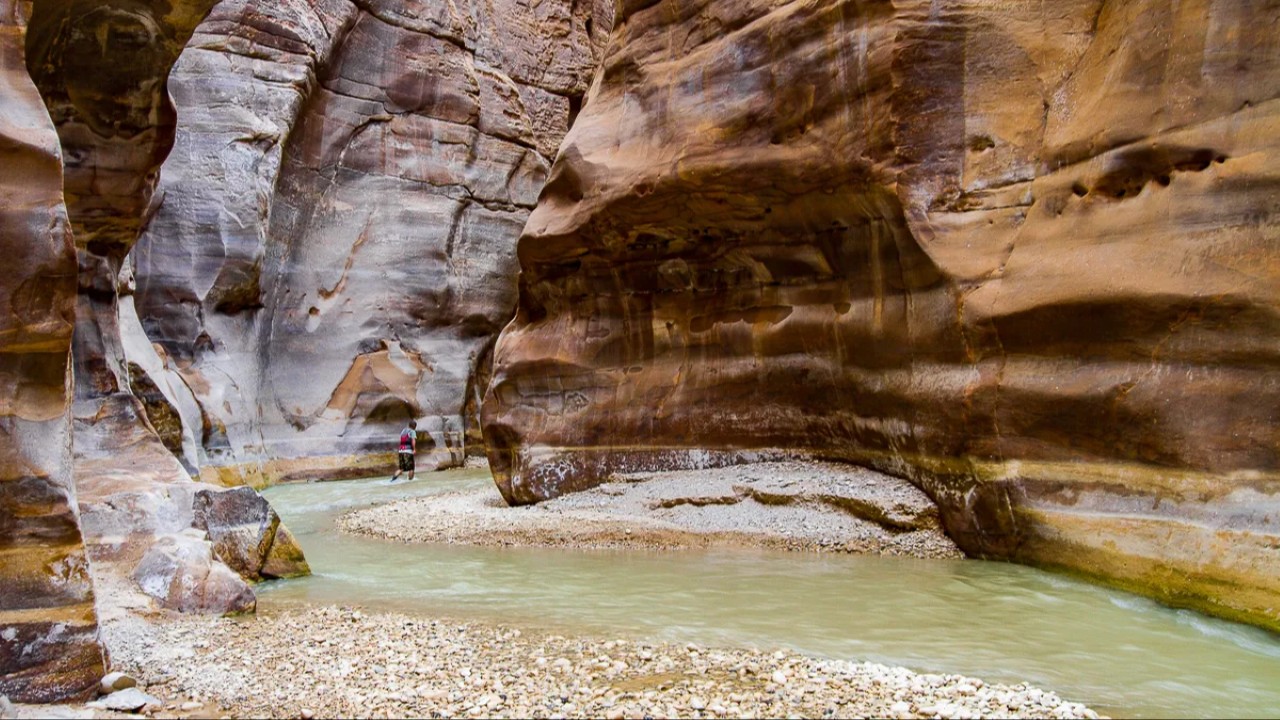
At 410 meters below sea level, along the shores of the Dead Sea, the lowest point on Earth, massive sandstone canyons rise to create one of nature's most dramatic landscapes. In the heart of Jordan's arid desert, the Wadi Mujib Biosphere Reserve, with its cool waters rushing through red limestone cliffs, is a rare natural wonder for adventure seekers. Walking against clear currents that reach waist-high, climbing waterfalls by holding onto ropes fixed to rock blocks, and moving through the echoes of rushing water in the canyon's depths offers the most enchanting water canyon adventure in the Middle East. Known as the "Grand Canyon of Jordan," this geological corridor is a mesmerizing experience for travelers looking to escape the desert heat and find refuge in the refreshing power of water. In this comprehensive guide, within the framework of the lut golu su kanyonu ve wadi mujib kanyoning rehberi, we have gathered details on trail difficulty, water levels, safety rules, and transportation from Amman.
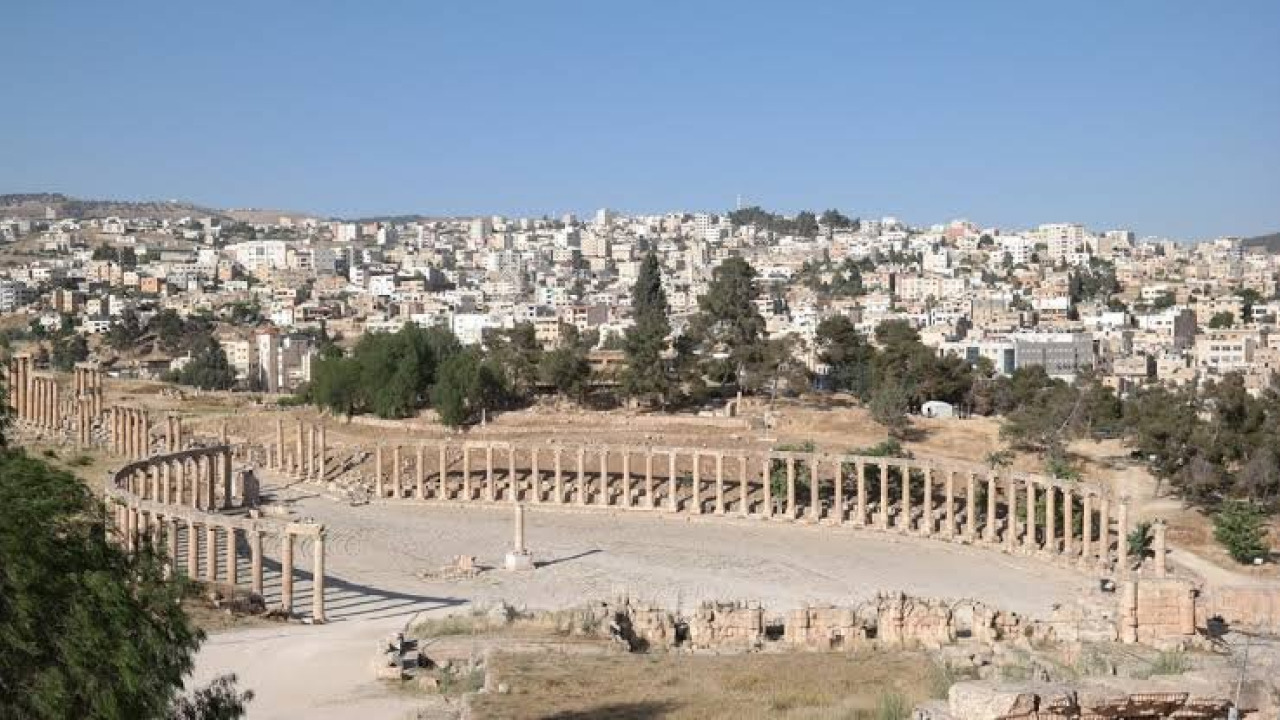
For travelers wishing to experience the wild canyon atmosphere of Wadi Mujib accompanied by professional canyoning guides, Κανιονινγκ στο Βάντι Μουτζίμπ provide a high-quality adventure plan including mandatory life jacket provision and hotel transfers. To explore other fascinating nature and culture routes in Jordan, you can check out programs including Jordan hiking and nature trails or look for opportunities to discover the Roman ruins of Jerash.
The World's Lowest Nature Reserve and Canyon Morphology
Wadi Mujib is a massive biosphere reserve of 215 square kilometers protected by the Royal Society for the Conservation of Nature (RSCN). The most extraordinary feature of the reserve is the dramatic 1,300-meter altitude difference, starting from the Kerak plateau at 900 meters above sea level and descending to the shores of the Dead Sea at 410 meters below sea level. This immense slope has allowed rainwater falling on the plateau to carve deeply into the soft sandstone over millions of years, creating steep cliffs that reach up to sixty meters in height.
The Mujib River, flowing through the canyon floor, maintains a warm temperature year-round as it is fed by surrounding thermal water sources. The interior of the canyon is protected from direct sunlight by steep walls; while the desert heat outside may exceed forty degrees, a cool and refreshing microclimate is created within the canyon corridor. The nature reserve also provides a natural sanctuary for endangered Nubian ibex (Capra nubiana), eagles, and various striped desert hyenas.
The Siq Trail and Upstream Climbing
The most popular waterway that can be walked without a guide in Wadi Mujib is the Siq Trail. Starting from the visitor center, this route progresses upstream through the winding corridors of the canyon. The water depth varies seasonally from ankle-deep to chest-high. At the end of the trail lies the magnificent twenty-meter Mujib Waterfall, which cascades into a giant sandstone amphitheater. After swimming in the natural pool beneath this waterfall, hikers return to the starting point by swimming downstream, letting the current carry them.
Malaqi and Ibex Trails
In addition to the Siq Trail, there are more challenging trails within the reserve that must be walked with a guide. The Malaqi Trail leads to natural pools where the Mujib River meets the Hidan River and involves abseiling techniques down twenty-meter waterfalls. The Ibex Trail, on the other hand, is a dry trekking route that follows desert paths along the upper ridges of the canyon, offering the chance to observe the salt-crusted shores of the Dead Sea and the mountain goats without entering the water.



Comparative Features of Wadi Mujib Canyon Trails
The durations, difficulty levels, and participation requirements for the different trails within the Wadi Mujib Nature Reserve are summarized in the table below:
| Trail Name | Route Type | Total Duration | Difficulty Level | Guide Requirement |
|---|---|---|---|---|
| Siq Trail | Water Canyoning | 2 - 3 Hours | Moderate (Walking Upstream) | Free Access (No Guide) |
| Malaqi Trail | Water & Abseiling | 6 - 8 Hours | Advanced (Requires Rappelling) | Mandatory Professional Guide |
| Canyon Trail | Water & Waterfall | 4 - 5 Hours | Hard (Strong Currents) | Mandatory Professional Guide |
| Ibex Trail | Dry Mountain Trek | 3 - 4 Hours | Moderate (Steep Desert Path) | Mandatory Professional Guide |
For most travelers, the two to three-hour Siq Trail adventure is the most balanced option, being physically satisfying without requiring specialized mountaineering equipment. Nature enthusiasts seeking a more technical experience can join the Malaqi canyon crossing by hiring a private guide from the RSCN office.
Wadi Mujib Water Levels and Weather Conditions by Season
The periods when the Wadi Mujib canyon is open to visitors are strictly regulated by safety rules regarding winter floods and rainfall patterns:
| Period / Month | Canyon Status | Avg. Temperature | Water Flow & Safety |
|---|---|---|---|
| Spring (April - May) | OPEN (Season Opening) | 26 - 32 °C | High flow, energetic currents, cool water |
| Summer (June - August) | OPEN (Peak Season) | 36 - 42 °C (Outside) | Ideal water level, cool canyon interior |
| Autumn (Sept - Oct) | OPEN (End of Season) | 28 - 34 °C | Calm and clear water, easy crossing |
| Winter (Nov - March) | Completely CLOSED | 16 - 22 °C | Closed due to flash flood danger |
Because rains falling on the Jordanian mountains during winter can cause deadly flash floods in the canyon floor within hours, the reserve is closed to visitors between November and March. With the opening of the season in April, the canyon floor fills with fresh spring water, reaching its most exciting flow levels.
Step-by-Step Siq Trail Canyon Crossing Program
An efficient and safe day of Wadi Mujib canyoning is carried out through these stages:
- Departure from Amman via the Dead Sea: Departing from hotels in Amman at 07:30 AM, traveling south along the Dead Sea Highway.
- Arrival at Wadi Mujib Visitor Center: Reaching the RSCN center located right next to the Mujib Bridge to complete entry registration.
- Life Jacket Fitting and Safety Briefing: Every visitor is provided with a mandatory life jacket, and safety rules for the canyon are explained.
- Canyon Entry and First Water Contact: Descending to the canyon floor from the suspension bridge and beginning the walk in knee-deep warm water.
- Rock and Rope Crossings: Navigating small waterfalls using natural stone steps and steel cables along the trail.
- Arrival at the Great Mujib Waterfall: Reaching the twenty-meter waterfall at the end of the canyon for a swimming break in the cool lagoon.
- Return with the Current and Exit: Utilizing the buoyancy of the water to return toward the canyon exit and changing clothes.
Swimming in the direction of the water flow during the return leg makes the walk much more enjoyable and effortless. The life jackets allow participants to float effortlessly on the surface, providing a natural water-slide sensation.
Equipment and Safety Rules for Canyon Hikers
The main rules that must be followed for safety and comfort during the Wadi Mujib canyon crossing are:
- Sturdy-Soled Canyon or Sports Shoes: The canyon floor is covered with mossy and wet stones; shoes with non-slip, hard soles that protect the toes must be worn; flip-flops or open sandals are not permitted.
- Fully Waterproof Bag (Dry Bag): Since swimming will be necessary at various points, standard bags will get wet; a high-quality dry bag is mandatory for valuables.
- Quick-Drying Synthetic Clothing: Cotton clothes absorb water and become heavy; lightweight swimwear, shorts, and synthetic quick-drying sports clothes should be worn.
- Eyewear Straps and Safety: To prevent glasses from falling and getting lost during waterfall crossings, a safety strap attached to the back of the head should be used.
- Physical Fitness and Age Requirement: Participation in the trail requires being at least eighteen years old and possessing basic swimming skills as a legal necessity.
- Post-Canyon Care and Hydration: Since you will return to the dry desert air around the Dead Sea after exiting, drink plenty of water and reapply sunscreen.
Natural Wonders Around the Dead Sea and Mujib Canyon
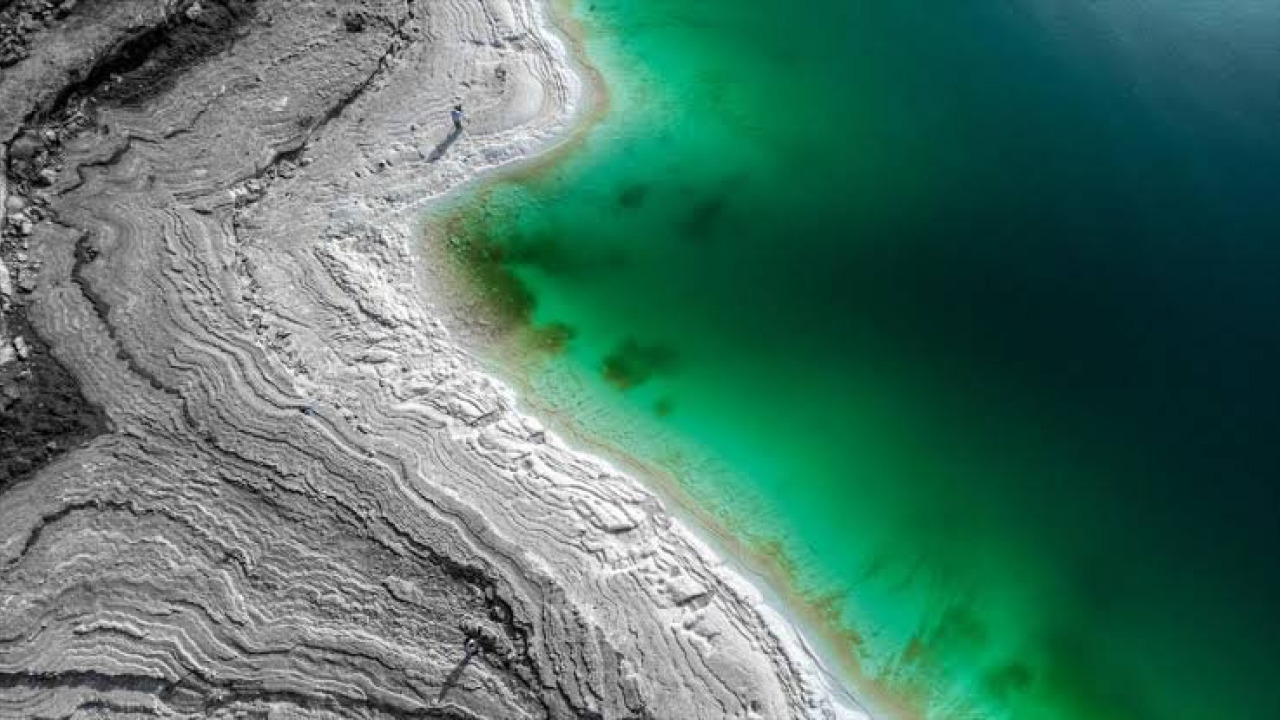
A visit to Wadi Mujib is not limited to the canyon crossing; it combines perfectly with the Dead Sea, one of the most interesting geographical basins in the world. Stretching just a few hundred meters west of the canyon exit, the Dead Sea offers the experience of floating on water without sinking, due to its salinity rate of up to thirty-four percent. After an energetic few hours in the cool fresh waters of the canyon, resting in the mineral-rich waters of the Dead Sea and applying the skin-nourishing black healing mud is the most popular ritual of the day.
Additionally, the steep rocky viewing terraces located just above the Mujib Bridge are wonderful spots to watch the sunset behind the mountains of Israel and Palestine. As the canyon's red sandstone walls turn flame-red under the setting sun, the layer of mist over the lake creates magical color tones on the horizon. This wild corner of Jordan is an unforgettable geological stop where desert, water, and history converge.
Συχνές ερωτήσεις 5
Is there an age limit to enter the Wadi Mujib canyon?
Yes, in accordance with RSCN safety rules, the minimum age to participate in the Siq Trail and other canyon trails is eighteen; entry for young children is not permitted under any circumstances.
Can non-swimmers participate in the Siq Trail?
Every participant is provided with a mandatory life jacket upon entry; however, since the water depth exceeds two meters at certain points, it is recommended that those who are not afraid of water and have basic mobility participate.
Can I carry a phone or camera into the canyon?
Since there are deep water crossings and waterfalls inside the canyon, electronic devices must only be carried in a professional waterproof dry bag or an underwater case.
During which months is Wadi Mujib open for visits?
The canyon is closed in winter due to winter rains and the danger of flash floods, and is generally open for visits from the beginning of April to the end of October, depending on weather conditions.
How do I get to Wadi Mujib from Amman?
From Amman city center, you can easily reach the canyon visitor center by following the Dead Sea Highway south, which is approximately a one-hour and fifteen-minute drive.