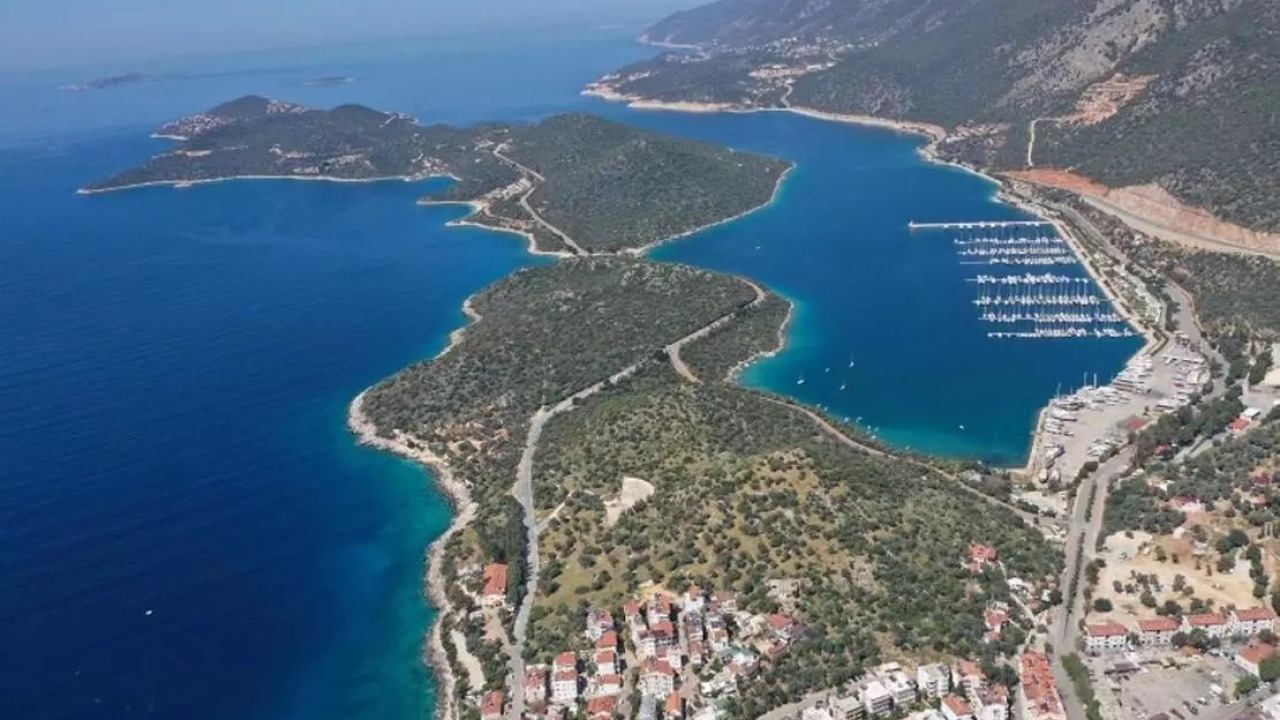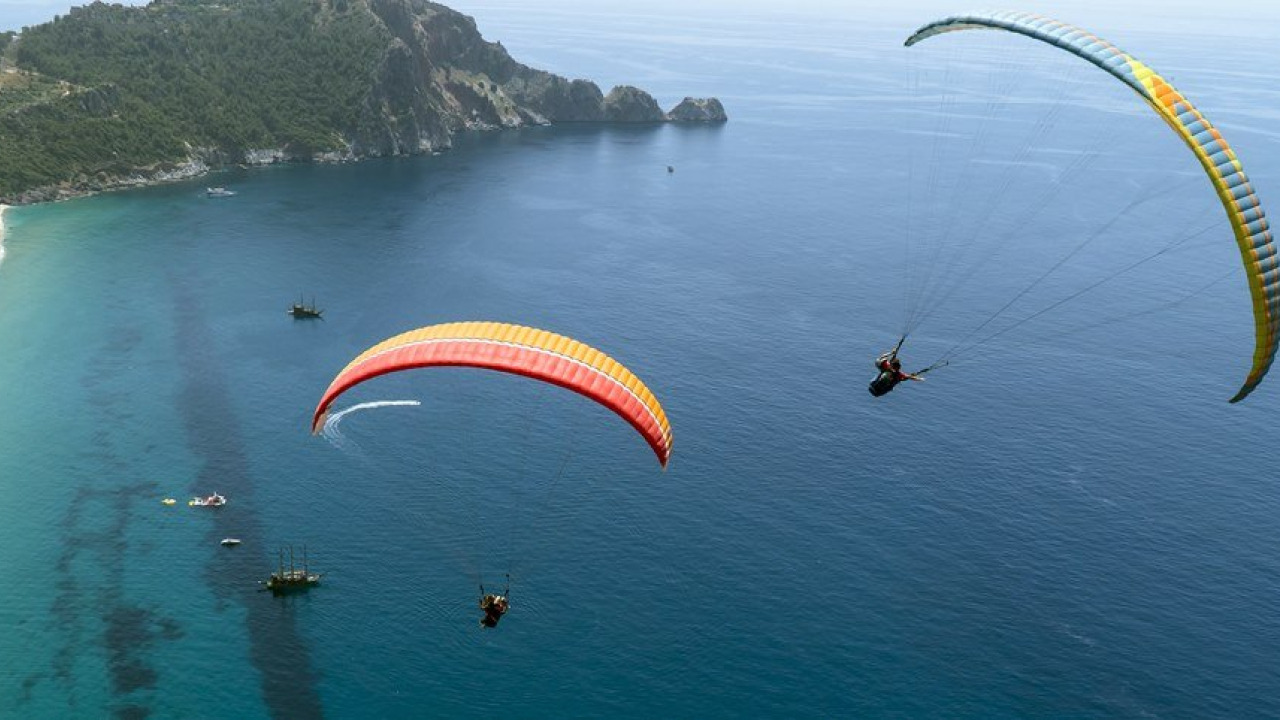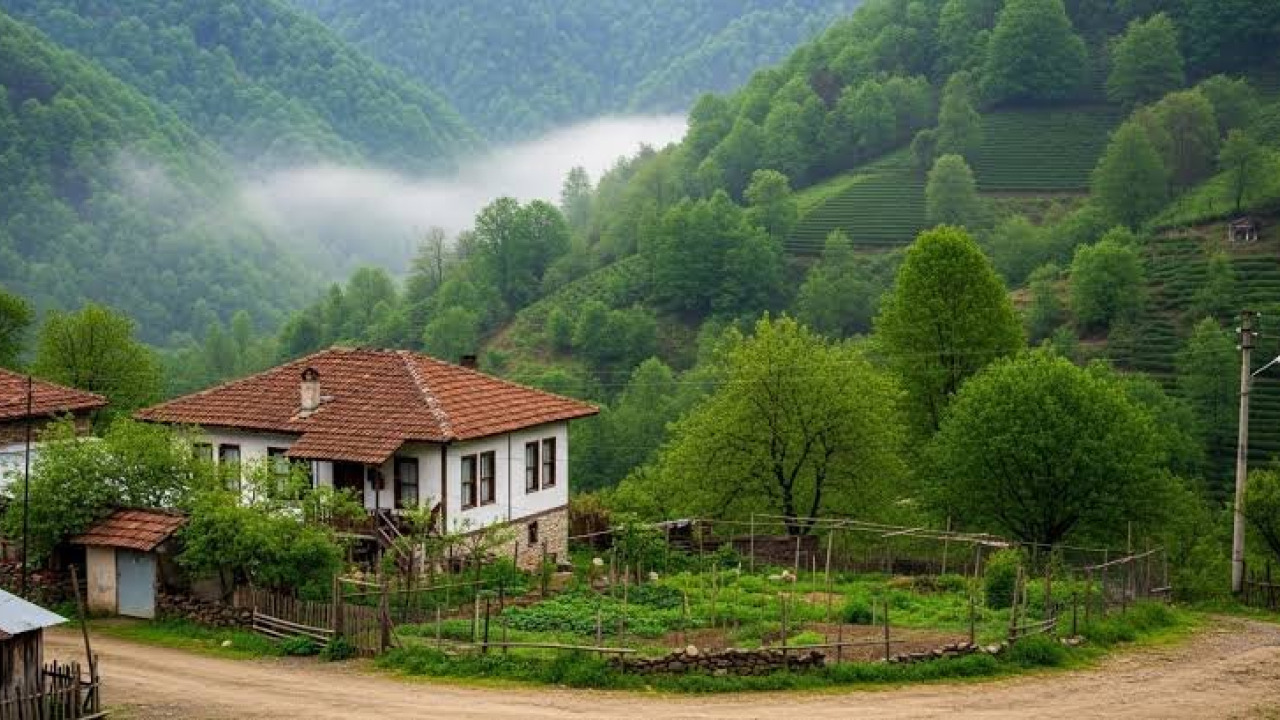

Stepping away from the roar of the city and the concrete jungle to seek refuge in nature is the ultimate dream for the modern traveler. Our Village and Nature Tours offer a gateway to the simple beauty of rural life, featuring lush green valleys, century-old stone houses, and traditional farmland. Here, guests can breathe in the crisp, clean air of natural trails while savoring organic delicacies and experiencing the legendary hospitality of the local people.
However, trekking through rural landscapes and highland paths requires the right preparation to adapt to nature's unpredictable whims. A mindful approach to these natural parks not only ensures your safety but also shows respect for the environment. This comprehensive guide covers everything you need to know before joining a village or ecotourism tour, from understanding terrain dynamics and layering your clothing to rural etiquette and environmental conservation.
Rural Ecotourism Trails in Turkey: Guidelines and Participation
Village and nature excursions are conducted in strict accordance with the directives of the General Directorate of Forestry and the General Directorate of Nature Conservation and National Parks. Led by TUREB-certified professional nature guides, these tours follow designated corridors to ensure no harm comes to the natural ecosystem or agricultural lands. Group walks are carefully planned to avoid disturbing wildlife or the peaceful atmosphere of the villages.
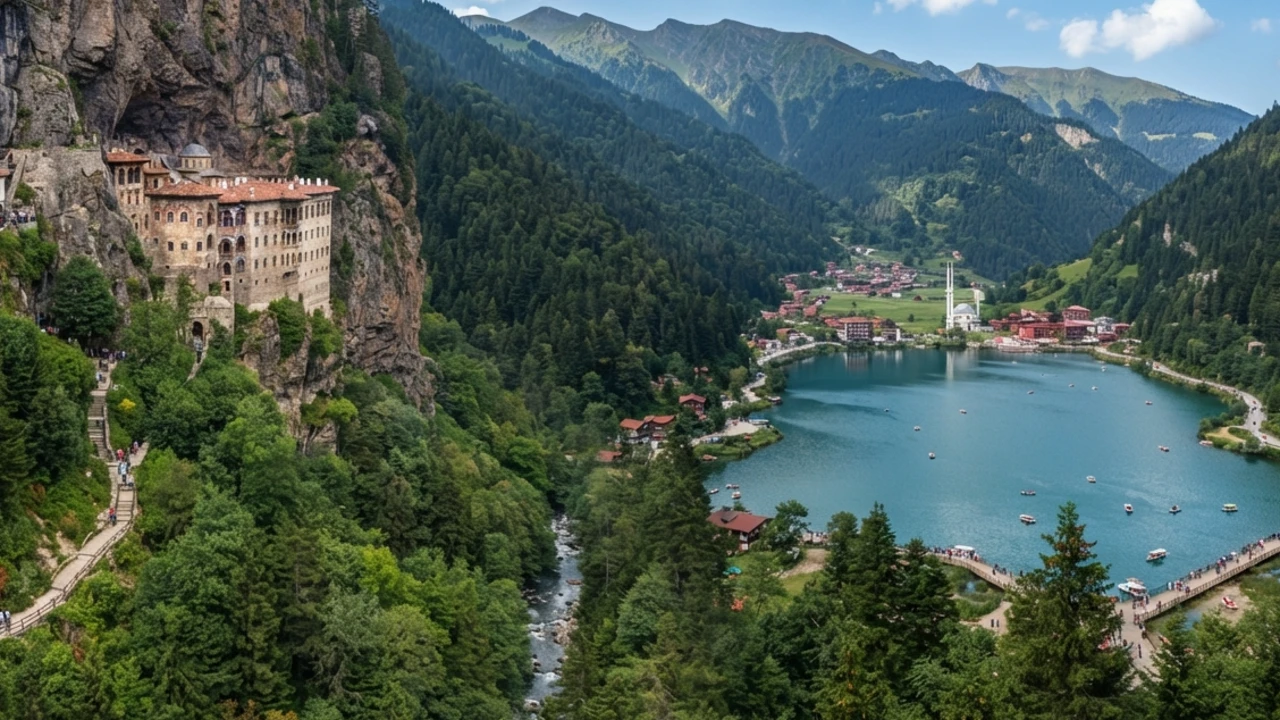
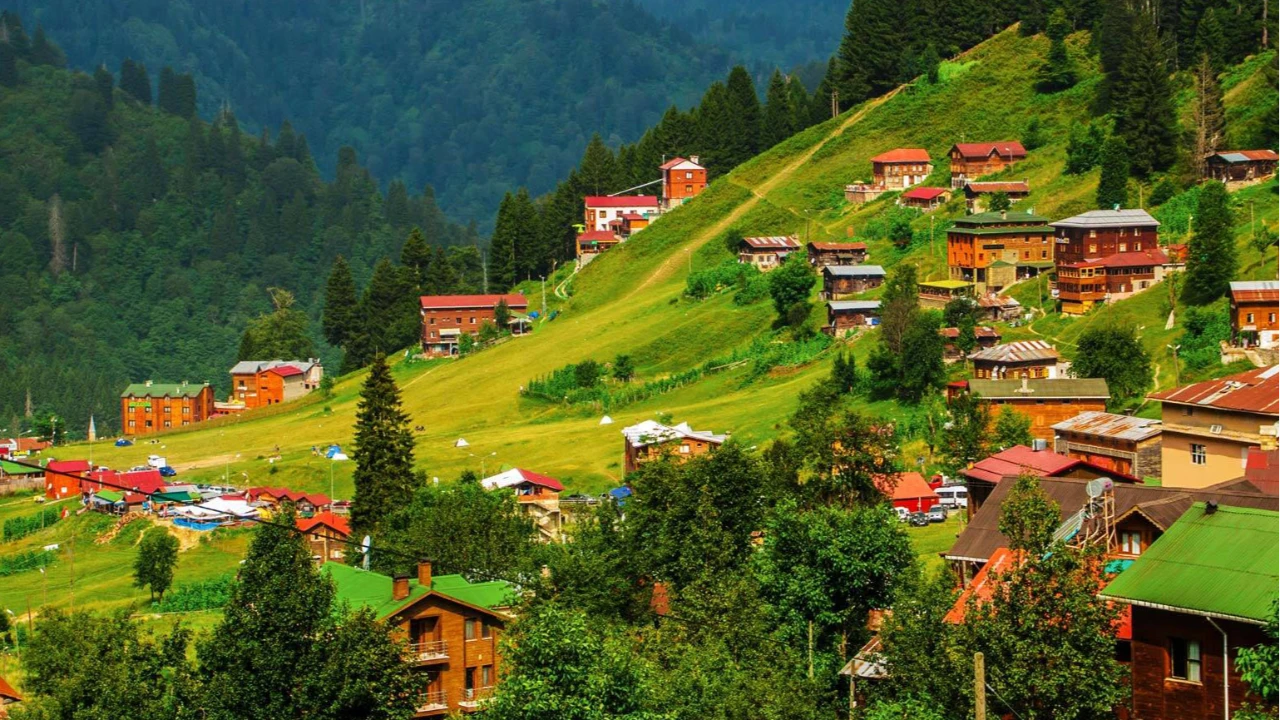
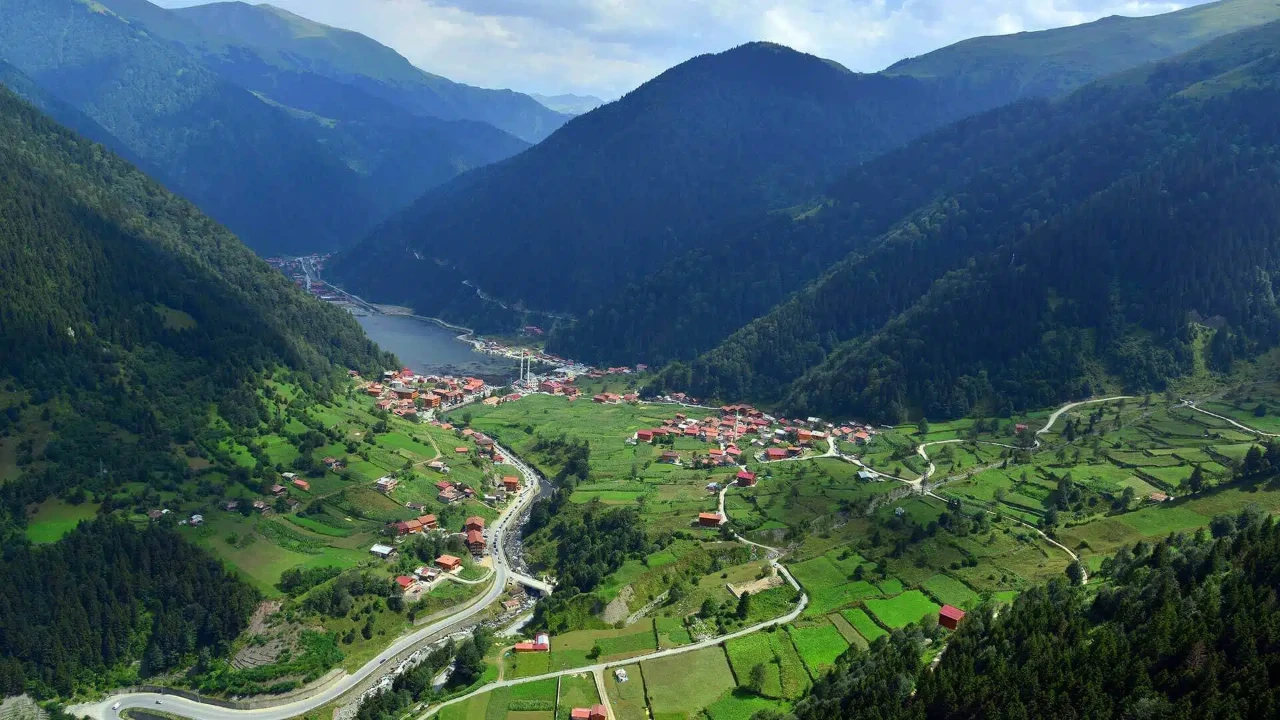
Turkey offers a wealth of rural itineraries for nature lovers across its diverse geography. In the mountains of the Black Sea, you can wander through misty forest paths on Trabzon highland and mountain village cultural routes. Along the Mediterranean coast, Antalya Toros village and forest excursion programs reveal charming stone houses nestled under towering cedar trees.
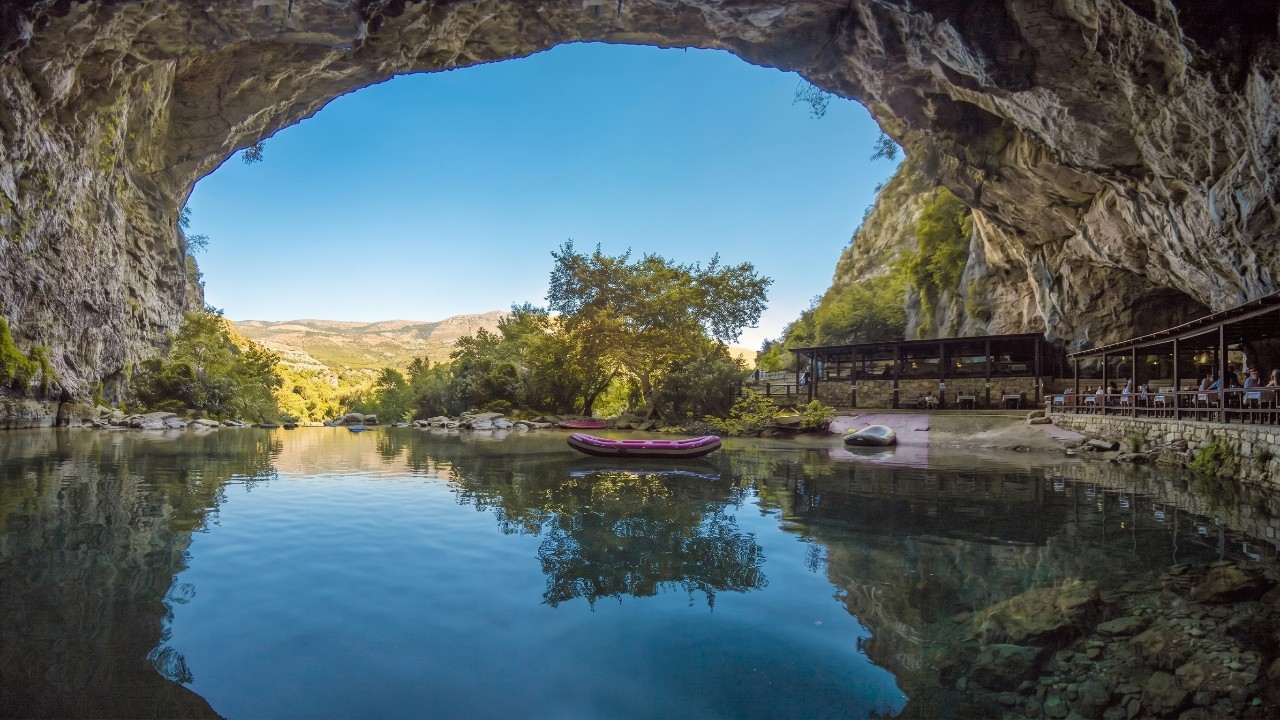
In the Antalya coastal belt, Side rural life and waterfall trekking stages introduce you to stunning canyon valleys. In the Aegean basin, Muğla valley and traditional village discoveries take you along stone paths winding through olive groves. Meanwhile, in Central Anatolia, Cappadocia valley and historic rural settlement routes connect visitors with rock-cut dwellings and ancient village vineyards.
The following quick-facts table summarizes the operational structure and basic participation criteria for village and nature discovery tours:
| Operational Criterion | Standard Practice & Rule |
|---|---|
| Minimum Age | Suitable for all age groups (Promotes nature awareness in children) |
| Required Documents | Valid ID/Passport (For entry to national parks and protected areas) |
| Terrain & Path Type | Dirt trails, gravel village roads, stone steps, and meadow areas |
| Guiding Support | TUREB-approved, officially licensed professional tourist guide |
| Average Step Goal | Light-paced nature walks between 7,000 and 13,000 steps per day |
| Ideal Season | Spring, Summer, and Autumn (Harvest seasons are highly recommended) |
| Legal Basis | Forestry Law No. 6831 and National Parks Visitor Regulations |
Trekking Dynamics: Mastering Dirt Paths and Layered Clothing
Rural trails and highland paths differ significantly from city asphalt. Soft soil, loose gravel, and protruding tree roots require footwear that can adapt to the terrain. Walking these paths in flat-soled city shoes or sandals is a recipe for slips and sprained ankles.
For nature walks, we recommend lightweight trekking shoes with lugged rubber soles and medium-firm toe protection. The deep treads provide grip on loose soil, while the flexible sole prevents stones from digging into your feet. Breathable, water-repellent uppers ensure your feet stay dry during the morning dew.
Dirt Trails and Stone Terrain Dynamics
Village roads often consist of narrow passages flanked by stone walls. Taking controlled steps during steep ascents and descents helps reduce muscle fatigue.
Using trekking poles or a walking stick is highly recommended, as it transfers a portion of the body's weight to the arms. This relieves pressure on the kneecaps during long rural tours, maintaining overall comfort.
To protect the natural flora, it is vital to stay on marked trails. When walking on dirt roads, be mindful not to dislodge stones or step on unstable ground to ensure the safety of the entire group.
Layered Clothing and Sudden Weather Shifts
In high-altitude mountain villages and open valleys, the weather can change in minutes. A sunny morning can quickly turn into a chilly afternoon with wind or light rain.
To combat this, the "layering principle" should be applied. A breathable base layer to wick sweat, a fleece middle layer for insulation, and a lightweight windproof outer jacket will keep you prepared for any weather condition.
Local Etiquette, Environmental Protection, and Packing Checklist
The settlements visited during village tours are living communities. It is a fundamental rule of courtesy not to enter private gardens or fields without permission and to avoid picking fruit from branches. Asking for permission with a smile before photographing locals or traditional activities helps build genuine connections.
The backbone of ecotourism is the "Leave No Trace" principle. Ensuring that no plastic or organic waste is left behind, and carrying all trash back in your backpack, guarantees that the rural environment remains pristine.
Avoid taking candid photos of villagers working in fields or greenhouses from a distance without their knowledge. A friendly greeting and a brief chat not only strengthen communication but also make it easier to ask for permission.
The following checklist outlines the essential gear you should have in your backpack for a village and nature tour:
- Lightweight Raincoat or Windbreaker: Prevents chills during sudden temperature drops or on open highlands.
- Reusable Water Bottle: Reduces plastic waste when filling up with fresh spring water from village fountains.
- Sun Hat and Natural Insect Repellent: Protects against UV rays in open terrain and minimizes rural insect bites.
- Cloth Shopping Bag: Eliminates the use of plastic bags when buying organic products and handicrafts from village markets.
Comparing Rural Ecotourism Models and Discovery Formats
Village and nature tours vary based on the amount of time and effort participants wish to invest. Some tours focus on a leisurely village breakfast and workshop visits, while others involve active trekking on highland trails.
The following comparison table highlights the operational nature of popular rural trip formats and their suitability for different traveler profiles:
| Trip Format | Route & Activities | Physical Effort | Ideal Participant Profile |
|---|---|---|---|
| Traditional Village Life Tour | Stone houses, village ovens, craft workshops, and markets | Low - Medium (Leisurely pace through village streets) | Families, children, local culture enthusiasts |
| Highland & Meadow Trail | Forest paths, spring waters, wooden highland houses | Medium - High (Lightly inclined trail walking) | Nature lovers, photographers, active travelers |
| Agriculture & Harvest Experience | Olive groves, fruit orchards, and organic vineyards | Low - Medium (Walking through agricultural production areas) | Foodies, agro-tourism enthusiasts |
| Canyon & Valley Perimeter Route | Waterside paths, wooden bridges, observation decks | Medium (Natural corridors with rocky and dirt terrain) | Adventure seekers, hiking enthusiasts |
Choosing the village tour model that best fits your fitness level and travel expectations will maximize the tranquility and productivity of your day in the countryside.
5-Step Protocol for a Safe and Efficient Rural Trip
To ensure a peaceful walk and a seamless day, please follow these five basic preparation steps:
- Terrain-Appropriate Footwear: Lace up your non-slip, lugged trekking shoes before setting off.
- Layered Clothing Prep: Keep a windbreaker in your bag to handle the temperature drop as altitude increases.
- Guide and Trail Discipline: Never stray from the designated main path; stay close to the group.
- Respect for Local Life: Respect the privacy of village residents; do not pick produce from gardens without permission.
- Zero Waste Principle: Place all packaging and organic waste in your bag and carry it back to the city.
This five-step environmental and route protocol allows you to step deep into village culture while preserving the purity of nature.
Licensed Nature Guiding and Flora-Fauna Insights
Walking with a guide on rural routes transforms the experience from mere sightseeing to true discovery. TUREB-certified nature guides enrich the walk by identifying endemic plant species, medicinal herbs, and wildlife tracks along the valley, turning the trek into an educational journey.
Guides also closely monitor weather forecasts in rural areas to ensure trail safety. In the event of fog or rain, they skillfully redirect the group to safe forest paths or cozy village coffeehouses.
Thanks to this professional route management, travelers can enjoy nature without the risk of getting lost or struggling with challenging terrain.
Furthermore, nature guides constantly monitor the pace of the group. By adjusting the speed for participants showing signs of fatigue, they ensure that everyone progresses together without anyone falling behind.
Village Square Culture: Organic Tastings and Free Time
The most delicious stop of any village tour is under the shade of ancient plane trees, where local women prepare fresh gözleme (savory pancakes) and brew mountain tea. Breaks featuring churned ayran, homemade jams, and rustic village bread make you forget all the fatigue of the walk. Conversations with the village headman (muhtar) and elders remind us of the warmth of neighborhood bonds that cities have forgotten.
During free time provided by the guide, you can visit village cooperatives and handicraft stalls. By purchasing natural honey, dried fruits, and hand-woven wool products, you directly support rural development.
At the designated meeting time, the group gathers at the assembly point for the return transfer. Following group discipline ensures that the return journey is completed on schedule. As the evening cool settles over the village, you will head home with a cleared mind and refreshed lungs.
Frequently Asked Questions 5
Do I need special hiking experience to join village and nature tours?
No. Since general tourist village trips consist of light-paced trails, no professional mountaineering or advanced fitness experience is required.
What kind of shoes should I wear for rural ecotourism tours?
We recommend lightweight trekking shoes with lugged soles to prevent slipping on dirt paths, gravel roads, and village inclines.
What should I keep in mind when interacting with locals during village visits?
The basic rules are: do not enter gardens without permission, do not pick fruit, and politely ask for permission before taking photos of the local people.
How can I prepare for sudden weather changes during nature walks?
In high-altitude highlands and mountain villages, you should always carry a lightweight, waterproof windbreaker in your bag to protect against wind and rain.
Is it possible to buy local organic products during village trips?
Yes, products such as honey, cheese, and handmade tarhana can be purchased directly from village cooperatives, market stalls, and local producers.