
When visiting Sümela Monastery in Trabzon, the primary heritage highlights include the rock-cut church, stunning frescoes, and ancient aqueducts. The site operates during official ticket office hours, and your journey through the valley can be seamlessly organized with Sümela Monastery cultural tour options.
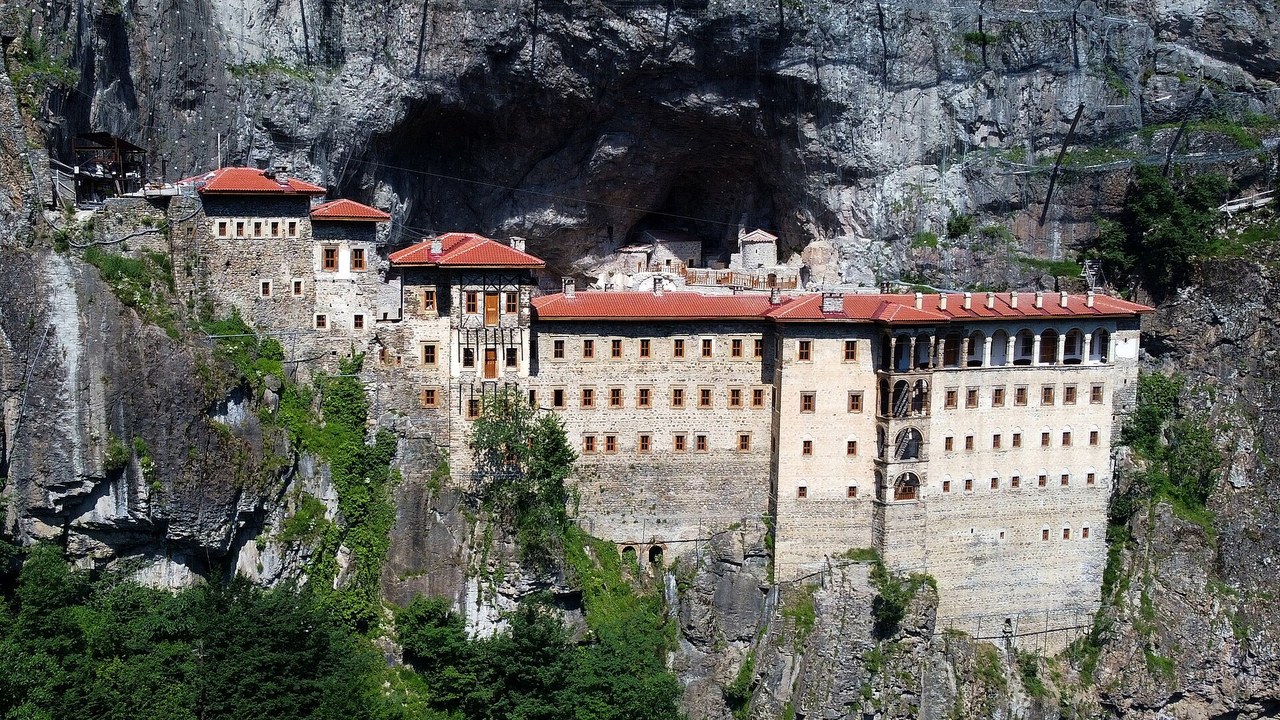
Perched precariously on the steep cliffs of the Altındere Valley, this historic monastery complex stands as one of the region's most profound cultural legacies. Blending seamlessly with the lush, emerald landscapes of the Black Sea region, this monumental structure offers international travelers a route rich in both architectural wonder and deep historical significance.
Key highlights of the Sümela Monastery cultural route include:
- The main rock-cut church and frescoed rooms, which are the most striking historical stops.
- Steep valley trails and stone staircases that offer a scenic, historical hike through nature.
- Organized tours providing comfortable, guided transportation from Trabzon city center to the valley.
- Ancient aqueducts and chapels that showcase the site's architectural ingenuity.
Altındere Valley & Archaeological Site: Quick Facts
For travelers planning to explore Sümela Monastery and the surrounding Altındere Valley, understanding the logistics is key. Tours in this region typically last between 4 and 8 hours, and your choice of transportation will directly impact the quality of your experience.
The following table provides the essential operational and logistical details for planning your cultural visit to the Sümela Monastery archaeological site.
| Parameter | Details |
|---|---|
| Location | Trabzon, Maçka, Altındere Valley |
| Site Type | Historic rock-cut monastery and archaeological site |
| Average Tour Duration | 4 to 8 hours |
| Transportation | Guided tours, VIP transfers, or private vehicle |
| Entry Status | Subject to ticket office rates and local announcements |
| Peak Season | High season from May to November |
Located on the slopes of Karadağ, this historic center welcomes culture enthusiasts year-round. The ascent from the valley floor, accompanied by the crisp air of the Black Sea forests, makes for an unforgettable discovery.
Historical Heritage and Site Landmarks
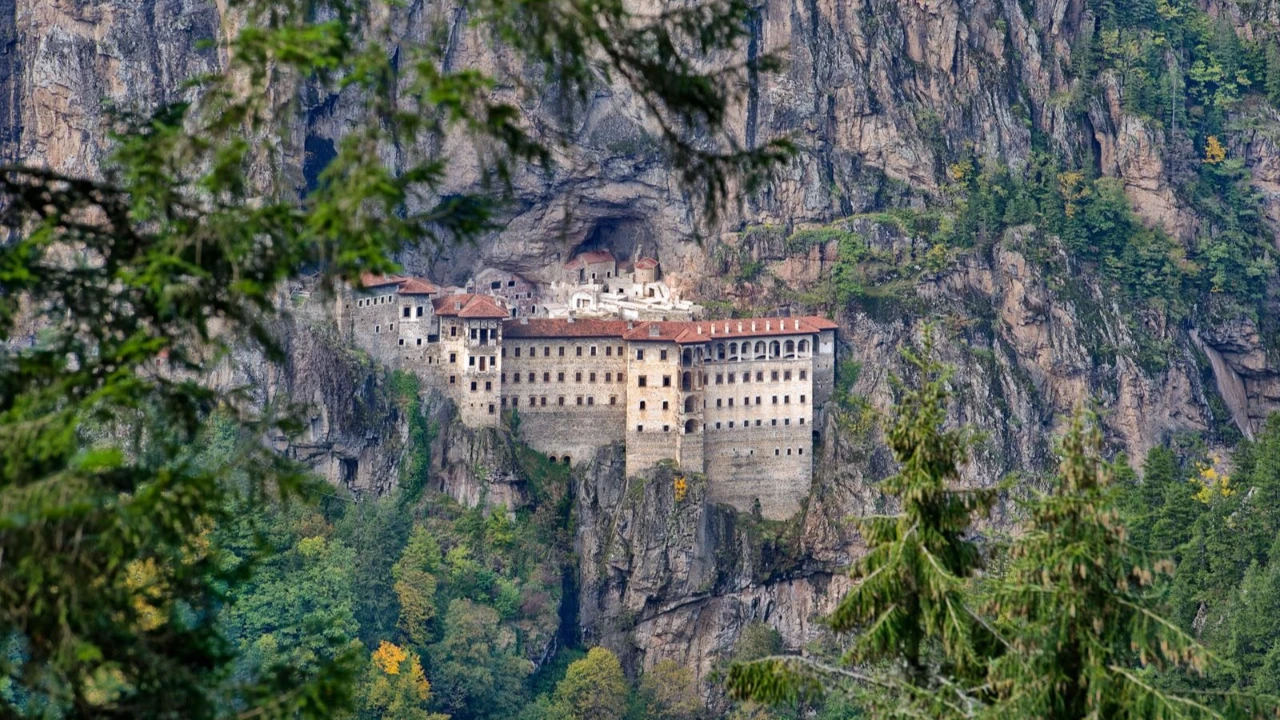
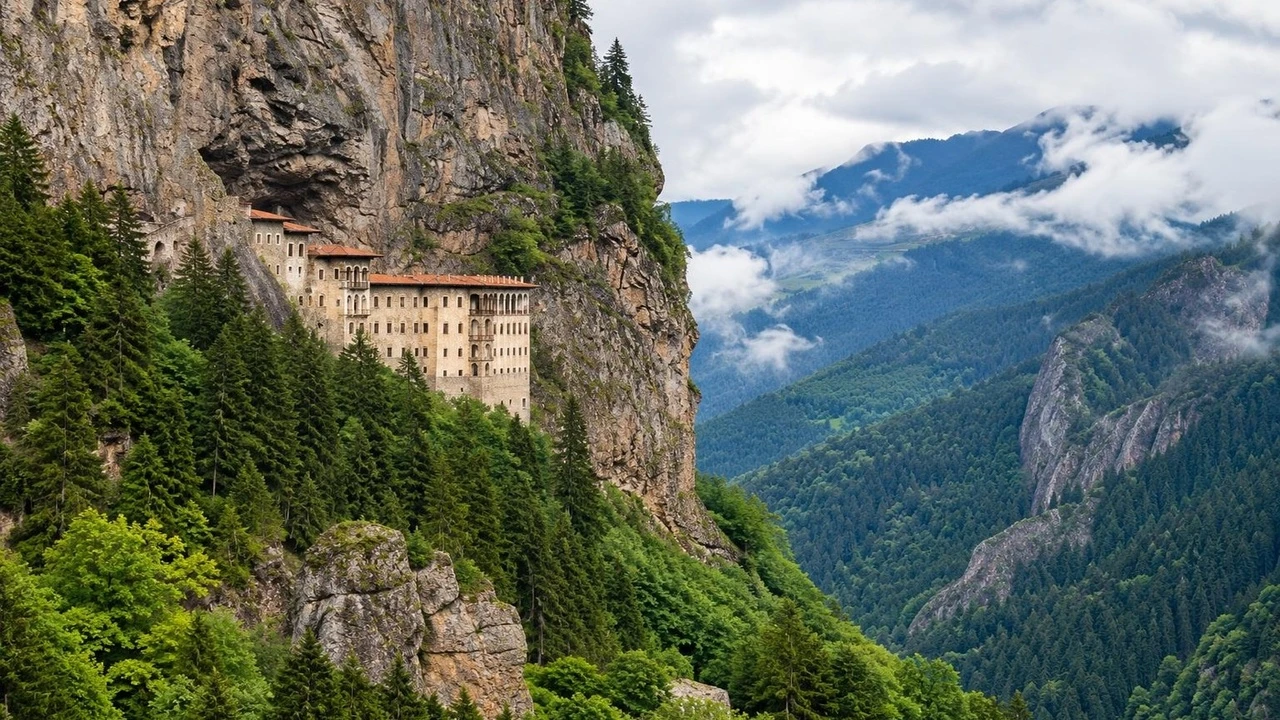
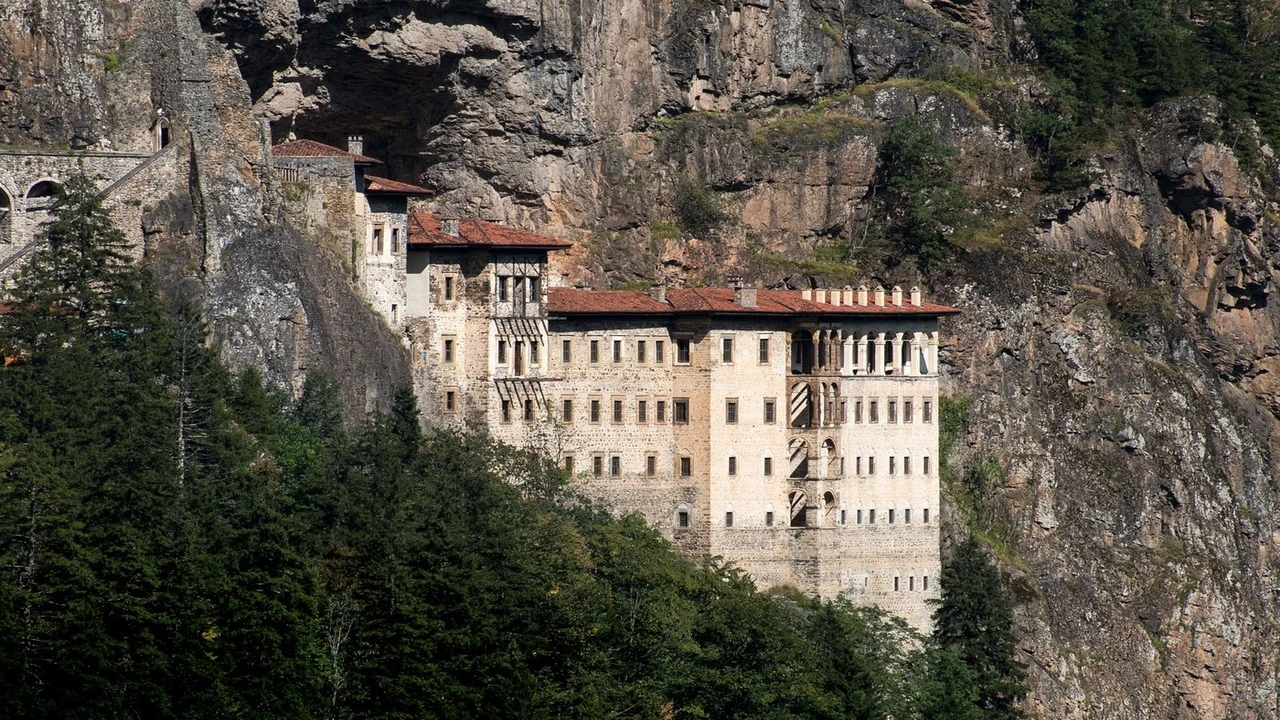
The Sümela Monastery complex, built into the rugged cliffs of Karadağ, consists of numerous independent chapels, sacred holy springs, and frescoed rooms. The frescoes within the main rock church are among the most precious visual legacies, having been preserved for centuries.
Upon entering the monastery's inner courtyard, the first major structure to greet visitors is the main rock church. Carved directly into the natural rock, this place of worship holds immense artistic value due to the religious scenes depicted in the frescoes on its interior and exterior walls. Visitors have the rare opportunity to study layered fresco techniques from different historical eras.
The table below compares the operational features of the various organized tour options covering Sümela Monastery and its surroundings.
| Tour Option | Duration | Key Services Included | Services Excluded |
|---|---|---|---|
| Altındere Valley Private VIP Tour | 4 hours | Round-trip transfer, fuel, and parking fees | Monastery entrance fee, food, and personal expenses |
| Sümela & Hamsiköy Group Tour | 8 hours | Transfers from designated points, professional guide | Archaeological site entry fee, bus fees, meals |
The Main Rock Church and Fresco Rooms
Adjacent to the main church are small chapels designed as quiet cells for monks' retreats. The religious depictions on the ceilings and walls of these rooms are among the most prominent examples of Byzantine fresco art in the Black Sea region. To preserve these delicate works, flash photography is restricted inside these spaces.
These sections, reopened following extensive restoration, reflect the profound spirit of the historical site. Despite centuries of humidity, the pigments on the rock surfaces have maintained a remarkable vibrancy, making these rooms a treasure trove for art historians.
Chapels and Ancient Aqueducts
The multi-arched water structures located at the entrance of the monastery were used to transport water from the valley into the complex. The architectural balance of these high arches demonstrates the incredible engineering challenges overcome to build on such steep slopes. Visitors can observe these magnificent arches closely while walking along the trail.
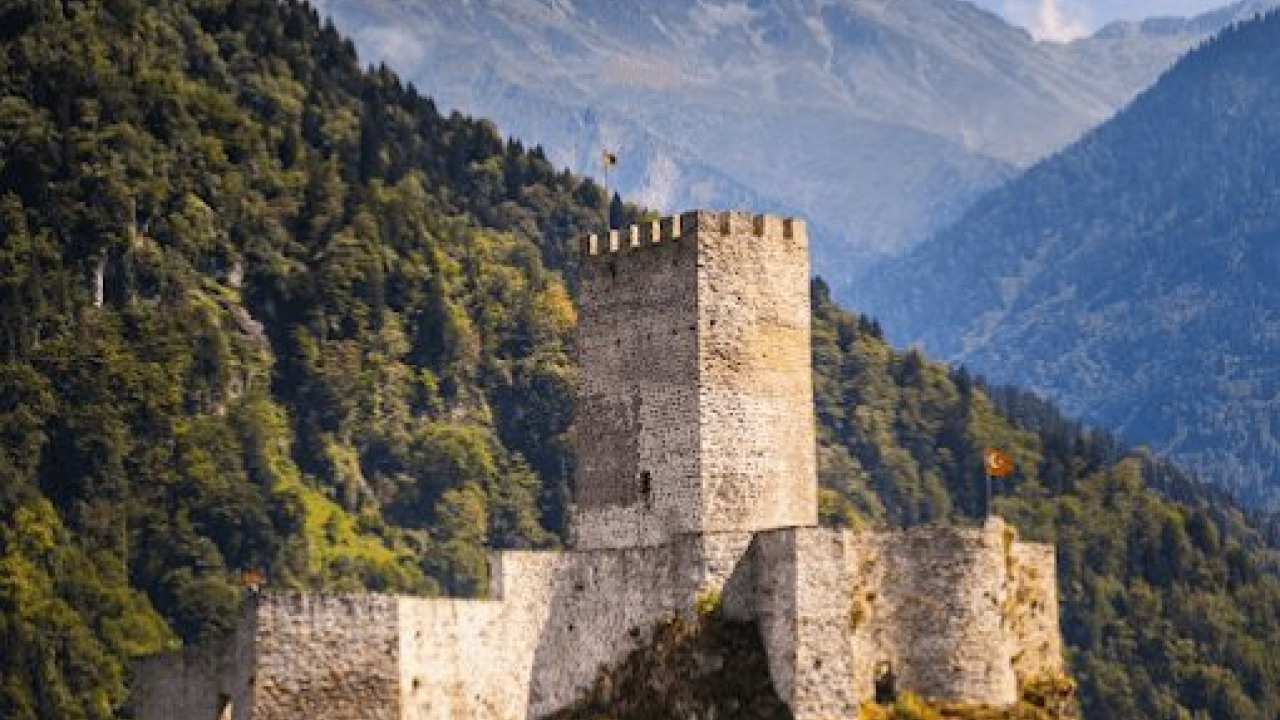
Watchtowers and defensive walls on the eastern slope were built for protection. This site, established under challenging valley conditions, showcases the self-sufficient nature of the monastery.
How to Get to Sümela Monastery: Step-by-Step Route
The route begins in Trabzon city center and follows the highway through the Maçka district to the floor of the Altındere Valley. After reaching the vehicle parking area within the valley, shuttle services and a steep forest path are used to reach the historic structure.
Planning your journey to the region is quite straightforward. For day trips, choosing Sümela Monastery day cultural tour options ensures that all transportation and transfer processes are professionally coordinated. Independent travelers are advised to follow local signage and utilize the designated parking areas at the valley floor.
The following numbered steps outline the travel route from Trabzon center to the monastery gates:
- Depart from meeting points in Trabzon city center heading towards Maçka.
- Arrive at the Altındere Valley entrance and proceed to the valley parking area.
- Confirm the valley shuttle schedule and transfer conditions before starting the hike.
- Walk the forest path via the stone staircases to reach the monastery's historic entrance and ticket office.
- After ticket and ID checks, enter the courtyard of the rock-cut complex.
Traveling from Trabzon Center to Maçka
The road leading south from Trabzon city center runs along Değirmendere and connects to the Maçka district. The Black Sea nature lining the roadside provides impressive views from the very first minutes of the trip. The asphalt road quality is excellent, ensuring a comfortable drive.
After passing Maçka, you will turn toward the Altındere Valley. The road winds deeper into the valley as the spruce trees become denser, and the sound of the flowing stream adds a sense of tranquility to the journey.
Altındere Valley Transfers and the Path Ascent
Since the shuttle arrangements from the parking area to the trailhead can change seasonally, it is wise to confirm local conditions in advance. Guided VIP tours simplify the process by providing round-trip transfers, fuel, and parking services.
The stone stairs leading from the trailhead to the monastery gates are manageable, though they require steady footing. Rest areas and viewpoints overlooking the valley are available along the way.
Visiting Seasons and Weather Conditions in the Black Sea
Influenced by the Eastern Black Sea mountain climate, the Altındere Valley can experience heavy fog, sudden rainfall, and cool temperatures during seasonal transitions. While the region offers lush greenery in spring and summer, it transforms into a rich tapestry of colors during the autumn leaf-fall.
Sümela Monastery welcomes visitors year-round, offering vastly different visual experiences depending on the season. While summer brings high humidity and warm weather, cool mountain breezes make walking pleasant. In winter and early spring, the snow-covered mountain peaks provide a breathtaking backdrop to the monastery's architecture.
Spring and Summer Visiting Dynamics
Tourism activity picks up in May and reaches its peak during the summer months. The longer daylight hours during this period allow for more relaxed and extensive exploration of the site. However, due to high visitor density in summer, setting off early in the morning is a significant advantage.
Temperatures in the valley are typically a few degrees cooler than on the coast, and shaded paths provide relief from the sun. For nature photographers, the clearest light is often found on summer mornings.
Autumn: Preparing for Fog and Rain
In September and October, the Altındere Valley turns into a stunning palette of yellow, red, and green. The characteristic Black Sea fog often settles deep into the valley during this time. The sight of the monastery silhouette emerging through the mist creates dramatic scenes for photographers.
As sudden rainfall is common in autumn, waterproof clothing is highly recommended. Please be careful on the stone steps, as they can become slippery when wet.
Altındere Valley Tour Programs and Packages
Cultural tours in the Altındere Valley range from group day programs to personalized VIP transfer alternatives. These packages cater to different needs, making your journey more efficient through professional guidance and seamless transfers.
While group tours offer a budget-friendly and social way to travel, private transfer programs are ideal for families seeking independence. When planning your itinerary, you can evaluate the various Sümela Monastery guided tour options. In both models, the logistical complexities of the route are managed by expert teams.
Group Tours and Guided Programs
Group cultural tours typically depart from central locations such as Trabzon Meydan Park. Comprehensive 8-hour programs often include other historical and natural stops, such as Hamsiköy, alongside Sümela Monastery. Professional guides provide detailed historical context throughout these tours.
For group programs, local entry fees and services are usually handled on-site. Reservations should be made at least one day in advance, with flexible cancellation policies available up to 24 hours before departure.
Private VIP Transfers and Independent Itineraries
For guests who prefer to manage their own pace, the 4-hour Altındere Valley Private VIP Tour is an excellent choice. Starting from the Atatürk Statue at Trabzon Meydan Park, this package includes transfers, fuel, and parking for a premium experience. In this model, your driver remains at the parking area while you explore the monastery.
Private tours are available in both Turkish and English. This allows visitors to explore at their own speed and take as many photo breaks as they wish.
Practical Tips and Gear Recommendations for Visitors
The steep terrain and stone staircases of Sümela Monastery require visitors to be physically prepared and equipped with the right gear. With non-slip shoes, clothing suitable for changing mountain weather, and a few practical precautions, the site can be explored comfortably.
To maximize the quality of your visit, some preparation is essential. Adjusting your walking pace to the valley's natural terrain and planning your steps with Sümela Monastery walking tour options will help you manage your energy effectively.
Here are some practical tips for exploring the valley:
- Opt for walking shoes with non-slip soles suitable for uneven terrain.
- Since Black Sea mountain weather is unpredictable, keep a raincoat and layers in your bag.
- Keep cash ready for valley shuttles and small local expenses.
- Because the path stairs are steep, proceed with careful steps rather than a fast pace.
Please note that due to the steep and inclined structure, there are physical limitations for guests using wheelchairs. Strollers must also be carried due to the stone steps.
Discovering Heritage on the Slopes of Karadağ: Summary
Blending with the natural texture of the Altındere Valley, Sümela Monastery is an indispensable stop on any Trabzon or Eastern Black Sea cultural itinerary. With a well-planned program and professional tour support, this ancient heritage can be experienced to its fullest.
Don't limit your Trabzon trip to just the monastery; expand your journey with guided tour options in Trabzon City Center to include other historical landmarks. The city's historic buildings and coastline form a high-quality cultural route that completes your Black Sea adventure.
To build a comprehensive itinerary, check out our Sümela Monastery and Altındere Valley Travel Guide to include nearby canyons and valleys. This will help you prepare a complete plan covering the region's highlands and historic villages.
This monumental heritage, built into the cliffs, leaves a lasting impression with its thousand-year history. A well-prepared visit will make you feel the living history of the Black Sea.
Frequently Asked Questions 5
Is Sümela Monastery open?
The visiting hours and open sections of the Sümela Monastery archaeological site vary by season. It is recommended to confirm current visiting hours at the local ticket offices before exploring the rock church and courtyard areas in the Altındere Valley. Traveling with planned tours makes the visit flow more smoothly.
Is the Museum Pass valid at Sümela Monastery?
Ticket rates and the validity of museum passes at the Sümela Monastery archaeological site are determined by seasonal regulations. We advise visitors to check current ticket conditions, discount eligibility, and ticket office hours through official announcements from the relevant authorities before arriving to ensure a smooth entry.
In which province is Sümela Monastery located?
Sümela Monastery is located in the Trabzon province within the Eastern Black Sea region. Situated in the Altındere Valley of the Maçka district, the historic structure is built into the steep cliffs of Karadağ. Access to the valley is easily provided year-round via daily shuttles from Trabzon city center, cultural tours, or rental cars.
How do I get to Sümela Monastery?
To reach Sümela Monastery, travel from Trabzon city center toward Maçka. Upon reaching the Altındere Valley entrance, leave your vehicle in the parking area and take the monastery shuttle service. From the shuttle point, walk up the forest path staircases to reach the historic site. For a more comfortable journey, consider booking a guided tour.
Is Sümela Monastery a historical monument?
Sümela Monastery is a registered and protected historical monument with over a thousand years of history. The rock-cut complex, with its frescoes, aqueducts, library rooms, and chapels, is one of the most important cultural heritages in the region and is recognized as a world-class cultural landmark.