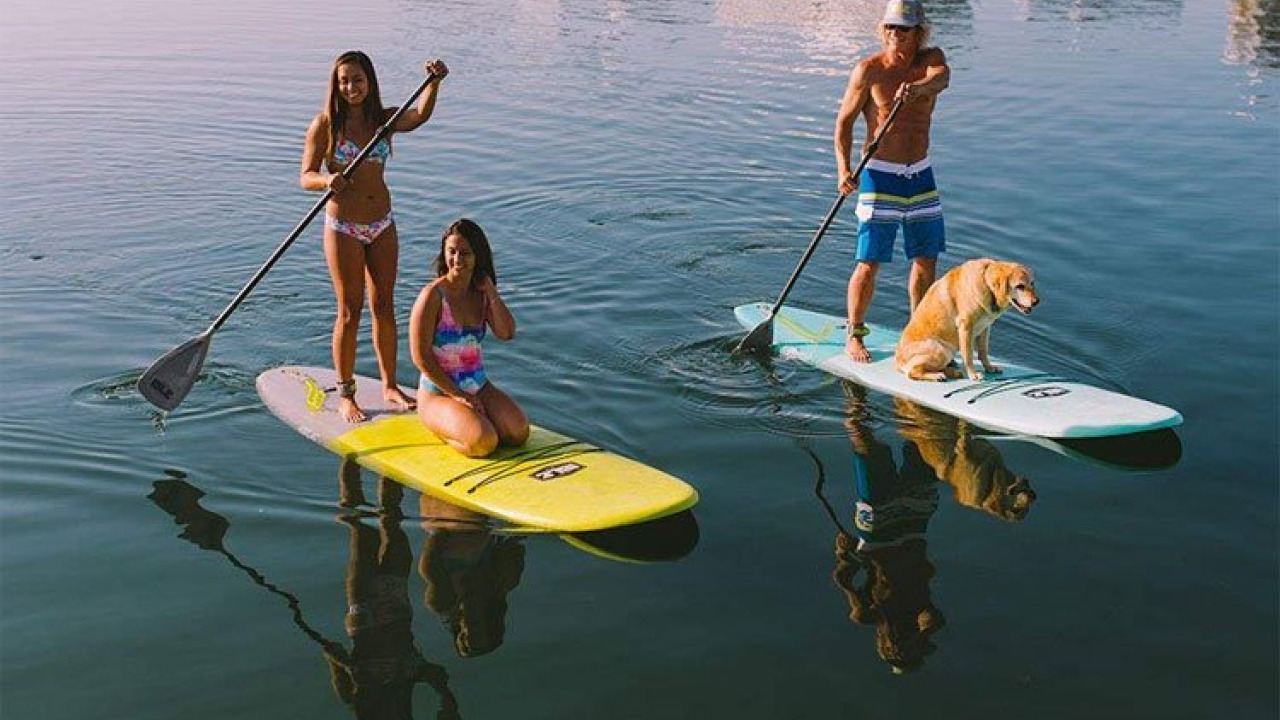
There is nothing quite like the serenity of gliding across a mirror-like sea as the first rays of dawn hit the horizon. Stand Up Paddleboarding (SUP), a modern evolution of the ancient Hawaiian tradition of paddling while standing on a surfboard, has become one of the world's most relaxing and popular water sports. From tranquil lakes to crystal-clear coastlines, SUP offers a unique perspective of the world. With professional paddle board turları ve kürek aktiviteleri provided by licensed centers, adventurers of all ages can master the art of balance and explore hidden coves from a breathtaking vantage point.
Beyond being a peaceful escape, paddleboarding is a fantastic full-body workout that engages your core, legs, and arms. However, the tranquility of the water belies the need for proper safety discipline. While the board itself provides buoyancy, offshore winds, currents, and sudden loss of balance make preparation essential. This guide is designed for beginners and enthusiasts alike, based on national sporting federations and Coast Guard safety standards.
SUP Quick Facts: Everything You Need to Know Before You Paddle
| Feature | Essential Guide for Paddlers |
|---|---|
| Regulatory Standards | Turkish Canoe Federation & Coastal Governorates Sporting Directives |
| Critical Safety Gear | Coiled safety leash (connecting board to ankle) and a PFD life jacket |
| Best Time to Start | Early morning (07:00 - 10:00) when winds are calm and seas are flat |
| Wind Limits | Max 10 knots for beginners/intermediates; avoid offshore winds |
| Paddle Length | Should typically be 20 to 25 cm taller than the user |
| Weight Capacity | Standard inflatable SUPs generally support between 100 kg and 140 kg |
Turkey's Most Breathtaking Paddle Boarding Destinations
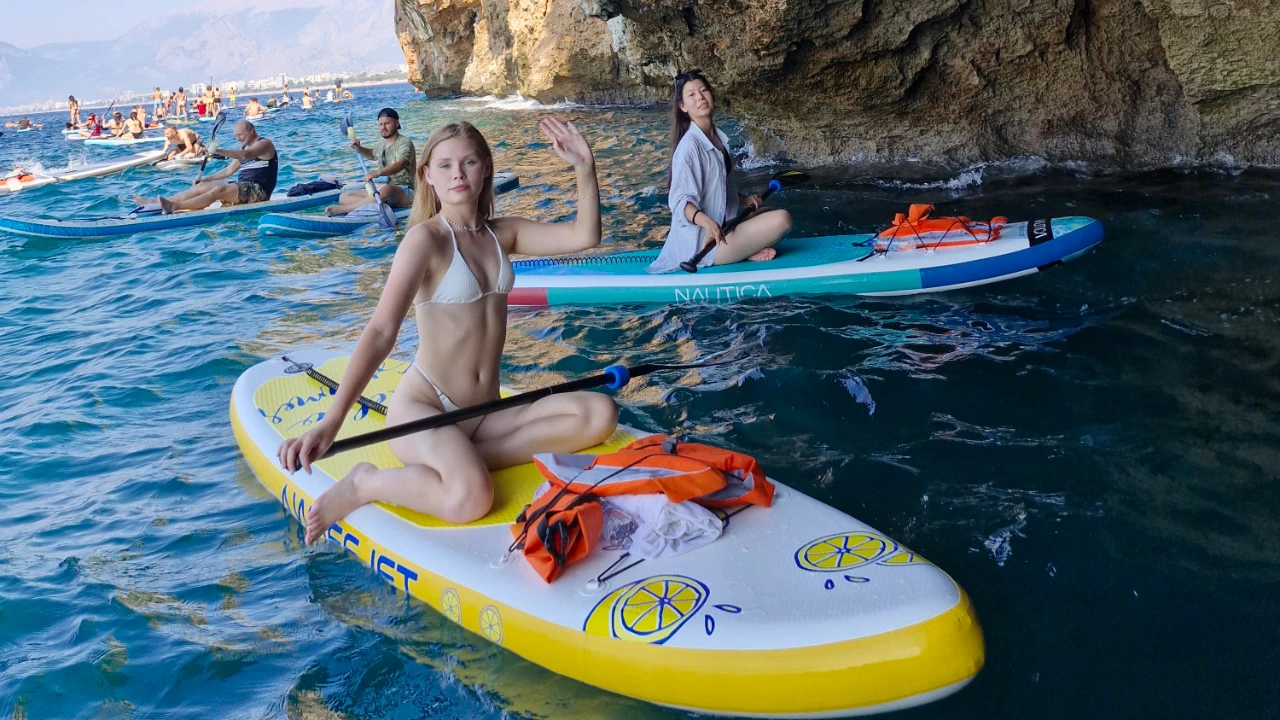
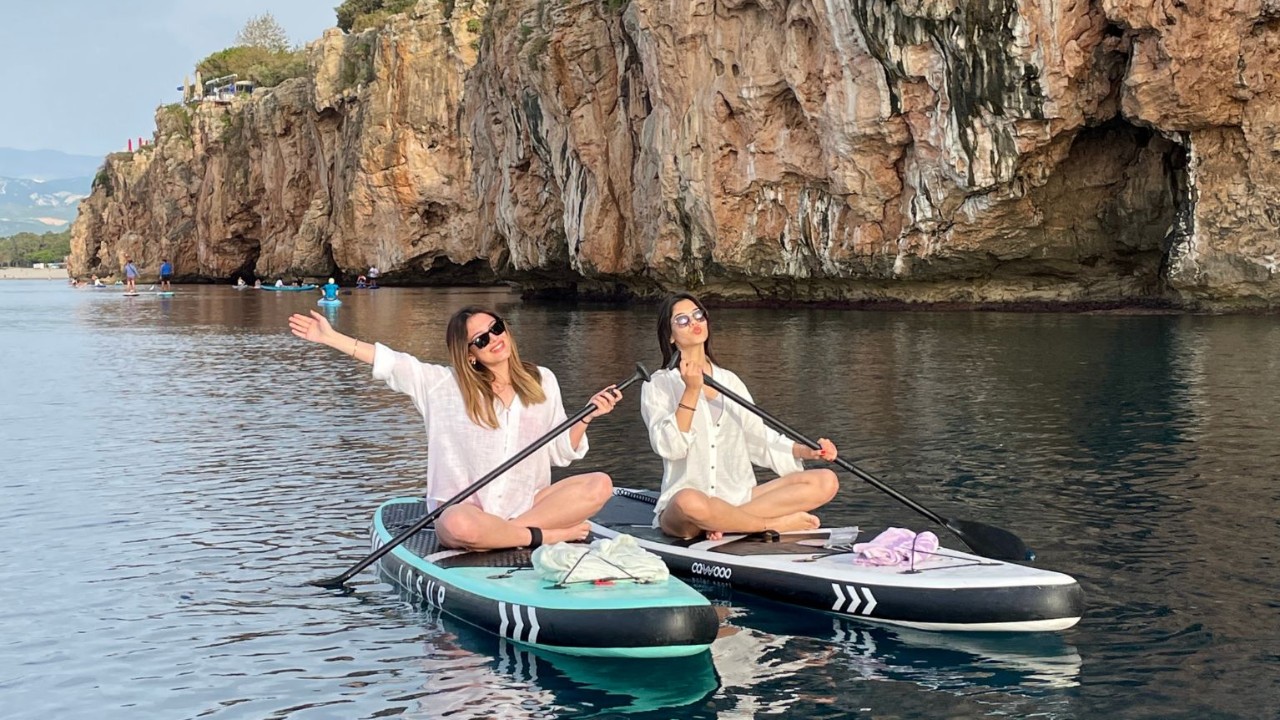
Turkey's sheltered lagoons, turquoise bays, and glass-like morning waters provide a paradise for SUP enthusiasts. Along the dramatic cliffs of the Mediterranean, Antalya Paddle Boarding allow you to discover sea caves and shallow reefs right from the water's surface. The calm waters off the coast of Antalya are particularly ideal for beginners looking to find their footing.
Konyaaltı and the Cliffside Routes
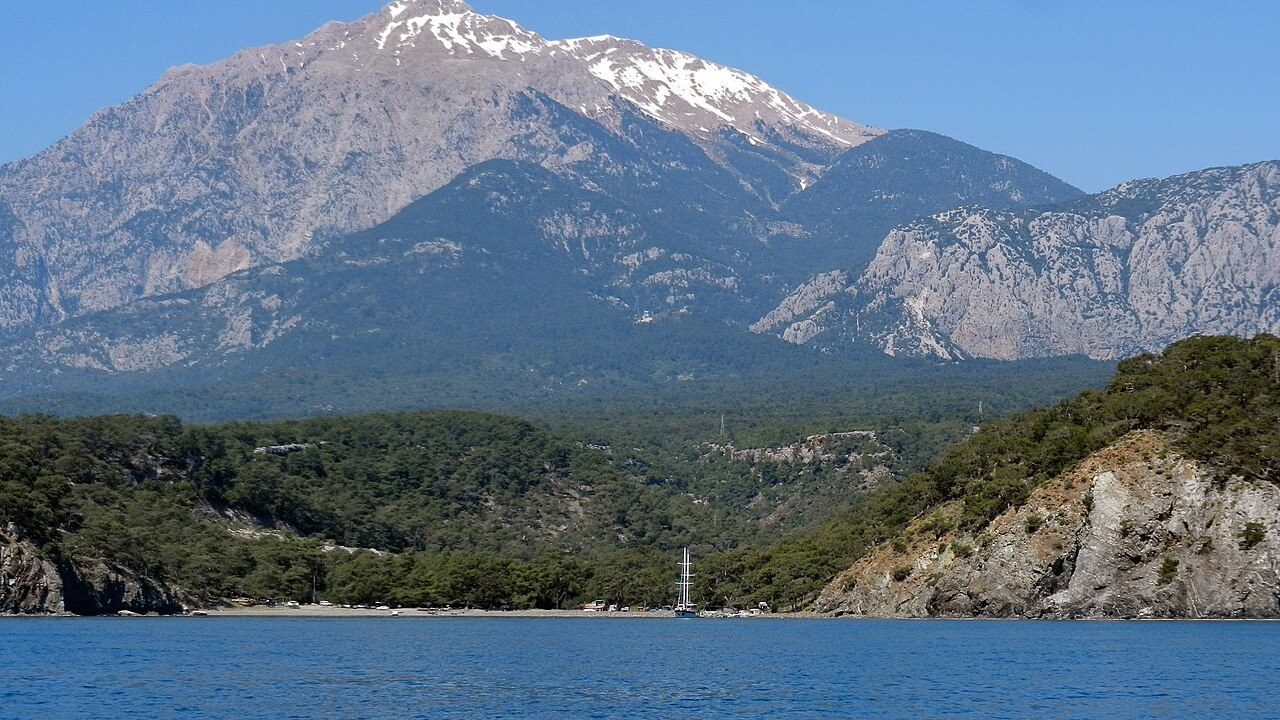
For those who want to paddle against the majestic backdrop of the Taurus Mountains, Paddle Boarding in Konyaalti are a top choice. These early morning excursions offer a spiritual start to the day, with many paddlers practicing yoga or meditation on their boards as the sun rises.
Alanya Bay and Oba Coastline
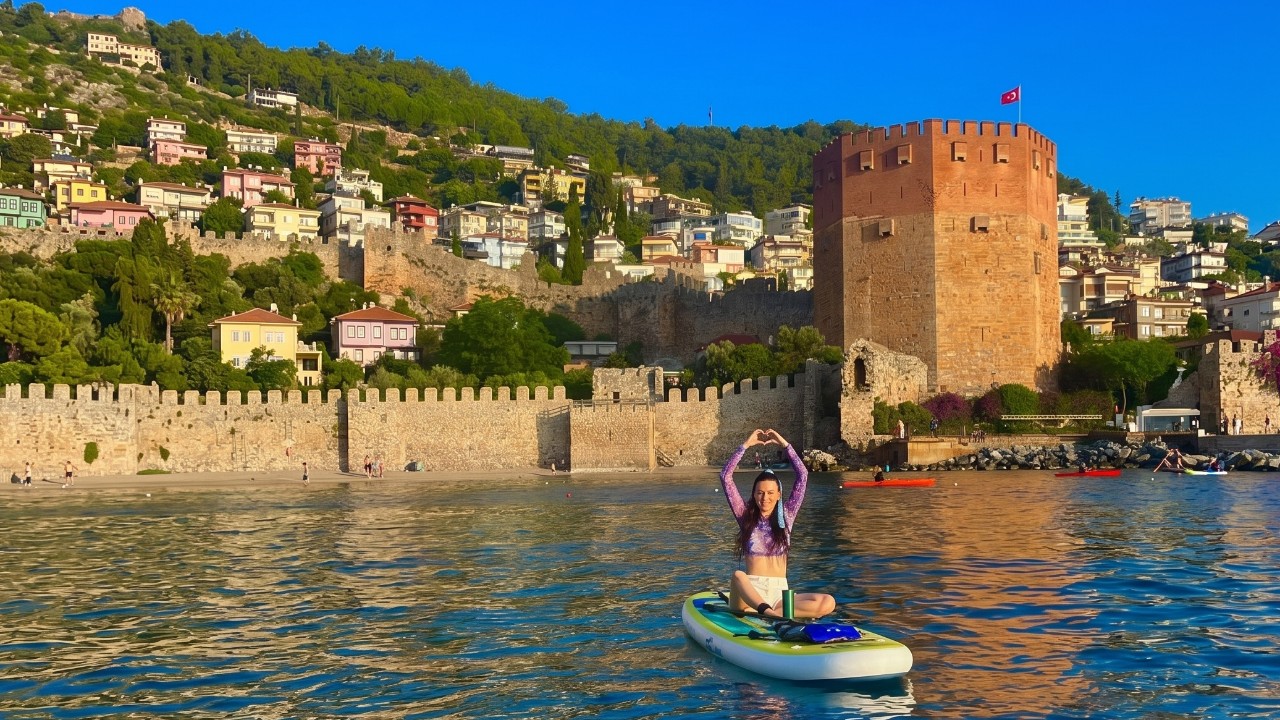
Located on the eastern shores of the historic peninsula, Alanya Oba plajı kürek aktiviteleri provide a safe, sandy, and shallow environment perfect for first-timers. For a touch of history, Alanya kale eteklerindeki kürek seyrileri take you gliding beneath the walls of Alanya Castle and around the iconic Red Tower.
Comparing SUP Board Types and Disciplines
Not all boards are created equal. Depending on your goals, the water conditions, and your experience level, you'll want a specific hull shape. Today, high-pressure "drop-stitch" technology allows inflatable SUPs (iSUPs) to offer the rigidity of hard boards with the convenience of portability.
The following table breaks down the different board types to help you choose the right one:
| Board Model | Avg. Length & Width | Stability Level | Speed & Maneuverability | Best Use Case |
|---|---|---|---|---|
| All-Round | 320 cm L / 81 cm W | Very High (Wide nose) | Balanced & steady | Beginners, families, casual cruising |
| Touring | 380 cm L / 76 cm W | Medium to High (Pointed nose) | High tracking speed | Long-distance exploration, light chop |
| Race | 420 cm L / 66 cm W | Low (Requires skill) | Maximum speed | Pro racers, open water training |
| Yoga / Fitness | 330 cm L / 86 cm W | Maximum Stability | Low speed, wide deck | On-water Pilates, yoga, stretching |
For vacationers and beginners, the All-Round model is the safest bet, minimizing the risk of tipping. With a width of 32 inches or more, these boards allow novices to build confidence without panic. They are also the perfect choice for family activities and leisurely bay tours.
Life-Saving Gear: The Leash and PFD Standards
In open water, the most critical piece of safety equipment is the leash. This coiled cord connects the board's D-ring to the paddler's ankle or calf via a secure Velcro strap. If you fall, a sudden gust of wind or current can sweep your board dozens of meters away in seconds. The leash ensures you are never separated from your primary flotation device.
Coiled Ankle Leash Standards
While quick-release waist leashes are preferred for river or stream paddling to avoid entanglement, the coiled ankle leash is the gold standard for calm seas. It stays out of the way and minimizes drag, ensuring that you and your board remain a team regardless of the current.
Personal Flotation Device (PFD)
The second non-negotiable is a PFD (life jacket). A properly fitted jacket with at least 50 Newtons of buoyancy keeps you afloat effortlessly if you fall. Advanced paddlers often opt for compact, inflatable belt-packs that provide safety without restricting the range of motion needed for efficient paddling.
The 5-Step Protocol for a Safe Paddle Boarding Experience
To eliminate risk and ensure a smooth ride, follow these five essential steps before and during your session:
- Weather and Wind Analysis: Check the forecast. Ensure wind speeds are below 10 knots and strictly avoid paddling during "offshore" winds (winds blowing from the land toward the sea).
- Gear Check & Leash Connection: Put on your PFD, have a whistle ready, and securely fasten the leash to your dominant ankle.
- The Kneeling Start: Don't rush to stand. Start by kneeling on either side of the carry handle to feel the board's balance and take a few initial strokes.
- Proper Standing Technique: Once stable, place your feet shoulder-width apart and parallel. Keep your knees slightly bent and keep your eyes on the horizon, not your feet.
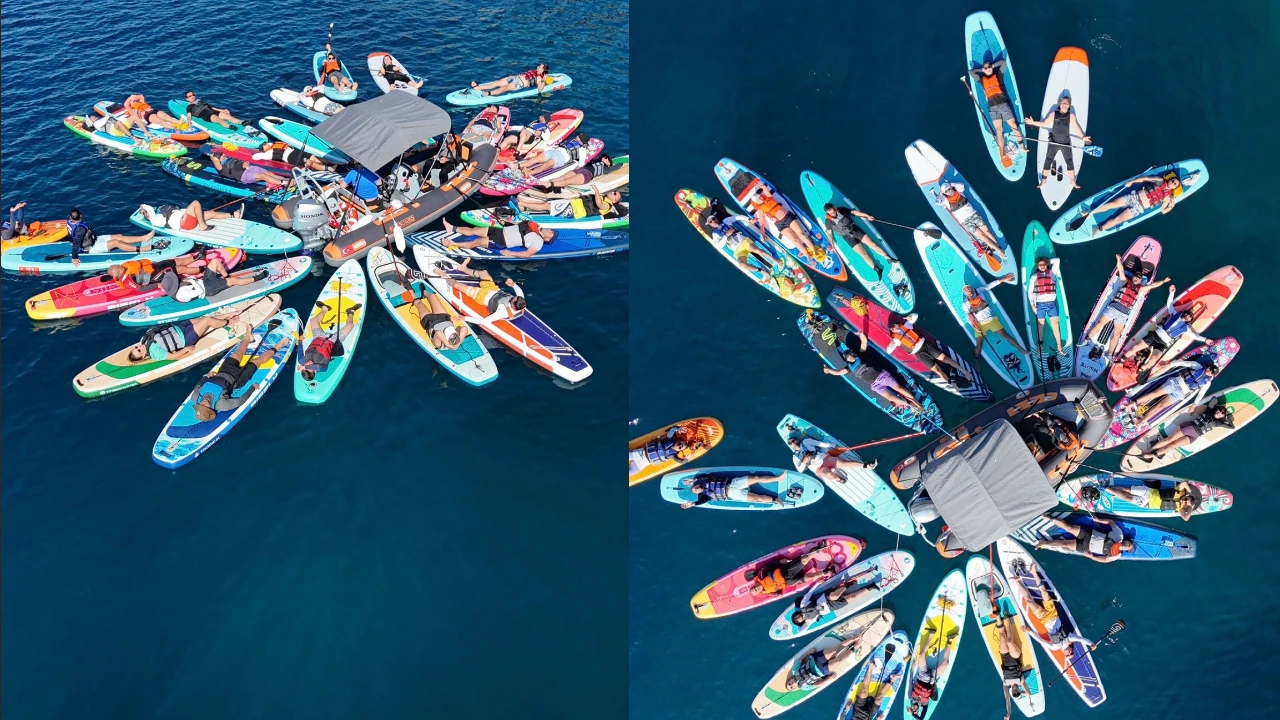
- Group Discipline & Shoreline Tracking: Avoid venturing far into open water alone. Stay on the route designated by your guide and maintain visual contact with your group.
By following this protocol, you'll build the muscle memory needed to paddle with professional confidence from day one.
Paddle Biomechanics and Wind Safety
Efficiency on a SUP comes down to technique. Grip the T-bar handle with your thumb locked and hold the shaft with your other hand. Ensure the blade of the paddle is angled forward; this prevents the water from pushing the blade back toward you.
Blade Angle and Body Dynamics
Avoid using only your arms. Instead, rotate your torso from the waist, engaging your core muscles for power. After three or four strokes on one side, switch hands to maintain a straight trajectory.
The "Kneeling Maneuver" for Headwinds
If you encounter a sudden headwind, standing up can turn your body into a sail, making it difficult to move forward. In this case, immediately drop to your knees or lie flat on the board (prone paddling). Reducing your profile breaks the wind resistance and allows you to return to shore safely.
SUP Packing List: What to Bring
- Rash Guard: Protects your shoulders and back from UV rays during long hours on the water.
- Chin-Strap Sun Hat: Prevents sunstroke and ensures your hat doesn't blow away in the breeze.
- Non-Slip Water Shoes: Provides a firm grip on the EVA deck pad and protects your feet from rocky shores.
- Waterproof Phone Case: Keeps your communication device safe from splashes or an unexpected dip.
Falling and Recovering: The Safe Way Back Up
Falling into the water is a natural, and refreshing, part of the learning process. To avoid bruising yourself on the board or paddle, the safest reflex is to jump sideways, directly into the water, the moment you feel your balance slipping.
Thanks to your leash, your board will be right beside you. To climb back on, grab the center carry handle firmly. Kick your legs to glide your chest onto the board horizontally. Once centered, pull your knees toward your stomach and return to a kneeling position.
SUP Pressure (PSI) and Valve Maintenance
For an inflatable board to feel as stable as a rock, it must be inflated to the correct pressure. Most touring boards operate between 12 and 15 PSI. Under-inflation causes the board to "taco" (bend in the middle), which ruins your balance.
Be mindful of the heat; boards left in the direct sun can experience internal air expansion, potentially reaching dangerous pressure levels. Always move your board to the shade during breaks or release a small amount of air via the valve.
After your session, ensure the valve cap is tightly closed and rinse the board with fresh water to remove salt. These simple steps extend the life of your gear and ensure your next adventure is just as safe.
Frequently Asked Questions 5
Do I need a special license or certification to paddle board in Turkey?
No license or certification is required for SUP tours or rentals. A basic briefing on balance and paddling provided by instructors before the tour is sufficient for most participants to start safely.
What are the age limits for paddle boarding?
For independent use, the minimum age is generally twelve. However, children as young as six can join tandem trips if they sit in front of a parent on a wide All-Round board. There is no upper age limit for adults with sufficient physical balance.
What safety and protective equipment is mandatory?
An ankle leash and a properly fitted PFD (life jacket) are the most essential mandatory items. We also highly recommend carrying an emergency whistle and a waterproof phone case.
What should I wear and bring on the tour?
The essentials include a swimsuit or board shorts, a UV-protective rash guard, a hat with a chin strap, non-slip water shoes, and waterproof sunscreen.
Where are the most popular paddle boarding spots in Turkey?
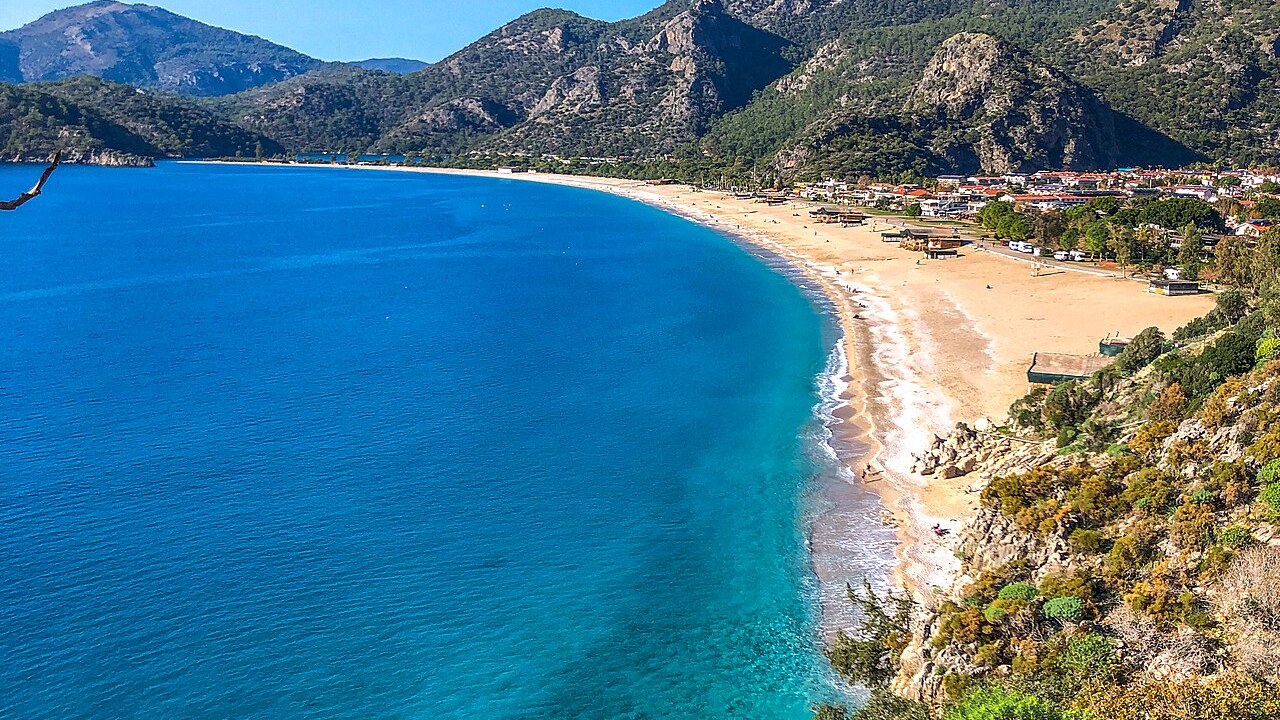
The most popular spots include the Konyaaltı cliffs in Antalya, Oba Beach in Alanya, the bays of Kekova in Kaş, Akyaka in Muğla, and the famous Ölüdeniz in Fethiye.