
Perched at an altitude of 2,150 meters in the Eastern Taurus Mountains, the monumental statues of Mount Nemrut stand as one of the most captivating legacies of the Hellenistic period. This sacred site, a UNESCO World Heritage landmark, was commissioned by King Antiochus I of Commagene as a grand tribute to the gods and his ancestors. For travelers planning a visit, booking professional cultural tours departing from Adıyaman ensures a seamless and organized experience. Reaching the summit requires both physical preparation and precise timing.
The surrounding landscape is a dramatic blend of rugged canyons, ancient bridges, and massive tumuli. At dawn and dusk, the sky transforms into a canvas of colors, casting unforgettable shadows across the ancient stone blocks. In this guide, we cover everything from the logistics of traveling from Adıyaman city center to the summit, hiking trail conditions, and the must-visit Commagene stops along the way. We have compiled these practical tips step-by-step to make your journey as comfortable as possible.
Mount Nemrut and the Kingdom of Commagene: Quick Facts
Understanding the logistical variables before you start your ascent is key to a successful trip. The table below summarizes the essential parameters every visitor needs for their planning phase.
| Parameter | Field Detail & Recommendation |
|---|---|
| Geographic Location | Adıyaman Province, Kahta District |
| Summit Altitude | 2,150 meters above sea level |
| Ideal Visit Window | May through October |
| Entry Procedure | MuseumPass (Müzekart) accepted; tickets at the Visitor Center |
| Ascent Trail | 800-meter stretch of stone steps and stabilized ramps |
| Shuttle Service | Minibus ring from the ticket office to the monument base |
| Prime Viewing Times | Sunrise (04:30 - 05:45) and Sunset (18:00 - 19:30) |
As shown, the high altitude and steep hiking trail require specific preparation. After ticketing at the visitor center, shuttle services transport you to the foot of the monument stairs. From there, the final ascent to the terraces surrounding the tumulus is done on foot.
Where is Mount Nemrut and How Do You Get There?
Mount Nemrut is located in the Southeastern Anatolia Region, approximately 87 kilometers from Adıyaman city center and 43 kilometers from the district center of Kahta. Most visitors access the mountain road via Kahta. While there is an alternative route from Pütürge in Malatya, the Kahta route is traditionally preferred due to better road quality and available tourist facilities.
The mountain road has been renovated in recent years with asphalt and paving stones. However, the final 15-kilometer climb features sharp bends and steep inclines. During winter, the road is closed due to heavy snowfall. From late spring to mid-autumn, the road surface remains accessible and stable.
Transport Options from the Airport and City Center
Adıyaman Airport is the closest landing point for those flying into the region. From the airport, you can reach Kahta center in about 25 minutes via shuttle or taxi. Travelers renting cars from Şanlıurfa GAP Airport or Gaziantep Airport can reach Kahta with an average drive of two to three hours.
Public transport starts with minibuses from the Adıyaman bus terminal to Kahta. Please note that there are no scheduled municipal buses running directly from Kahta center to the mountain. Travelers typically negotiate with taxis or join local tour agencies. For this reason, organized tour transfers offer a far more practical solution than solo travel.
The Kahta Route and Mountain Driving Conditions
As you head from Kahta toward the Nemrut Visitor Center, you enter the boundaries of the Commagene National Park. Along the way, signs for the historic Cendere Bridge and Karakuş Tumulus guide the way. While the asphalt quality is generally sufficient, keep in mind that there is no street lighting for night or pre-dawn drives.
Drivers joining sunrise tours typically set off around 03:00 AM. During these hours, fog, sudden temperature drops, and wildlife crossings are common on the mountain road. Ensuring your fog lights are functional and adhering to low speed limits is critical for safety.
The Mystery of the Summit Terraces and Monumental Statues
At the summit of Mount Nemrut lies a massive 50-meter-high tumulus created by piling crushed stones. Rocky terraces are located on the east, west, and north sides of this mound. The north terrace serves as a ceremonial transition area, while the primary monumental statues are concentrated on the east and west terraces.
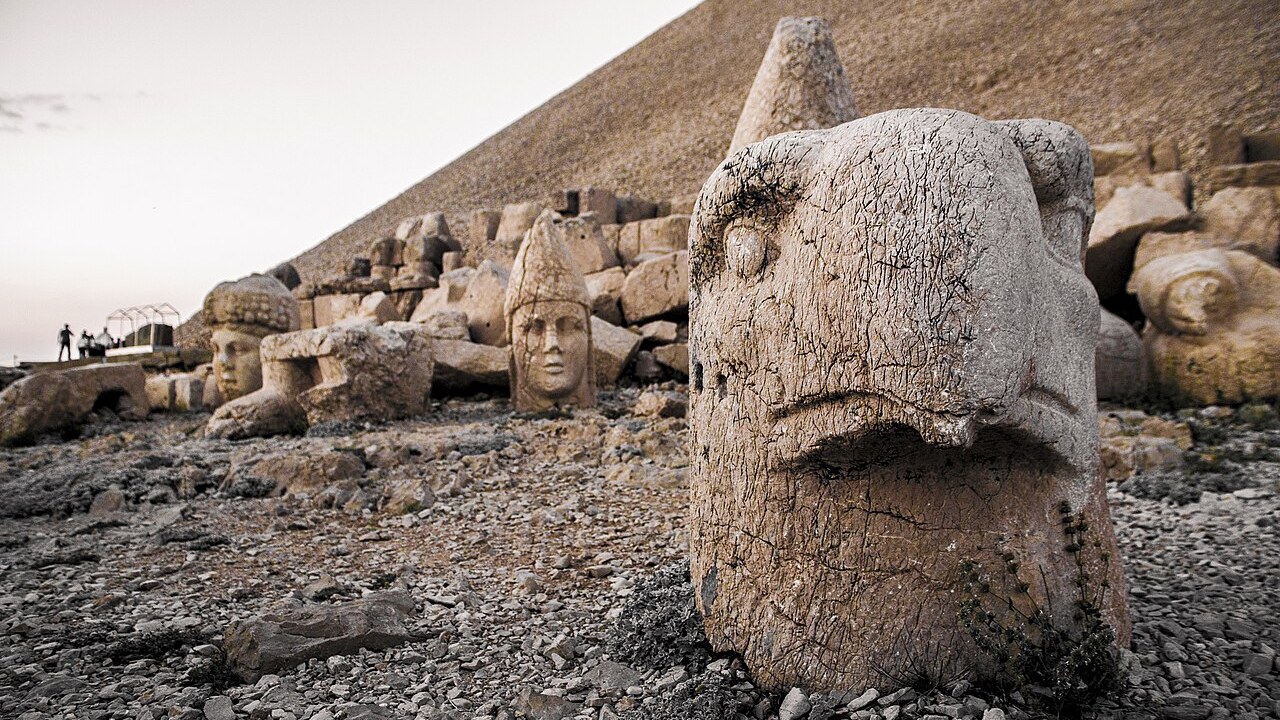
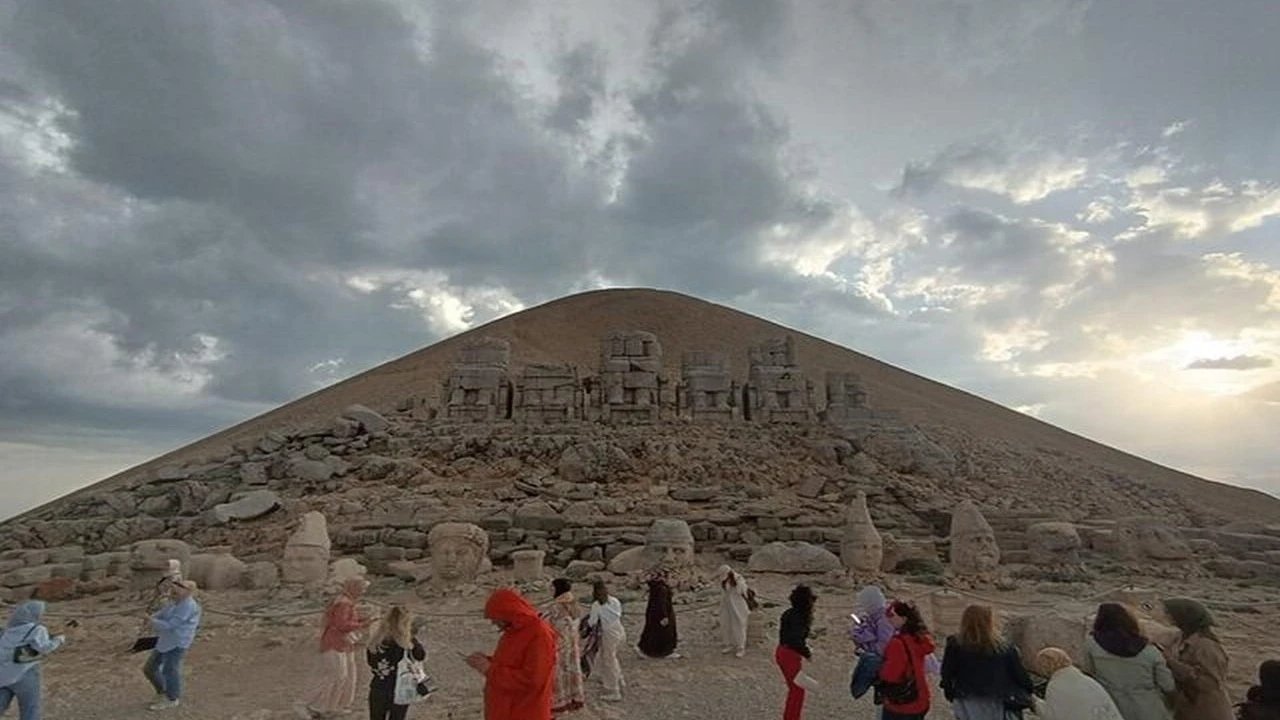
The statues depict a fusion of both Greek and Persian pantheons. King Antiochus placed his own image alongside great figures such as Apollo, Zeus, Fortuna, and Heracles. While the bodies were designed to be seated on thrones, the heads have fallen to the terrace floor over centuries due to earthquakes and natural erosion.
East Terrace: The Gallery of Gods and Altar Area
The East Terrace is the complex that greets the first rays of the morning sun. Here, a massive stone altar stands behind the statues of the gods. Long inscriptions written in Greek characters are found on the bases of the statues, detailing the king's religious laws and his will regarding the preservation of the monument.
The state of preservation on the east facade is remarkably high. Eagle and lion statues stand as guardians at either end of the divine figures; the eagle represents celestial dominion, while the lion symbolizes earthly power. The way the stones turn a golden hue in the morning light provides breathtaking opportunities for photographers.
West Terrace: Sunset Views and Reliefs
The West Terrace draws visitors as the sun dips below the horizon. It features a statue arrangement nearly symmetrical to the East Terrace. However, this side also includes monumental relief stelae depicting the king shaking hands with the gods.
The reliefs intricately detail the handshake between Antiochus and Heracles. Additionally, the famous Lion Horoscope stele, of great astrological significance, was discovered on this terrace. This relief, showing planetary alignments, documents the date of the kingdom's coronation ceremony via a star map.
The Antiochus Tumulus and the Unsolved Burial Chamber
The cone-shaped pyramid of pebbles at the peak was built as the eternal resting place of Antiochus. Due to wind erosion, the tumulus now stands approximately 50 meters high with a diameter of 150 meters.
Modern ground-penetrating radar scans indicate the presence of burial chambers inside. However, the dynamic balance of millions of tons of crushed stone makes excavation impossible; any attempt to dig causes the stones above to slide and seal the tunnel. This engineering genius has protected Antiochus's tomb for thousands of years.
Commagene Itinerary: Must-See Historical Sites Nearby
A trip to Nemrut should not be limited to the summit statues. The Commagene National Park area at the foot of the mountain is filled with other monuments of the kingdom. With a half-day itinerary, you can explore the entirety of this rich historical heritage.
The following stops are located in the valleys between Kahta and Mount Nemrut, shedding light on the kingdom's royal family, defense lines, and religious centers:
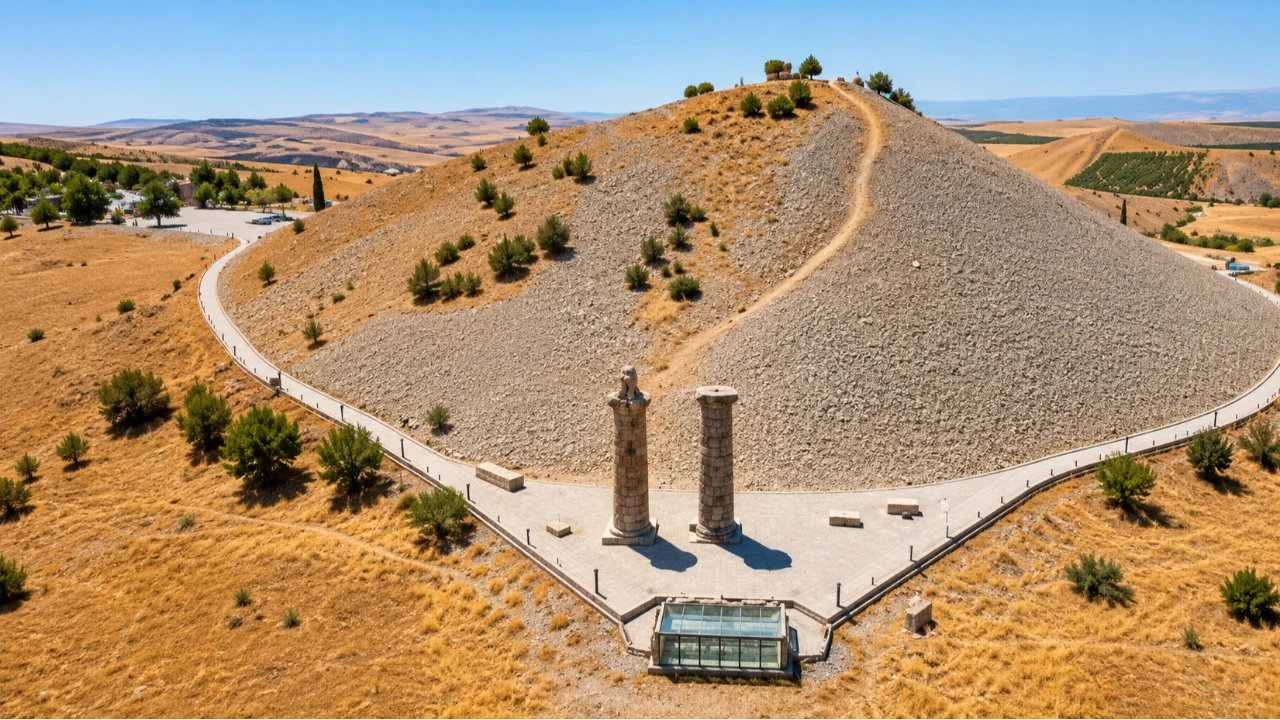
- Karakuş Tumulus: The monumental tomb of the royal women of Commagene, famous for the eagle statue column at its peak.
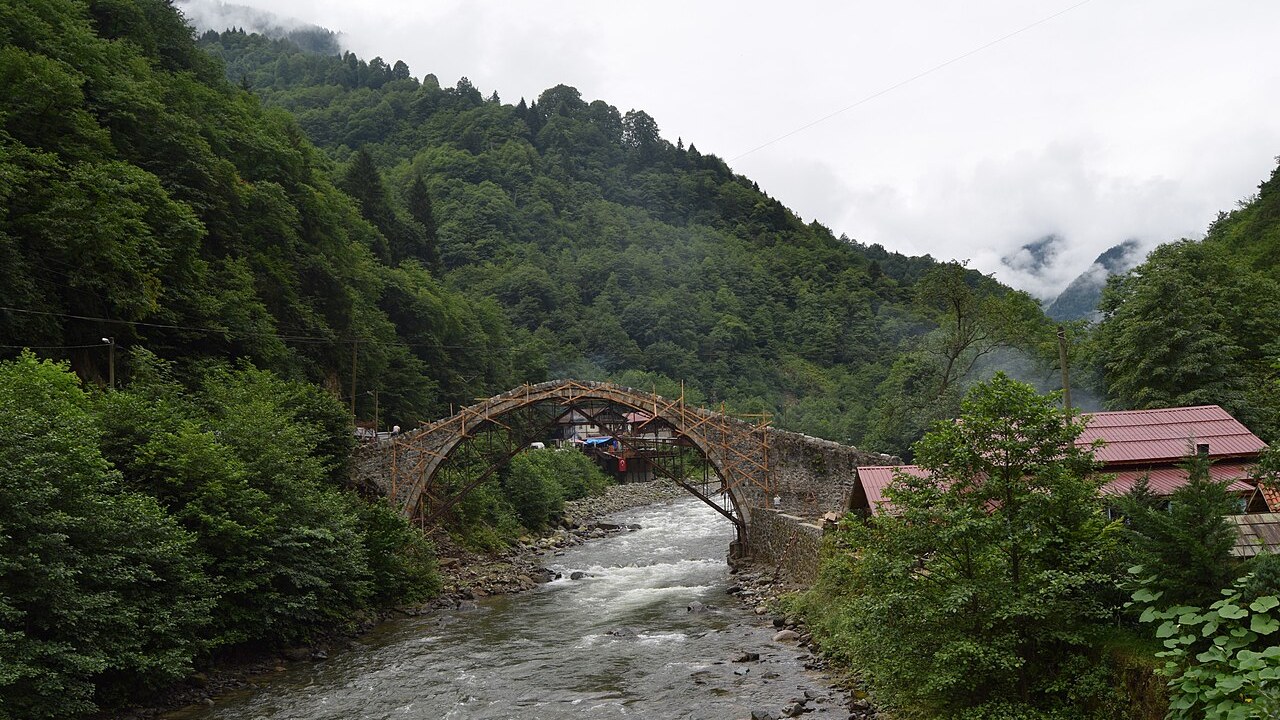
- Cendere Bridge: A monumental arch bridge made of cut stone without mortar, built during the era of Roman Emperor Septimius Severus.
- Yeni Kale (Kahta Castle): An imposing defense structure rising on steep cliffs, later passed through Mamluk hands.
- Arsemia Archaeological Site: The summer capital and sacred area of the kingdom, home to the longest Greek inscription in Turkey.
These monuments are spaced 10 to 15 kilometers apart. Those traveling in their own vehicles can visit all stops in sequence by following the directional signs along the route.
Private Car vs. Licensed Cultural Tour: Which is Better?
Deciding between renting a private car and booking an organized package tour is a common dilemma for travelers. Night driving and the winding mountain roads can be exhausting for inexperienced drivers.
The following comparison details the field conditions for both travel models.
| Criterion | Private Rental Car | Licensed Nemrut Cultural Tour |
|---|---|---|
| Night Driving Safety | Requires high driver alertness on unlit, winding roads | Professional local drivers and shuttle comfort |
| Parking & Shuttle Mgmt | Potential for vehicle queues at the summit parking in the morning | Tour vehicles have direct access to designated areas |
| Historical Narrative | Limited to info boards and personal guidebooks | Detailed insights from an expert professional guide |
| Access to Nearby Sites | Requires separate route planning for Karakuş, Cendere, and Arsemia | All Commagene points are included in a combined plan |
| Fatigue & Relaxation | Early wake-up and challenging drive can exhaust the driver | Opportunity to rest and focus on the scenery during the trip |
As the comparison shows, those who wish to understand the region deeply and avoid driving stress tend to choose organized tours. Our licensed "Adıyaman: Mount Nemrut Cultural Tour" offers a rich itinerary covering Kahta and surrounding ancient cities, allowing you to focus on the historical depth of the monuments rather than the fatigue of the road.
5-Step Safety and Preparation Protocol for the Ascent
Climbing to the summit of Mount Nemrut is a physically demanding activity. The 800-meter hiking stretch after the visitor center features a significant increase in incline. For a healthy and safe visit, we recommend following this five-step protocol:
- Thermal Clothing and Windbreakers: The temperature at the summit is 12 to 15 degrees lower than in the plains. Before sunrise, harsh mountain winds can push the perceived temperature below zero. Carrying a thick fleece, windproof jacket, beanie, and gloves is essential for your comfort.
- High-Traction Footwear: The trail consists of stone steps and loose gravel ramps. Flat city shoes or leather soles pose a slipping risk. Opt for sneakers or trekking boots with lugged soles.
- Lighting and Power Supply: When starting the climb around 04:00 AM, the steps are pitch black. Since phone flashlights drain batteries quickly, carry a headlamp or a powerful flashlight. Also, bring a portable power bank, as cold weather shortens battery life.
- Paced Climbing with Rest Stops: Oxygen levels are lower at high altitudes. Walking too quickly can lead to shortness of breath or palpitations. Taking short breaks every 100 meters to stabilize your heart rate makes the climb easier.
- Adhering to Safety Fences and Trail Limits: The statues on the terraces are protected and surrounded by rope barriers. Climbing on the statues or touching the stone blocks damages the historical artifacts and creates a fall risk. Do not stray from the designated viewing paths.
In addition to these rules, carrying water and a thermos with a hot drink makes the wait at the summit much more enjoyable. Adjusting your pace to your own fitness level is the key to maintaining your health.
Climate, Seasonal Conditions, and Ideal Timing
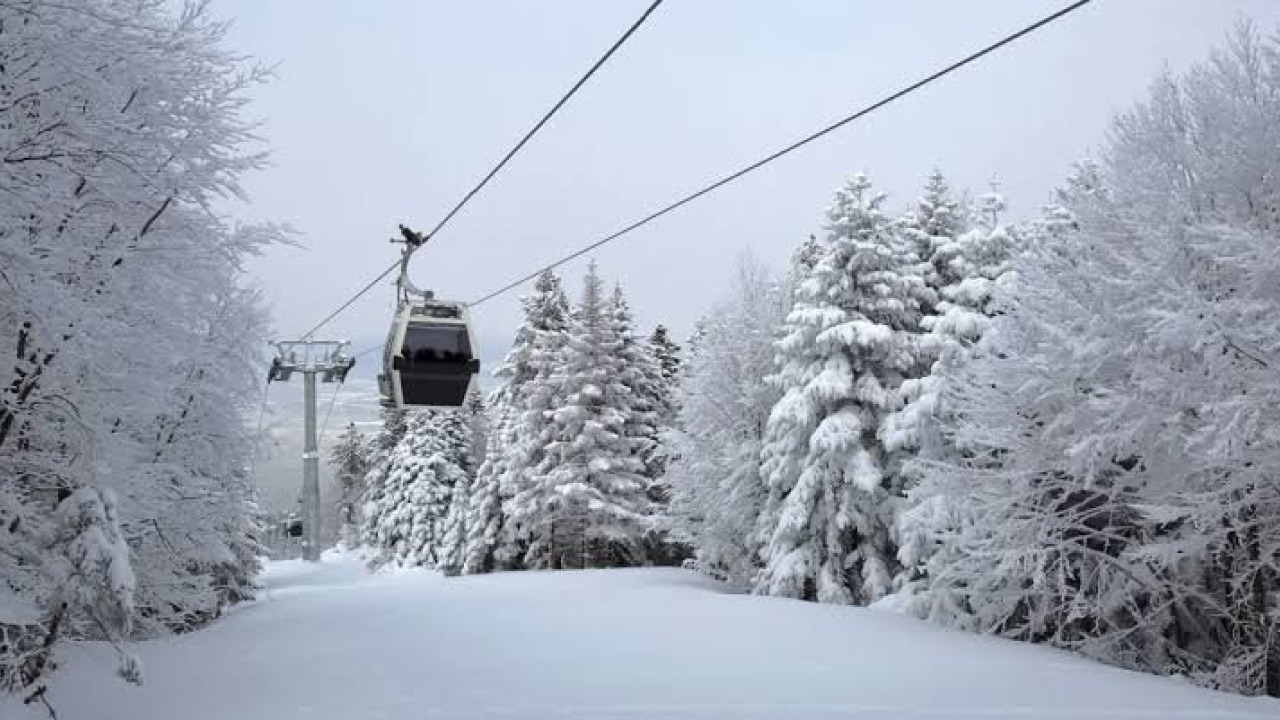
Mount Nemrut is influenced by a continental mountain climate. Winters are characterized by severe snowfall and storms, with snow depths sometimes exceeding three meters. Consequently, the monument area is officially closed to visitors from mid-November to late April.
While the Southeastern Anatolia plains experience scorching heat exceeding 40°C in the summer, the Nemrut summit remains refreshingly cool. However, temperatures drop sharply in the evening. The ideal months for visiting are May, June, September, and October. During these periods, the skies are clear and wind speeds are more moderate.
Frequently Asked Questions 5
Is the MuseumPass (Müzekart) valid for Mount Nemrut?
Yes, the Mount Nemrut Archaeological Site is affiliated with the T.C. Ministry of Culture and Tourism, and the MuseumPass is valid. You can enter by presenting your card at the visitor center ticket booths. For those without a card, tickets are available for purchase on-site.
Should I choose sunrise or sunset?
Both time slots offer unique atmospheres. Sunrise provides a mystical experience on the East Terrace as the first lights hit the faces of the statues. Sunset is mesmerizing on the West Terrace, offering a wide panorama as the sky turns crimson. Photography enthusiasts generally prioritize the East Terrace sunrise for the specific angle of light.
Can I drive my car to the summit of Mount Nemrut?
No, private vehicles cannot reach the actual summit where the monuments are located. Cars must be left at the National Park Visitor Center parking lot. From there, minibuses transport you to the transfer point where the stairs begin; the remaining 800-meter steep distance must be climbed on foot.
Is the hiking trail suitable for families with children or the elderly?
Because the trail consists of steep stone stairs and ramps, it is not suitable for wheelchairs or strollers. The climb can be tiring for elderly visitors with mobility issues or small children. However, for healthy individuals, it is manageable if climbed at a slow pace with frequent breaks.
What are the best months to visit Mount Nemrut?
The best season to visit the region is from the beginning of May to the end of October. September and October are particularly recommended as temperatures are balanced, skies are clear, and wind speeds are lower. During winter, the road is closed due to heavy snowfall.