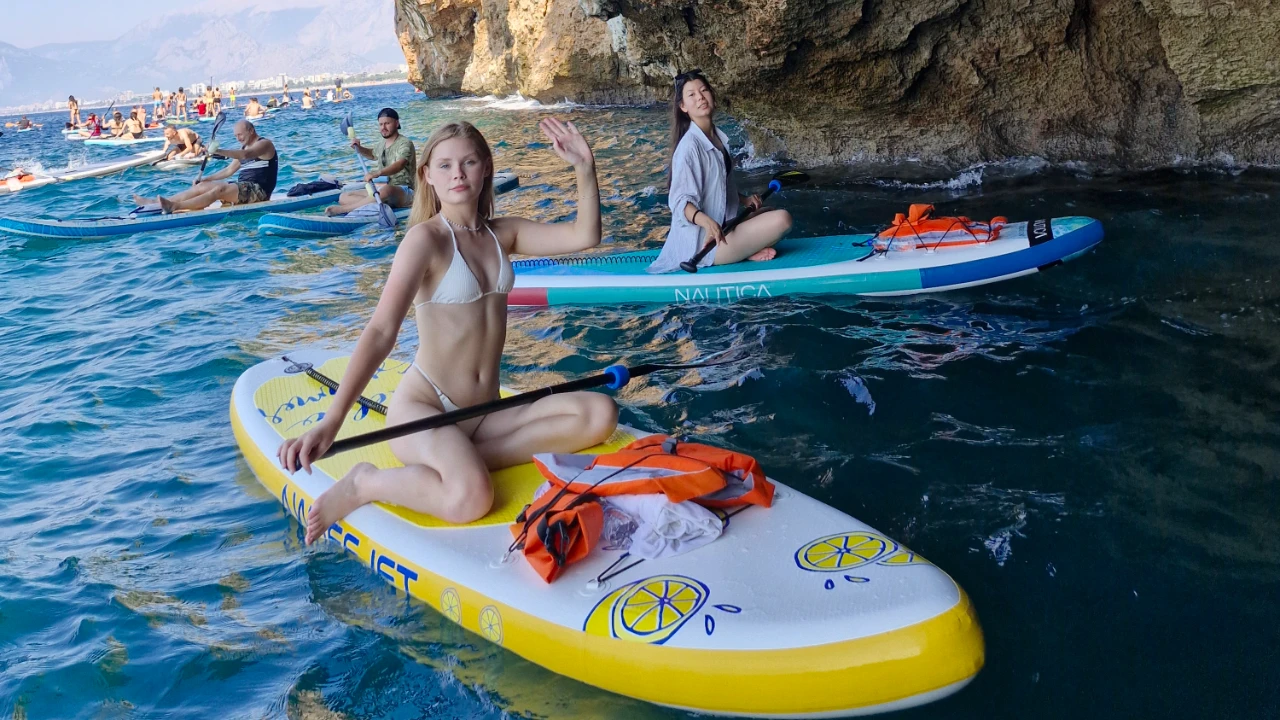
Gliding through the crystal-clear waters of the Mediterranean, accompanied only by the rhythmic splash of your paddle rather than the roar of an engine, is the ultimate way to connect with the sea. Sea kayaking allows you to navigate narrow coves, shallow reefs, and ancient underwater ruins that motorized boats simply cannot reach. When joined by professional guides, popular Kano / Deniz Kayağı Turları in the region offer nature lovers of all ages a safe way to witness history and natural wonders from sea level.
While paddling is a fantastic way to build physical fitness, it requires proper technique and a disciplined approach to safety. Understanding currents, balancing your vessel against the wind, and adhering to legal regulations in protected historical sites are essential skills. This guide is designed for everyone, from first-time paddlers to seasoned explorers, covering international safety standards and Turkey's specific maritime guidelines.
Quick Facts for Aspiring Paddlers
| Feature | Essential Summary for Visitors |
|---|---|
| Legal Framework | Governed by the Turkish Canoe Federation and Cultural Heritage Protection Laws |
| Protected Site Rules | Swimming is prohibited in the Kekova Sunken City; silent passage via canoe is permitted |
| Mandatory Gear | A properly fitted 50 Newton life jacket (PFD) and a safety whistle |
| Paddling Biomechanics | Use an asymmetric double-bladed paddle with a wide grip and torso rotation |
| Critical Safety Skill | Mastering the "wet exit" (leaving the boat during a capsize) and re-entry |
| Weather Limits | Tours are suspended in headwinds exceeding 12 knots or breaking waves |
Turkey's Most Breathtaking Kayaking and Canoeing Routes
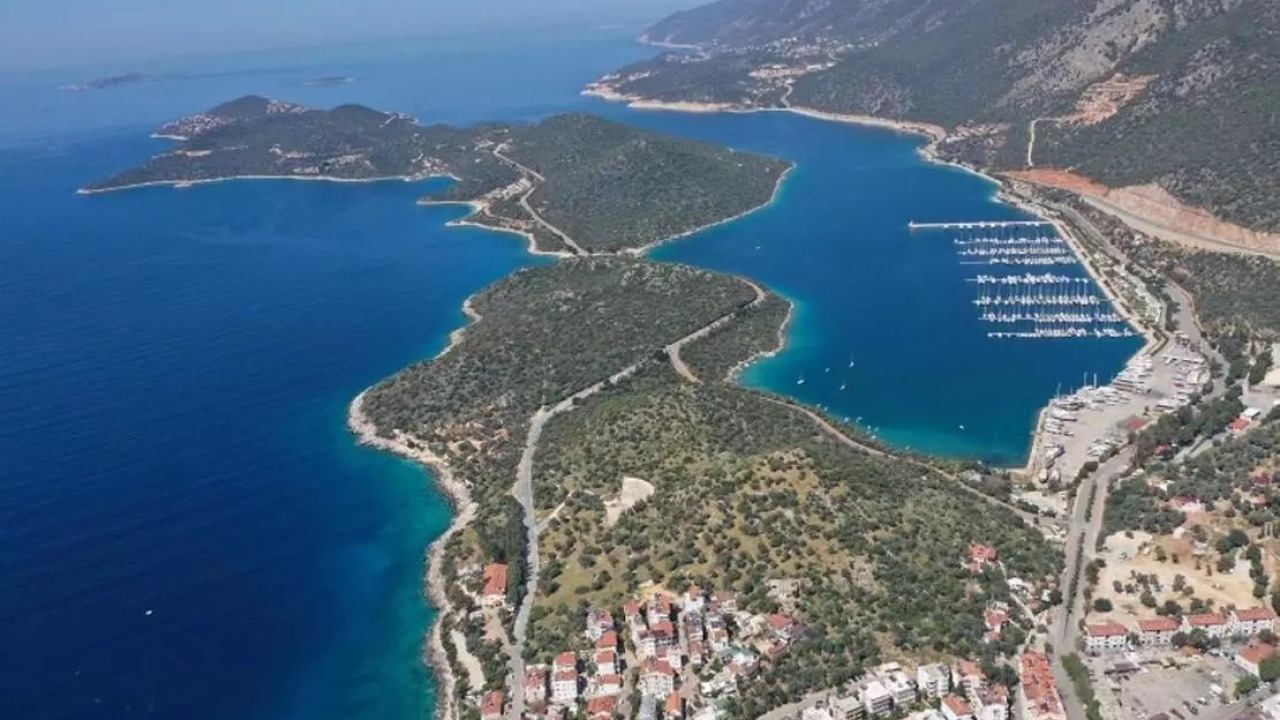
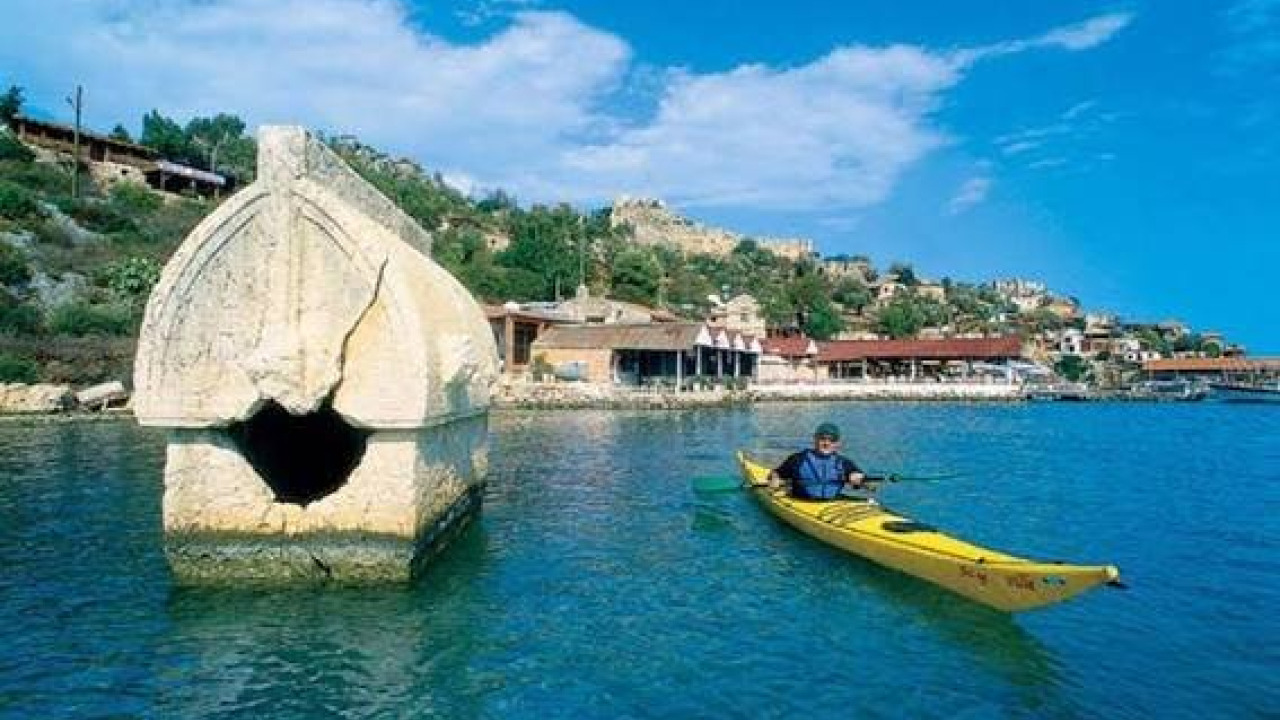
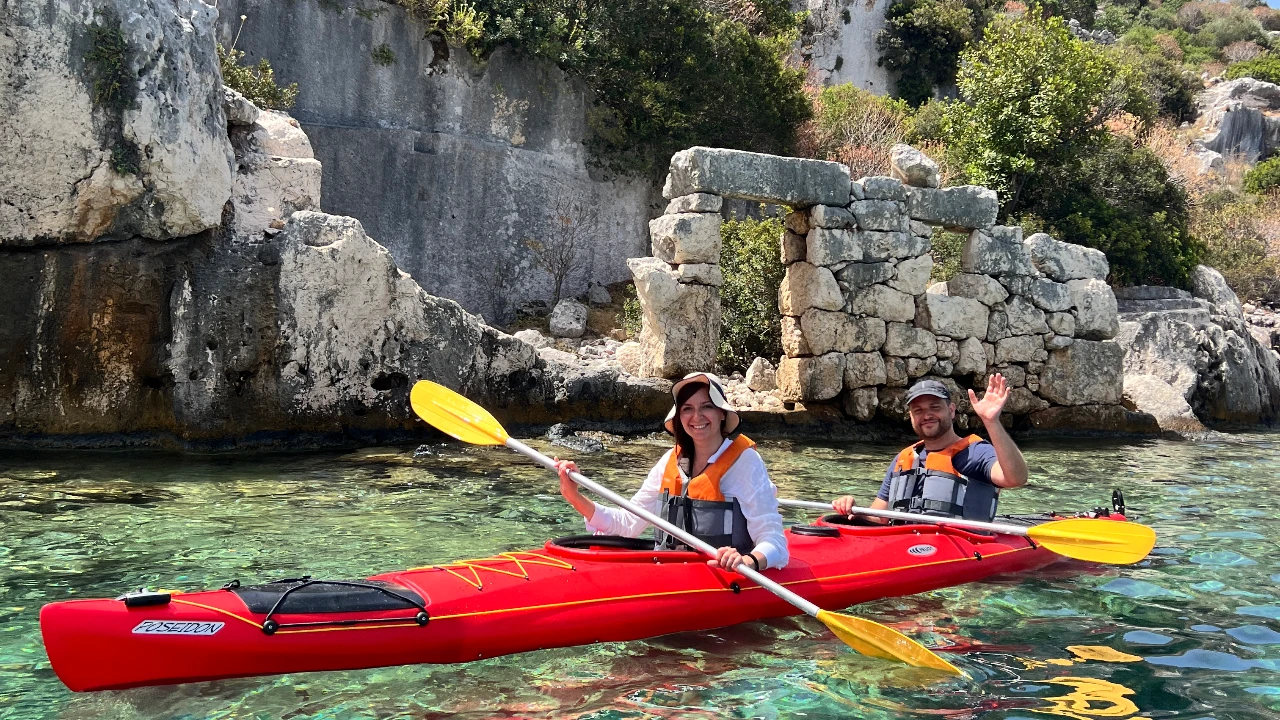
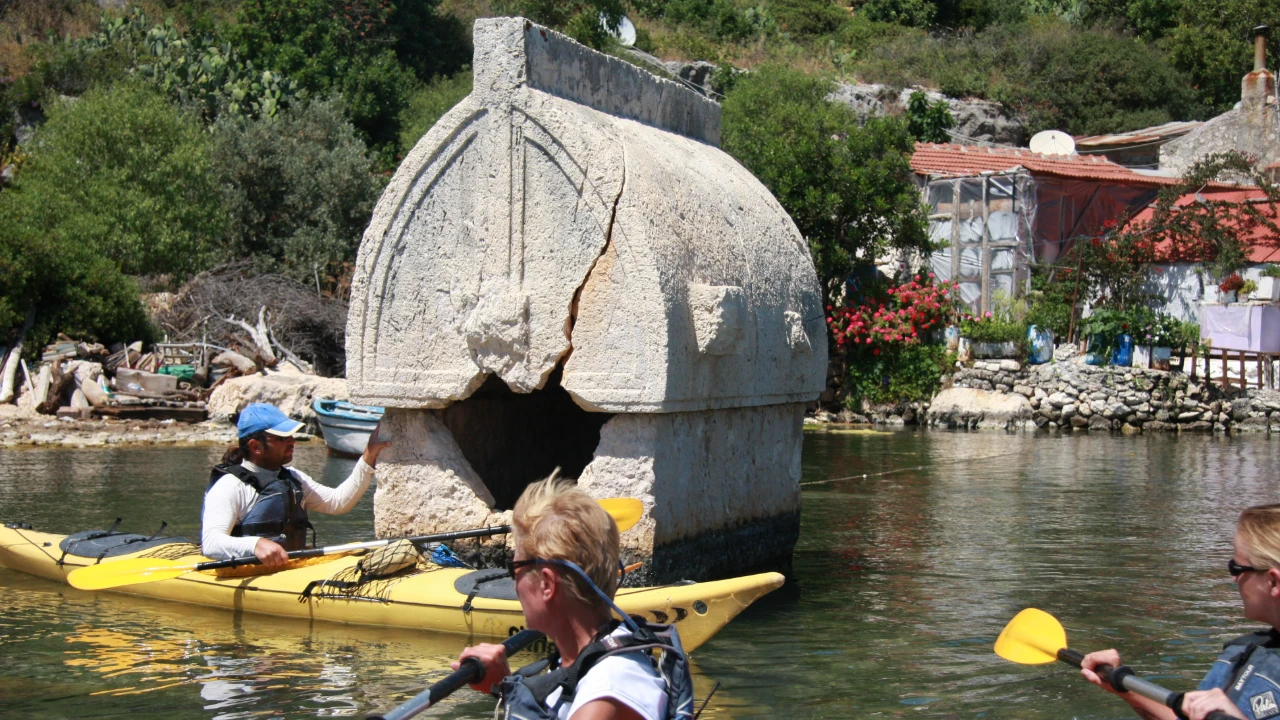
The southern coasts of Anatolia, once home to the ancient Lycian civilization, are world-renowned for their sheltered harbors, making them a premier destination for sea kayaking. The heart of the Turkish paddling scene lies in the Kaş kano tours in the region, which offer a mesmerizing route starting from Üçağız (Teimiussa) and stretching along Kekova Island. On routes departing from Kaş, you can glide mere inches away from millennia-old sarcophagi and submerged ancient stairways.
For those seeking a different perspective, the impressive Demre kano tours allow you to paddle through the turquoise shallows near Simena Castle and around the remains of ancient piers. The sheltered lagoons off the coast of Demre act as a natural training ground for beginners due to their calm, wave-free waters.
If you prefer to stay closer to the city, Antalya kano tours in the city center offer the chance to explore hidden sea caves and freshwater springs tucked beneath the famous cliffs. Meanwhile, for athletes looking for an early morning workout, the Konyaaltı kano tours along the coast provide an expansive stretch of calm water perfect for training.
Protecting the Kekova Sunken City Heritage
Due to its immense archaeological and natural value, the Kekova region is classified as a first-degree archaeological site. Because the underwater ruins are incredibly fragile, swimming, snorkeling, and scuba diving are strictly prohibited within the Sunken City zone by order of the Ministry of Culture and Tourism. To prevent the erosion of ancient stones caused by fin kicks and physical contact, swimming breaks are only permitted in designated areas like Tersane Bay.
Sea kayaking is the most eco-friendly and legal way to witness this heritage closely. Because it is non-motorized and silent, it has a minimal environmental footprint. However, paddlers must take extreme care to ensure their paddle blades do not strike ancient walls or floor mosaics while passing over the ruins.
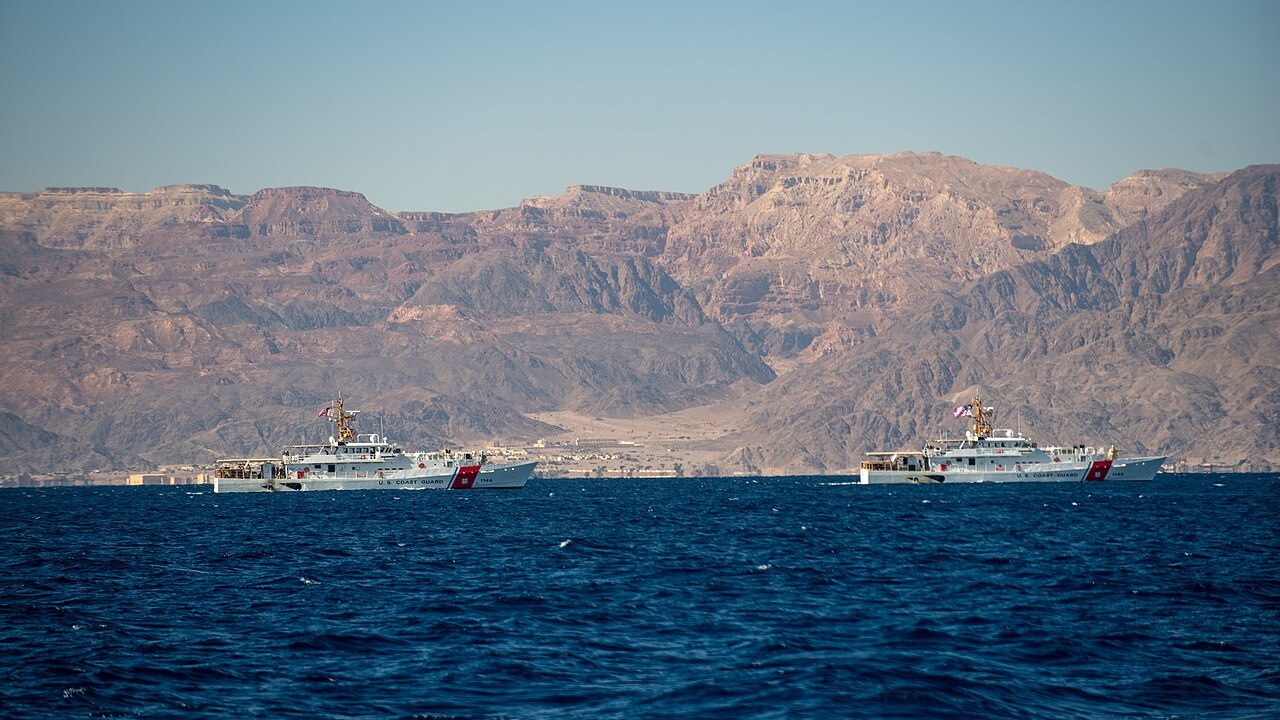
Please note that removing any stone, ceramic shard, or artifact from the site is a serious crime involving the smuggling of cultural property. The Coast Guard maintains a constant presence in the area to ensure these protection rules are strictly followed.
The following table compares different types of kayaks and canoes to help you choose the right vessel for your adventure:
| Boat Model | Hull Design | Seating Style | Stability & Balance | Best Use Case |
|---|---|---|---|---|
| Sit-On-Top | Open hull with self-draining features | Open seating on top | Very high stability | Beginners, summer tours, snorkeling |
| Sit-Inside | Closed cockpit with spray skirt | Low seating inside | Moderate; built for speed | Long-distance exploration, choppy seas |
| Tandem | Long hull with two seating areas | Sequential seating | Excellent balance | Couples, families, and groups |
| Inflatable Tour Kayak | Durable multi-chamber PVC | Inflatable base | High buoyancy | Calm lakes, rivers, and sheltered bays |
Sit-on-top models are the gold standard for tourist tours because they do not trap water if they capsize, making them much easier to climb back into.
Mastering the Paddle: Biomechanics and Efficiency
The secret to paddling for hours without exhaustion isn't in your arms, it's in your core. Relying solely on your shoulders and biceps will lead to rapid fatigue. Proper technique involves keeping your feet firmly against the foot braces and rotating your torso from the waist with every stroke.
When gripping the paddle, your hands should be slightly wider than shoulder-width apart, with the curved face of the blade facing you. As you immerse the blade, the bottom hand pulls while the top hand pushes. This push-pull dynamic engages your core muscles, generating much higher power with less effort.
To change direction, use "sweep strokes", wide, arcing movements toward the rear of the boat. If you need to stop urgently, dip the paddles into the water at a vertical angle to act as brakes.
A 5-Step Protocol for a Safe Kayaking Trip
Following these five essential safety steps before and during your trip can significantly mitigate the risks of an accident:
- Life Jacket Fit: Wear a certified 50N life jacket that fits snugly. All side straps and shoulder adjustments must be tightened so the vest stays secure against your chest.
- Foot Brace and Seat Adjustment: Set your backrest to an upright position and adjust the foot braces so your knees lightly touch the sides of the kayak for better control.
- Paddle Leash: To prevent losing your paddle to a current during a sudden imbalance, use an elastic leash to secure the paddle to the boat or your wrist.
- Wet Exit Reflex: If the boat capsizes, do not panic. Open your arms to release yourself from the cockpit naturally and ensure your head stays above the water surface.
- Group Discipline and Guide Lines: Always stay within the safety corridor established by your guide and stay together as a group when passing through motorized boat lanes.
By following these disciplined steps, you can remain calm and move safely even when encountering unexpected waves in open water.
Capsize Safety and Self-Rescue Techniques
In the world of sea kayaking, capsizing isn't a "failure", it's a natural part of the sport and often a refreshing experience! Because modern touring kayaks are designed with double hulls and air chambers, they are incredibly buoyant and won't sink even if flipped. Your life jacket will immediately keep you at the surface.
To get back into the boat, the kayak is first righted (flipped back over). You then lay your chest across the hull near the rear. By kicking your legs in the water, you can pull your lower body onto the boat, eventually sliding your hips back into the seating area to restore balance.
In tandem kayaks, guides often use the "T-rescue" method, where another boat provides a stable platform to help the participant climb back in within seconds.
Reading Waves and Currents: Navigating Wind and Tides
Analyzing wave patterns and wind direction is key to conserving energy. "Offshore winds" (blowing from the land toward the sea) can unexpectedly drift paddlers out to open water. This is why most tours are conducted parallel to the coastline in sheltered bays.
When encountering waves created by larger vessels, do not take the wave on your side. Instead, turn the bow of your kayak toward the wave at approximately a 45-degree angle. This maneuver allows the boat to slice through the water smoothly and minimizes the risk of taking on water.
If you need to paddle against a current, look for "eddies", pockets of calm or reversed water created by coastal headlands. Using slow, rhythmic strokes is the most effective way to reach your destination without burning out.
Post-Paddle Maintenance and Essential Dry Bags
On sea kayaking tours, sensitive electronics like smartphones, car keys, and cameras should always be kept in specialized waterproof "dry bags." To ensure a seal, fold the top of the bag at least three times and lock the clip firmly. The air trapped inside the bag will actually help it float if it accidentally falls into the water.
Once your tour is complete, always rinse your kayaks and paddles with fresh water. Saltwater crystallization can corrode drainage holes and paddle locking mechanisms over time. We also recommend that participants rinse off the salt to protect their skin.
Frequently Asked Questions 5
Do I need a special license or certificate to go kayaking in Turkey?
No license or certificate is required for participating in organized tourist kayaking and canoeing tours. The basic technical and safety briefing provided before the tour is more than sufficient to ensure a safe experience.
What are the age limits for kayaking and canoeing activities?
For single-person kayaks, the minimum age is generally twelve. However, in tandem (two-person) kayaks, children as young as six can safely participate if they sit in front of a parent. There is no upper age limit for healthy adults.
What safety and protective equipment is mandatory?
It is mandatory to wear a properly fitted, certified life jacket (PFD), carry a whistle, and use a paddle leash. We also highly recommend using a dry bag for valuables and wearing a hat with a neck flap.
What should I wear and bring on this tour?
You should bring quick-drying swim shorts, a UV-protective rash guard, non-slip water shoes, a strap for your sunglasses, and high-factor sunscreen.
Where are the most popular kayaking routes in Turkey?
The top-rated routes include the Antalya Kaş Kekova sunken city line, the Demre Simena coast, the Akyaka Kadın Azmağı in Muğla, and the bays of Fethiye Ölüdeniz and Göcek.