The Istanbul Archaeology Museums consist of three distinct buildings sharing a single courtyard: the Archaeology Museum, the Museum of the Ancient Orient, and the Tiled Kiosk. Together, this expansive complex houses a monumental heritage spanning from the earliest Mesopotamian civilizations to the heights of Ancient Greek and Roman artistry. For those who prefer to explore these treasures with a professional guide, you can browse our museum tour options in Istanbul.
Nestled in the heart of the historic peninsula between Gülhane Park and Topkapı Palace, this cultural oasis hosts one of the most prestigious collections in the world. Travelers looking to discover this ancient site as part of a broader itinerary can easily plan their routes via our Istanbul tours. Each building within the complex illuminates a different geographical region and chronological era.
To ensure a rewarding experience, here are the key highlights for culture enthusiasts:
- Access to all three museum buildings is included with a single ticket or a Museum Pass.
- The Alexander Sarcophagus, the Kadesh Peace Treaty tablet, and exquisite ancient tiles are the complex's crown jewels.
- The museum courtyard is conveniently accessible via a short walk from the Gülhane Park entrance.
- We recommend allocating at least a half-day to fully appreciate the depth of the collections.
Istanbul Archaeology Museums: Quick Reference Guide
When planning your visit to the Istanbul Archaeology Museums, it is important to consider operating hours, the layout of the buildings, and the distribution of the exhibits. Each structure represents a different epoch, offering visitors a rich historical panorama.
The following summary table provides the essential operational and logistical details for your visit:
| Criteria | Visitor Information & Details |
|---|---|
| Location | Fatih District, Cankurtaran Neighborhood, inside Gülhane Park |
| Buildings in Complex | Archaeology Museum, Museum of the Ancient Orient, Tiled Kiosk |
| Opening Hours | Generally open from 09:00 to 21:00 (check current listings) |
| Recommended Duration | At least a half-day for a detailed exploration |
| Visitor Rating | 4.6 ★ on Google Maps with over 21,000 reviews |
| Entry Requirements | Museum Pass accepted for eligible visitors; tickets available on-site |
For guests who wish to discover the monuments of the historic peninsula step-by-step, our guided tour options in Istanbul provide expert insights into these magnificent exhibition halls.
The Three Main Buildings: A Journey Through Time
The three distinct structures within the Gülhane complex are tangible symbols of a museological vision that evolved from the late Ottoman Empire into the Republic. The collections in each building are carefully separated by theme and chronology.
The table below systematically lists the specialization and primary masterpieces of each building:
| Museum Building | Era & Focus | Key Masterpieces |
|---|---|---|
| Main Archaeology Building | Ancient Greek, Roman, and Hellenistic Sculpture | Alexander Sarcophagus, Sarcophagus of the Crying Women, Sidon Sarcophagi |
| Museum of the Ancient Orient | Mesopotamia, Anatolia, Egypt, and Pre-Islamic Arabia | Kadesh Peace Treaty Tablet, Ishtar Gate Reliefs of Babylon |
| Tiled Kiosk Museum | Seljuk and Ottoman Tile and Ceramic Art | 1472 Kiosk Architecture, Mihrab Tiles, Iznik Plates |
The Classical Main Building: Archaeology Museum
Designed by architect Alexandre Vallaury in a striking neoclassical style, the main building welcomes visitors with its imposing colonnaded facade. The ground floor is dedicated to the monumental sarcophagi unearthed during the Sidon excavations. The upper floors house a vast array of coins, sculptures, and terracotta works from various eras of antiquity.
The Alexander Sarcophagus in the sarcophagi hall is a pinnacle of world sculpture, featuring intricate battle and hunting scenes. Nearby, the Sarcophagus of the Crying Women captures the poignant emotional figures of ancient funerary art. Walking through these halls is like witnessing the very birth of Western artistic sensibility.
Museum of the Ancient Orient
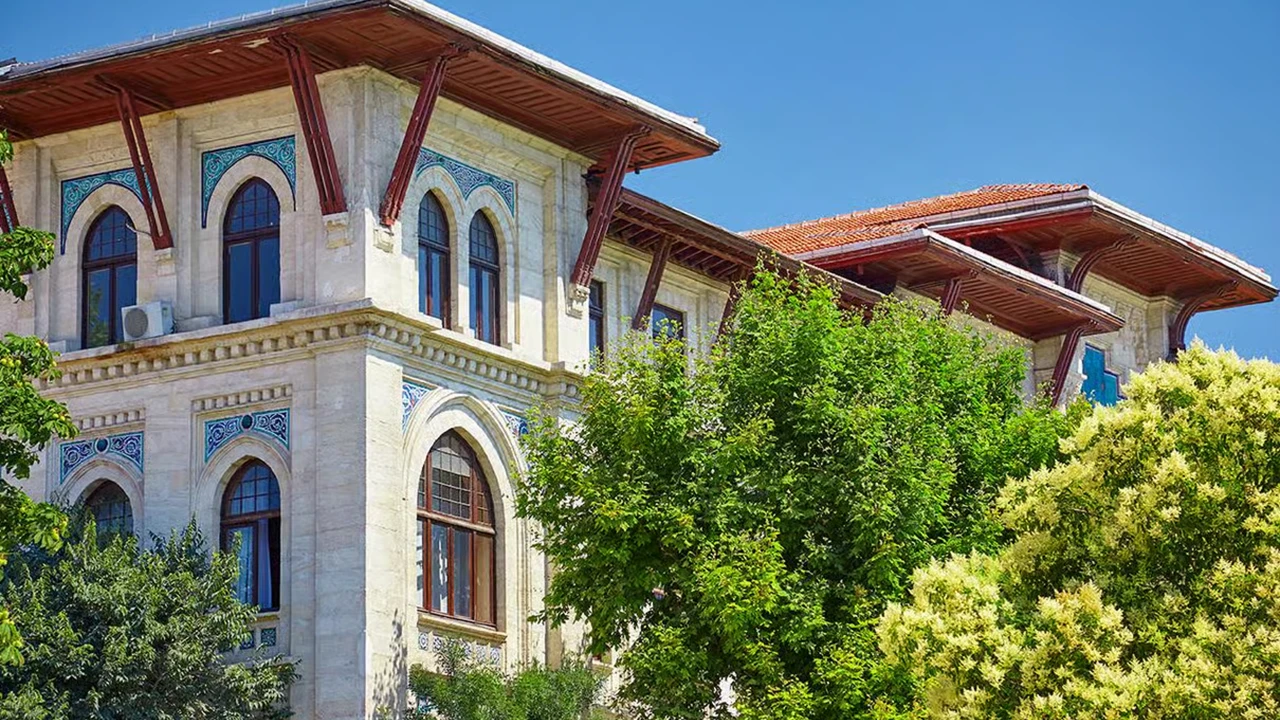
Established in 1883 as the Sanayi-i Nefise Mektebi, this elegant building houses the written records of Mesopotamian and Near Eastern civilizations. Among the archives of cuneiform tablets, the Kadesh Peace Treaty, recognized as the world's first written peace agreement, is a must-see.
The glazed brick reliefs of lions from the city of Babylon and Sumerian temple statues reflect the sophistication of Eastern civilizations. Additionally, the Kültepe tablets, the earliest written documents of Anatolia, document the dawn of commercial law. These halls offer a profound dive into the depths of ancient Near Eastern history.
An Ottoman Legacy: The Tiled Kiosk
Built in 1472 during the reign of Mehmed the Conqueror, the Tiled Kiosk is one of the oldest surviving examples of Ottoman civil architecture in Istanbul. Its interior showcases hundreds of pieces, ranging from Seljuk tiles to Iznik and Kütahya ceramics.
The kiosk's eyvan-style plan and turquoise-glazed bricks reveal the intricacies of traditional Turkish architecture. Plates and lamps decorated with underglaze techniques testify to the exceptional craftsmanship of the era. The rich mosaic decorations on the entrance facade lend the building a monumental elegance.
Cultural Tours of the Historic Peninsula
A visit to the Istanbul Archaeology Museums becomes a holistic historical experience when paired with the surrounding monuments and palaces. The riches scattered throughout the streets of the historic peninsula offer a vast playground for domestic and international travelers.
Various thematic routes can be created to explore these monumental sites. For instance, a visit to the Museum of Turkish and Islamic Arts in Sultanahmet Square typically takes 2 to 3 hours, while walking tours through the Fener and Balat districts last about 3 hours. For a more comprehensive experience, visits to Dolmabahçe Palace on the Bosphorus can be integrated into an 8-hour full-day city tour.
During guided walks, the architectural stories of the buildings and the thrill of the excavations are brought to life. The principles established by Osman Hamdi Bey, the father of Turkish museology, become tangible through these narratives, helping visitors understand the connection between the artifacts' origins and the city of Istanbul.
Travelers looking to organize their cultural itinerary can take advantage of professional guiding services via our day-trip cultural tour options in Istanbul. Expert commentary makes it significantly easier to grasp the historical context of the exhibits.
Your Visit Plan: A Step-by-Step Route
To make the most of your visit to the museum complex, we recommend following a chronological order based on the courtyard layout. Moving through the buildings in the correct sequence saves time and clarifies the historical flow of the artifacts.
For history buffs wanting a seamless experience, we suggest this 5-step visiting process:
- Enter through the main gate in Gülhane Park and proceed through the ticket or Museum Pass checkpoint.
- Begin your journey at the Museum of the Ancient Orient on the left side of the courtyard to explore Mesopotamia and the Kadesh tablets.
- Head to the ground floor of the Classical Main Building, directly opposite the entrance, to see the Alexander Sarcophagus and the Sidon halls.
- Explore the thematic period exhibitions and the Anatolian civilizations collection on the upper floors of the main building.
- Conclude your tour at the Tiled Kiosk on the right side of the courtyard to admire Seljuk and Ottoman ceramic art.
By following this curated plan, you can ensure that no major masterpiece is overlooked. Those wishing to expand their exploration of the city's historical fabric can enrich their itinerary with our city tour options in Istanbul.
The Museum Garden and Open-Air Sculpture Gallery
The historic courtyard, surrounded by lush greenery, is as captivating as the indoor galleries and provides a serene atmosphere for reflection. Marble column capitals and sarcophagi displayed under the shade of century-old plane trees create the feeling of an open-air museum.
As you enter the courtyard from the Gülhane slope, the bustle of the city instantly fades away. Taking a break at the open-air café while admiring the imposing colonnaded facades of the historic buildings offers a moment of peace. The Byzantine-era sarcophagi and Ottoman tombstones preserved outdoors further enrich the walking paths.
Stopping by the bust of Osman Hamdi Bey adds a layer of meaning to the visit, reminding guests of the foundations of Turkish museology. For photography enthusiasts, the stone steps and the shadows cast by the sculptures provide aesthetically pleasing frames in natural light. After a restful break in the garden, you can continue your exploration of the surrounding streets feeling refreshed.
Pro Tips for Your Visit
To ensure a pleasant day at the museum courtyard on the Gülhane slope, a bit of practical preparation goes a long way. Given the sheer volume of artifacts, the right gear and timing will directly enhance the quality of your visit.
Here are some important considerations before your visit:
- Wear comfortable walking shoes, as you will be navigating marble floors and stairs between levels.
- Lighting in the galleries is kept dim to protect the artifacts; walk carefully to spot the finer details.
- Flash photography is prohibited on sarcophagi and sculptures, so adjust your camera settings in advance.
- Use the resting areas in the open courtyard to take short breaks between sections.
- If you have a Museum Pass, you can bypass the ticket queues and go directly through the turnstiles.
Final Thoughts on the Istanbul Archaeology Museums
The Istanbul Archaeology Museums are a magnificent cultural hub where the kingdoms, treaties, and art movements that shaped world history are displayed side-by-side. From the 8,500-year-old urban history revealed in the Yenikapı excavations to Ancient Greek sarcophagi, countless legacies are preserved within these walls.
A few hours spent on the slopes of Sarayburnu is a journey through time, stretching from the ancient Mediterranean basin to the deserts of Mesopotamia. Visitors experience the deep memory of the historic peninsula firsthand, gaining a closer understanding of the city's cultural identity. Travelers who wish to explore this profound heritage through professional programs can confidently plan their trips with our historic city tour options in Istanbul.
Ending your visit with a leisurely stroll through Gülhane Park is the perfect way to wind down. The sea breeze blowing from the Sarayburnu coast refreshes the mind. This complex, which presents different layers of history in one place, deserves to be rediscovered in every season.
Frequently Asked Questions 5
What is on display at the Archaeology Museums?
The museums exhibit a vast collection of stone and marble sculptures, monumental sarcophagi, cuneiform tablets, coins, ceramic vessels, and metal jewelry dating from prehistoric times to the Middle Ages. These artifacts reflect the daily lives, belief systems, and artistic visions of past civilizations.
Where can I buy a Museum Pass in Istanbul?
In Istanbul, the Museum Pass can be obtained instantly by presenting an ID at the ticket offices of the Istanbul Archaeology Museums, Topkapı Palace, Galata Tower, and the Museum of Turkish and Islamic Arts, or digitally via the Ministry of Culture and Tourism's official website/app.
Can you provide a brief overview of the Istanbul Archaeology Museum?
Opened in 1891 under Osman Hamdi Bey, it was Turkey's first purpose-built museum. The complex includes the Archaeology Museum, the Museum of the Ancient Orient, and the Tiled Kiosk, featuring world-historic artifacts like the Alexander Sarcophagus.
What is the oldest museum in Turkey?
While the Müze-i Hümayun collection began in 1846 at Hagia Irene, the Istanbul Archaeology Museum's main building is the first structure specifically designed and built as a museum, opening in 1891.
Where is the Museum Pass valid in Istanbul?
It is valid at Ministry of Culture and Tourism sites like the Istanbul Archaeology Museums, Galata Tower, and Rumeli Fortress. It is not valid at National Palaces (e.g., Dolmabahçe) or private museums.