
When exploring the natural wonders and cultural treasures of Turkey, the choice often comes down to your preferred pace. Hiking-focused programs immerse you in the wild, utilizing marked forest trails, deep valleys, and coastal paths that require physical exertion. In contrast, Guided Tour options provide a seamless, holistic experience featuring coordinated transport, expert storytelling at archaeological sites, and a secure group flow. For those who love the trail, you can explore nature and hiking options across Turkey to find your next route.
There is a clear distinction between the traveler who wants to conquer valley floors and forest passes on their own two feet and the visitor who prefers to uncover historical contexts through the eyes of a licensed expert. For those seeking structured time management and deep intellectual insight, our expert-led guided tour programs across Turkey allow you to compare the best culture and nature routes. In this guide, we break down the trail structures, effort levels, and budget considerations for both exploration models.
Hiking Routes vs. Guided Tours: Decision Matrix
The fundamental difference between Hiking programs and Guided Tour organizations in Turkey lies in the required physical fitness, the scale of distance covered, and the logistical approach. When deciding, you should weigh your terrain experience, the seasonal weather, and how much historical detail you wish to uncover.
The following comparison table summarizes the key criteria of these two travel approaches side-by-side.
| Criteria | Hiking-Focused Programs | Guided Tour Programs |
|---|---|---|
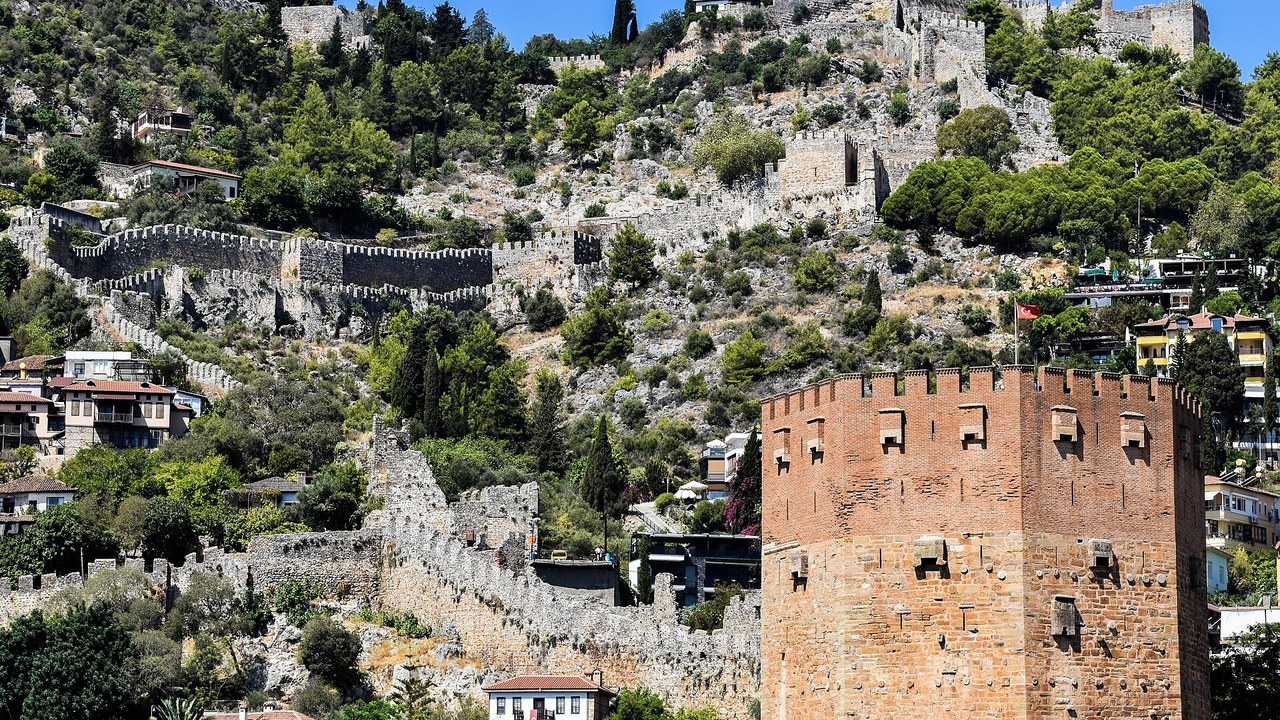
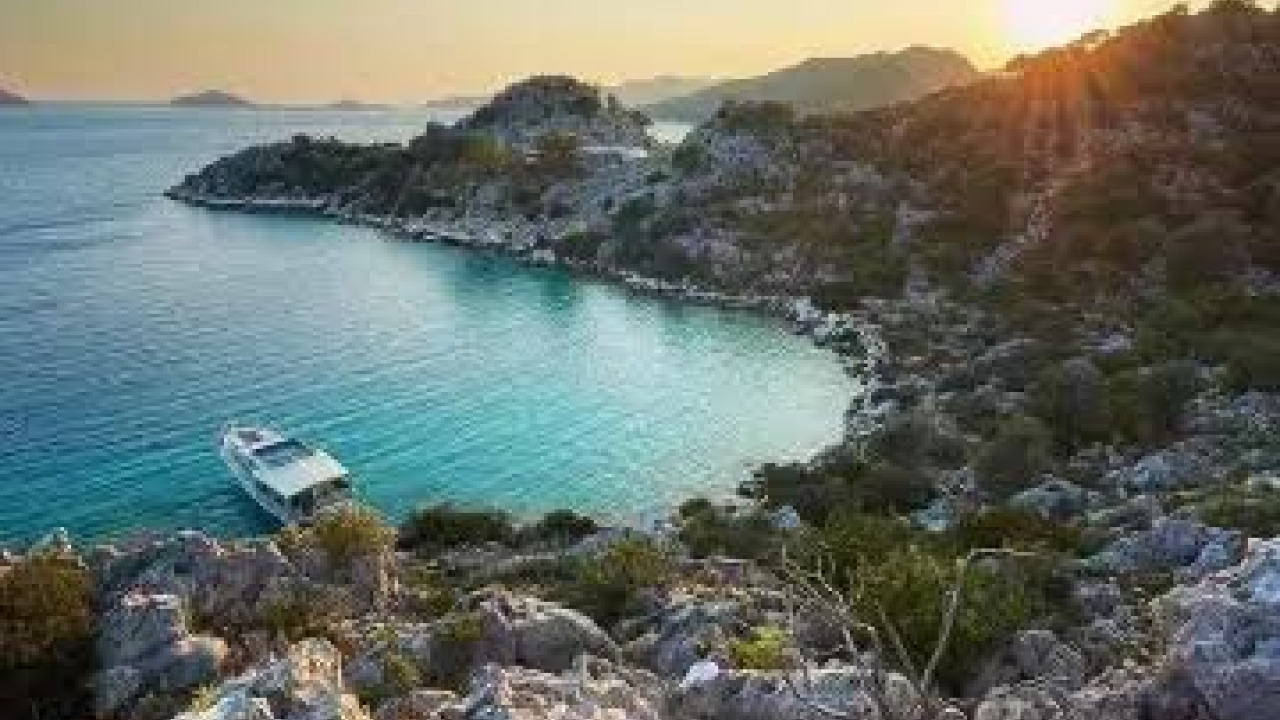
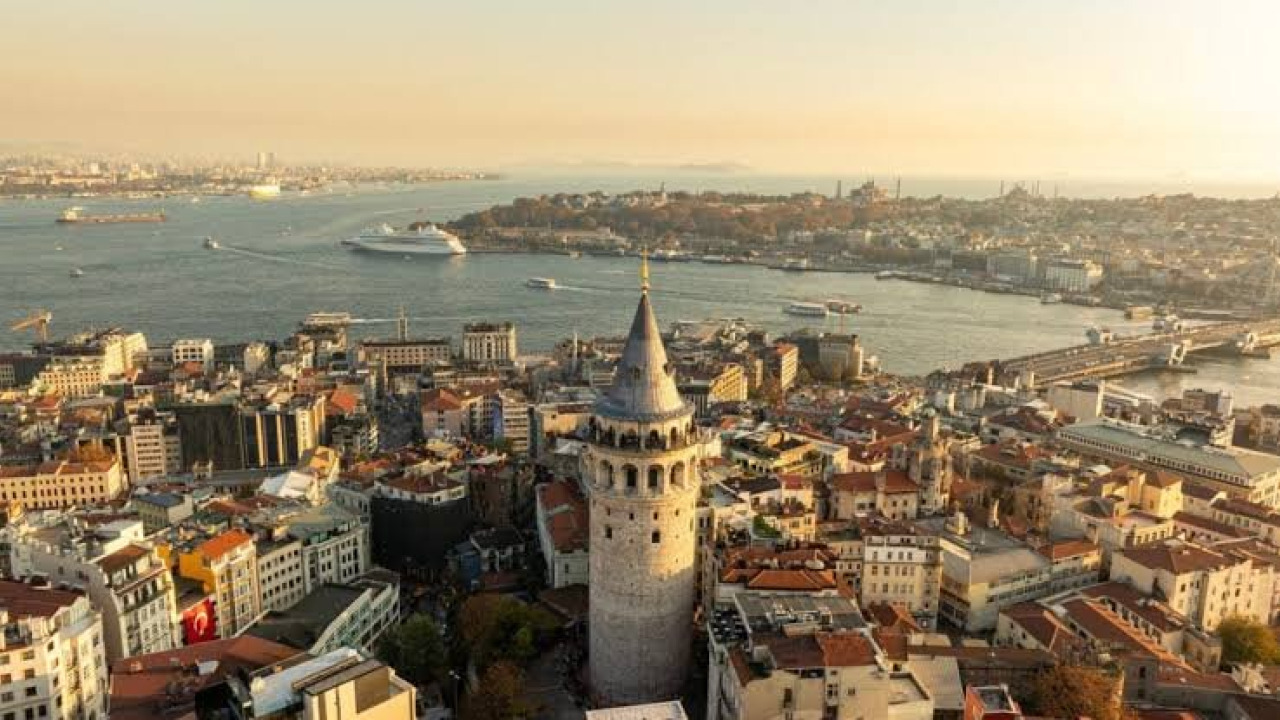
| Terrain & Setting | Forest trails, valley interiors, foothills, and coastal paths | Ancient cities, museums, historic city centers, and panoramic viewpoints |
| Distance & Duration | Stages ranging from 7 km, 9 km, 13 km, to 15 km depending on difficulty | Focused cultural stages averaging 3 hours or full-day vehicle-supported itineraries |
| Physical Effort | Moderate to high; requires steady discipline on inclined terrain | Low to moderate; balanced with vehicle transfers and scheduled breaks |
| Knowledge & Navigation | Focus on trail markers, map reading, and nature observation | Focus on expert commentary, historical chronology, and local cultural insights |
| Gear Requirements | Ankle-support boots, trekking poles, technical layered clothing, and hydration packs | Comfortable walking shoes, a hat, and a basic day bag |
| Best For | Active travelers looking to challenge their fitness and immerse in nature | Those who want to see multiple historic and natural sites effortlessly with expert insight |
As the data shows, hiking routes are the premier choice for those seeking physical activity in valleys and forests. However, guided programs offer a distinct advantage for those wanting to combine multiple cultural and natural stops with the comfort of transport and professional storytelling.
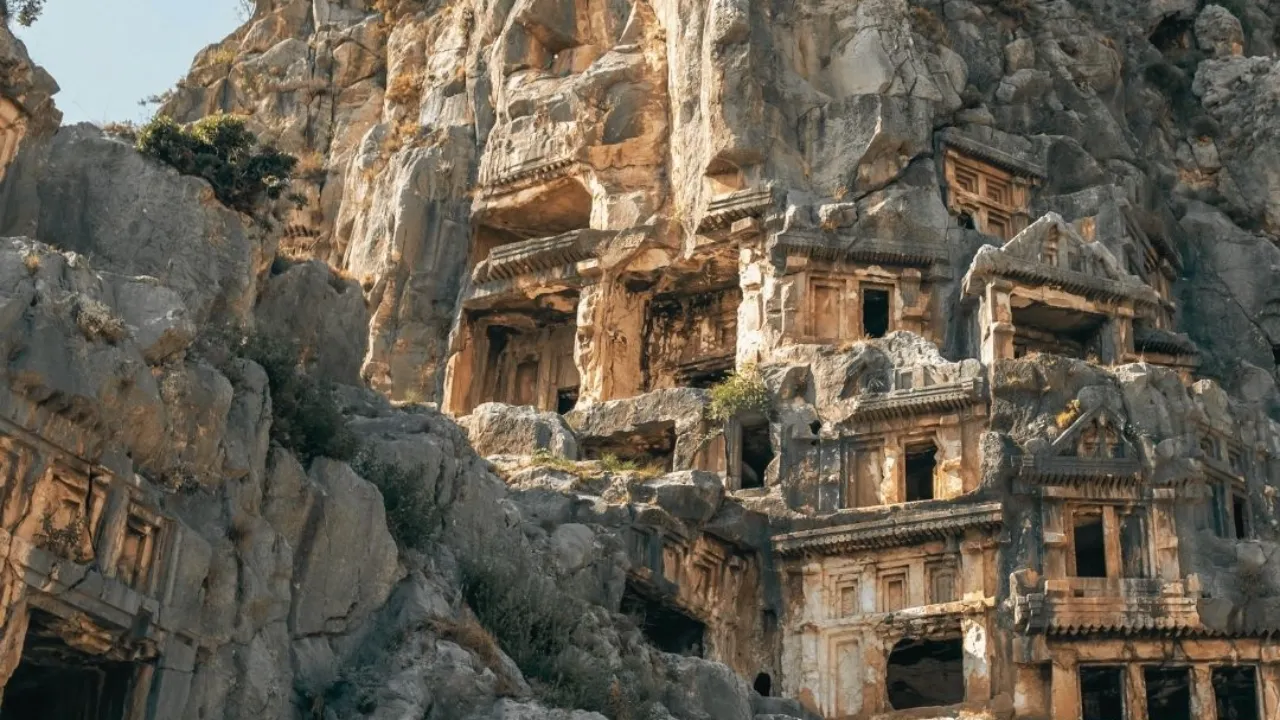
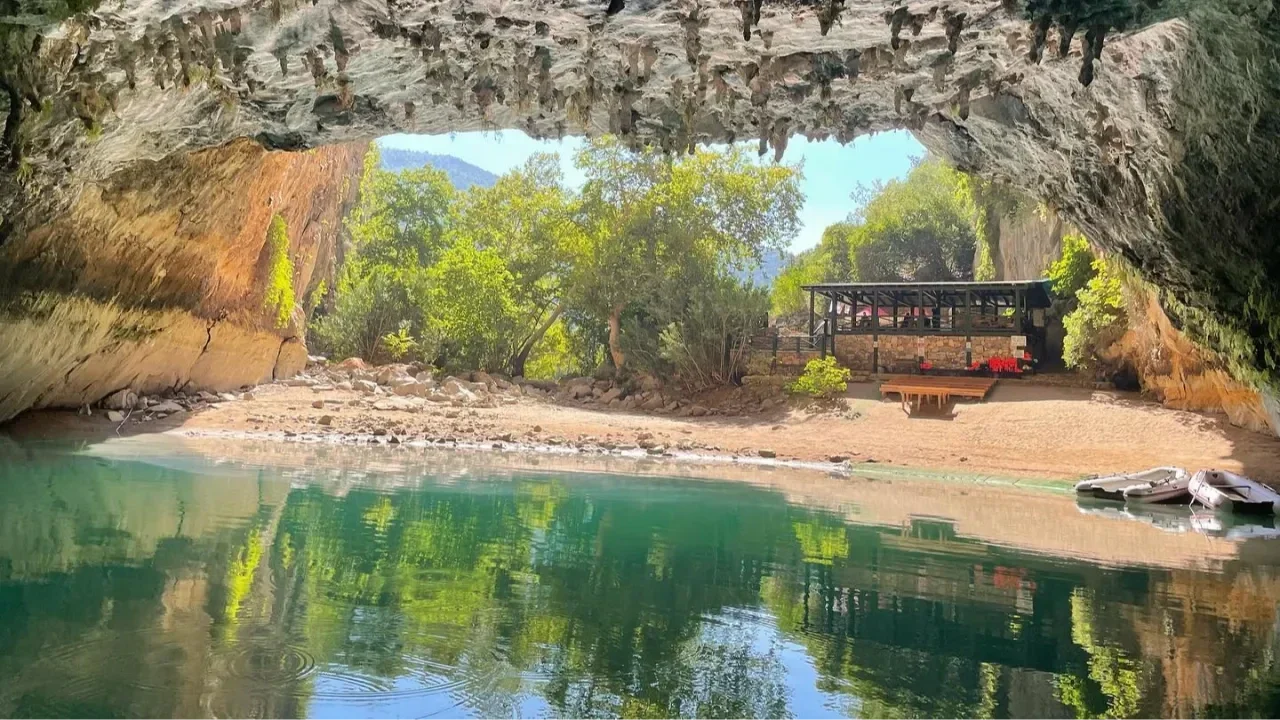
Hiking Programs: Trail Discipline and Wilderness Discovery
Hiking routes allow you to explore the natural corridors of Turkey's national parks, canyon valleys, and ancient caravan roads, areas where motorized vehicles simply cannot go. With trails ranging from 7 km to 15 km based on fitness levels, these programs sync your heartbeat with the rhythm of nature.
Trail Lengths and Terrain Variety
For beginner nature lovers, forest and cave-perimeter trails of 7 km and 9 km offer a balanced walking pace. Experienced hikers can push further with 13 km and 15 km routes through valleys and foothills, navigating dirt paths, rocky passes, and riverbanks.
Physical Preparation and Seasonal Planning
In open-terrain hiking, air temperature, wind conditions, and daylight hours directly impact safety. Spring and autumn provide the ideal climate for long-distance trail crossings, while summer visits are best reserved for shaded forest routes and early morning departures.
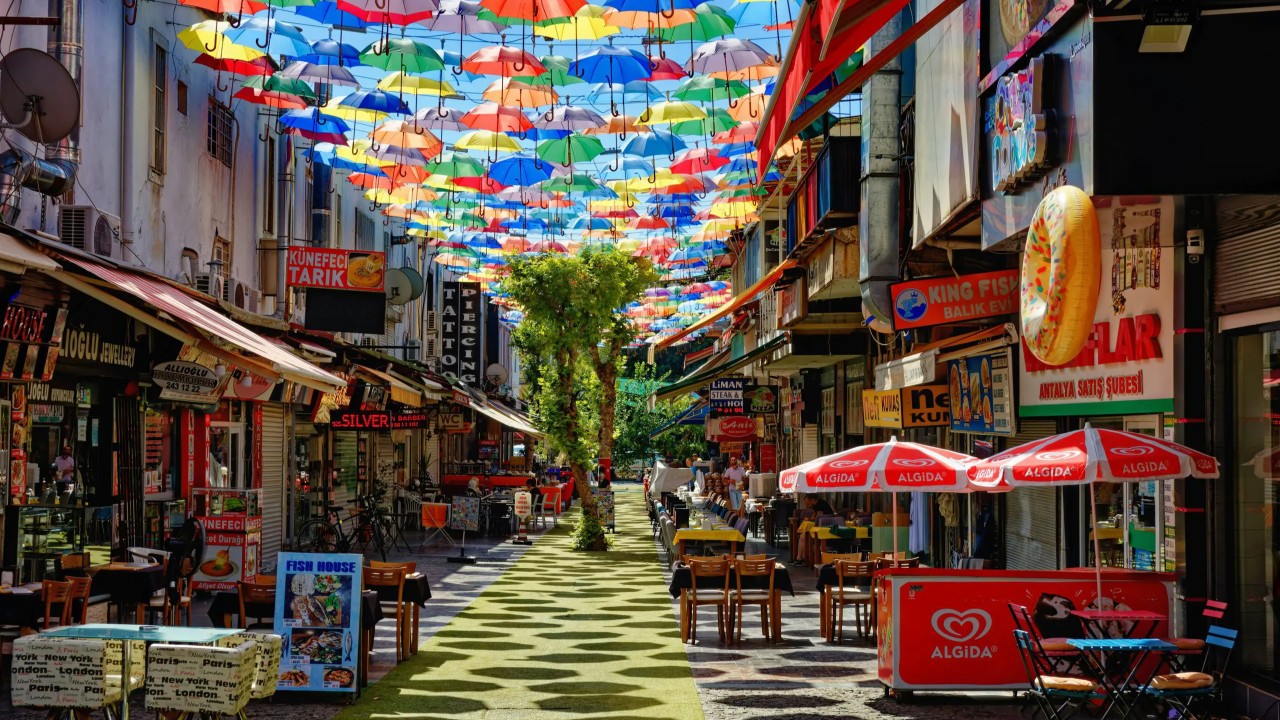
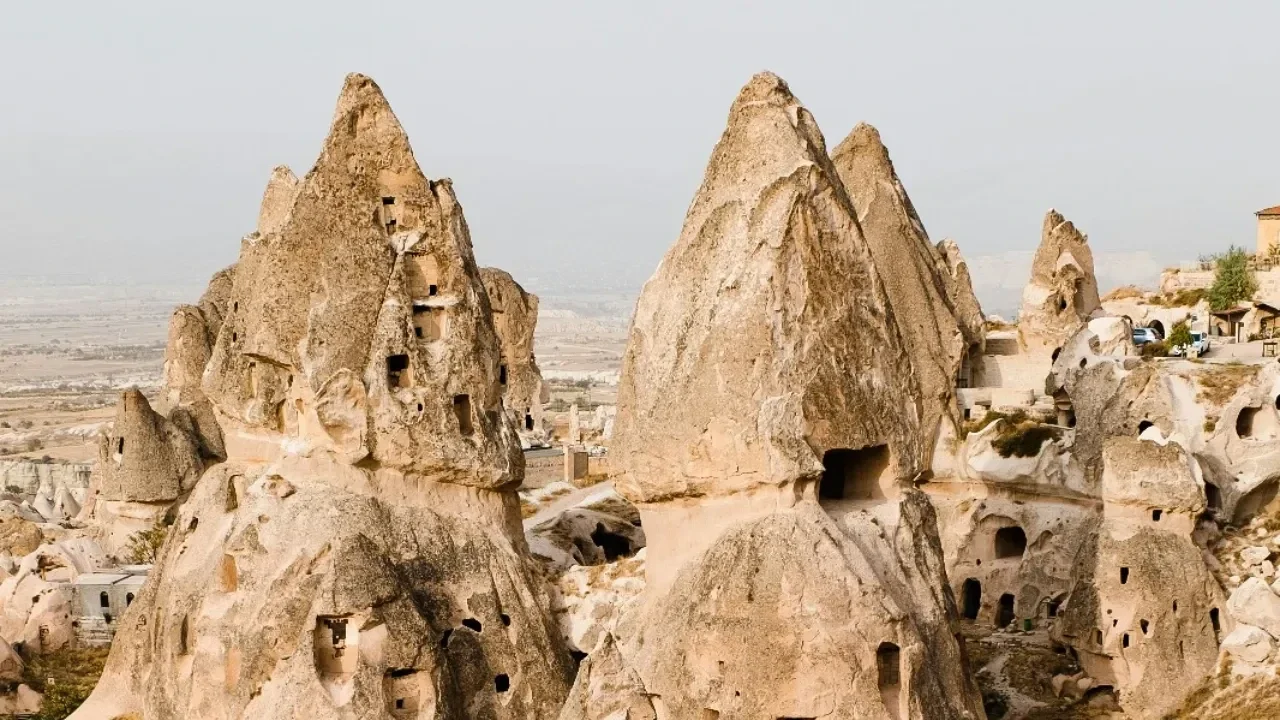
Guided Tour Programs: Expert Insight and Logistical Ease
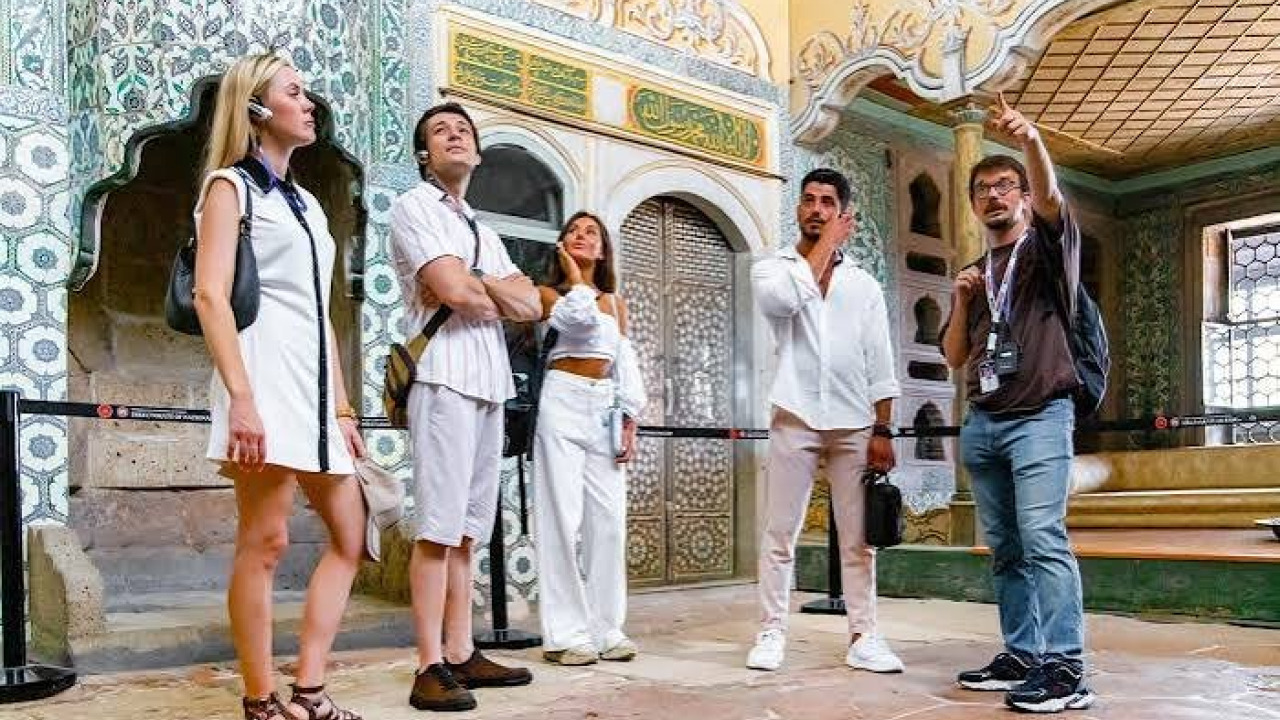
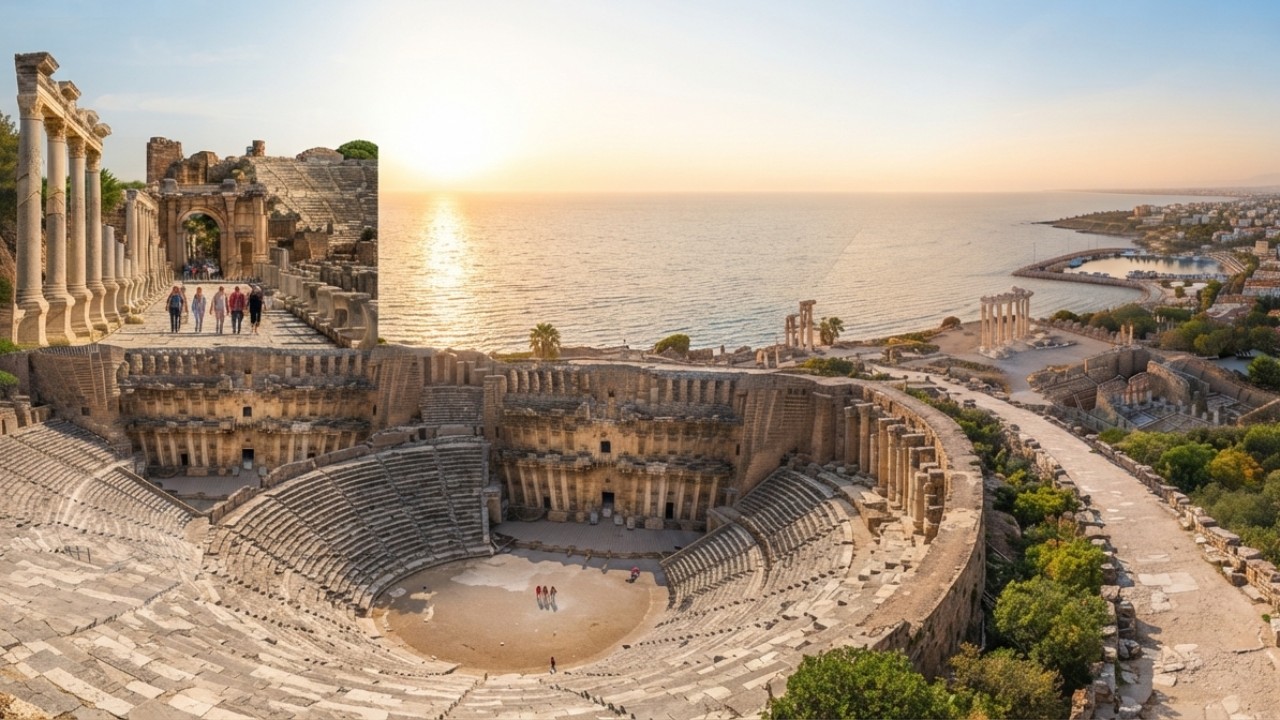
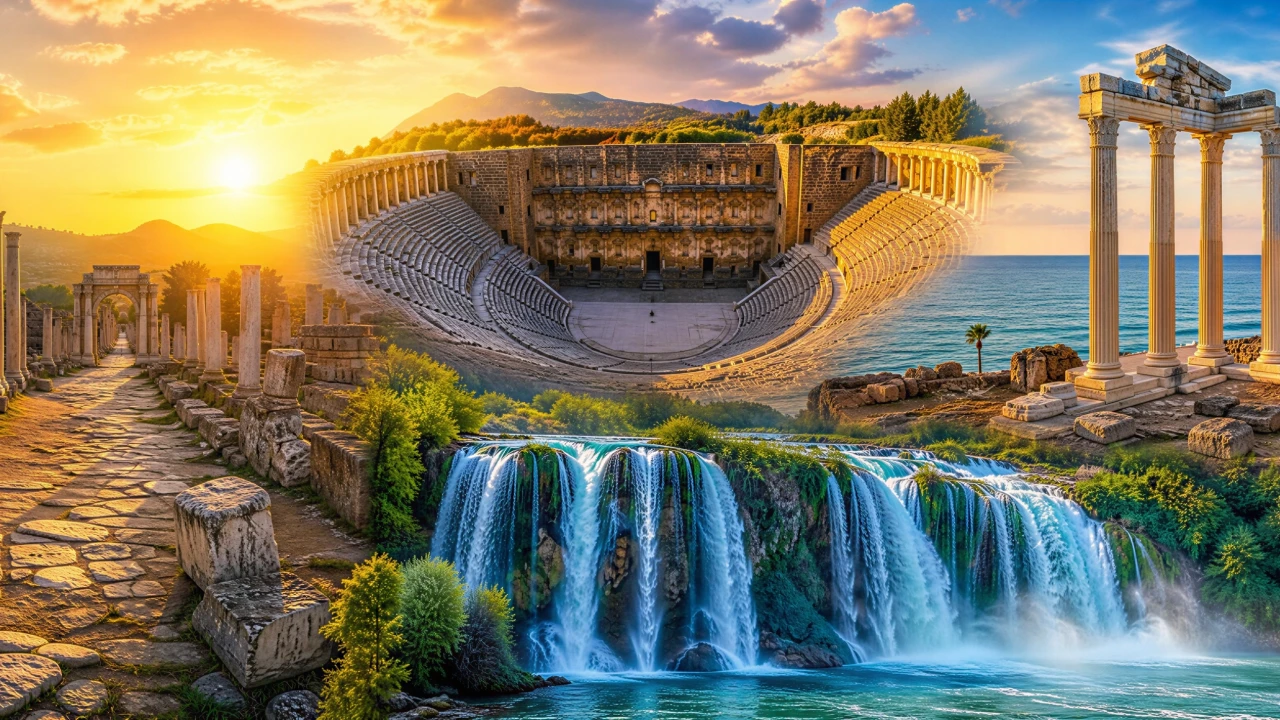
Guided Tour organizations provide a window into Turkey's rich archaeological heritage, historic urban fabrics, and natural monuments, all narrated by a licensed professional. Because transport, ticketing, and time management are handled by a professional team, visitors can focus entirely on the discovery.
Historical Context and Deep Cultural Immersion
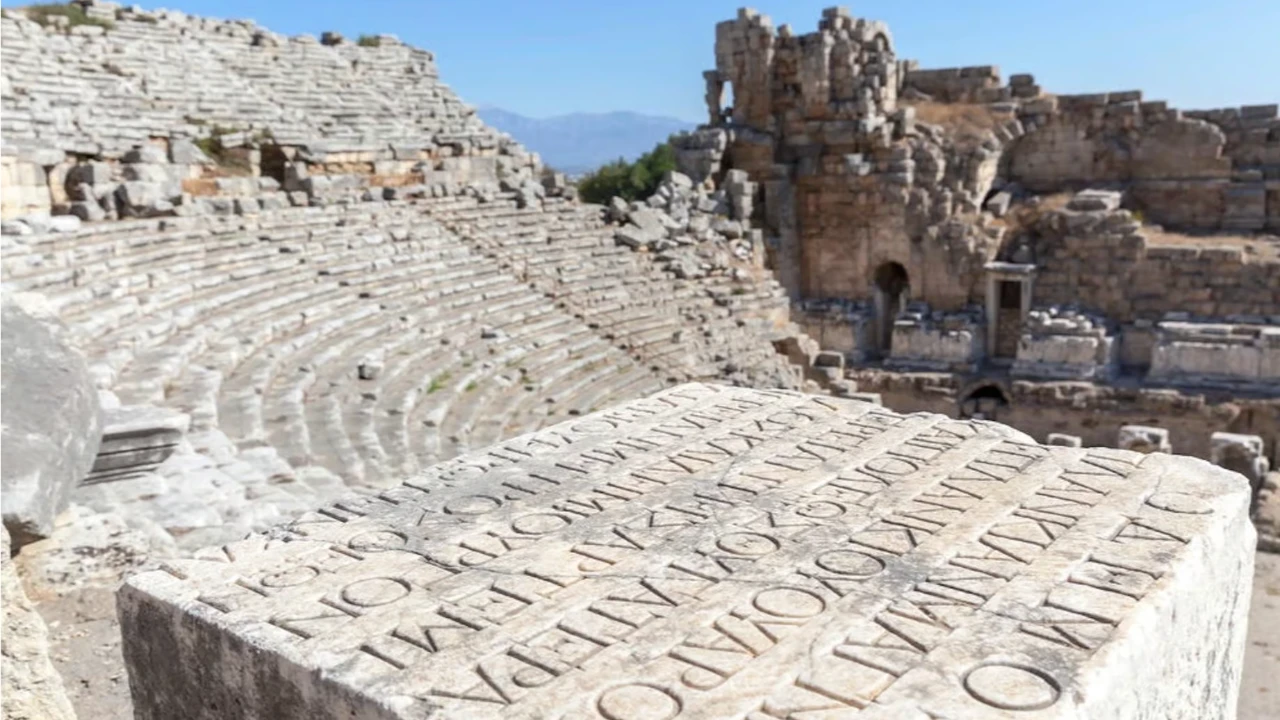
Understanding the architectural eras of stone structures, deciphering ancient inscriptions, and hearing local legends is only possible through expert guidance. From focused 3-hour cultural walks to full-day regional programs, visitors gain direct access to high-quality, verified information.
Transport Coordination and Group Safety
When visiting sites spread across vast distances, the vehicle support provided in day-trip cultural routes across Turkey eliminates the stress of parking and navigation. Especially in unfamiliar regions, moving with a guided group ensures both time efficiency and peace of mind.
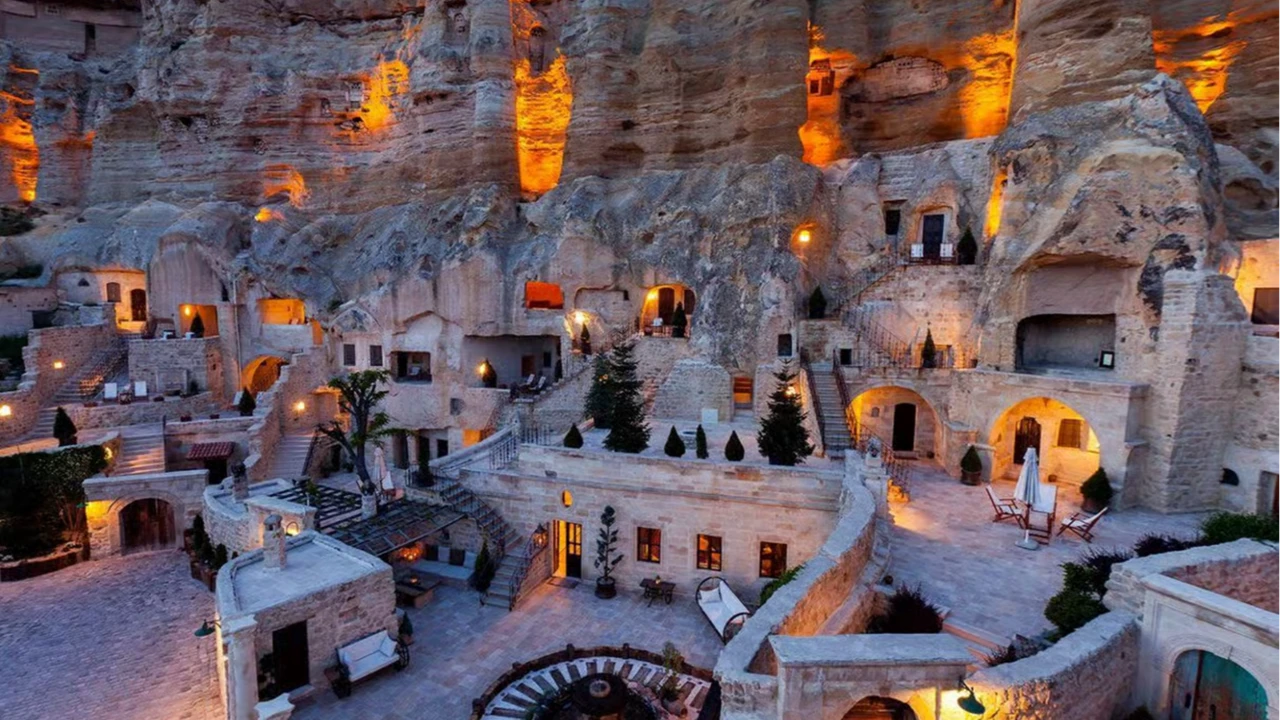
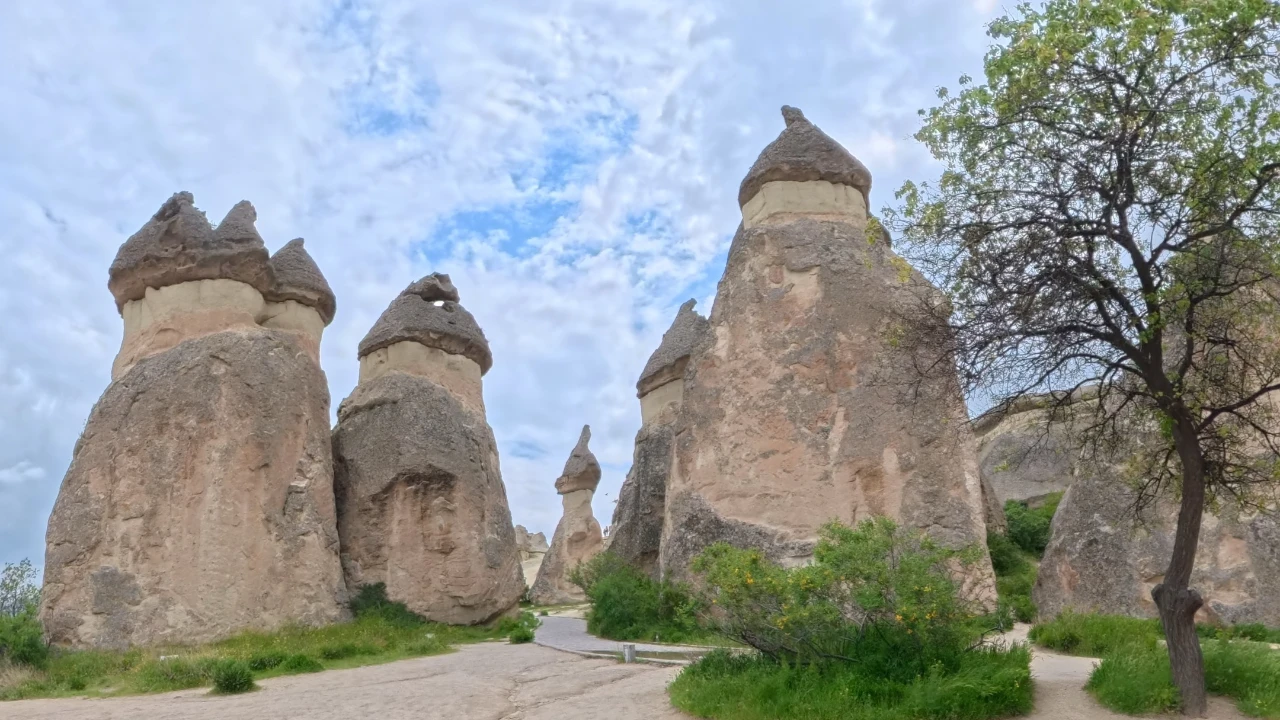
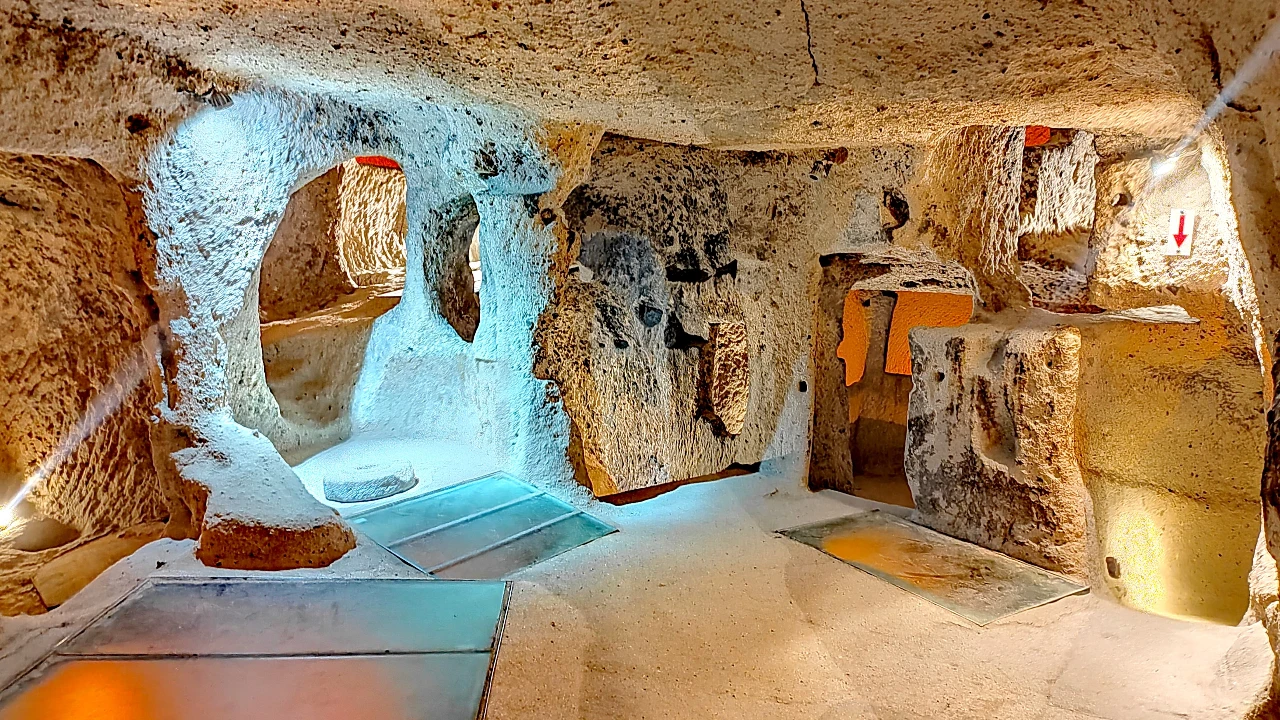
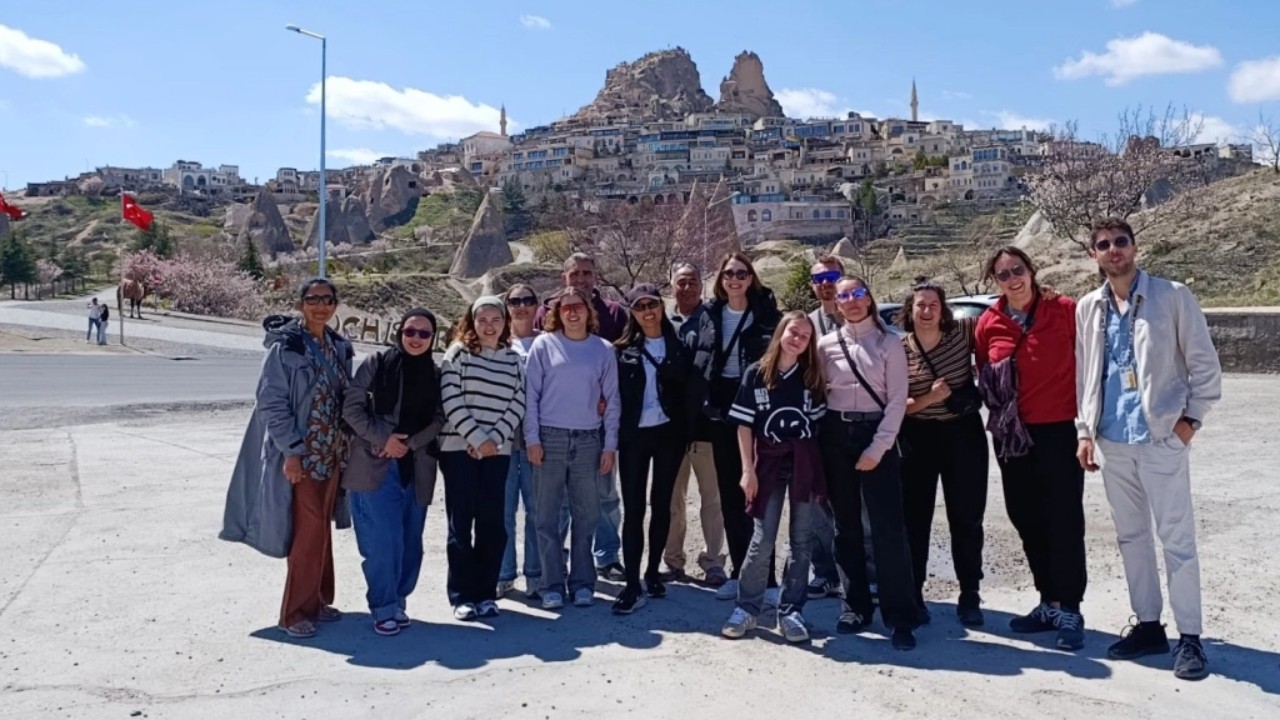
Budget, Gear, and Logistics Comparison
When choosing between nature-centric hiking and Guided Tour packages, your budget will be shaped by gear investment, transport costs, and guiding fees. In Turkey, the cost distribution for these two models focuses on different priorities.
The table below compares the budget and preparation components of both travel models.
| Budget & Prep Item | Hiking-Focused Programs | Guided Tour Programs |
|---|---|---|
| Transport & Transfers | Includes off-road transfers between trail start and end points | Includes air-conditioned tour vehicles or city connections between stops |
| Expertise & Leadership | Accompanied by a hiking leader ensuring trail safety and navigation | Narrated by a professional guide licensed by the Ministry of Culture and Tourism |
| Gear Costs | Requires technical hiking boots, backpacks, rain gear, and poles | Daily casual wear and comfortable walking shoes are sufficient |
| Dining Arrangement | Portable rations, energy snacks, and water consumed on the trail | Hot lunch breaks at local restaurants along the route |
| Entry & Permits | Covers national park, canyon, or recreation area entry procedures | Includes organization for museums, archaeological sites, and historic monuments |
The data indicates that for hiking, the primary investment is in personal technical gear, whereas for guided cultural tours, the main value lies in the seamless organization of transport and museum access.
Which Model Should You Choose? A 5-Step Selection Protocol
To decide whether a hiking-focused nature route or a comprehensive Guided Tour is right for your vacation, it helps to filter your expectations. Use the following five-step protocol to make the right choice for your trip to Turkey.
This numbered list helps you determine the best option based on your traveler profile and physical condition.
- If you want to cover distances between 7 km and 15 km on foot through forest trails, valleys, and highlands, choose Hiking programs.
- If you want to hear the stories of civilizations behind ancient cities, museums, and historic structures from an expert, opt for Guided Tour options.
- If your physical fitness is high and you already own technical trekking gear, prefer the marked nature trails.
- If you prefer transitioning between stops in the comfort of a vehicle during hot or rainy weather, with balanced stages of about 3 hours, consider the Guided Tour model.
- If you are traveling with families with children or a diverse group of friends of different ages, prioritize guided cultural programs with planned rest breaks.
This elimination method prevents exhaustion or mismatched expectations in the field. For those with a flexible schedule, we recommend a balanced itinerary: dedicate one day to nature trails and the next to a guided cultural exploration.
Field Safety and Preparation Tips
Before participating in Hiking or Guided Tour activities in Turkey, you must prepare according to the terrain and climate. Following basic safety rules ensures a comfortable day, whether you are on a nature path or in an ancient city.
- Choose hiking shoes with stiff, lugged soles that protect ankles from sprains on dirt and rocky ground.
- Since weather in open terrain can change rapidly, carry moisture-wicking base layers and windproof outer layers.
- To prevent dehydration, always carry sufficient drinking water and practical energy snacks in your backpack.
- In group activities, strictly adhere to the pace and meeting times set by the hiking leader or professional guide.
Final Verdict: Hiking vs. Guided Tours
When discovering Turkey's natural and historical wealth, Hiking programs offer trail enthusiasts an active, raw nature experience, while Guided Tour organizations introduce cultural heritage through a comfortable and educational flow. Both approaches offer powerful alternatives depending on the traveler's fitness and curiosity.
To explore cultural and historical stops within city centers, you can visit our city culture and discovery programs in Turkey page. This will help you confidently select the nature hike or guided cultural route that best fits your holiday plan.
Frequently Asked Questions 5
What is nature hiking?
Nature hiking is an outdoor activity performed by following marked routes in natural areas such as forests, valleys, canyons, highlands, and coastal paths. The goal is to combine physical activity with the observation of the natural environment. Across Turkey, day-trip trails ranging from 7 km to 15 km offer rich opportunities for nature hiking.
What is hiking and how is it done?
Hiking is the international term for day-trip walks on defined nature trails that start in the morning and are completed within the same day. It is done by selecting a route suited to your fitness level (such as 7 km, 9 km, or 13 km), preparing appropriate footwear, water, and a light backpack, and walking at a steady, balanced pace.
What is mountain trekking?
Mountain trekking is a nature activity performed on steep slopes, high-altitude paths, and mountain passes. It requires significantly higher fitness and gear discipline compared to flat-ground walking. These treks utilize ankle-support boots adapted to the terrain, poles for balance, and protective clothing against sudden weather shifts.
How do I start nature hiking?
To start nature hiking, first identify a safe trail with clear start and end points that matches your physical condition. After preparing layered clothing suitable for the season, water, and a map, the hike is carried out by following trail markers and maintaining group order without harming nature.
What is the correct way to walk/hike?
Correct hiking involves maintaining an upright posture, focusing your gaze on the ground a few steps ahead, and using soft heel-to-toe steps while syncing your breathing with your stride. On ascents, shorten your steps to maintain pace; on descents, use trekking poles to reduce the load on your knees.