A day spent in Fatih can unfold in two very different ways. In one scenario, a professional guide weaves a narrative that leads you from one landmark to the next. In the second, you chart your own course, allocating your time based on your own curiosity. While both paths traverse the same historic peninsula, the experience you take home is fundamentally different. This guide is designed to help you decide which approach fits your travel style using concrete criteria: how many stops are realistic in a single day, the critical opening hours of key sites, how group size affects your pace, and which hidden gems you might miss if you go it alone.
What Really Changes Between These Two Approaches in Fatih?
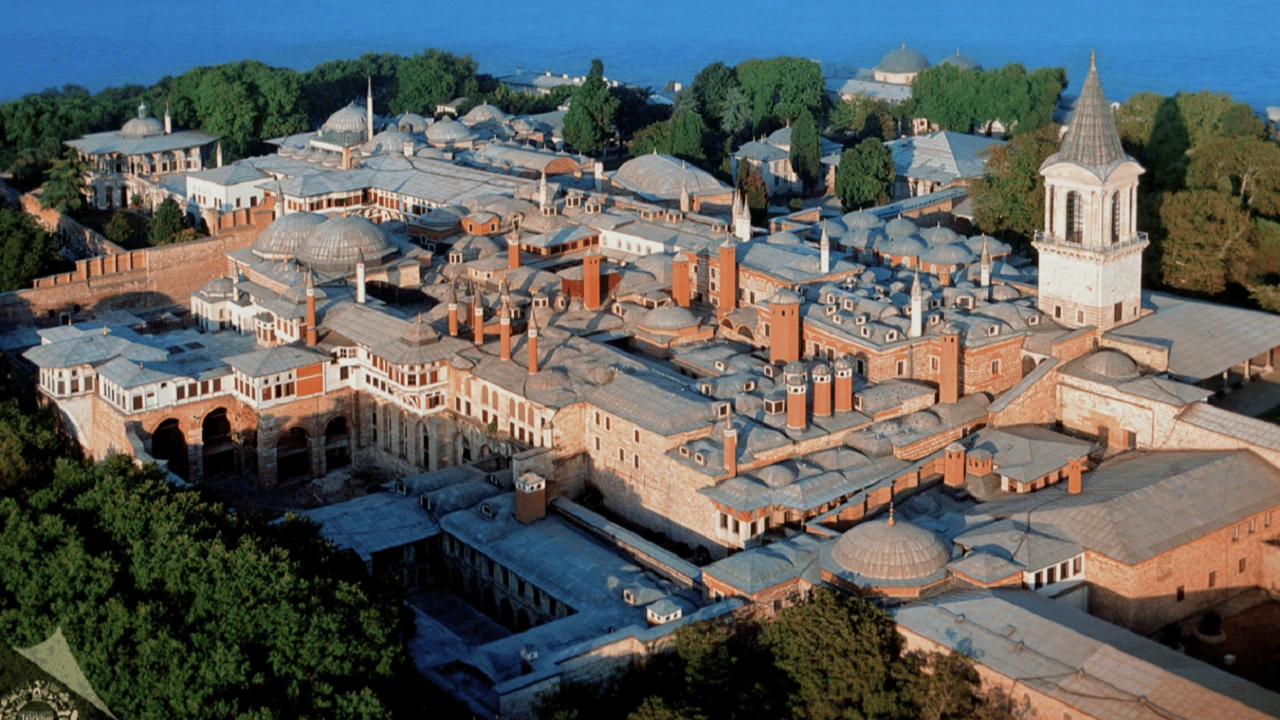
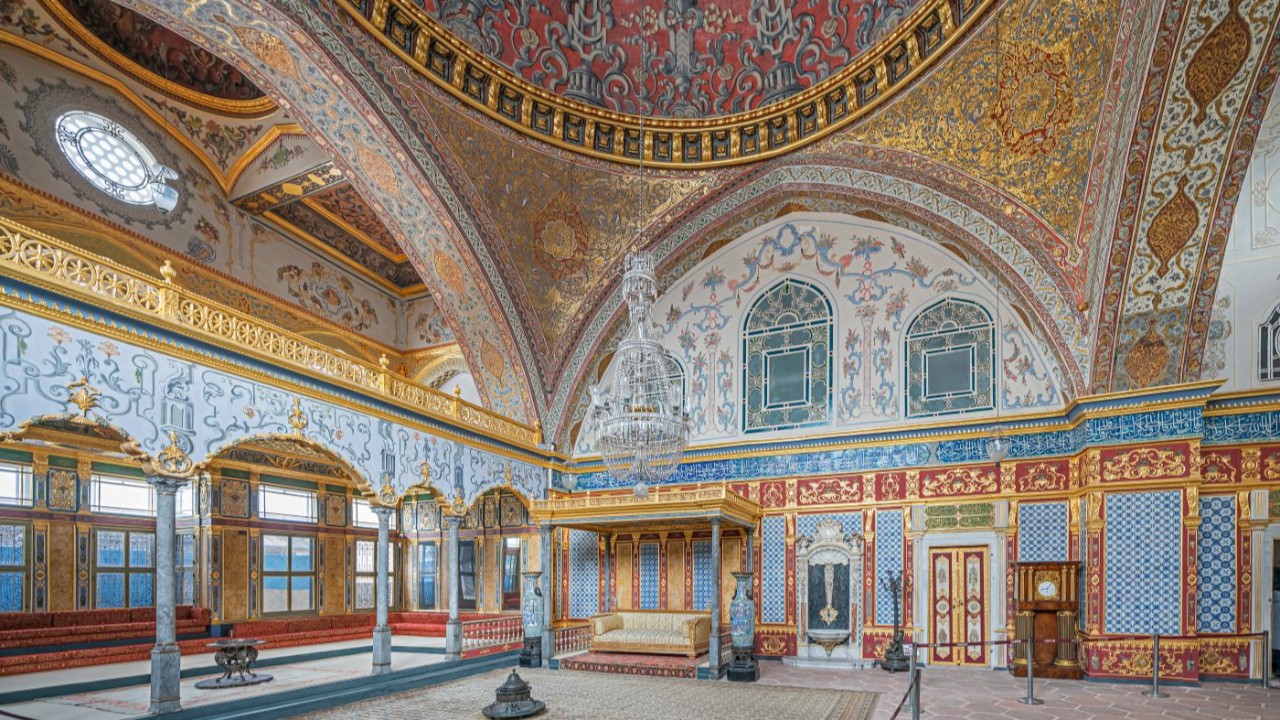
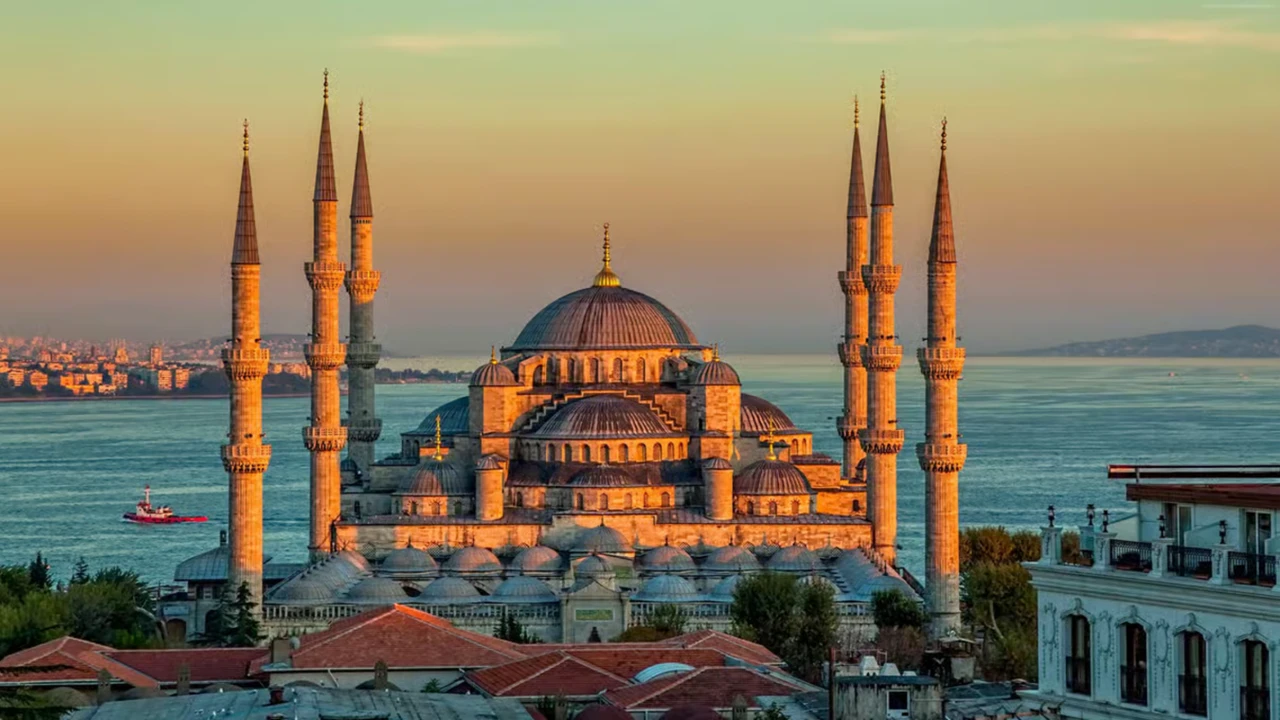
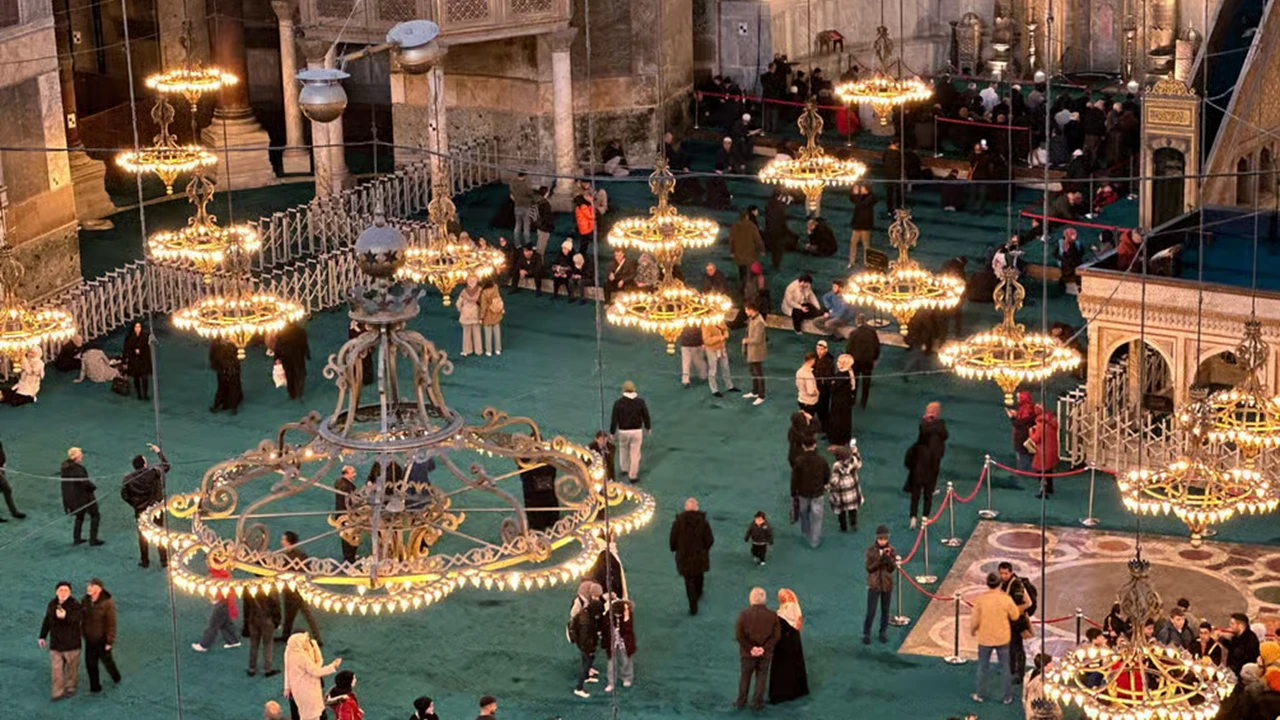
The Fatih district encompasses the heart of the historic peninsula. The "Historic Areas of Istanbul" were inscribed as a UNESCO World Heritage site in 1985, with key components including the Sultanahmet area, Süleymaniye, Zeyrek, and the ancient land walls. This means that as you walk through Fatih, the buildings you see aren't just isolated monuments; they are layers of a single, complex urban history. The difference between seeing these structures as individual stops versus understanding them as part of a cohesive historical layer is exactly what separates a guided tour from a solo trip.
What does a guided tour provide?
The true value of a guided tour isn't just about shortening the walking distance, it's about connecting the dots. When a professional explains the evolution of Fatih Camii from its 1470 origins to its 1771 reconstruction, the Byzantine monastery layout of Zeyrek, or exactly which palace floor the Great Palace mosaics once adorned, your day transforms from a checklist of buildings into a living chronology. In Turkey, tour guiding is a licensed profession; only those with an official license can legally provide these services. This ensures that the narrative you receive is based on verified historical expertise.
Who is a solo culture trip for?
A self-guided culture trip allows you to divide your time according to your own interests. If you want to spend half an hour staring at a single mosaic panel, wander aimlessly through a bazaar, or enjoy the midday silence of a mosque, the freedom to deviate from a schedule is invaluable. However, the trade-off is that you must personally track museum hours, prayer times, and closing days. For visitors who have seen Fatih before or those wanting to focus on a very specific theme, this independent approach is often more efficient.
Quick Facts
| Category | Details |
|---|---|
| Location | Fatih district, covering the majority of the historic peninsula on Istanbul's European side |
| Heritage Status | Historic Areas of Istanbul have been on the UNESCO World Heritage List since 1985 |
| Key Areas | Sultanahmet surroundings, Süleymaniye, Zeyrek, and the land walls |
| Rail Access | T1 Tram line with stops at Sultanahmet, Çemberlitaş, Beyazıt-Kapalıçarşı, Laleli, and Aksaray |
| Marmaray | Sirkeci and Yenikapı stations are located within Fatih boundaries |
| Transit Hub | Yenikapı connects Marmaray, M1 and M2 metro lines, and ferry services |
| Duration | Guided programs typically range from a half-day to a full-day |
| Museum Entry | MuseumPass (Müzekart) is valid for state-run museums for eligible visitors |
| Mosque Visits | Permitted outside of prayer times, following dress codes and etiquette |
| Terrain | Short distances between stops, but streets are cobbled and occasionally steep |
The Pillars of a Fatih Itinerary
Regardless of which exploration style you choose, the following sites form the backbone of any day in Fatih. Each has a different "visit window," which is the primary factor in planning your day.
Fatih Camii and Complex
The architectural complex that gives the district its name began construction in March 1463 and was completed in December 1470, designed by architect Atik Sinan. This was more than just a mosque; it was a külliye (social complex) including madrasas, a hospital, a guest house, a soup kitchen, a bathhouse, a school, a library, and tombs. After suffering damage in the 1509 earthquake and the collapse of its main dome in 1766, it was rebuilt during the reign of Sultan Mustafa III and reopened in 1771. Today, the structure blends classic Ottoman lines with 18th-century Baroque influences, spotting this duality is key to understanding the area's chronology.
Zeyrek Camii
Originally built as the Pantokrator Monastery Church during the Byzantine era (started in 1124, completed in 1136), this site is noted as the place where the first prayer was held after the conquest of Istanbul. It takes its name from the scholar Molla Zeyrek Mehmed Efendi, who served as a professor at its madrasa. Following a comprehensive restoration from 2009 to 2019, it has reopened for worship. As the largest surviving Byzantine religious structure after Hagia Sophia, Zeyrek is a central pillar of the peninsula's history. Since it is not a museum, entry is free, though visits must be timed around prayer hours.
Great Palace Mosaics Museum
Located within the Arasta Bazaar, this museum displays the floor mosaics of the Byzantine Great Palace in situ. Address: Sultanahmet Mahallesi, Kabasakal Caddesi, Arasta Çarşısı Sokak No: 53, Fatih. During the summer season (April 15 to October 25), it opens at 09:00 and closes at 19:00; however, the ticket office closes at 18:30, so plan your final entry accordingly. Winter hours are shorter. For those with a MuseumPass, entry is streamlined. In guided tours, this stop is usually integrated into the Sultanahmet walk, as it can be easily overlooked without entering the bazaar.
Press Museum
Located on Divanyolu Avenue in Çemberlitaş, this museum is operated by the Turkish Journalists' Association and offers free admission. The museum floor is only open on weekdays between 14:00 and 17:00; written applications are required for tourist groups and school visits. This narrow time window is the detail most solo travelers miss, if you place it in your morning schedule, you'll find the doors locked.
The Historic Peninsula and Süleymaniye Axis
The "Historic Peninsula" is the overarching theme of Fatih's routes, and the walking path between Sultanahmet and Süleymaniye is its spine. Süleymaniye is a critical component of the same UNESCO heritage area as Sultanahmet, Zeyrek, and the land walls. Mapping your day along this axis makes it easier to read these seemingly separate stops as one continuous story. Since this entire route is outdoors, it doesn't have strict closing hours, making it the most flexible part of any itinerary.
| Stop | Visit Window | Entry |
|---|---|---|
| Fatih Camii & Complex | All day (except prayer times) | Free |
| Zeyrek Camii | All day (except prayer times) | Free |
| Great Palace Mosaics Museum | Summer: 09:00–19:00 (Ticket office closes 18:30); Winter: Earlier closing | Ticketed / MuseumPass |
| Press Museum | Weekdays 14:00–17:00 | Free |
| Sultanahmet-Süleymaniye Walk | Open area, all day | Free |
Getting to Fatih and Structuring Your Day
Access to Fatih is seamlessly integrated into Istanbul's rail network. Whether you are on a guided tour or a solo mission, the following logic is the most efficient way to navigate:
- From the European Side: Take the T1 tram line. The Sultanahmet, Çemberlitaş, Beyazıt-Kapalıçarşı, Laleli, and Aksaray stops cover the main tourist artery of the district.
- From the Asian Side: Use the Marmaray to Sirkeci station. This is the fastest entry point to the historic peninsula.
- From Distant Neighborhoods: Use the Yenikapı transfer center, where Marmaray, M1, M2 metro lines, and ferry services converge.
- Start Early: Begin around 09:00 at the Great Palace Mosaics Museum or a stop near Sultanahmet; mornings are cooler and less crowded.
- Midday Break: Avoid mosque visits during the noon prayer window. Use this time for walking or a long lunch. Slot Fatih Camii and Zeyrek Camii into the gaps between prayer times.
- Afternoon Focus: Dedicate the 14:00–17:00 window to the Press Museum, then wind down your day with an open-air stroll toward Süleymaniye.
If you prefer a pre-planned route, current schedules for popular walking tours in Fatih offer this sequence as a ready-made itinerary.
Guided Tour vs. Solo Exploration: The Comparison
The deciding factor isn't usually budget, it's time and context. The following table compares the two styles across key metrics.
| Metric | Guided Tour | Solo Culture Trip |
|---|---|---|
| Route Planning | Set by the guide; stops are predetermined | Set by you; can be changed on the fly |
| Depth of Narrative | Connections made between sites; chronological flow | Limited to your prior research; connections are up to you |
| Pace | Moves at the average speed of the group | Moves at your own personal pace |
| Time Constraints | Museum hours and prayer times are built-in | You must track schedule conflicts in real-time |
| Peak Hours | Entry flow is planned to optimize time | Waiting times may increase during peak hours |
| Flexibility | Limited; difficult to deviate from the program | High; you can linger at a single stop for hours |
| Ideal Profile | First-time visitors, time-constrained, context-seekers | Repeat visitors, theme-focused explorers |
| Group Size | Larger groups may mean fewer opportunities for Q&A | Group size is entirely your choice |
The practical takeaway: In the same eight hours, a guided program allows you to see more stops in a connected way, while a solo trip allows you to spend more quality time at fewer stops.
How to Choose Your Exploration Style
Ask yourself these three questions. First: Is this your first time in Fatih? If so, connecting the dots between structures on your own is challenging; a guided program makes the day feel cohesive. Second: How many hours do you have? If you only have a half-day, the time spent navigating and checking hours will significantly reduce the number of sites you can actually visit. Third: Do you have a specific theme? If you are focused on Byzantine architecture, Ottoman social complexes, or local craftsmanship, a self-guided route allows for deeper immersion.
If you want to build your trip around a specific theme, comparing guided culture tour options in Fatih is a great starting point. For time-pressed visitors looking for a "start-to-finish" plan in one day, browse day-trip culture tours in Fatih. If you want to prioritize the historical narrative, you can view guided tours in Fatih here.
Practical Tips Before You Visit
These tips will ensure a smooth experience regardless of which style you choose.
- Time Mosque Visits Wisely: Fatih Camii and Zeyrek Camii are active places of worship. Entry is free, but you must schedule your visit around prayer times.
- Check the Mosaics Museum Season: In summer, the museum closes at 19:00, but the ticket office closes at 18:30. In winter, these times are earlier. Don't leave this for the last minute.
- Save the Press Museum for the Afternoon: Because it is only open weekdays from 14:00 to 17:00, it doesn't fit into morning itineraries.
- Wear Comfortable, Non-Slip Shoes: While distances are short, the streets are cobbled and often sloped.
- Bring Your MuseumPass: If you have one, it's essential for state museums and makes visiting multiple sites much faster.
- Dress Appropriately for Mosques: Ensure shoulders and knees are covered; women will need a headscarf.
- Stick to Rail Transport: The T1 tram connects the main hubs, and the Marmaray provides direct access for those coming from the Asian side.
Decision Summary: Which One is for You?
A guided tour in Fatih is the most efficient choice for visitors with limited time who want to understand the "why" and "how" behind the architecture. Seeing the two construction eras of Fatih Camii, the Byzantine layers of Zeyrek, and the floors of the Great Palace within a single narrative requires significant prep work if done solo. Conversely, a self-guided culture trip is perfect for those who want to dive deep into a specific theme, linger at a few spots, and maintain total flexibility.
There is also a "hybrid" approach: spend the first half of your day with a professional guide to get the historical framework, then spend the second half exploring on your own. This gives you both context and flexibility. Regardless of your choice, aligning your day with museum hours and prayer times is the single most important factor for a successful trip.
If you are looking for a broader experience that covers the entire peninsula in one day, current programs for popular historical city tours in Fatih provide a comprehensive ready-made route.
Frequently Asked Questions 6
How many stops are realistic to visit in Fatih in one day?
Since the distances are short, walking is feasible. However, the time spent at each stop defines the plan. In a full-day guided program, 4 to 6 stops can be visited in a connected way. On a solo trip, spending more time at 3 stops is usually more rewarding than rushing through 6.
How does group size affect the guided tour experience?
As group size increases, transition times between stops and waiting lines for entry typically grow, and the opportunity for individual questions decreases. Small groups allow the guide to provide more detailed narratives. When booking, asking about the group size is often more important than the ticket price.
What time should I arrive at the Great Palace Mosaics Museum?
In summer, it's open 09:00–19:00, but the ticket office closes at 18:30; winter hours are earlier. If this is your final stop, ensure you arrive before the ticket office closes. Arriving around 09:00 is ideal for better lighting and fewer crowds.
When is the best time to visit the mosques?
Fatih Camii and Zeyrek Camii are active mosques and are visited outside of prayer times. The windows between early morning and the afternoon prayer (ikindi) are usually the most relaxed. Plan your lunch or walking breaks during the noon prayer window to keep your flow.
When should I slot the Press Museum into my itinerary?
The museum floor is open weekdays from 14:00 to 17:00 and entry is free. Therefore, it must be placed in the afternoon block of your day. If you are visiting as a group, remember that a written application is required in advance.
What credentials should I look for in a guide?
In Turkey, tour guiding is a licensed profession. Only those with an official license (ruhsatname) are legally permitted to provide guiding services. It is standard practice to verify a guide's license at the start of the program to ensure the information provided is professionally grounded.