
Exploring the mosques of the Fatih district is a different experience than a standard museum tour. There are no ticket booths at the entrance, but the rhythm of the day is dictated by the call to prayer (ezan). The success of your visit depends on two key decisions: timing your arrival around the prayer schedule and knowing where your route sits within the Historic Peninsula. Being prepared with appropriate clothing and headscarves will make your entry seamless, and keep in mind that Fridays require a slightly different approach. When planned correctly, you can easily visit both Fatih Camii and Zeyrek Camii in a single morning or afternoon. Below, we break down everything you need to know to make your Fatih pilgrimage smooth and rewarding.
Two Key Decisions for Your Itinerary
Many travelers plan their Fatih visits with a "museum mindset," only to find themselves caught off guard by prayer times. In this part of Istanbul, the calendar follows a spiritual rhythm rather than a tourist one.
Visiting a Place of Worship vs. a Museum
Fatih Camii and Zeyrek Camii are not museums; they are active places of worship. While entry is free, the trade-off is that your visit must respect the prayer schedule. During each of the five daily prayers, visitor access typically pauses about 30 minutes before the ezan and resumes once the congregation has finished. In a museum, you choose your time; here, the prayer times choose yours. Accounting for this difference allows you to combine both sites into one efficient trip.
Where Are You in the Historic Peninsula?
The Fatih district encompasses the heart of the Historic Peninsula. This area, including the Sultanahmet Archaeological Park, Süleymaniye, Zeyrek, and the Theodosian Walls, has been under UNESCO World Heritage protection since December 6, 1985. When you walk through Zeyrek, you aren't just walking through a neighborhood; you are traversing a protected historical zone. This explains why the surrounding street fabric feels so remarkably preserved.
Quick Facts
| Topic | Information |
|---|---|
| Location | Fatih District, Istanbul (Historic Peninsula) |
| Top Highlights | Fatih Camii, Zeyrek Camii |
| Entry | Fatih Camii and Zeyrek Camii are open for worship; entry is free |
| Dress Code | Shoulders and knees covered; headscarves required for women |
| Footwear | Shoes must be removed at the entrance; bags/shoe racks provided |
| Prayer Times | Access pauses ~30 mins before prayer; resumes after prayer |
| Fridays | Tourist visits pause from late morning until after Friday prayer (~14:30) |
| Quiet Hours | Early morning; 10:00–12:00 is the peak period |
| Transport | M2 Vezneciler, T1 Aksaray, Eminönü buses |
| Suggested Duration | Half-day for both stops; full day for a relaxed pace |
What to See at Fatih Camii?
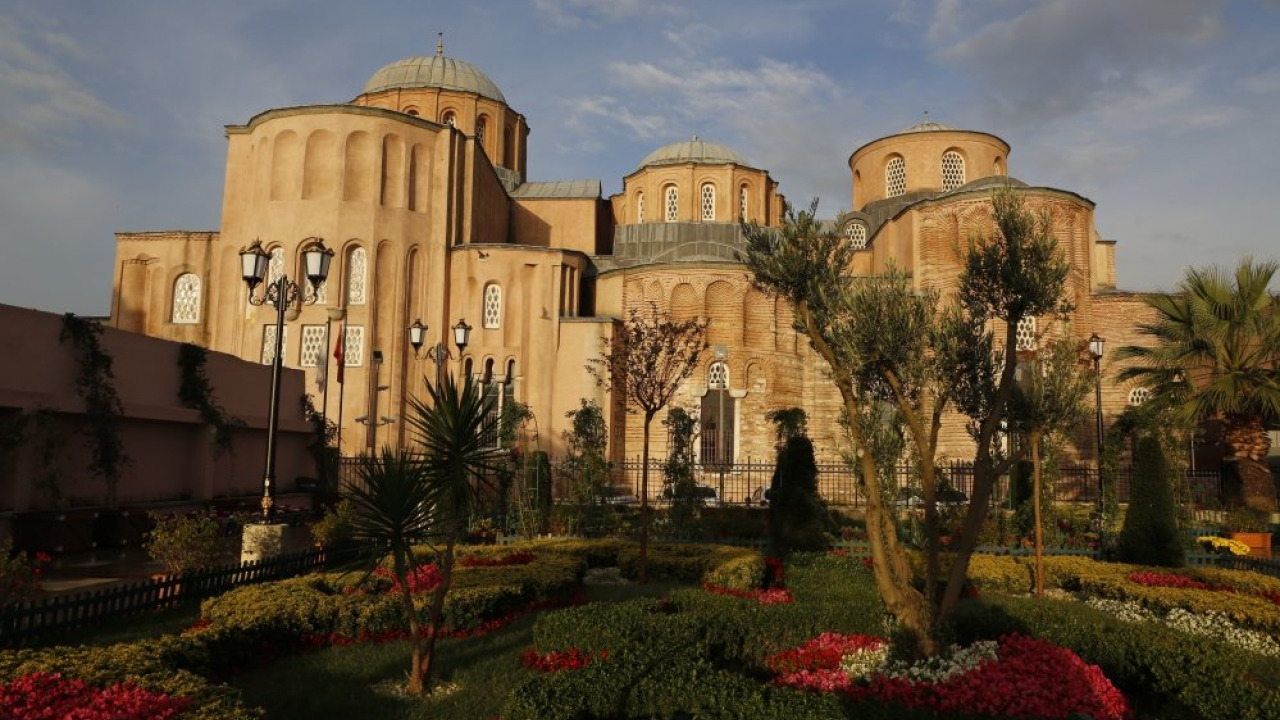
Fatih Camii serves as the heart of the first major külliye (complex) established after the conquest. Here, you can observe the core of a historic settlement through its madrasas and expansive courtyard.
Construction and Post-Earthquake History
The mosque and its complex were built between 1463 and 1470 during the reign of Fatih Sultan Mehmed. The architect was Sinanüddin Yusuf bin Abdullah (often called Atik Sinan to distinguish him from the famous Mimar Sinan). The structure suffered heavy damage during the 1766 earthquake and was rebuilt between 1767 and 1771 under the orders of Sultan III. Mustafa by Architect Mehmed Tahir Ağa. The dome structure you see today belongs to this second period, though the original mihrab and minaret bases were preserved. Looking from the courtyard toward the roof, you will notice a fascinating blend of classical foundations and Baroque details.
Managing Your Time in the Complex
Allocating 20–25 minutes for the main prayer hall (harim) and 20 minutes for the courtyard and surrounding complex is usually sufficient for most visitors. Note that Wednesday markets in the area can make the streets quite crowded, slowing your walking pace. If you are a photographer, it is best to explore the courtyard immediately after the prayer services end and the congregation disperses.
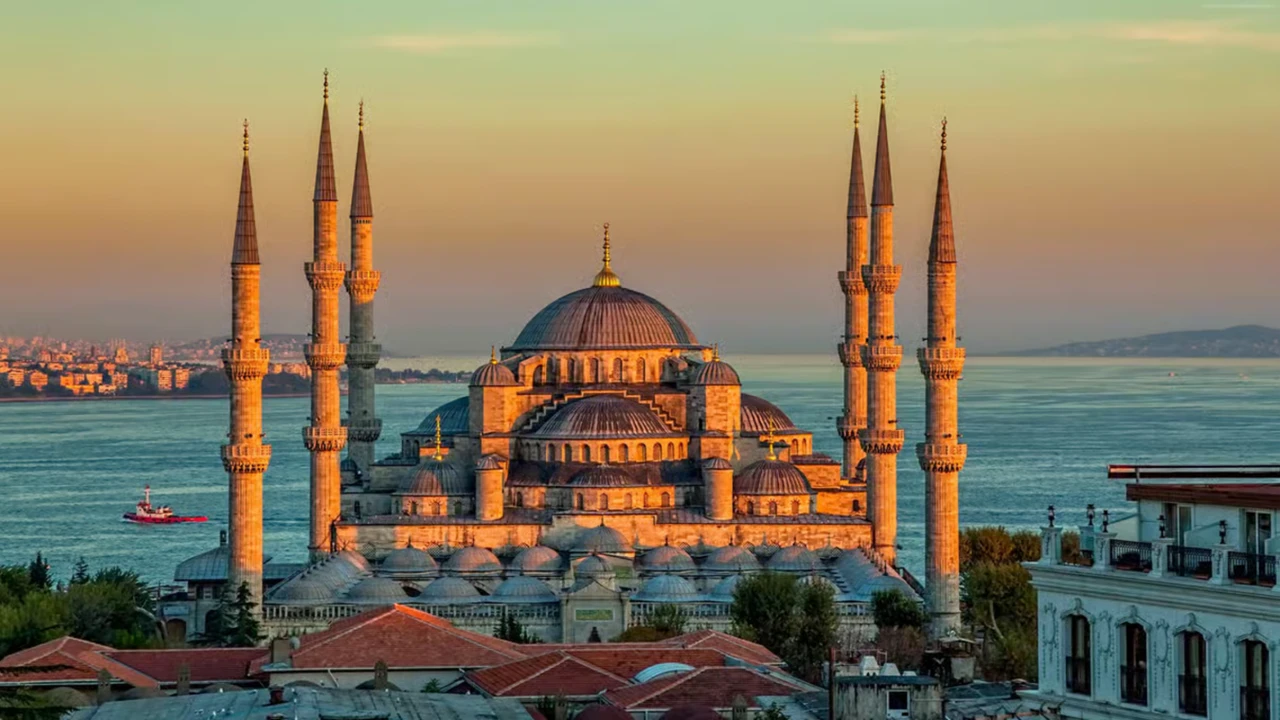
Zeyrek Camii and the Byzantine Layer
Zeyrek is the second major anchor of a Fatih tour, offering a glimpse into a completely different era. Moving from Fatih Camii to Zeyrek feels like a 350-year leap through time within the same district.
From Pantokrator Monastery to Mosque
Founded by Empress Irene Komnena, this church was completed in 1124. By 1136, it had become the Pantokrator Monastery complex, which included a library and a hospital. It is considered the largest surviving Byzantine religious structure after Hagia Sophia and was one of the first churches converted into a mosque after the conquest. A comprehensive restoration that began in 2009 was completed in late 2018, and the building reopened for worship in 2019. Its distinctive pink brickwork and high, outward-sloping walls make it instantly recognizable.
The Rhythm of Visiting Zeyrek
Zeyrek Camii is an active mosque and is generally accessible from after the dawn prayer until after the evening prayer. The interior is smaller than Fatih Camii; 20 minutes is usually enough for a visit. Be sure to set aside an extra 30 minutes for the surrounding hilly streets; the best viewpoints overlooking the Golden Horn are found along these winding paths.
How to Get There
The two main stops are within walking distance of each other, so once you arrive in the area, you can navigate on foot.
- Take public transport to either the Vezneciler or Aksaray stations; from either, it is a 10–15 minute walk to Fatih Camii.
- Start your tour at Fatih Camii; the early morning hours are the most efficient for photography and observation as the courtyard is quieter.
- Time your visit to the main prayer hall between prayer times; if you hear the ezan, wait in the courtyard until the congregation has finished.
- Walk north from the complex toward the Golden Horn to reach Zeyrek Camii; this is a roughly 15-minute walk involving some uphill slopes.
- On your return, head down toward Unkapanı to connect with public transport along the Golden Horn or walk back toward Vezneciler.
Public Transport Options
| Line | Stop | Walking Time |
|---|---|---|
| M2 Metro (Yenikapı-Hacıosman) | Vezneciler | Approx. 10–15 mins |
| T1 Tram (Kabataş-Bağcılar) | Aksaray | Approx. 10–15 mins |
| Eminönü Buses (32, 36KE, 37E, 336E, 90) | Fatih | A few minutes |
When is the Best Time to Visit?
The same route can offer vastly different experiences depending on the hour. Use the comparison below to find the window that suits your travel style.
| Time of Day | Crowd Level | Best For... |
|---|---|---|
| Early Morning (Post-dawn to 09:30) | Low | Peaceful exploration and photography |
| 10:00–12:00 | High | Guided group tours |
| Afternoon | Moderate | Exploring the complex and neighborhood walks |
| Late Afternoon (Until evening prayer) | Low | Courtyard atmosphere and sunset light |
If you want to fit a full cultural itinerary into one day, check out our day trips and cultural tours in Fatih.
Guided Tour or Solo Exploration?
The history of Fatih is layered: in a single courtyard, you might see Byzantine, Ottoman, and Republican-era interventions side by side. Deciphering these layers on your own can be challenging. If you prefer a narrated experience, our Fatih Religious Sites Tour options make it easy to connect the dots by visiting the mosques in chronological order. If you wish to expand your route to include museums and bazaars, explore our cultural tour programs in Fatih.
Pro-Tips for a Smooth Visit
- Dress modestly: Choose clothing that covers your shoulders and knees; tight leggings or sheer fabrics are generally not permitted.
- Headscarves: Women are required to cover their hair. If you don't have one, you can borrow a free headscarf from the stands at the entrance.
- Footwear: Remove your shoes at the entrance and place them in the provided bags; finding space in the shoe racks can be difficult during busy hours.
- Check prayer times: Check the daily prayer schedule on the morning of your trip, as times shift slightly with the seasons.
- Friday planning: Since tourist visits pause on Friday mornings until after the congregational prayer, plan your Friday visits for the afternoon.
- Photography etiquette: Avoid photographing people while they are praying and refrain from using flash.
Wrapping Up Your Plan
A visit to the religious sites of Fatih can easily be completed in half a day if you start at the right time. The walk between Fatih Camii and Zeyrek Camii allows you to witness two distinct eras of history back-to-back. Preparing your clothing in advance, checking the prayer schedule, and heading out early are the three simple steps to a seamless visit. To expand your journey to other parts of the district, our city tour options in Fatih offer plenty of variety.
Frequently Asked Questions 5
Can I walk between Fatih Camii and Zeyrek Camii?
Yes. The distance between the two structures is approximately a 15-minute walk. The route is somewhat uphill toward the Golden Horn, so comfortable walking shoes are highly recommended.
Will my visit be interrupted if I arrive during prayer time?
During each of the five daily prayers, visitor access typically pauses about 30 minutes before the ezan and resumes after the prayer. You can wait in the courtyard during this interval and enter once the congregation has dispersed; you won't lose your whole day.
Can I enter the mosque if I don't have a headscarf?
Yes, you can. You can borrow free headscarves and wraps from the stands located at the entrance areas. However, bringing your own can help you avoid waiting during busy periods.
Is it a good idea to plan a religious site tour in Fatih on a Friday?
It is possible, but you must adjust your timing. Tourist visits to mosques on Fridays pause from late morning until after the Friday prayer (around 14:30) and resume in the afternoon. A good strategy is to spend the morning walking through the surrounding neighborhood and complex.
What Byzantine traces can be seen at Zeyrek Camii?
Because the building was constructed as the Pantokrator Monastery in 1124, the pink brickwork, the high outward-sloping walls, and the internal spatial divisions belonging to the original monastery plan are still clearly visible. Following a major restoration, it was reopened for worship in 2019.