
Antalya, the tourism capital of the Mediterranean, offers far more than just golden sands and luxury resorts; it is a living mosaic of civilizations spanning millennia. From the fertile plains of Pamphylia rise majestic ancient theaters, imposing aqueducts, and fortified harbors, transforming the city into a sprawling open-air museum.
To truly immerse yourself in the region's depth rather than just skimming the surface, following a curated route of kaleici ve perge antik duraklari is the best way to experience the city. With the insights of professional guides, you can uncover the mythological legends hidden behind stone columns, the brilliance of Roman engineering, and the enduring legacy of the Seljuks. You can explore our curated historical itineraries on the Antalya guided tour options page, or check out our Antalya boat trips for a refreshing coastal adventure.
Quick Guide: Discovering Antalya's History & Culture
| Feature | Visitor Summary |
|---|---|
| Regions & Locations | Antalya Kaleiçi, Aksu (Perge), and Serik (Aspendos) |
| Must-See Highlights | Hadrian's Gate, Hıdırlık Tower, Perge Ancient City, Aspendos |
| Best Time to Visit | March to May and October to November |
| Recommended Duration | Full day (6 to 8-hour cultural circuit) |
| Transportation | Air-conditioned tour transfers and walking |
| Entry Requirements | MuseumPass valid (Kaleiçi public areas are free) |
The Historic Streets of Kaleiçi and Hadrian's Gate
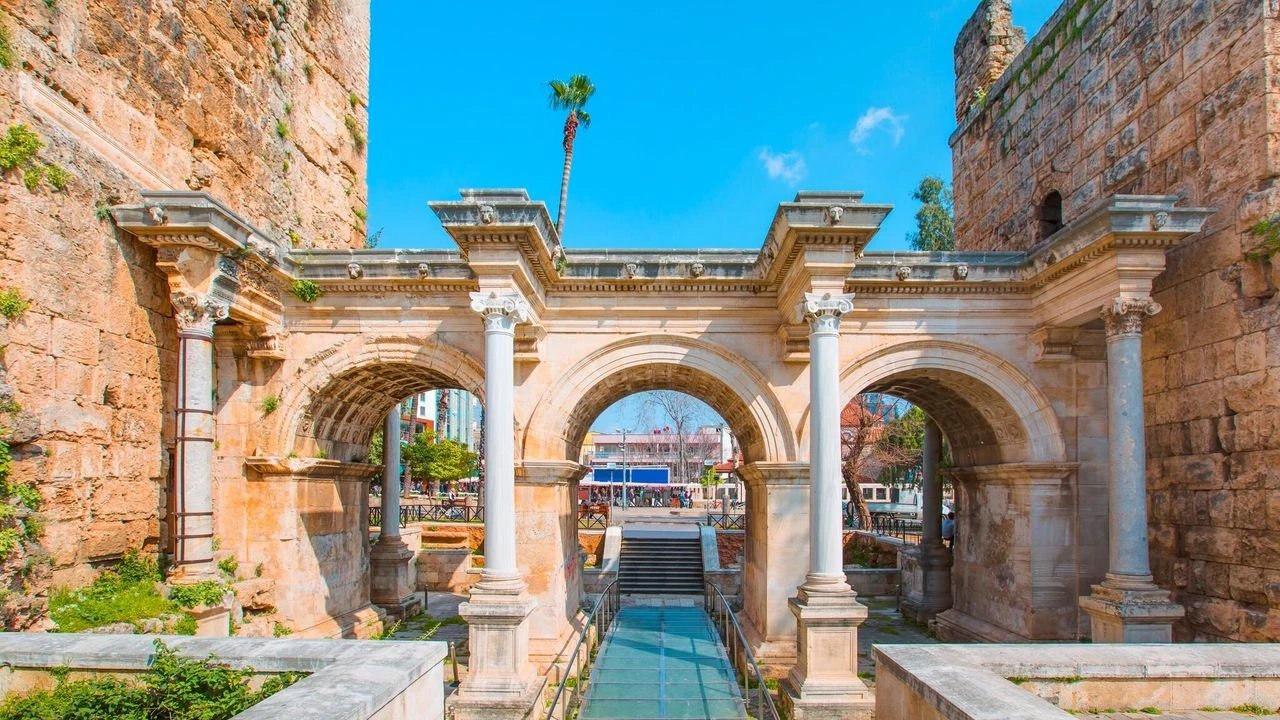
Located in the heart of the city, Kaleiçi (the Old Town) captivates visitors with its layered architecture, stretching from the Roman era to the Ottoman Empire. Walking through the marble Hadrian's Gate, also known as the Three Gates, and exploring the narrow cobblestone alleys lined with restored bay-windowed mansions and the historic Hıdırlık Tower allows you to feel the true soul of Antalya.
The Colonnaded Streets of Perge Ancient City
Situated in the Aksu district, Perge boasts one of the most sophisticated urban plans of the Hellenistic and Roman periods. With its monumental twin-towered entrance, colonnaded streets featuring integrated water channels, and a grand stadium, Perge brings the opulence of the ancient world into the present.






Comparison of Ancient Sites Around Antalya
Here is a breakdown of the historical centers surrounding Antalya, their logistics, and what makes them unique:
| Ancient Site / Region | Distance from Center | Visit Duration | Historical Era | Key Highlight |
|---|---|---|---|---|
| Antalya Kaleiçi | City Center | 2.5 Hours | Roman, Seljuk, Ottoman | Hadrian's Gate & Yivli Minaret |
| Perge Ancient City | 17 km | 2 Hours | Hellenistic & Roman | Colonnaded Street & Monumental Fountain |
| Aspendos Ancient City | 45 km | 1.5 Hours | Roman Period | World-renowned Ancient Theater |
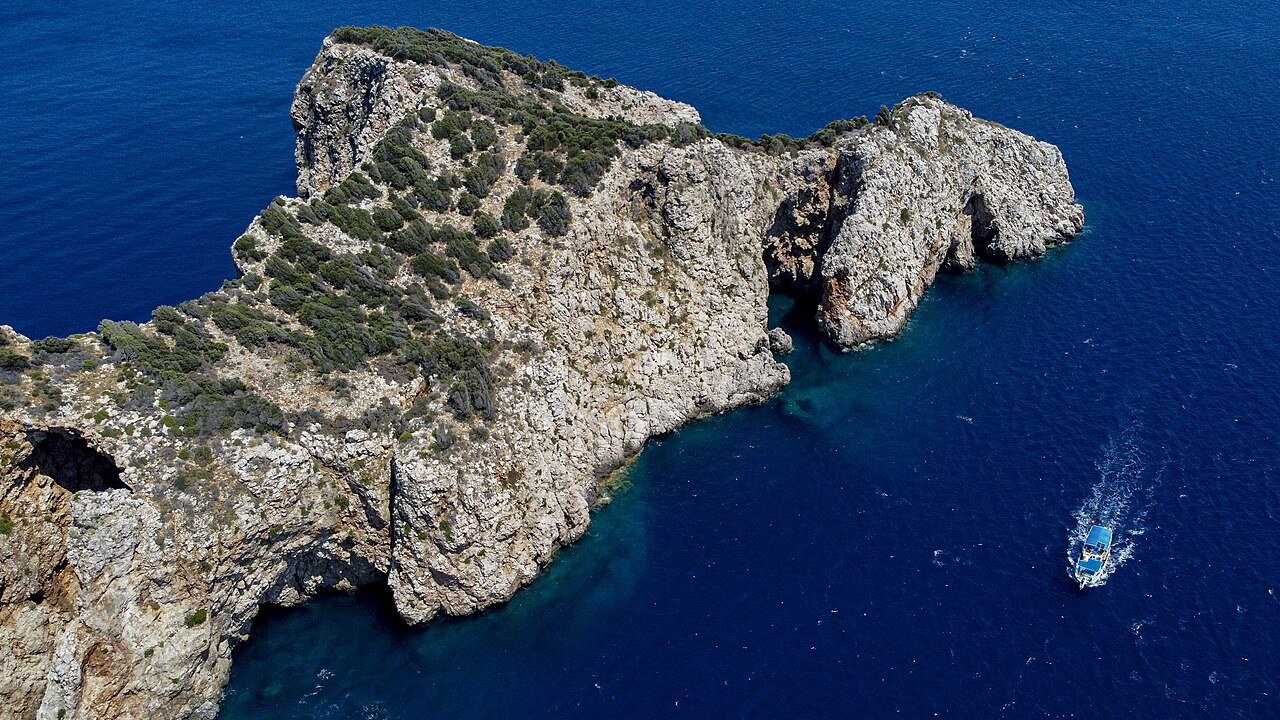
| Phaselis Ruins | 55 km | 2.5 Hours | Lycian & Roman | Ancient Harbors & Aqueducts |
| Termessos Ancient City | 35 km | 3 Hours | Pisidian Mountain City | "Eagle's Nest" Theater on the cliffs |
Aspendos Ancient Theater: An Engineering Marvel
Located in the Serik district, the Aspendos Theater is widely regarded as one of the best-preserved Roman theaters in the world. Designed by the architect Zenon, the structure's acoustics are so precise that voices from the stage can be heard clearly even in the highest rows.
A Visit to the Antalya Museum
The Antalya Museum, where sculptures excavated from Perge and other ancient sites are displayed, houses one of the richest sculpture collections in the world, featuring the breathtaking Hall of Gods and the Sarcophagi Hall.
The Perfect 1-Day Cultural Itinerary with a Professional Guide
Maximize your time with this step-by-step exploration flow:
- Kaleiçi Walking Tour (09:00 - 11:00): Enter through Hadrian's Gate and explore the Broken Minaret, Hıdırlık Tower, and the Old City Harbor with expert commentary.
- Antalya Museum Visit (11:30 - 13:00): A short transfer from Kaleiçi takes you to the museum to examine the Perge sculptures and sarcophagi through a professional lens.
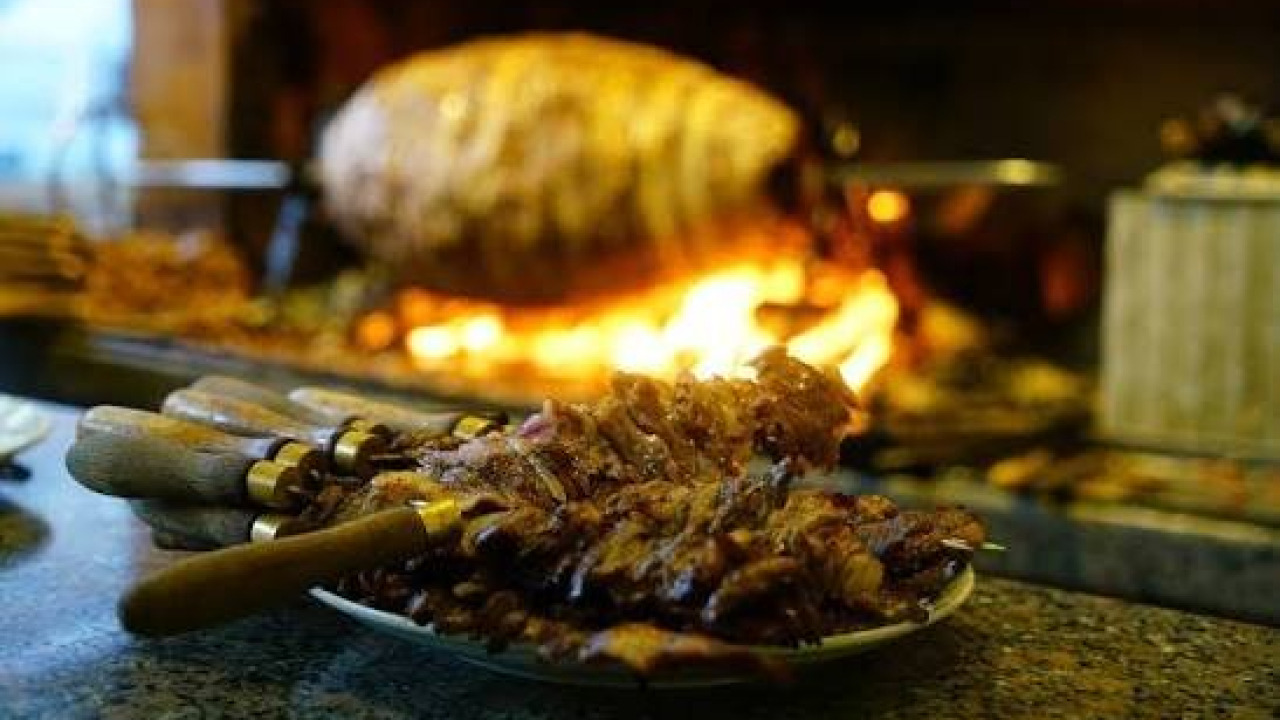
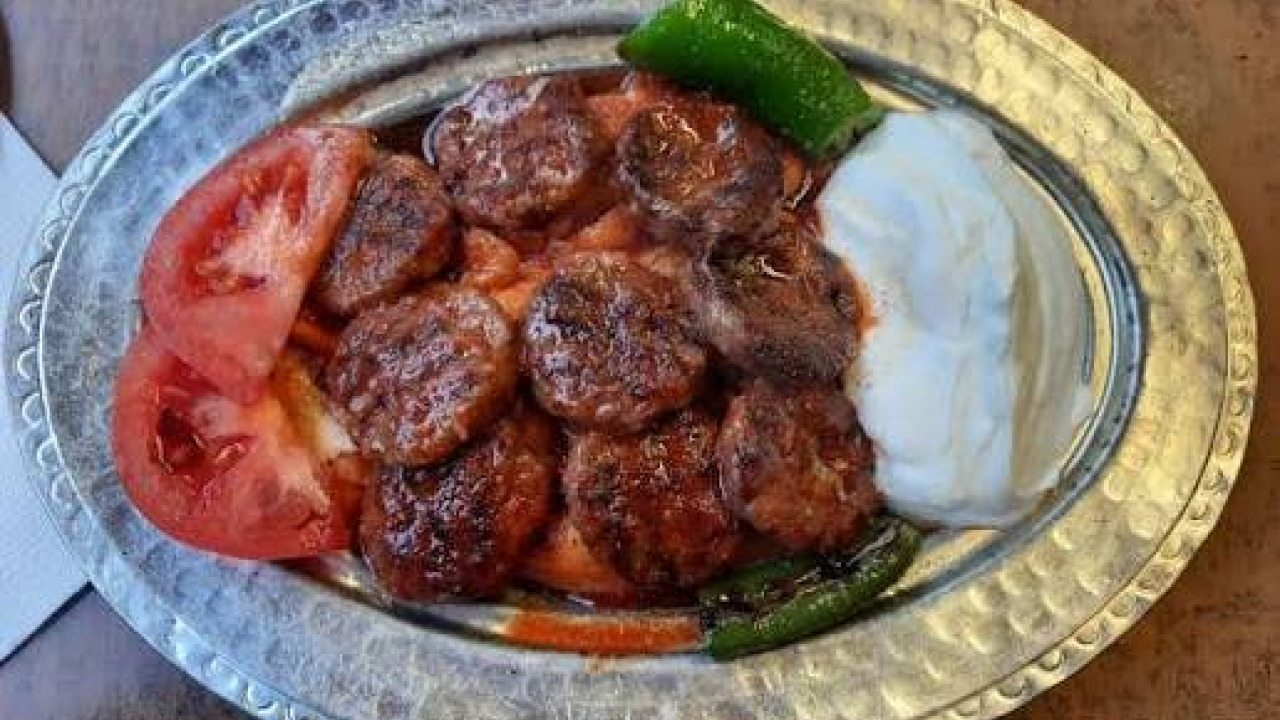
- Authentic Lunch Break (13:00 - 14:00): Recharge with a traditional meal featuring Antalya's famous piyaz (bean salad) and şiş köfte (grilled meatballs).
- Exploring Perge Ancient City (14:30 - 16:30): Head to Aksu for a historical stroll among the colonnaded streets, the agora, and the ruins of the ancient baths.
- Grand Finale at Aspendos (17:00 - 18:30): End your day by testing the acoustics of the magnificent Aspendos theater and photographing the towering aqueducts.
Pro Tips for Visiting Ancient Sites
To make your journey more comfortable, keep these practical tips in mind:
- Get a MuseumPass: Instead of buying individual tickets for Perge, Aspendos, and the Antalya Museum, a MuseumPass offers significant budget and time advantages.
- Sun Protection: Shade is limited in ancient cities; always carry a hat, sunglasses, and high-SPF sunscreen.
- Footwear Matters: Ancient marble floors and stone paths can be slippery; rubber-soled sneakers or walking shoes are highly recommended.
- Audio Guides: In larger groups, make full use of the provided wireless headset kits to ensure you don't miss a word from your guide.
- Photography Timing: Early morning and late afternoon provide the best light-and-shadow balance for capturing the dramatic columns of the ancient cities.
The Best Seasons for a History Tour in Antalya
During the summer, temperatures in Antalya can soar toward 40°C (104°F) with high humidity, making long walks through open-air ruins challenging. Therefore, the ideal windows for cultural and ancient city tours are spring (March, April, May) and autumn (September, October, November).
In winter, the mild Mediterranean climate allows for comfortable sightseeing on sunny days. You'll find a serene, quiet atmosphere in the ancient theaters and the winding streets of Kaleiçi during the off-season.
The Legacy of Trade and Ports in the Pamphylia Region
In antiquity, the region known as Pamphylia was the beating heart of Mediterranean maritime trade. Perge's connection to the sea via the Kestros (Aksu) river and the natural shelter provided by the Kaleiçi harbor turned the city into a wealthy commercial metropolis. During guided tours, you can still see the remnants of this ancient trade network in the shop ruins lining the colonnaded streets.
Frequently Asked Questions 5
Is the MuseumPass valid for Antalya historical tours?
Yes, the MuseumPass is valid at Perge, Aspendos, Phaselis, and the Antalya Museum, all of which are under the Ministry of Culture and Tourism. The streets of Kaleiçi are public and free to enter.
How much walking is involved in ancient city tours?
In areas like Kaleiçi and Perge, you can expect approximately 2 to 3 hours of active walking on stony terrain. Flat, comfortable walking shoes are strongly recommended.
Is this route suitable for families with children?
Kaleiçi and Aspendos are very family-friendly. However, the uneven stone surfaces of Perge can make using a stroller challenging in certain sections.
Are lunches included in the tour?
Most full-day package tours include lunch at riverside or local restaurants along the route; however, drinks are typically an additional cost.
Which areas are included for hotel transfers?
Pick-up services are provided from hotels in Antalya city center, Konyaaltı, Lara, and Kundu. Transfers for guests staying in more distant districts like Kemer or Belek are coordinated by the tour operator.