
When planning a trip through Turkey's Aegean and Mediterranean regions, choosing between two UNESCO World Heritage sites can define your entire holiday experience. On one hand, you have Ephesus Ancient City tours, a pinnacle of Roman architecture with its sweeping marble streets and deep archaeological roots. On the other, Pamukkale tours offer a surreal natural spectacle, famous for its white travertine terraces and ancient thermal springs. In this guide, we break down the differences to help you decide.
The right choice depends on your pace, your interests, and how much walking you want to do. Ephesus is a massive urban archaeological site focused on classical history, featuring the iconic Celsus Library and grand villas. Pamukkale, however, offers a unique blend of history and wellness, where you can walk barefoot on mineral terraces and swim among ancient columns in a thermal pool.
Head-to-Head Comparison: The Ephesus vs. Pamukkale Duel
To help you decide which destination fits your itinerary, we have compiled a comparison of their key archaeological, logistical, and geographical features.
| Comparison Criteria | Ephesus Ancient City (İzmir) | Pamukkale Hierapolis (Denizli) |
|---|---|---|
| Character | Purely archaeological: marble structures, temples, and Roman urbanism | A blend of natural wonders (travertines) and ancient ruins |
| Iconic Landmarks | Celsus Library, Great Theatre, Terrace Houses, Temple of Hadrian | Cleopatra's Antique Pool, Hierapolis Theatre, White Travertines |
| Walking Experience | Ancient stone-paved streets, colonnaded ways, and steps | Barefoot walking on mineral terraces and dirt paths |
| Water & Thermal Features | No swimming; a dry archaeological site | Opportunity to swim in healing thermal waters among ancient columns |
| Shade & Sun Exposure | Open stone areas; can get extremely hot during midday | Highly reflective white ground; sunglasses and hats are essential |
| Airport & Transport | 65 km from İzmir Adnan Menderes Airport (~50 mins) | 70 km from Denizli Çardak Airport (~1 hour) |
| Ideal Traveler Profile | History buffs, archaeology enthusiasts, culture seekers | Nature lovers, photographers, wellness travelers |
As the table shows, the fundamental difference lies in the experience: Ephesus offers deep immersion into a Roman metropolis, while Pamukkale provides a harmonious mix of natural beauty and thermal relaxation.
The Spirit of Ephesus: The Grandeur of a Roman Metropolis
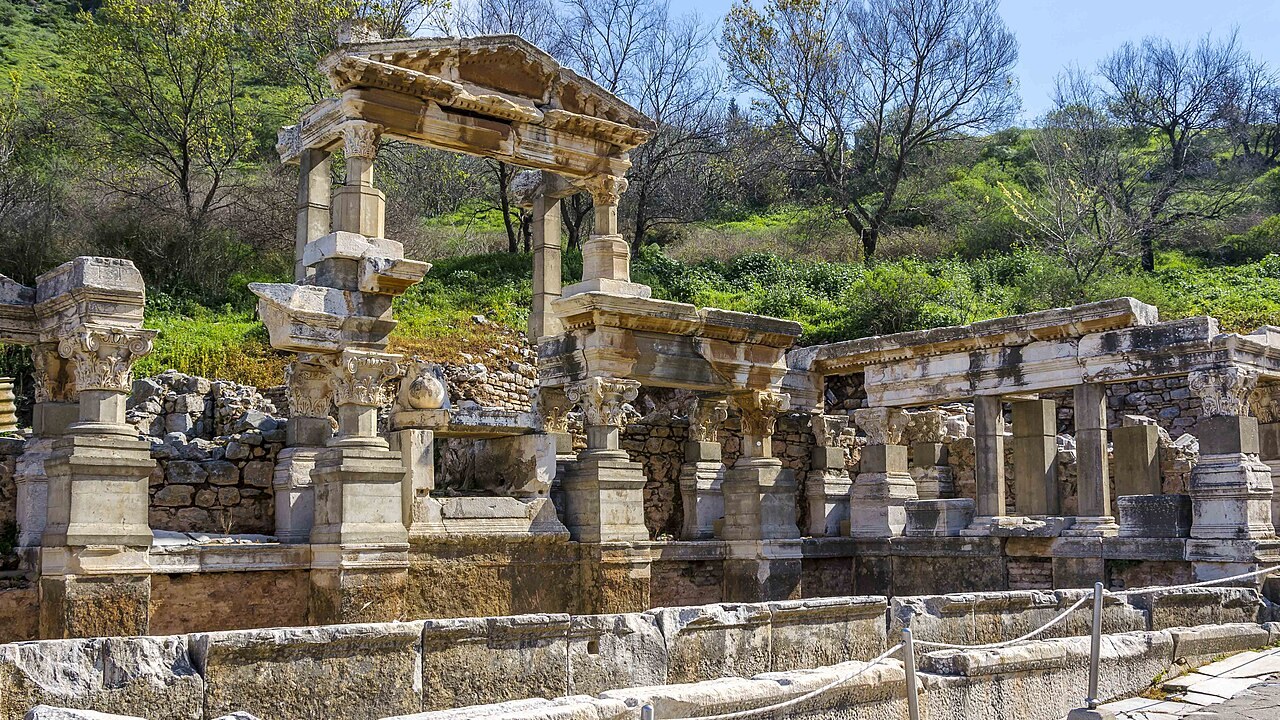
Ephesus was one of the most vital port cities of the ancient world and served as the capital of the Roman province of Asia. From the moment you step onto the Curetes Way, the sheer scale of Roman luxury becomes apparent. The Celsus Library, standing tall at the end of the street, remains one of the most magnificent surviving examples of ancient architectural mastery.
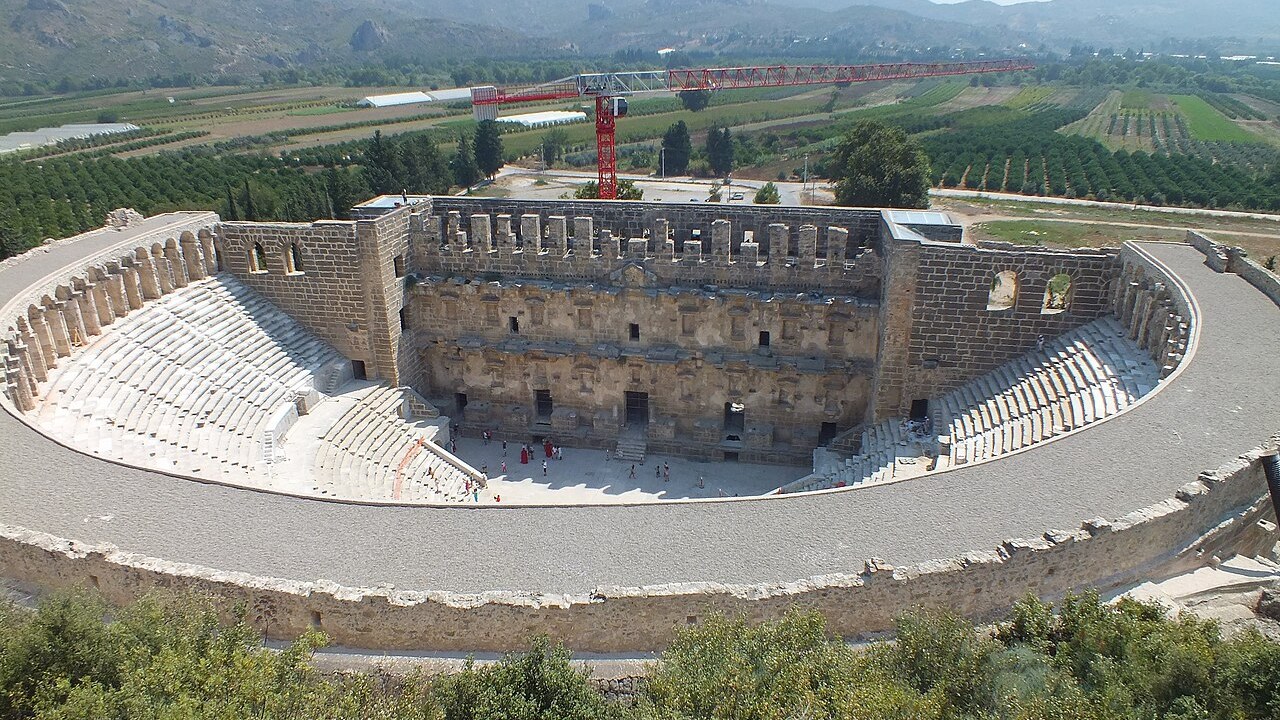
The Great Theatre of Ephesus, which could hold 25,000 spectators, is a breathtaking feat of engineering. Standing on its steps, you can almost hear the echoes of ancient maritime trade and gladiatorial combat. Nearby, the ruins of the agora and public baths further testify to the city's former greatness.
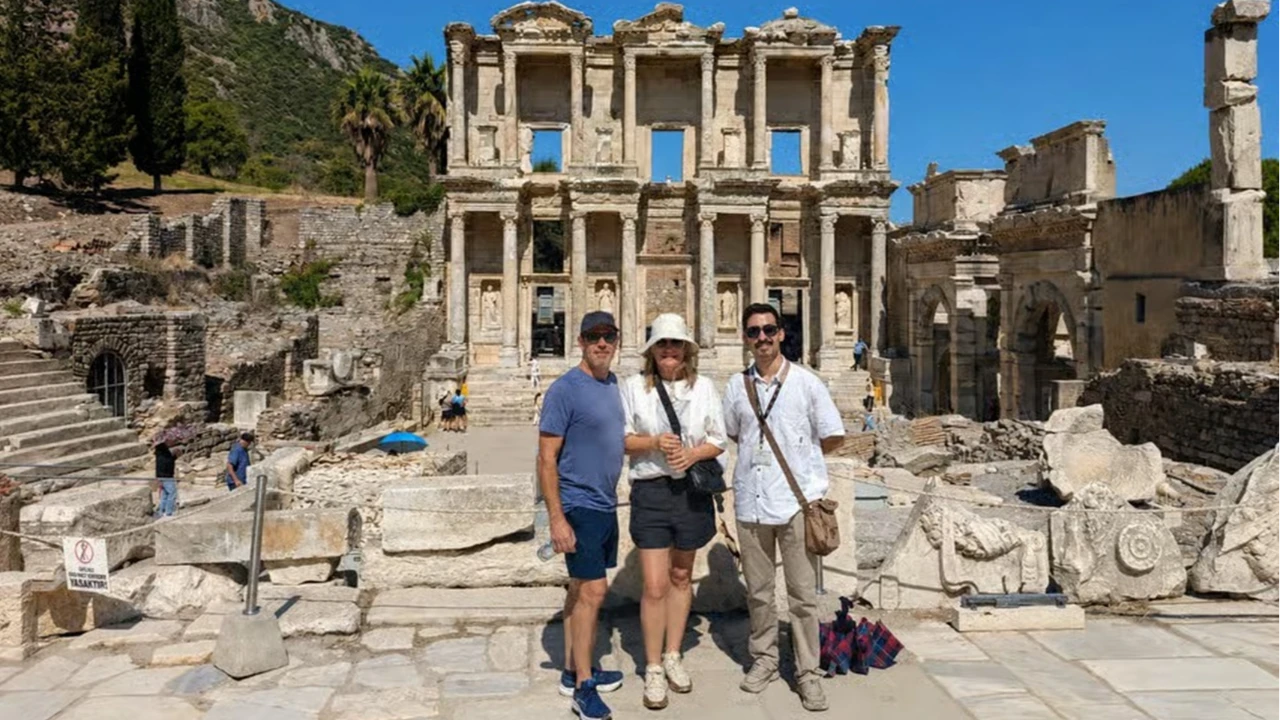
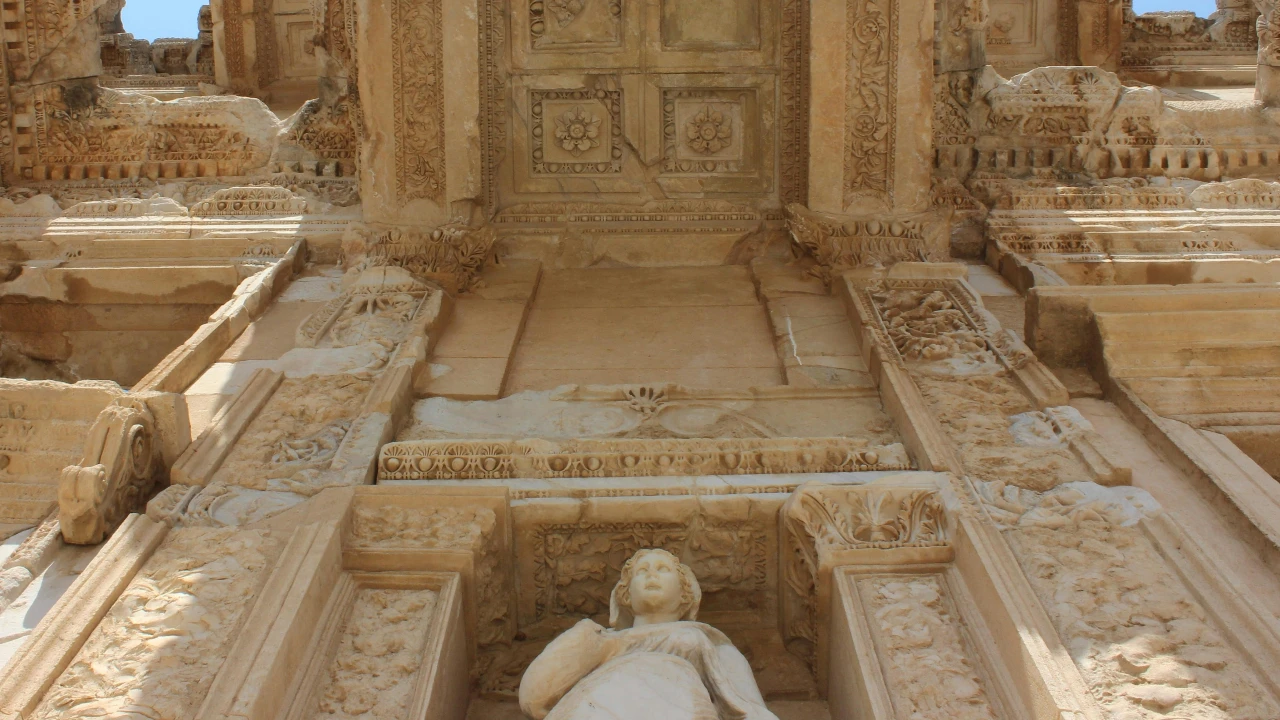
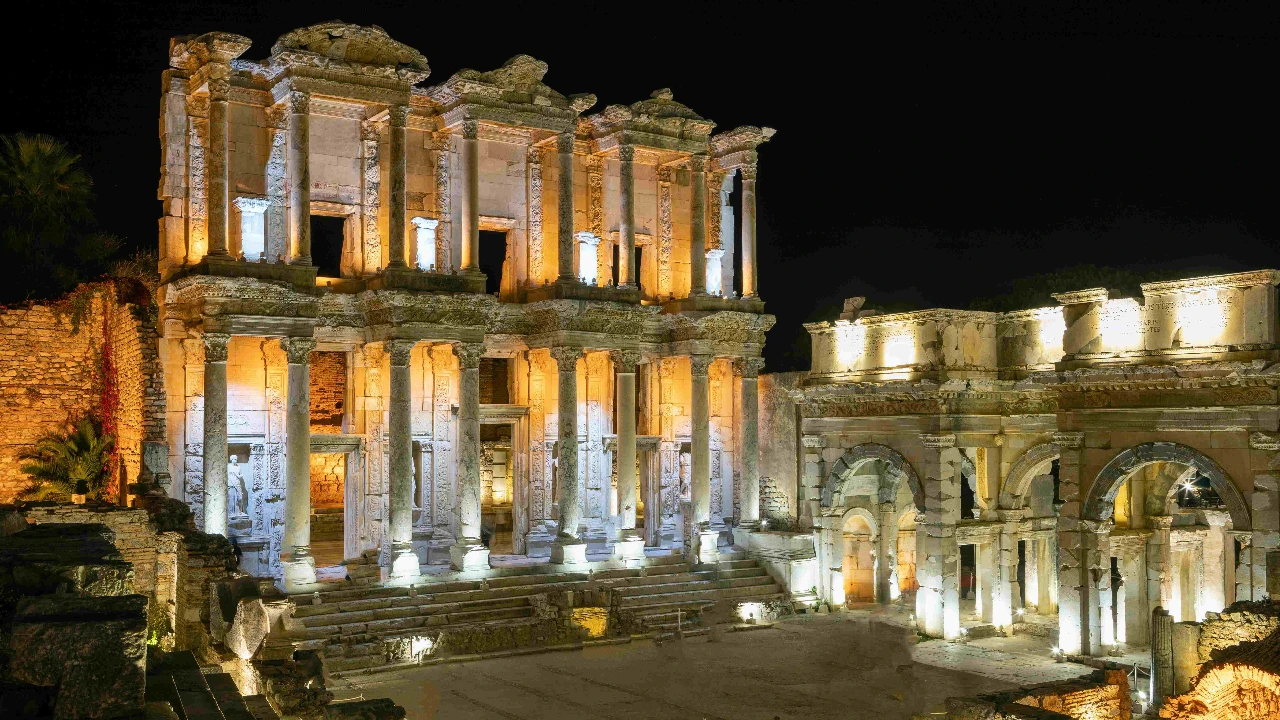
A must-see within the site is the Terrace Houses (Yamaç Evler). These luxury residences, once home to Ephesus's elite, feature stunning mosaics, vibrant frescoes, and advanced underfloor heating systems, offering a rare glimpse into the sophisticated lifestyle of the Roman era.
The surrounding area is also rich in spiritual history, with sites like the House of the Virgin Mary, the İsa Bey Mosque, and the St. John Basilica nearby. Many travelers combine Ephesus with day trips from Kuşadası or İzmir. Pro tip: Wear comfortable walking shoes, as the ancient stone streets can be uneven.
The Spirit of Pamukkale: A White Paradise and Healing Waters
Pamukkale is one of the world's most unique natural wonders, looking like a snow-white fairytale landscape rising above the Denizli plain. These terraces were formed over millennia by the precipitation of calcium carbonate from thermal springs. Walking barefoot through the warm, mineral-rich waters is an experience unlike any other.
Perched atop these terraces is the ancient city of Hierapolis. Founded in the 2nd century BC by the Attalid kings, it became a renowned center for thermal healing. The remarkably preserved Hierapolis Theatre offers a stunning view of the valley, with its ornate stage building providing perfect angles for photography.
The most magical spot in Hierapolis is Cleopatra's Antique Pool. After an earthquake in the 7th century AD, ancient columns sank into the waters. Today, you can swim in these 36°C (97°F) crystal-clear thermal waters, surrounded by submerged history. The mineral composition of the water is famed for its skin-rejuvenating properties.
Don't miss the massive Necropolis at the entrance of the city, one of the largest ancient cemeteries in Anatolia. Watching the sunset cast a golden glow over the white travertines is a highlight of any Turkish adventure.
Planning Your Route and Budget: Time and Cost Management
When planning your visit, consider your logistics. Ephesus is typically visited as a day trip from İzmir or Kuşadası, whereas Pamukkale is often planned around Denizli or as a standalone destination. While the Museum Pass (Müzekart) is widely accepted, some premium areas require separate tickets.
The following table outlines the typical logistical requirements for both sites.
| Logistics & Budget Parameter | Ephesus Ancient City | Pamukkale Hierapolis |
|---|---|---|
| Estimated Visit Duration | 2.5 - 3 hours (approx. 3 km walk) | 3 - 4 hours (including travertines + pool) |
| Extra Entrance Fees | Terrace Houses require an additional ticket | Swimming in Cleopatra's Pool is extra |
| Accommodation Styles | Boutique hotels in Şirince or resorts in Kuşadası | Guesthouses in Pamukkale or thermal hotels in Karahayıt |
| Best Time to Visit | 08:30 - 10:30 or after 16:00 to avoid heat | Sunset (16:30 - 19:00) is magical |
| Local Flavors | Selçuk meat skewers and Şirince fruit wines | Denizli tandoor kebab and Karahayıt thermal cuisine |
If you plan to swim in Cleopatra's Pool, remember to bring your swimwear and a towel. In Ephesus, the extra cost for the Terrace Houses is highly recommended for the unparalleled insight they provide.


Photography, Pacing, and Weather Tips
Both destinations are a photographer's dream, but they require different approaches. In Ephesus, focus on symmetry, shadows, and the intricate details of marble carvings. For the best shot of the Celsus Library, arrive early in the morning before the crowds arrive.
In Pamukkale, the focus shifts to reflections, the contrast between the white terraces and the blue sky, and the colors of sunset. Candid shots of walking barefoot through the water are perfect for social media. Because the white surfaces reflect sunlight intensely, polarized sunglasses are a must to prevent eye strain.
The 5-Step Decision Protocol: Which Route is Yours?
Still torn? Use this quick checklist to find your perfect match:
- Choose Ephesus if: Your priority is classical archaeology, grand architecture, and walking through the streets of a Roman metropolis.
- Choose Pamukkale if: You want a mix of natural wonders, stunning landscapes, and the chance to soak in healing thermal waters.
- Choose Ephesus if: You want to combine culture with a beach holiday (staying in Kuşadası or Çeşme makes Ephesus very accessible).
- Choose Pamukkale if: You are traveling with children; the interactive nature of the pools and terraces is often more engaging for kids than traditional museums.
- Choose Both if: You have the time! Start in İzmir, visit Ephesus and Şirince, then head to Denizli to experience Pamukkale the next day.
Frequently Asked Questions 5
Which is the largest ancient city in Turkey: Ephesus or Hierapolis?
In terms of historical population and architectural scale, Ephesus is considered one of the greatest Roman metropolises. Hierapolis is also vast, featuring an extensive necropolis and a large archaeological area integrated with the natural travertines.
Which civilization built Ephesus and when was it founded?
Ephesus was founded as an Ionian colony in the 10th century BC and reached its golden age during the Roman Empire as a Greco-Roman city.
Who lived in Hierapolis and why is it significant?
Hierapolis was inhabited by Phrygians, Romans, and Byzantines from the Hellenistic period onwards. It gained fame as a major ancient health and healing center due to its thermal springs.
How many kilometers are between Ephesus and Pamukkale and how do I get there?
The driving distance is approximately 190 km. By private car or intercity bus via the Aydın-Denizli route, the journey takes about 2.5 hours.
Is the Museum Pass valid in Ephesus and Pamukkale?
Yes, both sites are under the Ministry of Culture and Tourism. The Museum Pass is valid for Turkish citizens, but international visitors should check current entry requirements for specific areas like the Terrace Houses or the Antique Pool, which often require separate fees.