While staying in Bodrum, the vacation capital of the Aegean coast, you have the perfect opportunity to explore one of the world's most magnificent open-air museums: the Ancient City of Ephesus. A day trip from the Muğla borders through the plains of Aydın to Selçuk, İzmir, offers a journey steeped in historical grandeur.
Planning a comprehensive bodrum çıkışlı efes antik kenti gezi rotası allows you to walk through the metropolitan boulevards of antiquity, marvel at the Celsus Library, and visit the House of the Virgin Mary, a sacred site for the Christian world. You can explore our curated culture tour options via Bodrum historical city tours or browse our Bodrum daily tours page for other nearby excursions.
Ephesus Tour from Bodrum: Quick Facts
| Feature | Visitor Summary |
|---|---|
| Travel Distance | Approx. 175 km between Bodrum and Selçuk (2.5 hours one way) |
| Key Highlights | Lake Bafa, Ancient City of Ephesus, Celsus Library, House of the Virgin Mary |
| Departure Time | Hotel pickups in Bodrum between 06:30 AM - 07:00 AM |
| Terrain & Path | Ancient marble streets, tiered amphitheaters, and walking trails |
| Guide Services | Accompanied by professional Ministry-licensed archaeologist guides |
| Best For | History buffs, culture seekers, and photography enthusiasts |
Nature and Breakfast by the Shores of Lake Bafa
As the tour buses depart from Bodrum and pass the Milas border, they make a refreshing stop at Lake Bafa, nestled under the imposing shadow of the Beşparmak (Latmos) Mountains. A traditional Aegean breakfast at the authentic lakeside facilities provides the perfect energy boost for the journey ahead.
The small islands dotting the lake and the ruins of ancient Herakleia create a serene landscape in the morning mist. Guests start their day invigorated, sipping freshly brewed tea under the shade of ancient olive trees.
Archaeological Splendor in the Heart of Ionia: Ephesus
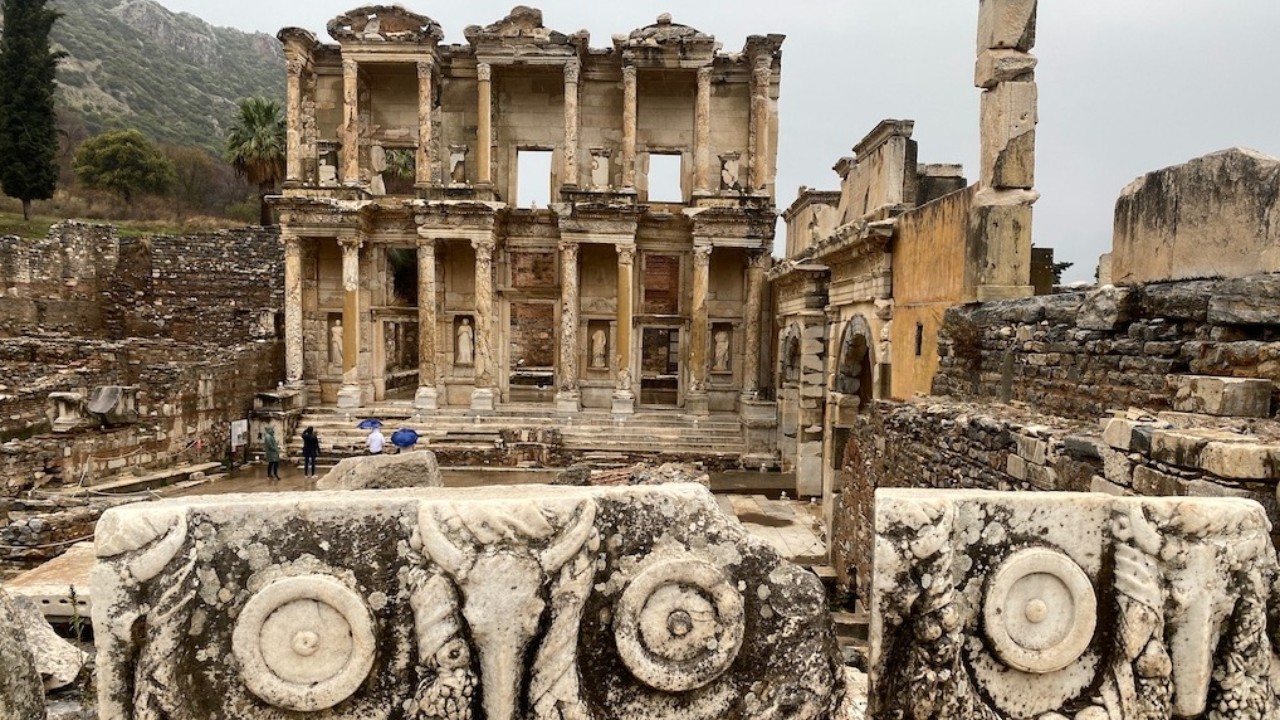
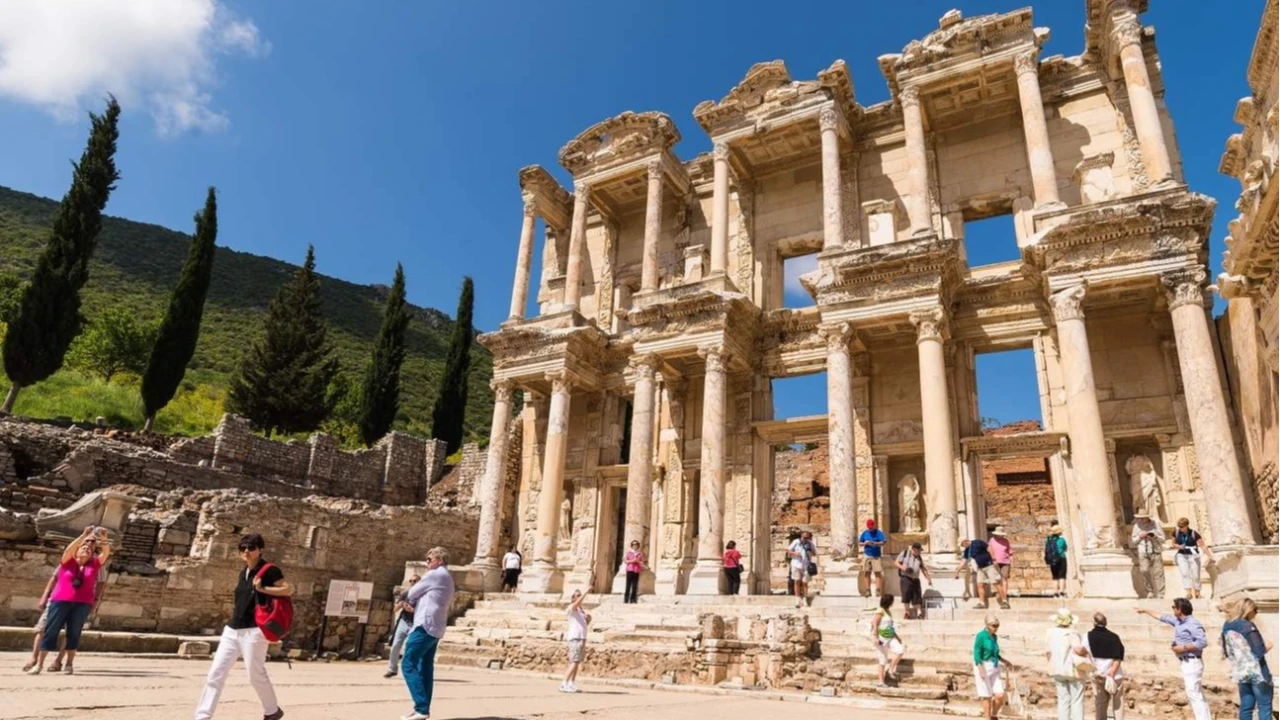
A UNESCO World Heritage site, Ephesus once served as the capital of the Roman Empire's Asian province. As you stroll down the marble-paved Curetes Street, the monumental two-story Celsus Library greets visitors with its timeless elegance.
The advanced sewage systems, ornate fountains, and intricate sculptures of this ancient metropolis showcase the engineering genius of the era. With the detailed narratives of professional guides, these marble stones transform into living pages of history.
Key Landmarks of the Ephesus Archaeological Site
Here are the historical and architectural highlights you will encounter within the Ephesus ruins:
| Monument / Structure | Period of Construction | Key Feature | Avg. Visit Time |
|---|---|---|---|
| Celsus Library | 2nd Century AD (Roman) | Monumental facade and capacity for 12,000 scrolls | 25 Minutes |
| Great Theatre | Hellenistic & Roman | 25,000-seat capacity on the slope of Mt. Panayır | 30 Minutes |
| Curetes Street | Roman Imperial | Marble ceremonial way with statues and fountains | 20 Minutes |
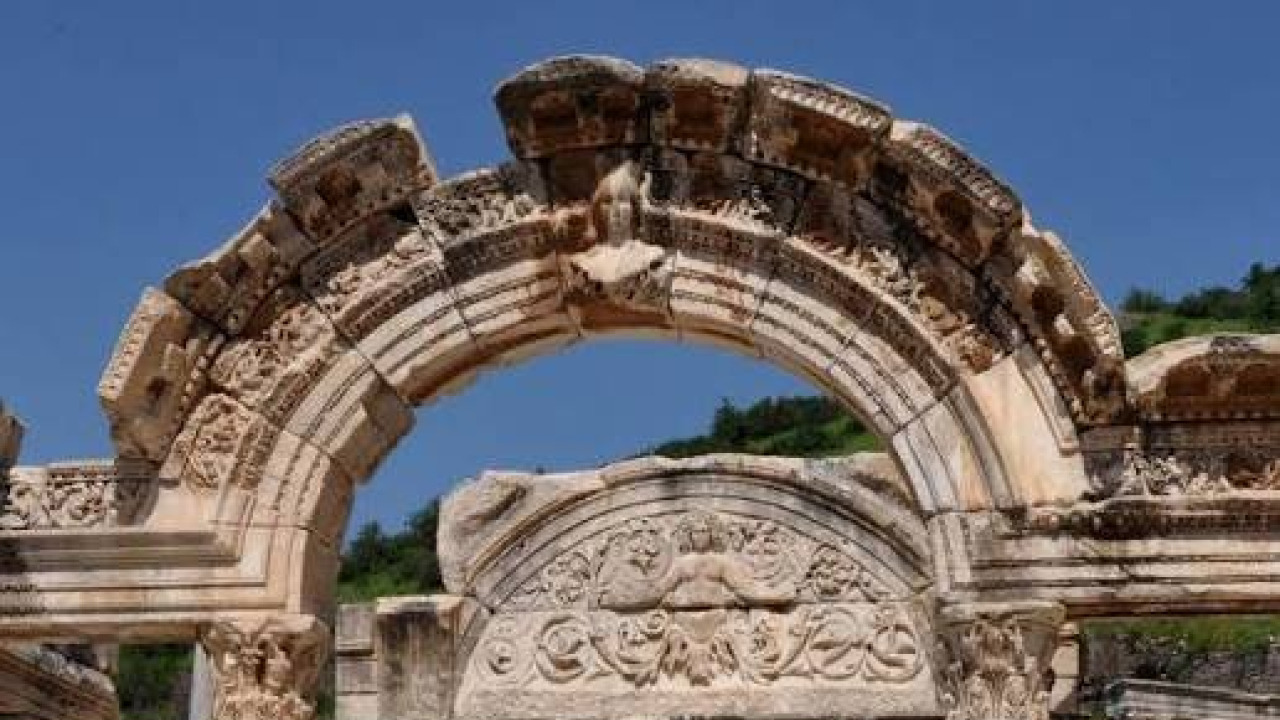
| Temple of Hadrian | 2nd Century AD | Medusa relief and Corinthian column decorations | 15 Minutes |
| Terrace Houses | Roman Period | Mosaic floors, frescoed walls, and underfloor heating | 40 Minutes |
The Great Theatre and its Incredible Acoustics
Carved into the slope of Mt. Panayır, the massive Theatre of Ephesus once hosted gladiator battles and grand assemblies. The acoustics are truly breathtaking; a whisper spoken on the orchestra floor can be heard clearly even from the highest tiers.
Climbing the steps reveals a sweeping perspective of the Harbor Street, which once led directly to the ancient port. While the theatre is now inland, it was once seaside before the Meander River deposited silt over centuries, pushing the shoreline away.
The House of the Virgin Mary and Sacred Springs
After exploring the ruins, the tour ascends Mt. Bülbül to reach the House of the Virgin Mary, situated in a peaceful, lush green valley. Recognized by the Vatican as a pilgrimage site, visitors can visit the wish wall and the sacred water springs located beneath the stone structure.
Centuries-old plane trees surrounding the chapel provide cool shade during the hot summer months. Thousands of pilgrims from both the Christian and Islamic worlds come here to pray and light candles.
1-Day Ephesus Itinerary from Bodrum
Here is the step-by-step schedule for a day trip to Ephesus and the House of the Virgin Mary:
- Hotel Pickup and Departure (06:30): Guests are collected from Bodrum Peninsula hotels in the cool morning air.
- Aegean Breakfast at Lake Bafa (08:15): A 45-minute breakfast break by the lake with views of the Latmos cliffs.
- Visit to the House of the Virgin Mary (10:30): Ascent to Mt. Bülbül to visit the chapel, sacred springs, and wish wall.
- Ephesus Archaeological Walk (11:45): Entry via the upper gate to explore the State Agora, Curetes Street, and Celsus Library with a guide.
- Lunch and Relaxation Break (14:00): A meal featuring local Aegean flavors and the famous "çöp şiş" (small skewers) in central Selçuk.
- Return Journey to Bodrum (16:00): After a short rest on the bus, guests are returned to their Bodrum hotels around 18:30.
The Walking Route from the Upper Gate
Tours typically begin at the Magnesia Gate (the upper entrance). This route is designed to be a downhill walk, making the excursion significantly less tiring for visitors.
The path leads through the Odeon, the City Hall (Prytaneion), and the Temple of Domitian. Moving at a leisurely pace, visitors can pause at each monument to listen to the legends shared by their guide.
Local Gastronomy in Selçuk and Surroundings
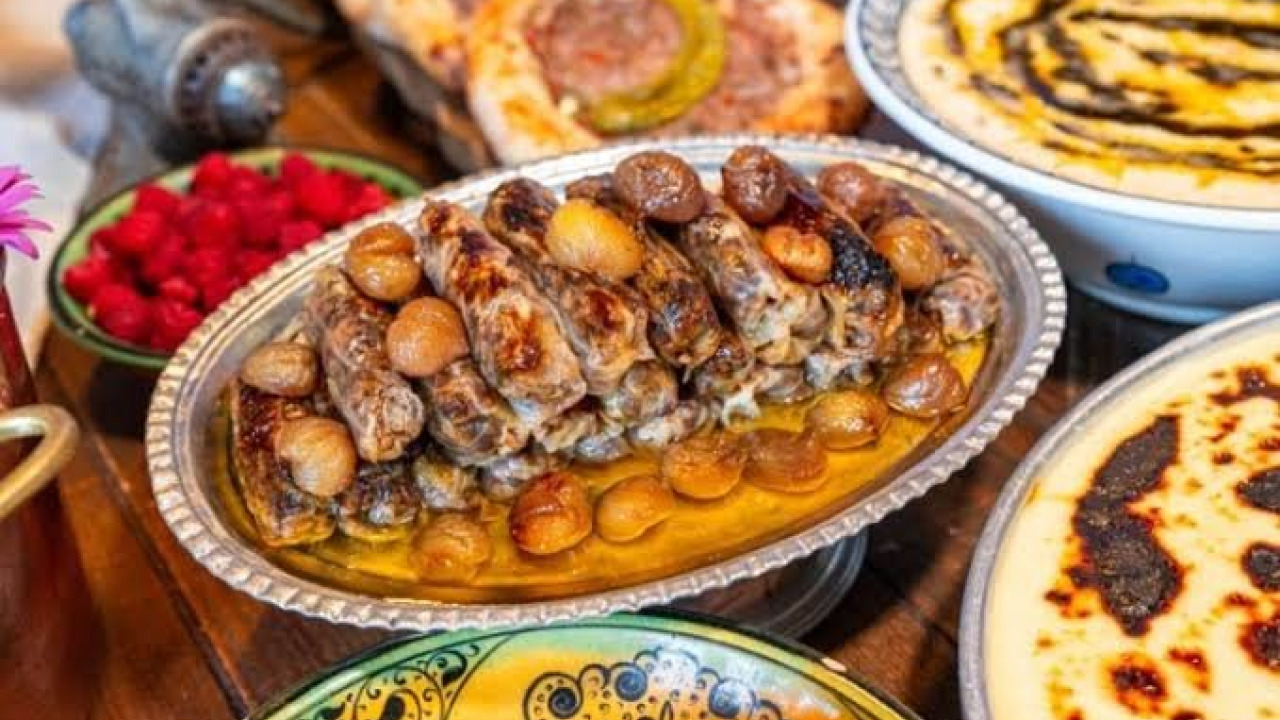
During the lunch break, guests can sample the traditional tastes of the Selçuk district. The famous wood-fired çöp şiş, traditional churned ayran, and Aegean herbs in olive oil make the fatigue of the long walk vanish.
After lunch, those who wish can take photos of the exterior of the historic Isa Bey Mosque and the Basilica of St. John. This stop highlights the multi-layered religious heritage of Selçuk.
Essential Tips for Visiting Ephesus
To maximize your comfort and the quality of your experience during a day trip to Ephesus, we recommend the following:
- Appropriate Footwear: The ancient marble streets of Ephesus have been polished by millions of feet over centuries; please wear non-slip, rubber-soled shoes.
- Sun Protection & Hats: Shaded areas are limited within the ruins; don't forget a wide-brimmed hat and sunglasses.
- Museum Pass: For Turkish citizens, the Müzekart provides great convenience and savings; for international visitors, consider the Museum Pass Turkey.
- Stay Hydrated: Especially in summer, the heat reflecting off the marble can be intense; carry plenty of water.
- Modest Clothing: As the House of the Virgin Mary is a religious sanctuary, please choose clothing that covers shoulders and knees.
Beating the Heat
Since marble blocks reflect sunlight like a mirror, high-SPF sunscreen is highly recommended. Linen scarves that cover the neck are also effective in preventing sunburn.
Carrying an umbrella or a hand fan provides great relief during open-air walks. Guides typically conduct their presentations under the shade of columns to help the group stay cool.
The Terrace Houses Experience
Located within the Ephesus site, the Terrace Houses contain the luxury residences of wealthy Romans. The floor mosaics and wall frescoes are preserved under a modern protective roof.
A separate entrance ticket may be required for this section, but it is immensely valuable for understanding daily life in the Roman era. You can observe archaeological excavations up close while walking on transparent glass bridges.
Climate Factors for Aegean Culture Tours
Because the Ancient City of Ephesus is situated in a basin-like valley, summer temperatures often feel a few degrees higher than on the coast. Therefore, arriving at the site in the early morning significantly increases the comfort of the tour.
The spring months (April, May) and autumn months (September, October) are the most favorable seasons for visiting Ephesus. Walking the marble streets in mild weather allows you to feel the historical atmosphere more deeply.
In winter, the mild Aegean rains give the ruins a quiet and serene appearance. For those seeking a peaceful journey through history away from the crowds, the winter season offers a unique tranquility.
Depending on the weather, it is useful to have a light windbreaker in the morning. Dressing in layers allows you to adapt easily as the temperature rises toward noon.
The Value of an Archaeologist Guide
Every column and inscription in Ephesus carries a story thousands of years old. The narratives provided by licensed professional guides transform marble ruins into a vivid Roman city in your mind, multiplying the pleasure of the visit.
Presenting historical events through cause-and-effect relationships also makes this an educational experience for families with children. The trip evolves from a mere visual tour into a profound journey through time.
Souvenirs and Local Products
The area around Selçuk and Ephesus is famous for hand-woven carpets, ceramic workshops, and local olive oil soaps. Authentic local mementos can be purchased during the short breaks included in the tour program.
The famous fruit juices and pomegranate molasses from nearby Şirince are also highly popular among visitors. Shopping from local artisans helps support the regional economy.
Preserving the Legacy of the Ancient World
The Ancient City of Ephesus is a global cultural heritage site that welcomes millions of tourists annually. The preservation of these priceless monuments for future generations depends on the sensitivity of its visitors.
Crucial rules include not stepping on fragile marble structures, avoiding writing on columns, and respecting protection barriers. Every conscious traveler contributes to the history of civilization by protecting the legacy of the past.
The Importance of the Ephesus Archaeology Museum
Priceless statues and gold jewelry excavated from the site are displayed at the Ephesus Archaeology Museum in central Selçuk. The world-famous multi-breasted Statue of Artemis is among the museum's most precious masterpieces.
Travelers with extra time are encouraged to crown their visit to the ruins with a tour of the museum. This provides a complete understanding of both the architectural structures and the everyday objects of the ancient city.
Comfortable Transport and Service
The 2.5-hour distance between Bodrum and Selçuk is covered in modern tour vehicles with ample legroom. On-board air conditioning and refreshment services ensure the journey is completed without fatigue.
Along the route, you can enjoy views of the Aegean's cotton fields, tangerine orchards, and mountain landscapes from your window. Professional captains adhere to the highest safety standards while navigating the winding mountain roads.
Frequently Asked Questions 5
How long does it take to get from Bodrum to Ephesus?
The distance between Bodrum and Selçuk/Ephesus is approximately 175 kilometers; a comfortable bus journey, including a break, takes an average of 2.5 hours.
Are lunch and entrance tickets included in the tour?
In our package programs, air-conditioned transport, professional guiding, and lunch are included; entrance tickets to the archaeological site are typically offered as an optional extra.
Is this route suitable for families with children?
Yes, while using strollers on ancient marble roads can be challenging in some areas, it is a highly educational trip for school-aged children to touch history.
Is photography allowed at the House of the Virgin Mary?
Photography is permitted in the garden and around the wish wall of the chapel; however, photography is prohibited inside the chapel to respect those praying.
What time does the tour end and when do we return to the hotel?
The tour, which begins around 06:30 AM, concludes with returns to Bodrum hotels between 18:30 and 19:00 after the visits to Ephesus and the House of the Virgin Mary.