
For travelers relaxing in the turquoise bays and lush pine forests of Marmaris, a journey back in time is just a day trip away. To truly experience the deep-rooted history of the Aegean, many visitors opt for guided excursions to the region's most magnificent archaeological sites. At the pinnacle of these tours are the legendary ruins of Ephesus and the serene House of Virgin Mary, nestled at the foot of Bülbül Mountain.
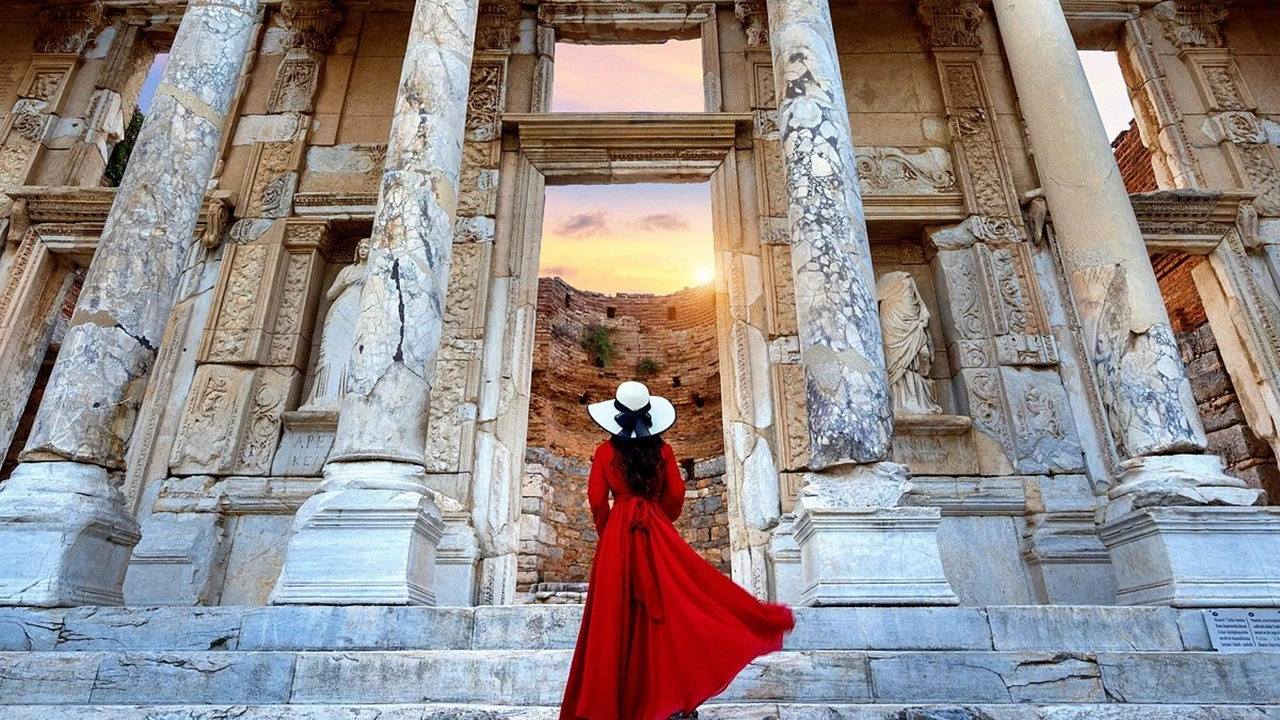
Once a thriving commercial powerhouse of Ionia, the Ancient City of Ephesus continues to captivate visitors with its marble-paved streets, monumental fountains, and the breathtaking Celsus Library, a true testament to Roman grandeur. Accompanied by professional guides, this journey offers a profound deep dive into the philosophy, commerce, and spiritual history of the ancient world.
In this comprehensive marmaris cikisli efes rehberli gezi rehberi, we cover everything from transportation logistics and site itineraries to the spiritual atmosphere of the House of Virgin Mary and practical tips for your trip.
Quick Facts: Ephesus Day Trip from Marmaris
Before booking your tour, it is helpful to understand the departure times, travel distances, and museum entry requirements to plan your day perfectly. The following summary table provides the essential details for your Ephesus excursion from Marmaris.
| Feature | Practical Visitor Summary |
|---|---|
| Location & Region | Selçuk, İzmir (Ephesus Archaeological Site) via Marmaris transfer route |
| Top Highlights | Celsus Library, Great Theatre, Temple of Hadrian, House of Virgin Mary |
| Best Time to Visit | April – June and September – November (Mild spring/autumn weather is ideal for walking) |
| Recommended Duration | Full Day (Approximately 13 hours, typically 06:30 – 19:30) |
| Transport & Terrain | Air-conditioned tour bus; ancient marble floors, stone-paved streets, and steps |
| Ideal For | History buffs, archaeology enthusiasts, cultural travelers, photographers, and families |
Departing from Marmaris hotels in the early morning, travelers traverse the scenic mountain roads of Muğla and Aydın to reach the Selçuk Plain. During the comfortable drive, guides often provide context regarding the geographical and historical evolution of the region.
Travelers looking to compare different cultural excursions based in Marmaris can browse our full list of Marmaris guided tours.
The Scenic Route and Breakfast Break
Tour buses heading north from Marmaris travel through the stunning Gulf of Gökova. Along the way, a stop is usually made at a local rest area to enjoy a fresh Aegean breakfast, fueling you for the day ahead.
After approximately three hours of comfortable travel, you will enter the Selçuk district and head toward your first major destination.
Expert Insights from Professional Guides
Licensed professional guides, approved by the Ministry of Culture and Tourism, bring the history of Ephesus to life. They guide you step-by-step through the city's excavation history and the nuances of urban life during the Roman Empire.
With expert narration, the ancient inscriptions carved into marble and the weathered statues transform from mere ruins into meaningful stories of a bygone era.
The Selçuk Plain and Local Geography
The region is a highly fertile agricultural basin shaped by the alluvial deposits of the Küçük Menderes River.
During the journey, you will learn about the fascinating geological reasons why Ephesus, once a bustling port city, is now located well inland from the modern coastline.
Major Monuments to See in the Ancient City of Ephesus
The tour of the Ephesus Archaeological Site typically follows a seamless route, starting from the upper Magnesia Gate and descending toward the lower gate. This route is designed for comfort, allowing visitors to enjoy a gentle downhill walk.
The layout of public buildings, temples, and agoras showcases the pinnacle of Roman engineering and urban planning.
You can still see the ancient wheel ruts carved into the marble blocks and the remains of old shops, offering a glimpse into the city's once-vibrant commercial life.
Ephesus Monuments: Architectural Comparison
Explore the architectural and historical significance of the most important structures within the site in the table below.
| Structure / Monument | Era | Function & Key Features |
|---|---|---|
| Celsus Library | 2nd Century AD | A monumental two-story marble facade and the funerary monument of Tiberius Julius Celsus |
| Great Theatre | 3rd c. BC - 1st c. AD | Capacity for 25,000 spectators, incredible acoustics, and a venue for gladiator combat |
| Temple of Hadrian | 2nd Century AD | Elegant Corinthian columns and an arch adorned with Medusa reliefs |
| Curetes Street | Roman Era | The main artery of the city, lined with colonnaded porticos, mosaics, and monumental fountains |
After exploring the ancient streets, many visitors take the opportunity to visit local handicraft workshops and carpet weaving centers in the heart of Selçuk.
To secure your spot on this extensive cultural route, please check our Marmaris guided tours page to confirm available departure dates.
The Grand Facade of the Celsus Library
The iconic symbol of Ephesus, the Celsus Library, once housed one of the richest collections of papyrus scrolls in the ancient world. Its two-story colonnaded architecture has been meticulously restored to its original glory following various earthquakes.
The statues on the facade, representing Wisdom, Knowledge, Intelligence, and Virtue, represent the core philosophical values of ancient Rome.
The Acoustics of the 25,000-Seat Great Theatre
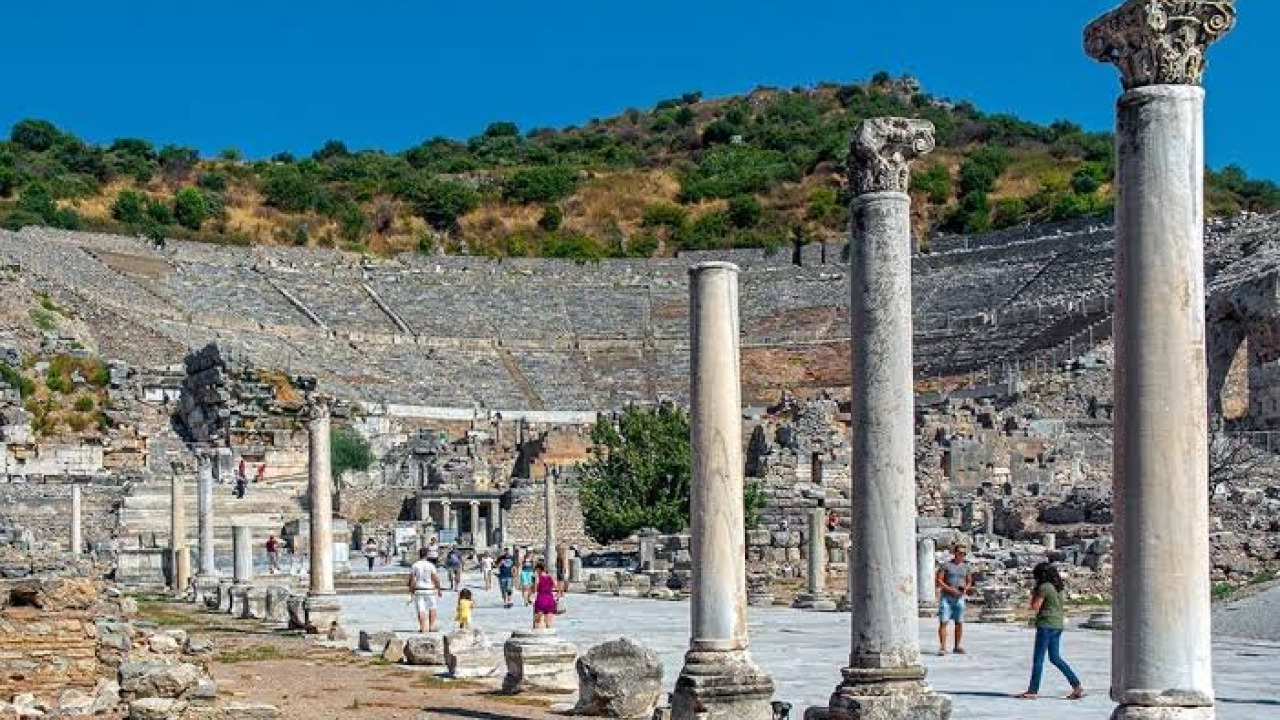
Leaning against the slope of Mount Panayır, the Great Theatre is one of the largest open-air performance venues of the ancient world. It is also famously known as the site where Saint Paul addressed the Ephesians.
Visitors climbing to the highest tiers of the theatre are rewarded with a panoramic view stretching across the city toward the ancient harbor road.
Curetes Street and the Terrace Houses
Along the marble-paved Curetes Street, you will encounter fascinating elements of Roman social life, such as the Trajan Fountain, the Scholastica Baths, and the ancient public latrines.
Rising alongside the street are the famous Terrace Houses (Yamaç Evler), which contain the luxurious residences of Ephesus's elite, adorned with exquisite mosaics and frescoes.
Visiting the House of the Virgin Mary at Bülbül Mountain
Following the exploration of Ephesus, the tour vehicles climb the cool, pine-covered slopes of Bülbül Mountain to reach the House of the Virgin Mary. Considered a sacred site in both Christian and Islamic traditions, this location is a peaceful center for pilgrimage.
It is believed that after the crucifixion of Jesus, Mary came to Ephesus with the Apostle John and spent her final years in this mountain house. The site was rediscovered in the 19th century following the visions of the German nun Anne Catherine Emmerich.
Declared a holy pilgrimage site by the Papacy, the chapel hosts the prayers of visitors from all corners of the globe.
The Spiritual Atmosphere of the Stone Chapel
Nestled within a lush green garden, the small stone house offers a serene environment for prayer, characterized by its simple interior and the calming scent of incense.
Visitors are expected to maintain respect and silence inside, often lighting candles as they offer their prayers.
The Wishing Wall and Healing Springs
It is believed that the spring water flowing from the fountains at the exit of the chapel possesses healing properties. Many visitors collect this water in small bottles.
Right next to it stands the massive "Wishing Wall," covered in scraps of paper and cloth left by thousands of people from every language and nation.
Nature Reserve and Tranquility
Located within the boundaries of the Bülbül Mountain National Park, the area is surrounded by ancient plane trees and rich vegetation.
Visitors can enjoy a moment of calm in the fresh mountain air, providing a perfect contrast to the bustling atmosphere of Marmaris.
Traditional Crafts and Gastronomy in Selçuk and Surrounds
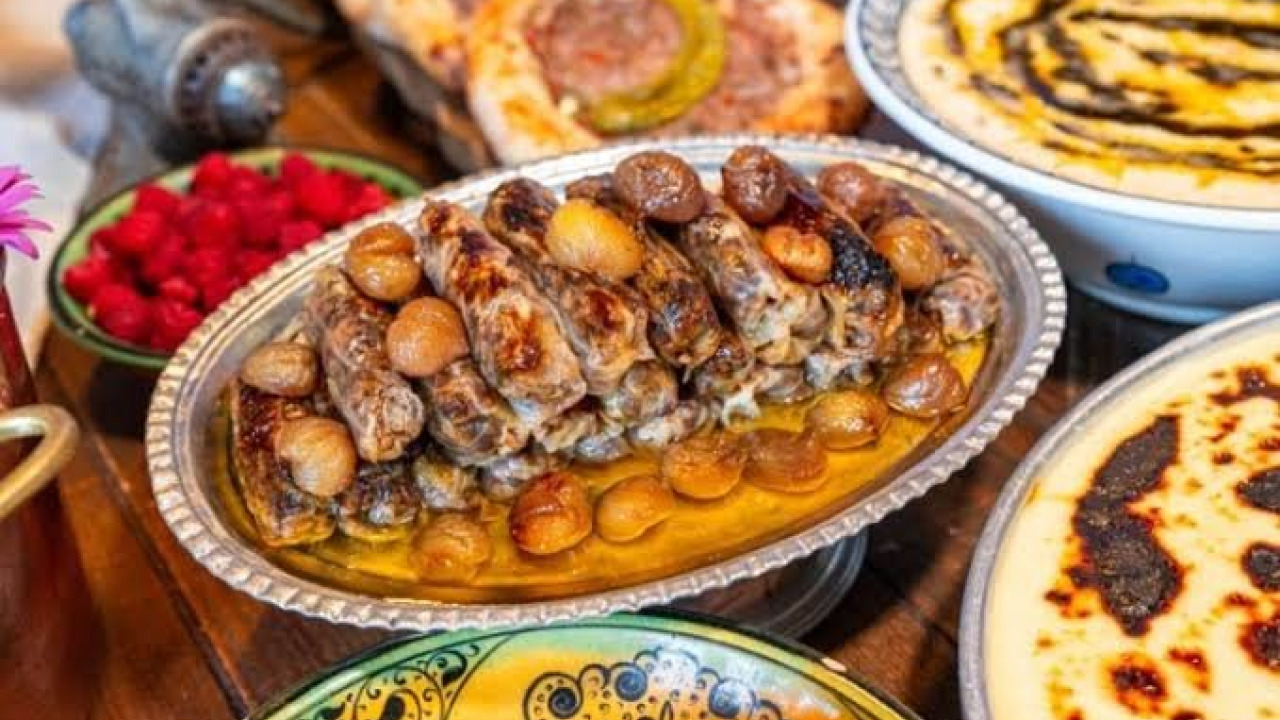
After the tours of Ephesus and the House of the Virgin Mary, a lunch break is typically taken at a local restaurant in Selçuk. Fresh Aegean olive oil dishes, grilled specialties, and local pide are perfect for recharging.
Following lunch, many tours include visits to pottery, ceramics, and carpet workshops that keep the region's deep-rooted artisanal traditions alive.
You can observe master craftsmen demonstrating traditional weaving and dyeing techniques right at their looms.
- Traditional Carpet Weaving: Learn about the use of natural root dyes for silk and wool threads and the meanings behind the intricate motifs.
- Carian and Seljuk Ceramics: Witness the firing processes of plates and vases adorned with ancient patterns.
- Olive Oil and Local Flavors: Discover cold-pressed olive oils made from local groves and learn about regional medicinal herbs.
- Şirince Fruit Delicacies: Sample natural fruit juices and jams produced in the historic nearby village of Şirince.
- Leather Craftsmanship: Explore high-quality leather design products in local workshop showrooms.
Information on Local Workshop Visits
Guides provide step-by-step insights into the patient, meticulous production processes used by these artisans. Guests are often encouraged to chat directly with the masters.
These stops help support the local economy and ensure the preservation of historical art forms.
The Silhouette of Selçuk Castle and İsa Bey Mosque
From the restaurant and workshop areas, you can catch glimpses of the walls of Selçuk Castle and the masterpiece of the Anatolian Beylik period, the İsa Bey Mosque.
This view, where historical layers rise together, serves as a beautiful reminder of the Aegean's rich and layered heritage.
Photography Tips: Best Angles and Viewpoints in Ephesus
The massive columns and marble pavements of the Ephesus Archaeological Site offer stunning compositional opportunities for photography enthusiasts at any time of day.
Depending on the angle of the sun, the details of the monuments become more pronounced, and the ancient stones take on a warm, honey-colored glow.
Guides will often point out the most impressive vantage points during the walk to ensure you capture the perfect shot.
Perspective Shots in Front of the Celsus Library
When photographed from the lower square looking upward, the symmetrical facade of the library captures the grandeur of its columns and statues in a single, majestic frame.
Visitors sitting on the marble steps can capture beautiful souvenir photos that reflect the philosophical atmosphere of the ancient era.
Light and Shadow on the Agora and Colonnaded Streets
As the afternoon sun moves toward the west, the shadows of the columns on Curetes Street stretch across the marble pavement.
These play of light and shadow add aesthetic depth to your travel albums, emphasizing the scale and history of the ancient streets.
Practical Tips for Your Ephesus Walking Tour
Since Ephesus is a vast open-air museum requiring hours of walking, having the right gear is essential for your comfort.
- Comfortable, Non-Slip Walking Shoes: The ancient marble floors are extremely slippery due to thousands of years of wear; sturdy sneakers or walking shoes are a must.
- Sun Hat and Umbrella: Shaded areas within the archaeological site are limited; wearing a hat and sunglasses is highly recommended.
- Stay Hydrated: Especially during the summer months, carry at least 1 liter of water to prevent dehydration.
- Museum Pass or Ticket Prep: While the Museum Pass is valid for Turkish citizens, international visitors can easily arrange their tickets through their tour guide.
- Appropriate Clothing: As the House of the Virgin Mary is a place of worship, it is advised to wear clothing that covers your shoulders and knees.
- Portable Power Bank: You will likely take many photos and videos; a backup battery will ensure your phone doesn't die mid-tour.
Frequently Asked Questions 4
How many kilometers is it from Marmaris to Ephesus?
The distance between Marmaris and Ephesus is approximately 210 kilometers. Traveling by air-conditioned tour bus takes about 3 hours, including scheduled breaks.
Can I use a stroller in Ephesus?
While the main streets of the site are paved, there are ancient steps and uneven surfaces in several areas. Lightweight strollers may be used, but caution is advised on the stone terrain.
Is there a dress code for the House of the Virgin Mary?
Since the House of the Virgin Mary is considered a sacred place of worship, visitors are kindly requested to wear modest clothing that covers the shoulders and knees.
Is lunch included in the Ephesus tour price?
Most day tour programs include a buffet or set-menu lunch; however, beverages are usually ordered and paid for separately.