As one of the first great capitals of the Ottoman Empire, Bursa is a captivating destination for anyone seeking a meaningful escape from the hustle and bustle of Istanbul. With its rich architectural heritage, soothing thermal springs, and lush landscapes, it offers a perfect blend of history and nature. Thanks to modern transport, reaching Bursa from Istanbul is a smooth, comfortable journey, either by crossing the Marmara Sea via ferry or driving across the impressive Osmangazi Köprüsü.
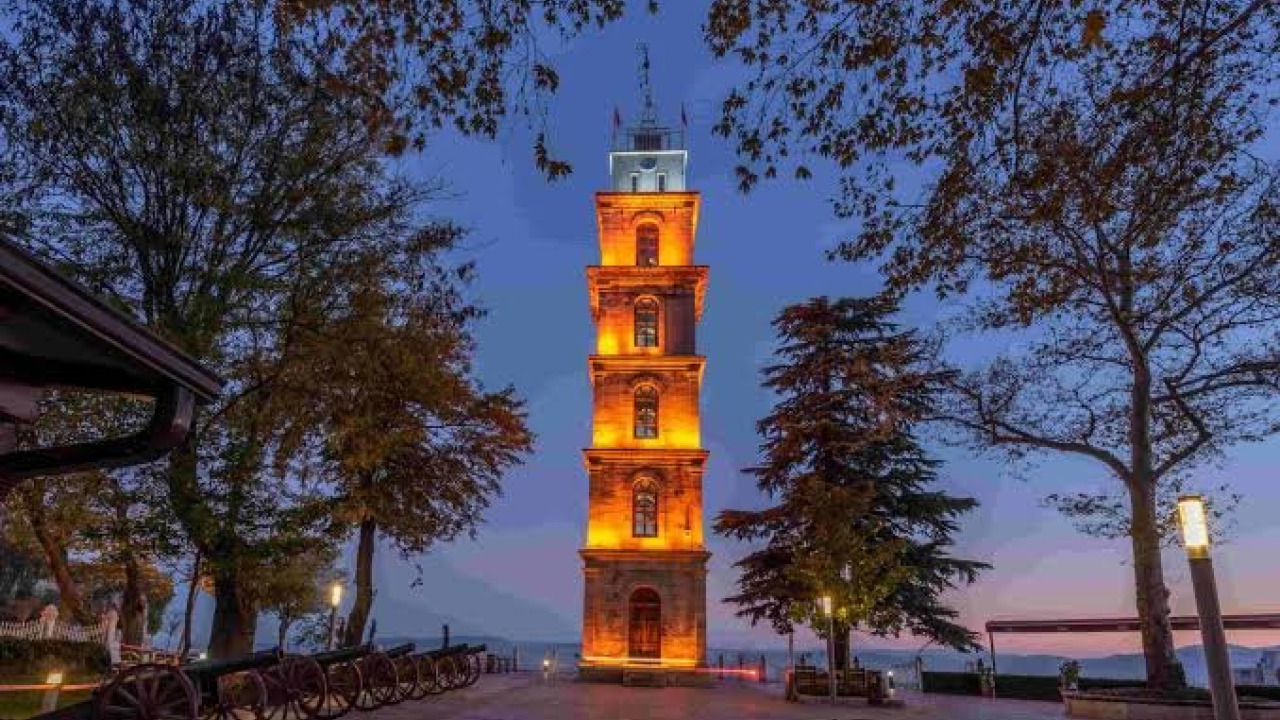
In the heart of the city, you will encounter monumental mosques, historic caravanserais (hans), and grand complexes that serve as living masterpieces of early Ottoman art. Whether you are relaxing under the shade of centuries-old plane trees or exploring the legendary silk markets, Bursa promises an immersive cultural experience.
In this comprehensive travel guide, we break down everything you need to know about a day trip from Istanbul to Bursa, including must-see historical landmarks, the excitement of the cable car, and practical tips to make your journey seamless.
Quick Facts: Your Bursa Day Trip at a Glance
To make the most of your time, it is helpful to understand the logistics and key highlights before you depart. The following table provides a snapshot of what to expect on your Bursa culture route.
| Feature | Quick Traveler Summary |
|---|---|
| Location & Region | Bursa (Osmangazi, Yıldırım districts, and Uludağ foothills) |
| Top Highlights | Ulu Cami, Koza Han, Green Tomb, Inkaya Plane Tree, Cable Car |
| Best Time to Visit | All year round (Spring for greenery, Autumn for tranquility) |
| Recommended Duration | Full Day (Typical schedule: 07:00 AM – 09:00 PM) |
| Transport & Terrain | Air-conditioned coach & ferry; historic cobblestone streets |
| Ideal For | History buffs, culture seekers, photographers, and families |
Our tours departing from various points in Istanbul are led by professional, licensed guides. As you enjoy the scenic views of the Marmara Sea during transit, your guide will bring the city to life with fascinating historical insights.
Day trips are thoughtfully structured to include balanced breaks for relaxation and lunch. If you are looking to explore more diverse options in the region, check out our guided day tours in Bursa page.
Seamless Travel via Ferry and Osmangazi Köprüsü
The distance between Istanbul and Bursa has been significantly shortened by high-speed ferry services and modern bridge connections. Starting your morning with a ferry ride across the sea, accompanied by a fresh Turkish tea and simit, is a delightful way to begin your adventure.
Traveling in comfortable, air-conditioned tour vehicles ensures you arrive at your destination feeling refreshed and ready to explore.
Expert Guided Tours: Deepen Your Understanding
Every monument in Bursa tells a story of centuries-old social welfare traditions and architectural evolution. Our expert guides explain the transition from Seljuk influences to the classic Ottoman style, ensuring you don't just see the buildings, but truly understand them.
With a guide by your side, you will notice the intricate calligraphy and delicate tilework that might otherwise go unnoticed by the casual observer.
The Heart of the Ottoman Capital: Ulu Cami and the Historic Grand Bazaar
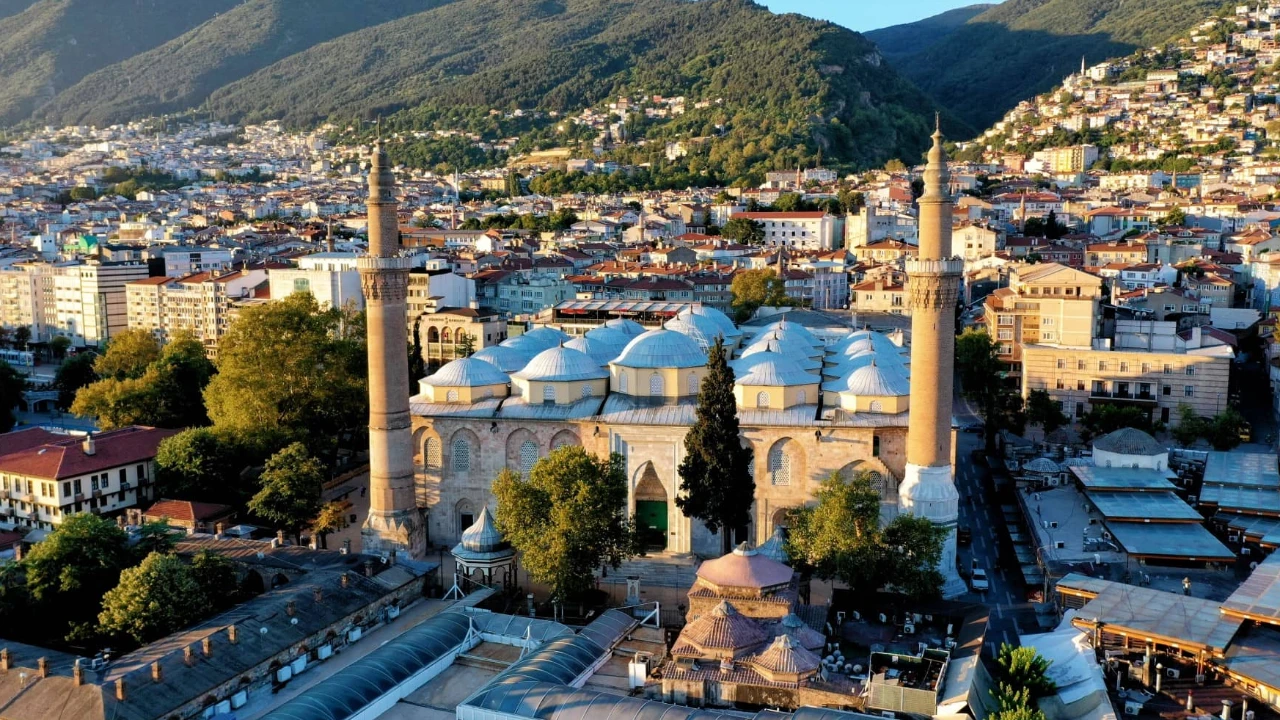
Built by Yıldırım Bayezid following the Battle of Nicopolis, the Bursa Ulu Cami (Grand Mosque) is one of the most significant masterpieces of Turkish-Islamic architecture. With its twenty majestic domes and a central open-air fountain (shadirvan), it serves as the spiritual soul of the city.
The massive calligraphic inscriptions adorning the interior walls turn the mosque into an open-air museum of Islamic art. The gentle sound of water flowing from the central fountain creates an atmosphere of profound peace and serenity.
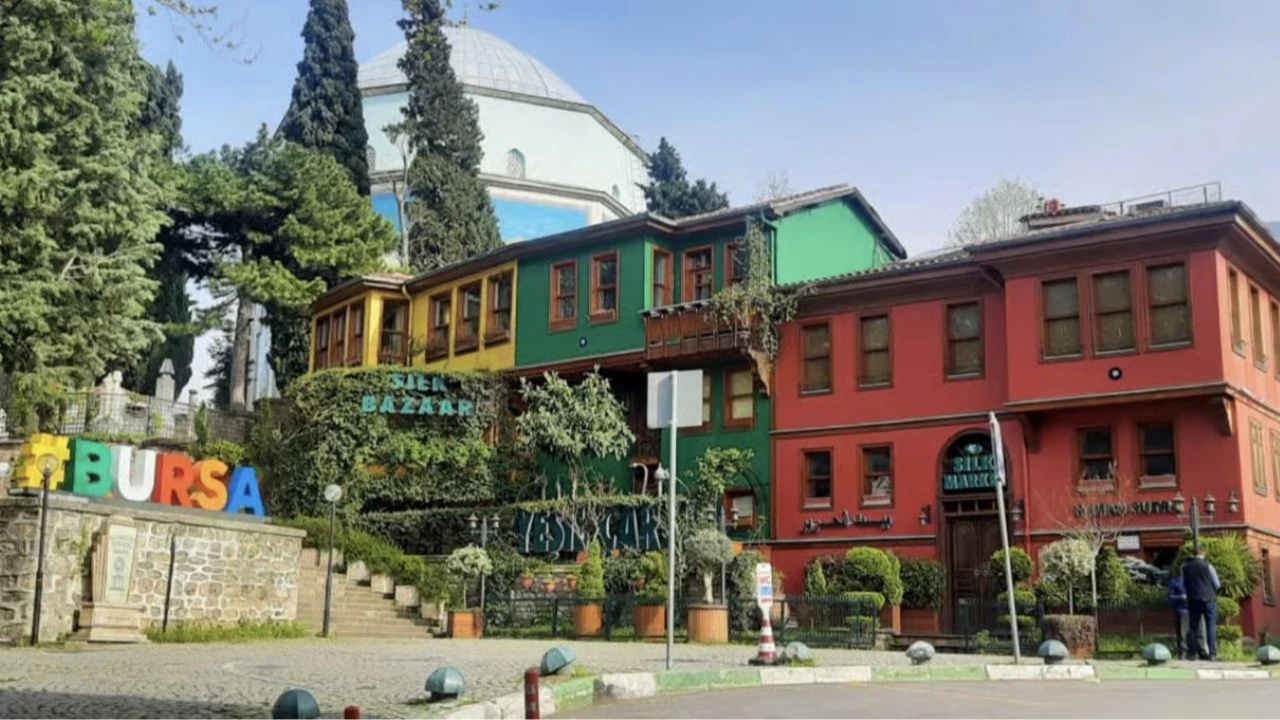
Just steps away from the mosque lies the Historic Bazaar and Koza Han, which has remained one of the most vibrant trading hubs on the Silk Road for centuries.
Architectural Wonders of Ulu Cami
The central fountain inside Ulu Cami is illuminated by natural sunlight streaming through the domes, a rare architectural feature that provides a sense of airy spaciousness found in few other mosques.
The 192 pieces of calligraphy on the walls are precious works of art, crafted by the most master calligraphers of the era.
Silk Shopping and Relaxation at Koza Han
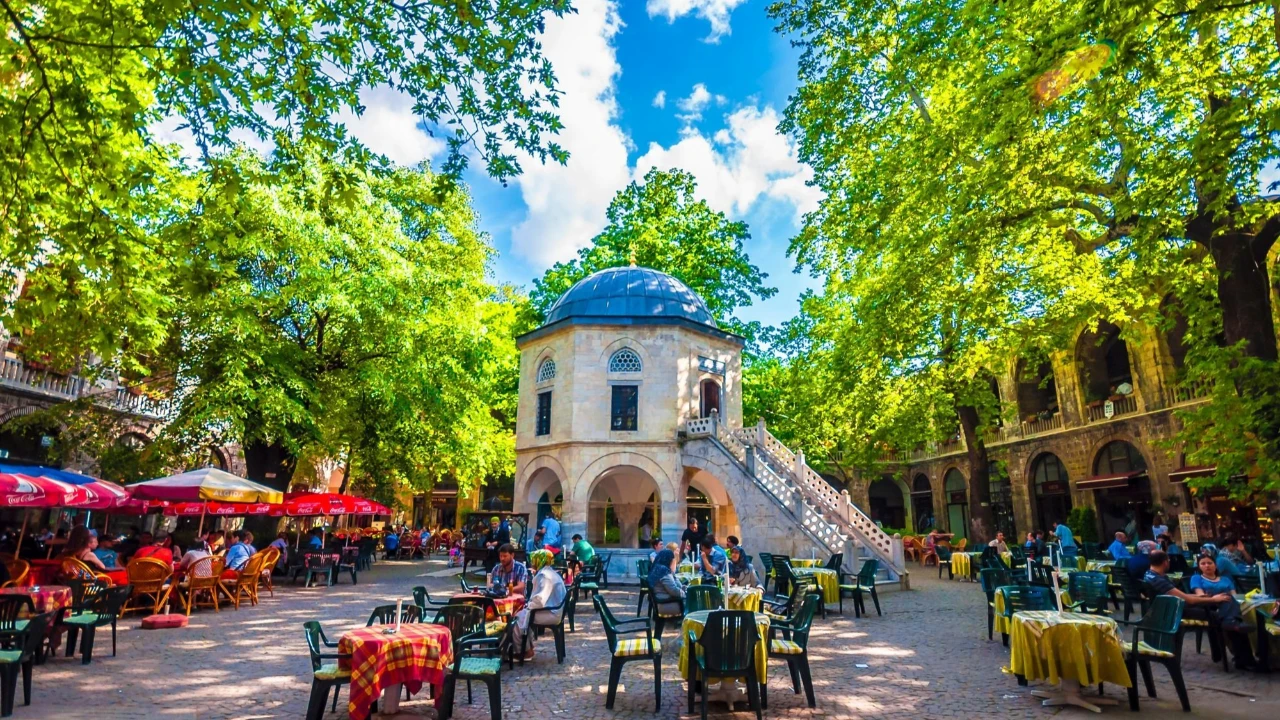
Constructed in the late 15th century by Sultan Bayezid II, Koza Han captivates visitors with its stunning two-story arched courtyard. The upper-floor shops are filled with exquisite silk shawls, scarves, and traditional textiles.
One of the most relaxing moments of any tour is sitting under the giant plane trees in the courtyard, sipping authentic Turkish coffee brewed over hot embers.
City Center vs. Uludağ: Comparing the Two Faces of Bursa
A typical day trip allows you to experience two distinct environments: the dense historical atmosphere of the city center and the refreshing mountain air of the Uludağ foothills.
| Comparison Criteria | City Center (Culture Focus) | Uludağ & Inkaya (Nature Focus) |
|---|---|---|
| Altitude & Location | 100 – 150 meters (Historical plains) | 600 – 1,800 meters (Mountain slopes) |
| Key Landmarks | Ulu Cami, Koza Han, Green Tomb | 600-year-old Inkaya Plane Tree, Viewpoints |
| Terrain | Cobblestone streets, courtyard floors | Gravel paths, wooden terraces |
| Activity Type | History, calligraphy, shopping | Nature walks, cable car, photography |
| Temperature | Mild urban climate | 5-8°C cooler than the city center |
| Time Allocation | Approx. 3.5 – 4 hours of focused touring | Approx. 2 – 2.5 hours of mountain relaxation |
Both stops offer a unique perspective on Bursa. For travelers wanting a fully managed experience including transport and professional guiding, please see our Bursa city center day culture tours for a detailed itinerary.
The Green Complex: The Pinnacle of Tile Art
The Green Tomb (Yeşil Türbe), commissioned by Çelebi Mehmed, is famous for its stunning turquoise tiles that define the city's skyline. The relief tiles covering the interior represent the absolute peak of early Ottoman decorative arts.
The adjacent Green Mosque (Yeşil Cami) is equally breathtaking, showcasing masterful marble craftsmanship and ornate ceiling decorations.
A Nature Break Under the Inkaya Plane Tree
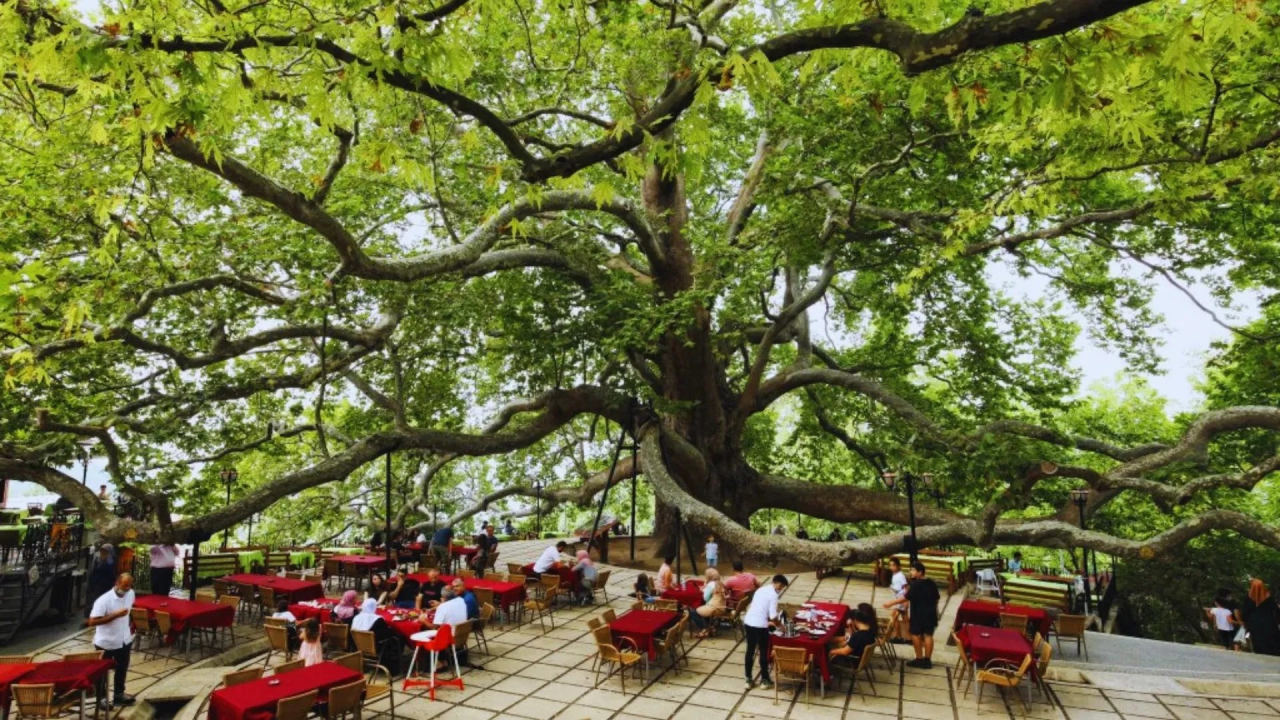
Located on the road to Uludağ, the Inkaya Plane Tree has stood as a silent witness to history for over six centuries. Its massive trunk is a natural monument in itself. Surrounding the tree are lush tea gardens where you can rest in the shade.
Sipping tea brewed with pure mountain water and enjoying fresh fruit platters is the perfect way to recharge your energy.
Step-by-Step Itinerary: Your Day in Bursa
To ensure you see as much as possible without feeling rushed, our Istanbul-based tours follow a precise and efficient schedule.
- Step 1 (Departure & Ferry): Guests are picked up from designated points in Istanbul around 07:00 AM. We cross to Yalova via ferry (Eskihisar-Topçular line) to begin the journey toward Bursa.
- Step 2 (Inkaya Plane Tree & Morning Tea): Upon arrival in Bursa, we head straight to the foothills of Uludağ to enjoy a relaxing tea break under the historic 600-year-old plane tree.
- Step 3 (Ulu Cami & Koza Han): We descend into the city center for a guided exploration of the Grand Mosque’s calligraphy and the silk markets of Koza Han.
- Step 4 (Lunch & The Green Complex): After tasting the legendary Bursa Kebab, we visit the Green Mosque and the Green Tomb to admire their world-class tilework.
- Step 5 (Shopping & Return): After a final stop for souvenirs, such as Turkish delight or chestnut candies, we head back to Istanbul via the Osmangazi Köprüsü in the evening.
This structured approach allows you to visit numerous major landmarks comfortably and efficiently.
Morning Ferry Vibes
The early morning sea crossing offers a refreshing start to the day. Watching the seagulls while enjoying a snack on the ferry deck is a highlight for many travelers.
Following the short sea crossing, the journey continues swiftly via the Yalova-Bursa highway.
Traditional Flavors: The Kebab Experience
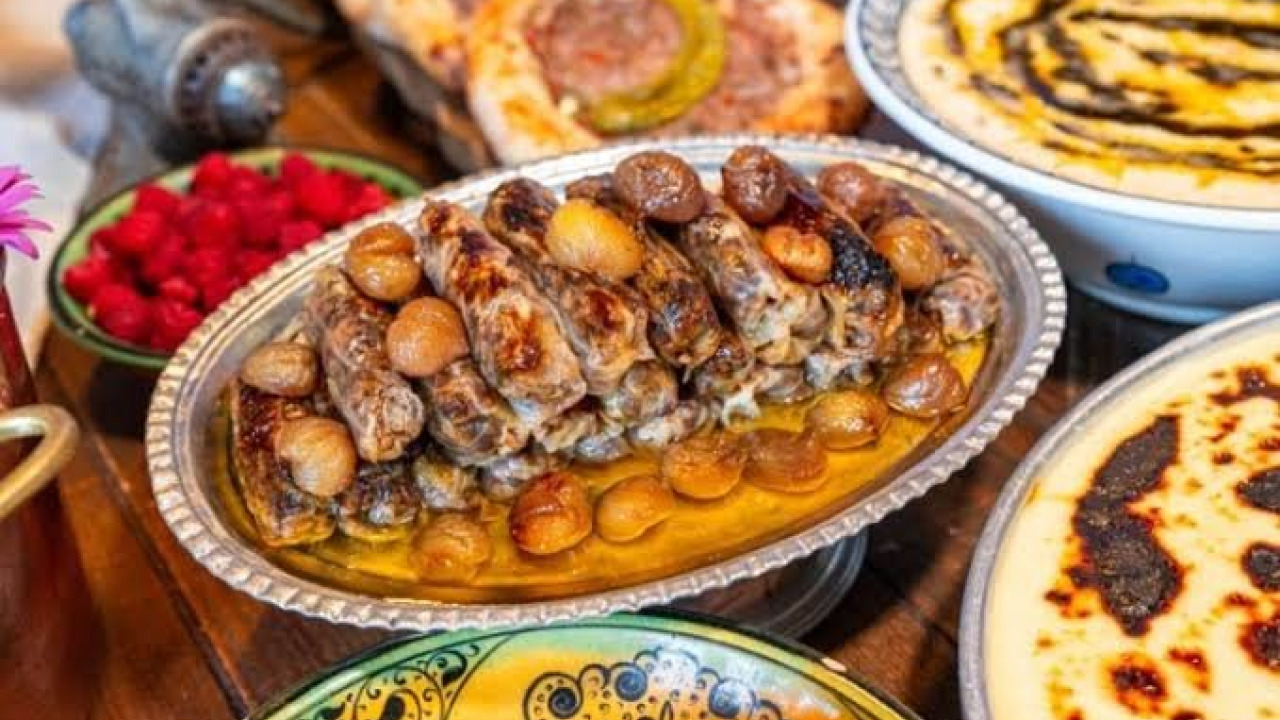
No trip to Bursa is complete without tasting the world-famous İskender Kebab. Served over pita bread with generous portions of butter and tomato sauce, this dish is a culinary icon that never fails to impress.
To round off the meal, many visitors enjoy traditional fırın sütlaç (baked rice pudding) or local cheese desserts.
Preparation Tips & Traveler Advice
When visiting historical mosques, museums, and traditional bazaars, being prepared can significantly enhance your comfort.
Since much of the exploration involves walking through historic districts, footwear is your most important gear.
Here are some practical tips for your Bursa adventure:
- Comfortable Walking Shoes: Opt for orthopedic, non-slip shoes to navigate the cobblestone streets and bazaar floors easily.
- Modest Clothing for Mosques: When entering places of worship, women are encouraged to carry a light scarf to cover their hair.
- Layer Your Clothing: The Uludağ foothills are noticeably cooler than the city center, so bringing a light cardigan or jacket is a smart move.
- Portable Power Bank: You will likely take many photos and videos; ensure your phone stays charged throughout the day.
- Reusable Shopping Bag: A lightweight tote bag is very handy for carrying silk fabrics from Koza Han or boxes of chestnut candy.
Please remember to maintain a respectful silence inside historical monuments to honor those praying.
Shopping Tips in the Han District
When selecting pure silk products in Koza Han or the Grand Bazaar, pay close attention to the texture and check the labels to ensure quality.
Local shopkeepers are often very knowledgeable and happy to share insights into traditional silk weaving techniques.
Photography Tips for Best Results
To capture the vibrant tiles of the Green Tomb and the beautiful arches of Koza Han, aim for the soft, golden light of the afternoon.
Inside Ulu Cami, using a wide-angle lens and a high shutter speed will help you clearly capture the intricate details of the calligraphy.
The Best Seasons to Visit Bursa
Thanks to its temperate climate, Bursa is a beautiful destination in every season, each offering a different atmosphere.
In spring, the city is transformed by the blooming Judas trees (Erguvan), painting the hillsides in stunning shades of pink and green. The parks and gardens are at their most vibrant.
In autumn, the falling leaves of the ancient plane trees create a picturesque, postcard-perfect setting in the historic courtyards.
Spring: The Season of Judas Trees
April and May are special months in Bursa, known for the tradition of the Judas tree bloom. These flowers provide a fairytale backdrop for your cultural tour.
The mild temperatures during this time are ideal for walking and exploring monuments without getting too hot.
Autumn: Peaceful Serenity
In September and October, the intense summer heat fades away. The city center and mosque courtyards become much quieter and more tranquil.
For photographers, the autumn light offers beautiful contrast against the historic brick and stone walls.
Frequently Asked Questions 5
On which days are the tours organized?
Day trips from Istanbul to Bursa typically run on specific days of the week, with a high frequency on weekends. Additional trips are often scheduled during public holidays.
What are the dress code requirements for mosques?
When entering mosques, shoulders and knees should be covered. Female guests should carry a shawl or scarf to cover their heads; however, covers are often provided at the entrances.
Are there vegetarian options for lunch?
Yes. In addition to the traditional kebab menu, the restaurants we visit offer various vegetable dishes, fresh salads, and soup alternatives. Please mention any dietary requirements during your booking.
Is the walking involved in the city center difficult?
Ulu Cami, Koza Han, and the Grand Bazaar are located very close to one another. The walking routes are mostly flat and consist of short distances, making them accessible for most age groups.
Is the tour suitable for children?
Yes! The ferry ride, the visit to the ancient plane tree, and the wide open courtyards are usually very engaging for children. Families using strollers can navigate the historical sites with ease.