For travelers staying in the serene Aegean resort of Didim, the allure of the region's geothermal wonders and hidden lagoons often leads to an unforgettable day trip. At the heart of these excursions are the world-renowned Dalyan mud baths, famous for their healing sulfur minerals, and the breathtaking basin of Lake Köyceğiz.
Gliding through labyrinthine reed-lined channels that connect Lake Köyceğiz to the Mediterranean, river boats offer visitors a unique vantage point to admire ancient rock-cut tombs and unwind in open-air thermal springs. The rejuvenating effects of the mineral-rich mud have drawn locals and intrepid explorers alike for centuries, promising a natural detox for both skin and soul.
In this comprehensive dalyan mud baths and didim travel guide, we cover everything you need to know: from the seamless transfers departing Didim and the scenic river cruise to the therapeutic properties of the thermal pools, the majesty of the Kaunos rock tombs, and the pristine sands of Kaplan Beach.
Quick Facts: Dalyan Day Trip from Didim
To ensure a smooth and relaxing experience, it is helpful to know the logistics and facility guidelines before you set off. The following summary provides the essential details for your Dalyan and Köyceğiz mud bath adventure.
| Feature | Visitor Quick Summary |
|---|---|
| Location & Region | Dalyan (Muğla), Lake Köyceğiz area, departing from Didim |
| Key Highlights | Dalyan Mud Baths, Kaunos Rock Tombs, Kaplan Beach |
| Best Time to Visit | May – October (Ideal for open-air springs and river cruising) |
| Recommended Duration | Full Day (Approx. 12 hours, typically 07:30 AM – 07:30 PM) |
| Transport & Terrain | Air-conditioned tour bus and river boat; flat earthy and wet thermal surfaces |
| Who is it for? | Nature lovers, wellness seekers, photographers, and families with children |
The journey begins with an early morning pickup from Didim in comfortable tour vehicles, winding through the scenic landscapes of the Aydın Mountains and Muğla plains. Upon arriving at the Dalyan pier, you will transition from road to river.
For those looking to explore other aquatic adventures and boat excursions in the region, we recommend browsing our day boat trips across Aydın to diversify your holiday itinerary.
Road Transfer and the Gateway to the Dalyan River
Guests are collected from their Didim hotels and transported safely via the Söke and Muğla highway to the Dalyan pier. Throughout the drive, professional guides provide fascinating insights into the local geography and the deep historical layers of the region.
Waiting at the pier are traditional wooden river boats. These shaded vessels are specifically designed with shallow drafts to navigate the narrow, winding channels of the delta with ease.
Cruising Through the Reed Labyrinths
The Dalyan Canal is a sanctuary of biodiversity, where dense reed beds provide a natural haven for various endangered water birds and freshwater turtles. The winding nature of the waterway offers a feast for the eyes and endless opportunities for photography.
As the boat hums softly through the water, the royal tombs of the ancient city of Kaunos emerge majestically from the cliffs, their temple-style facades carved directly into the limestone.
The Geological Magic of the Dalyan Delta
This narrow strait is where the fresh waters of Lake Köyceğiz meet the salty surges of the Mediterranean, creating a rich biological ecosystem. The mud layers are constantly replenished by the river's sediment transport.
Furthermore, geothermal fault lines in the area ensure that the waters remain warm and mineral-dense, a geological gift that has persisted for millennia.
Healing Mud Pools and Sulfur Thermal Springs
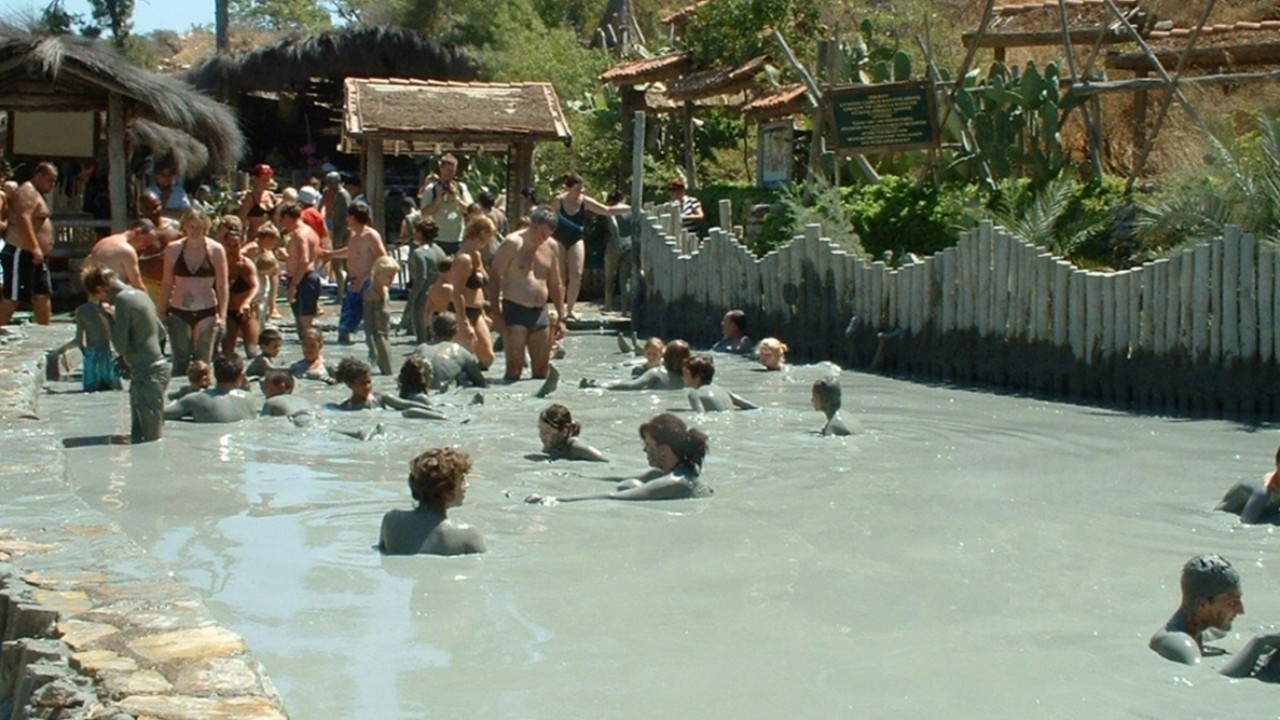
The mud baths of the Dalyan basin are formed by the intersection of underground sulfurous hot springs and alluvial soil. This natural concoction is exceptionally rich in magnesium, calcium, and sulfate.
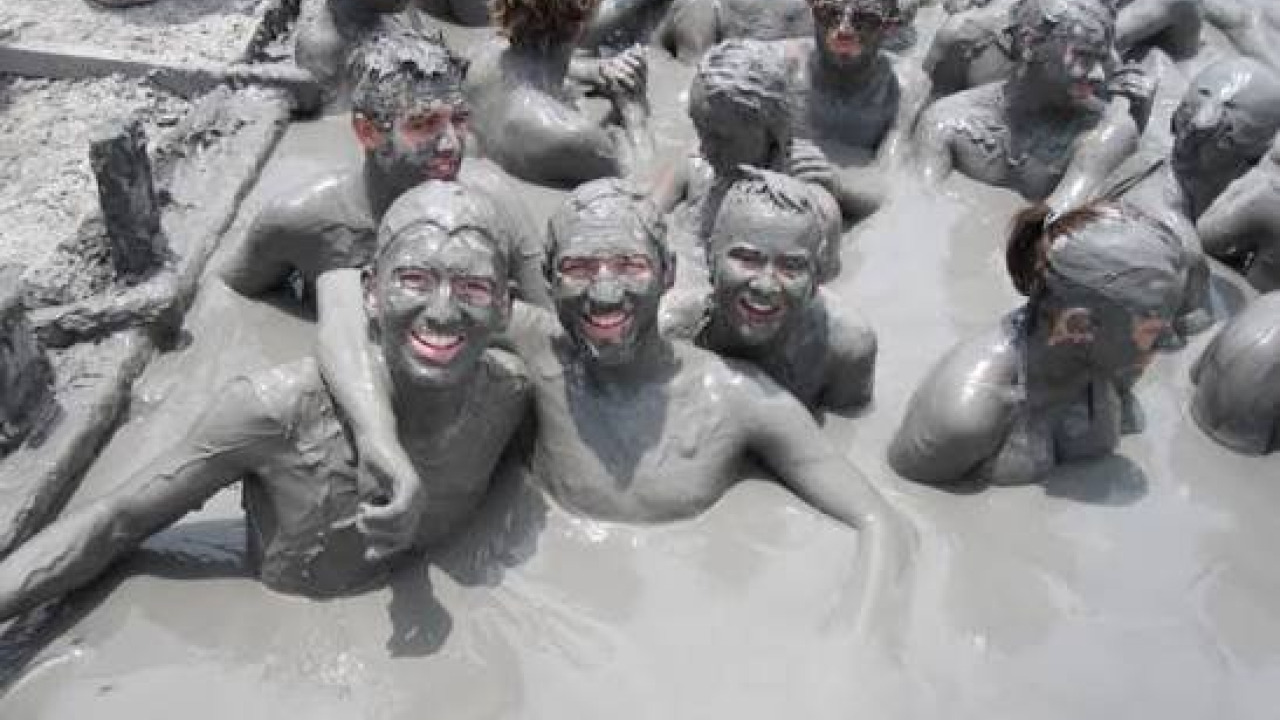
The experience is simple yet transformative: visitors immerse themselves in the pools, coating their bodies in the mineral-rich mud. As the mud dries under the Mediterranean sun, it helps tighten the skin and purge dead cells, leaving you feeling refreshed.
Following the mud treatment, guests rinse off in the facility's sulfur thermal pools. With a natural temperature of around 39°C (102°F), these waters are highly effective in relieving muscle fatigue and joint tension.
Mud Bath vs. Thermal Pool: What to Expect
To make the most of your wellness session, it is helpful to understand the different benefits of the mud and the sulfur water.
| Experience | Key Benefit | Recommended Time & Rule |
|---|---|---|
| Natural Mud Pool | High mineral density, pore cleansing, skin renewal | 20 - 30 mins (including sun-drying) |
| Sulfur Thermal Spring | 39°C natural heat, muscle relaxant, joint relief | 15 - 20 mins (intermittent soaking) |
| Open-Air River Showers | High-pressure fresh water to remove mud | 5 - 10 mins rinsing |
| Kaplan & İztuzu Beach | Blend of salt and fresh water, swimming break | 60 - 90 mins free beach time |
After the thermal session, guests return to their boats and often enjoy fresh, local delicacies at riverside restaurants overlooking the tranquil waters.
For those visiting the region for the first time, our Didim mud bath tours provide a reliable, comfortable, and expertly organized itinerary.
Skin Health and the Sun-Drying Phase
It is perfectly normal to feel your skin tighten as the mud dries in the sun. This process accelerates the absorption of minerals and deep-cleanses the pores.
This is also the perfect time for those "muddy" souvenir photos! Once dry, a quick rinse in the river showers prepares you for the final soak in the thermal pool.
Relaxation and Health Guidelines for Sulfur Pools
The warm, mineral-rich sulfur waters stimulate blood circulation. However, individuals with heart conditions or high blood pressure are advised to keep their soak times short.
Hydration is key; drinking plenty of water after the thermal bath helps maintain fluid balance and assists the body in flushing out toxins.
Facility Safety and Changing Areas
The mud bath facilities are well-equipped with secure lockers, modern changing cabins, and shower areas. You can leave your belongings safely in the lockers.
Because the floors are naturally wet and slippery, we strongly recommend wearing non-slip flip-flops or water shoes to prevent any accidents.
The Majesty of Kaunos Ancient City and Rock Tombs
One of the most breathtaking moments of the river journey is passing the royal tombs of ancient Kaunos. Carved into steep limestone cliffs and dating back to the 4th century BC, these monuments represent the architectural elegance of the border between the Carian and Lycian civilizations.
These temple-fronted tombs were built high on the slopes, reflecting the belief that rulers should be closer to the heavens. The river boats typically pause here, allowing guests to capture the scale of these ancient monuments.
Before moving on, guides share fascinating tales of the Kingdom of Kaunos, its dominance in maritime trade, salt production, and the bustling life of its ancient harbor.
Architectural Brilliance of the Rock Tombs
Featuring Ionic capitals and triangular pediments, these tombs are masterpieces of ancient stonemasonry, where the rock was treated as a canvas to create a temple for the afterlife.
Despite centuries of wind and rain erosion, these facades remain a testament to the burial traditions of the ancient world.
The Evolution of the Kaunos Ancient Harbor
In antiquity, Kaunos was a thriving seaside city. However, over centuries, the silt brought down by the river filled the harbor, pushing the coastline further away and leaving the city inland.
While this geographical shift ended its role as a port, it gave birth to the lush, protected wetland ecosystem that makes Dalyan so special today.
Capturing the Perfect Shot from the River
Boat captains are experts at positioning the vessel to ensure passengers get the best lighting for their photos of the rock tombs.
Whether it is the soft morning light filtering through the reeds or the golden hue of the afternoon sun, the red tones of the ancient stone create truly stunning imagery.
Swimming Breaks at Kaplan Beach and İztuzu Sands
In the second half of the day, the boats navigate toward the sheltered bays of Kaplan Beach and the famous İztuzu coast.
This is one of the few places on earth where you can experience a unique geographical split: one side faces the crystal-clear salt waters of the Mediterranean, while the other opens into a freshwater lagoon. Because it is a critical nesting ground for Caretta caretta sea turtles, the beach is strictly protected.
With its fine, golden sands, this stop allows guests to swim in the open sea or take a peaceful stroll along the shoreline.
- Fine Sandy Shores: The beach is shallow and soft, making it a safe and welcoming environment for children and novice swimmers.
- Strict Conservation Standards: Turtle nests are marked with special cages, and motorized water sports are strictly prohibited to protect the wildlife.
- The Best of Both Worlds: Guests can enjoy the novelty of swimming in the freshwater lagoon and the salty Mediterranean waves almost simultaneously.
- Serene Natural Setting: Surrounded by pine forests, the coastline offers a perfect escape from the noise of urban life.
- Eco-Friendly Relaxation: The wide beach features environmentally conscious wooden sunbeds and shaded areas.
The Geography of Kaplan Beach
Located near the mouth of the Dalyan delta, Kaplan Beach serves as a calmer, wave-free extension of the İztuzu shoreline.
Boats dock directly at the beach pier, ensuring a convenient and easy transition for all guests.
Protecting the Caretta Caretta
Informational panels along the coast educate visitors on the biological life cycle of the sea turtles.
During nesting season, volunteer teams keep a watchful eye on the sands to ensure the natural habitat remains undisturbed.
Lake Köyceğiz and Local Culinary Delights
After the mud baths and swimming, the journey leads to a lunch break at local restaurants on the shores of Lake Köyceğiz. Dining under the shade of the riverside reeds, guests are treated to meals prepared with the freshest local ingredients.
A fusion of Aegean and Mediterranean cuisines, the menu typically features rich olive oil-based appetizers (mezes), fresh river fish, and grilled specialties.
Sitting on wooden piers overlooking the still waters of the lake, the gentle breeze through the reeds provides a refreshing end to the afternoon.
Regional Mezes and Olive Oil Specialties
Tables are adorned with mezes made from locally grown herbs, olives, and citrus sauces.
Sea beans (deniz börülcesi), purslane with yogurt, and roasted eggplant salad are light, healthy alternatives perfect for a warm summer day.
River Fish and Fresh Grills
The mullet fish found in the Dalyan lagoon is considered one of the region's most famous delicacies.
For those who prefer other options, a variety of fresh grilled chicken or vegetable casseroles are always available.
Practical Tips for Your Dalyan Mud Bath Adventure
What you pack for your day trip can significantly impact your comfort. Due to the staining and scented nature of sulfur waters, a little preparation goes a long way.
- Dark-Colored Swimwear and Towels: Sulfur minerals can leave stains on light-colored fabrics; therefore, dark tones are highly recommended.
- Remove Silver and Metal Jewelry: Sulfur causes silver to tarnish almost instantly. It is best to leave your jewelry in the hotel safe or the tour bus locker.
- Non-Slip Footwear: To navigate the wet surfaces of the thermal facilities safely, wear non-slip flip-flops or water shoes.
- Waterproof Phone Case: A waterproof pouch is essential for taking photos on the river boat and around the mud pools without risking your device.
- High-SPF Sunscreen: You will be exposed to the sun on the open boat deck and the beach, so don't forget your protective lotions.
- A Change of Dry Clothes: Bring a full set of dry clothes to change into before the return bus journey to Didim.
Frequently Asked Questions 4
Does the Dalyan mud bath have a strong smell?
Sulfur minerals have a natural scent, but in the open air, it is not overwhelming. The scent is easily washed away with a shower after the treatment.
How long is the journey from Didim to Dalyan?
The road transfer from Didim to Dalyan takes approximately 2.5 to 3 hours. The trip is made in air-conditioned vehicles with guided breaks along the way.
Are mud baths and thermal springs safe for children?
Yes, the natural mud pools are a safe and fun activity for children. For the hot thermal pools, it is recommended that children stay for shorter periods and under parental supervision.
Does the mud wash out of clothes?
Natural alluvial mud is water-soluble and washes away easily. However, because sulfur water can cause slight yellowing on light fabrics, we recommend wearing dark or old swimwear.