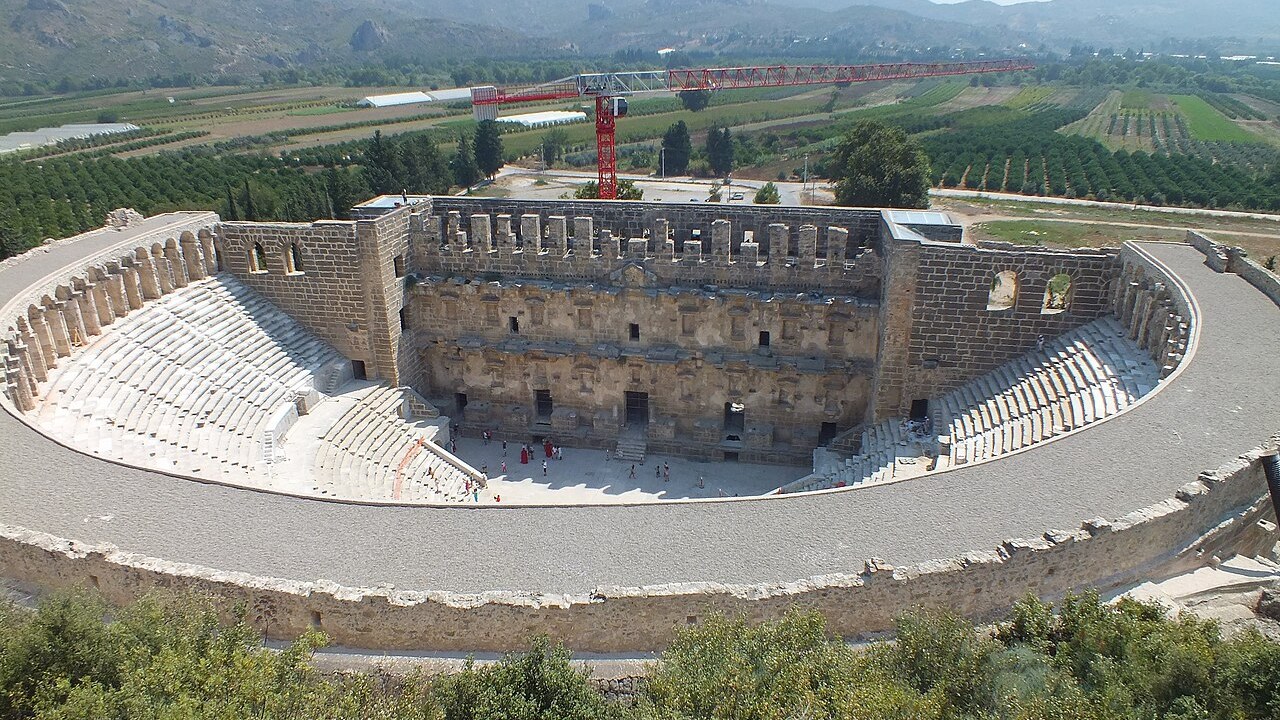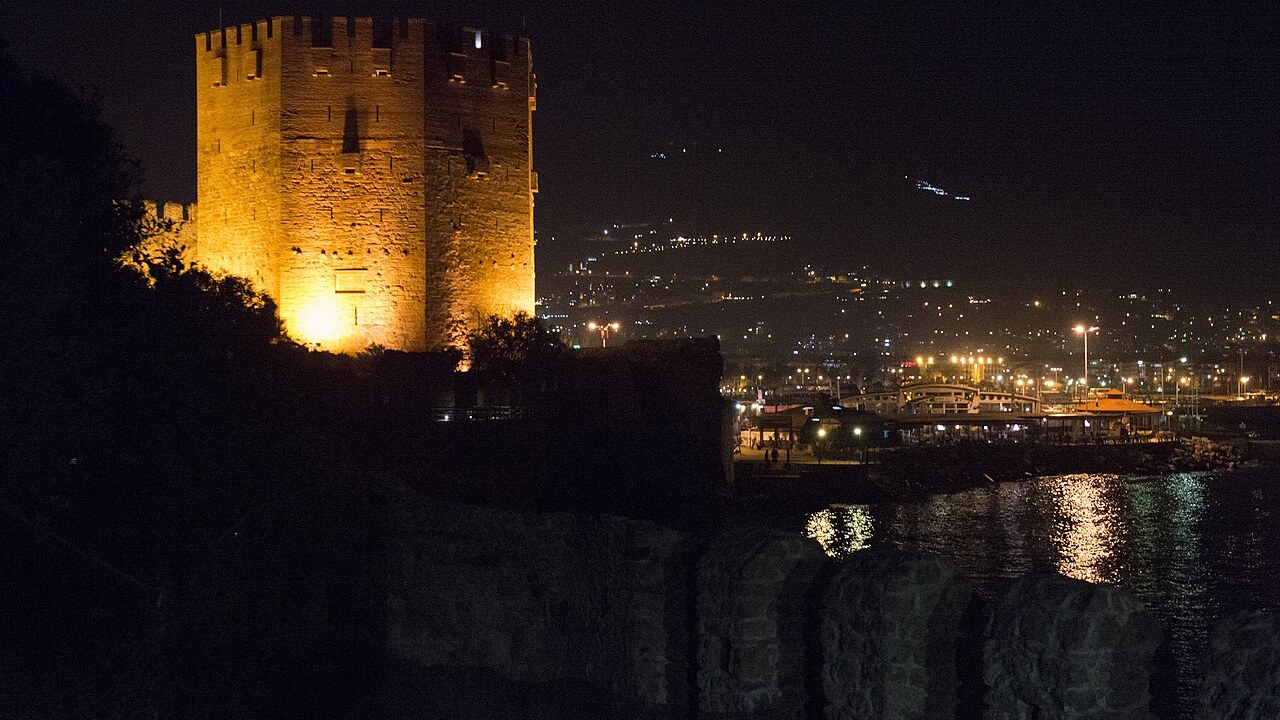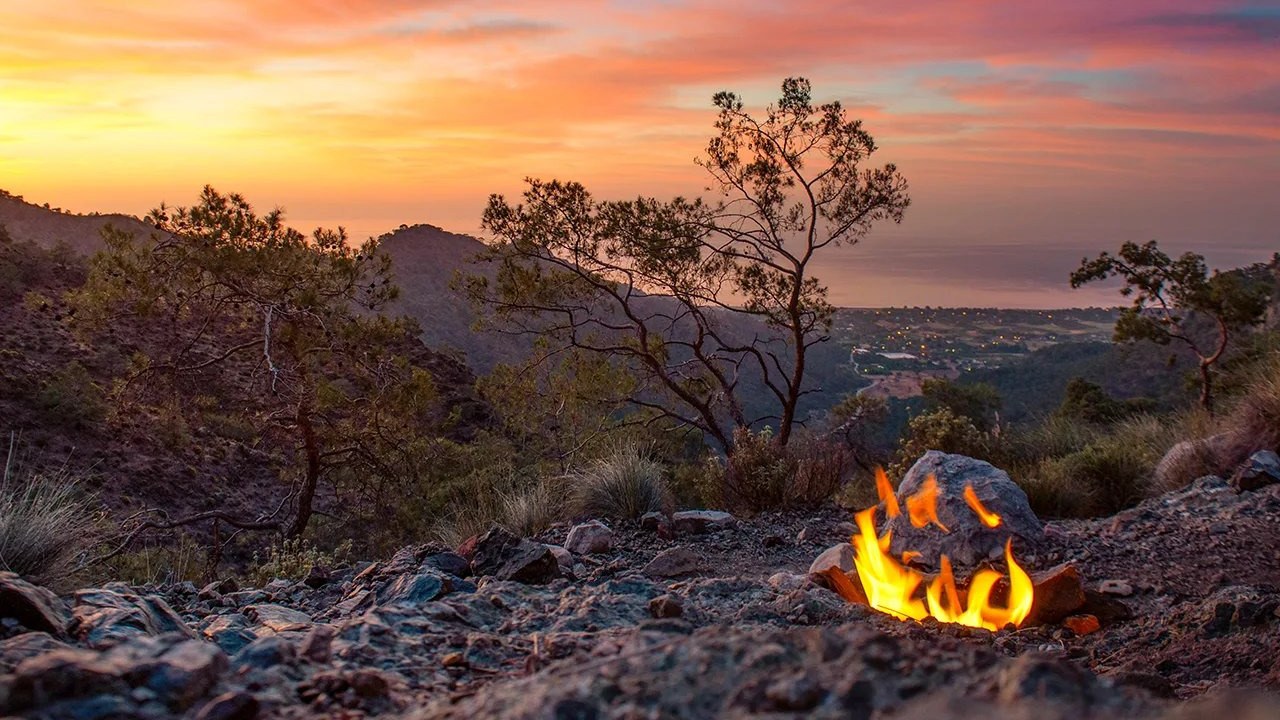

Tucked away on Turkey's Mediterranean coast, south of Antalya, lies a captivating corner where nature and mythology intertwine. Within the Beydağları National Park, Çıralı beach and its neighbor Olympos beckon travelers with their eternal flames, burning for millennia, and ancient ruins hidden among the pine trees. To comfortably explore the region's challenging terrain and ascend the mountain slopes at sunset, consider a Kemer Jeep Safari Tour program, offering a seamless travel experience.
This route, often lauded by travel bloggers, appeals to those seeking a simple beach holiday as much as it captivates adventure seekers chasing mythological legends. Yanartaş, where natural methane gas ignites as it seeps through the rocks, takes on a mesmerizing glow after dark. Spending the day hiking through ancient ruins and then relaxing by the flames on the mountainside at night creates truly unforgettable memories.
In this independent review, we've delved into the logistical dynamics of the Çıralı and Olympos route and examined the terrain of the climbing trail. We've compiled the entrance rules for the ancient city and critical points you'll encounter on-site, all with an unbiased eye.
Quick Facts About Your Çıralı and Yanartaş Trip
Before you set off, here's a summary of essential geographical and logistical details for the region.
| Feature / Detail | Practical Visitor Summary |
|---|---|
| Geographic Location | Between Kemer and Kumluca districts, at the foothills of Beydağları |
| Distance to Kemer Center | Approx. 40 km (7 km winding mountain descent from main road) |
| Coastline & Sea Characteristics | Fine pebble and stone beach, Caretta Caretta protection area |
| Yanartaş Ascent Duration | 25-35 minutes walk from entrance gate to flame area |
| Trail Surface Type | Stone steps, slippery soil surfaces, and inclined path |
| Essential Personal Gear | Headlamp or powerful flashlight, sports shoes with good grip |
| Ideal Visit Time | Late afternoon, starting at sunset, and the first hours after dark |
Location and Regional Transport Dynamics
Çıralı village and the Olympos valley are approximately 80 kilometers from Antalya city center and 40 kilometers from Kemer center. For drivers coming from Kemer, a steep and winding mountain road begins after the Ulupınar turn-off on the D400 highway. This narrow asphalt road snakes down for about seven kilometers to the Çıralı coastal plain.
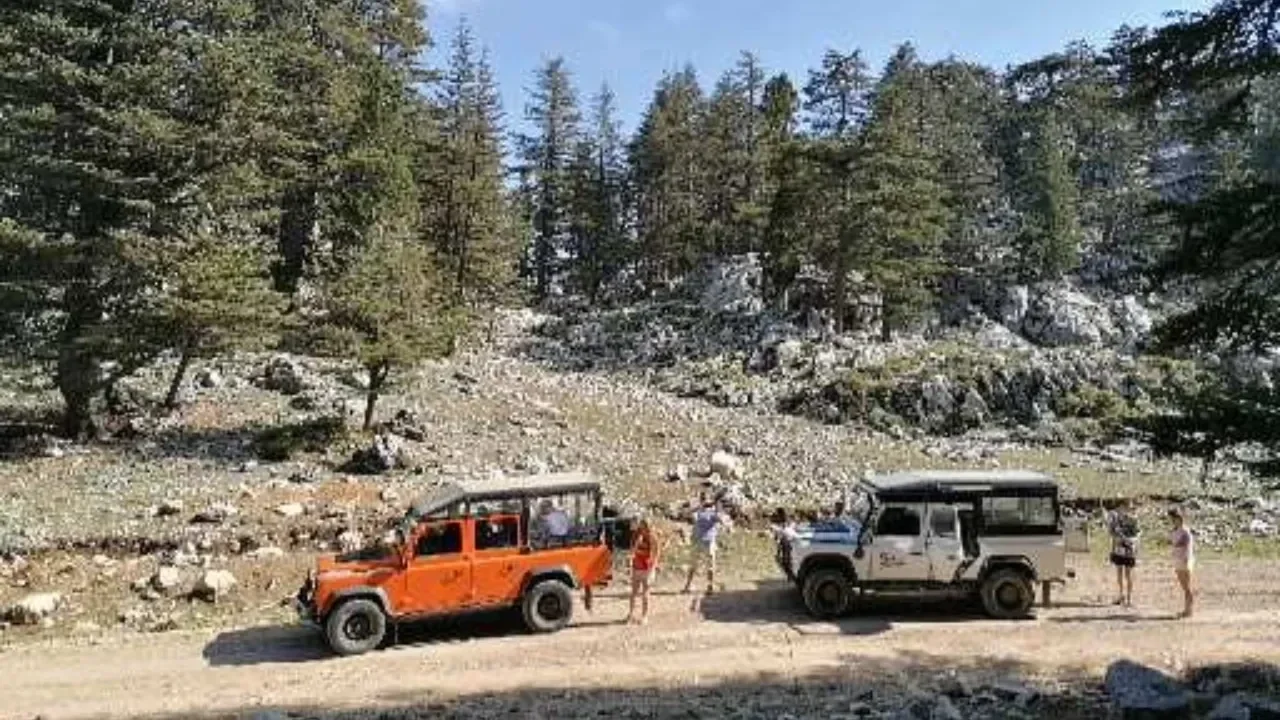
During the summer season, the biggest challenge for travelers driving their own vehicles is the narrow streets and insufficient parking capacity. Vehicle congestion within the village can lead to long queues at beach entrances. Therefore, opting for open-air safari vehicles with transfers departing from hotels around Kemer completely eliminates the stress of finding parking. You can also explore day trips and Kemer excursions in the region to make your regional transport much more practical.
Visitors opting for public transport can take district minibuses heading towards Kumluca from Antalya or Kemer bus stations. After getting off at the Çıralı bridge on the highway, you'll need to wait for local dolmuşes (shared taxis) that descend into the valley. However, dolmuş services cease for the night on the return from Yanartaş, so it's crucial to finalize your return plan beforehand.
Climate, Season, and Coastal Features
Nestled in the typical mild Mediterranean climate zone, the Çıralı valley boasts a unique microclimate thanks to the majestic Tahtalı Mountain range at its back. While the coastline is quite hot and sunny during the day, cool breezes descend from the mountains into the valley floor after sunset. This coolness makes the Yanartaş climb much more enjoyable in the summer heat.
Çıralı beach stretches for approximately three kilometers in a wide arc. The seabed deepens rapidly from the first few meters, offering clear waters, and the shoreline primarily consists of fine pebbles. This area is also a natural nesting ground for endangered sea turtles. For this reason, lighting fires and using bright white lights on the beach at night is legally prohibited.
Autumn and spring are the most favorable times of the year for hiking routes. In October, sea temperatures remain swimmable while the air loses its oppressive heat. In winter, however, as valley streams can swell during heavy rainfall, it's advisable to check the weather forecast before embarking on a climb.
The Legend of Yanartaş and the Reality of the Climbing Path
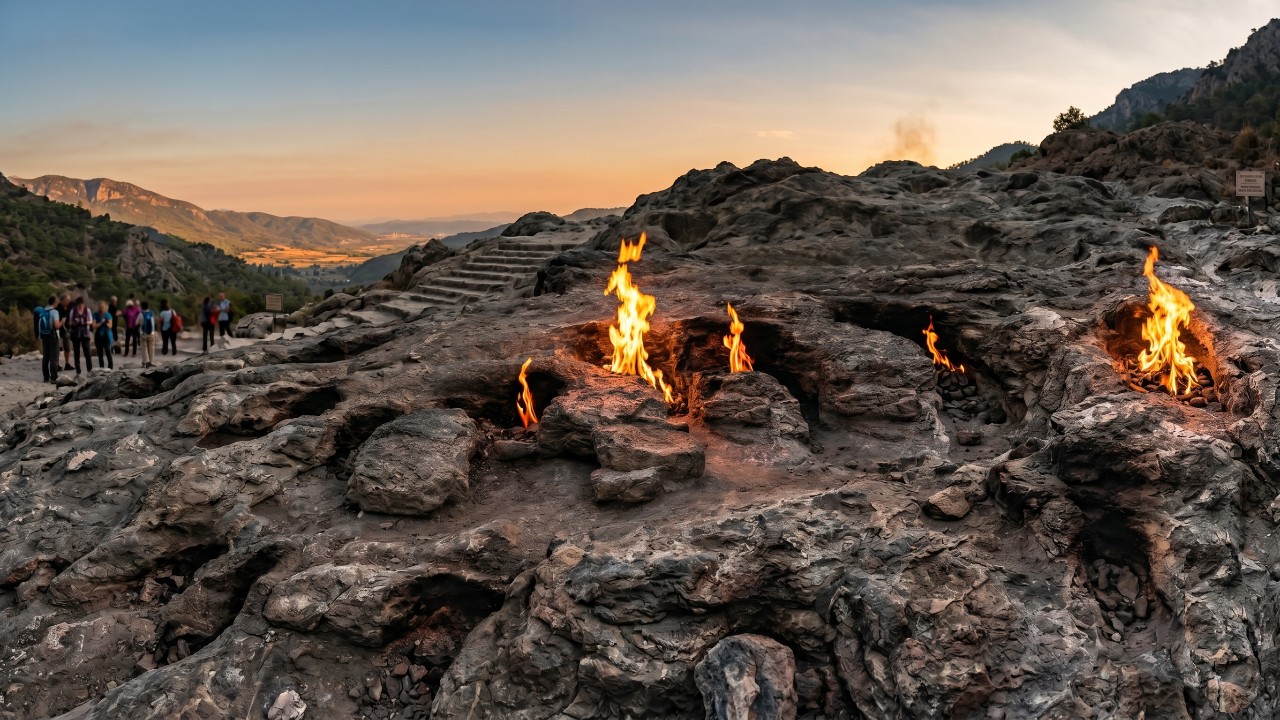
Mythology tells the tale of the hero Bellerophontes, riding the winged horse Pegasus, burying the fire-breathing monster Chimaera seven layers deep into the earth. According to legend, the monster's breath, rising from underground, has fueled the eternal flames that flicker from the rocks for thousands of years. Scientifically, this natural phenomenon is explained by the continuous burning of underground natural gas reserves where they come into contact with air through cracks in the rock.
From the Yanartaş archaeological site's entrance gate, a steep, approximately one-kilometer path is climbed to reach the first plateau area where the flames are located. The trail consists entirely of ancient stone steps and natural rocky surfaces. Worn steps and loose stones scattered along the path pose a slipping hazard during descent.
A critical on-site reality often overlooked in travel blogs is the inadequacy of mobile phone lights for night descents. Holding a phone while descending steep steps invites loss of balance and ankle sprains. Using an elastic-banded headlamp, which keeps both hands free, and wearing supportive sports shoes with good ankle grip is vital for a safe descent.
Olympos Ancient City and the Riverbed Crossing
Beyond the rocky headland at the southern end of Çıralı beach, you'll discover the ruins of Olympos Ancient City and the Olympos River valley. Founded in the Hellenistic period, Olympos was one of the most important port cities of the Lycian League, holding six voting rights, and was protected by castle walls built against pirate attacks.
The ancient city ruins are hidden amidst Mediterranean vegetation and laurel trees. Theater remnants, Roman mosaics, a necropolis area, and ancient bridge piers stretch along the valley. For those wishing to enter the ancient city from the beach side, a Museum Pass (MüzeKart) is valid. By scanning your card at the entrance, you can comfortably explore the historical ruins lining both banks of the riverbed.
When walking from Çıralı beach to the Olympos side, you cross through the shallow riverbed that flows into the sea. In spring, the river's water level can rise to knee height. During this crossing, you'll need to be prepared to get wet or carefully roll up your trousers and wade through. Walking amidst the cool sound of the water in the shadow of historical ruins is one of the most delightful moments in the region.
Individual Travel vs. Organized Safari Tour Comparison
When planning your holiday, the table below compares the criteria that determine whether you should visit the region with your own vehicle or on a transfer-inclusive safari tour.
| Comparison Criterion | Individual Visit with Your Own Vehicle | Organized Open-Air Safari Tour |
|---|---|---|
| Road & Driving Difficulty | Winding, steep mountain roads, night driving risk | Comfortable transport with professional drivers |
| Parking & Finding Space | Limited space in the village, parking fee stress | Hotel pick-up and drop-off, zero parking hassle |
| Additional Stops Visited | Time limited only by your personal itinerary | Relaxation by Ulupınar stream and surrounding valleys |
| Ease of Evening Return | Climbing dark mountain bends while tired | Relaxing return in an air-conditioned or open-air transfer vehicle |
| Group Harmony & Enjoyment | Driver's constant focus on the road | Entire family or friend group enjoying the scenery |
5-Step Action Protocol for Your Çıralı and Yanartaş Trip
To ensure a smooth and safe visit, here's a 5-step action protocol to follow on-site:
- Optimal Timing & Departure Preparation: Arrive at the entrance gate approximately one hour before sunset; this allows you to climb in daylight and witness the flames in the dark.
- Personal Lighting & Footwear Check: Ensure you have a headlamp with spare batteries in your bag and are wearing non-slip hiking shoes.
- Securing Your Museum Pass (MüzeKart) & Entrance Ticket: Have your Museum Pass ready if you have one, or purchase your site entrance ticket at the gate before arriving.
- Flames at the Summit & Safety Distance: Do not get too close to the hot gas vents around the burning rocks, and prevent children from touching the flames.
- Controlled & Calm Descent Pace: When descending from the summit, take your time, step carefully down each step, and avoid loose stones.
Life-Saving Traveler Tips On-Site
Here are some local insights to make your Çıralı trip more enjoyable and comfortable:
- Hydration & Supplies: The climb is steep, so you should carry at least one liter of water; there are no water or food sales on the plateau above.
- Marshmallow Tradition: Roasting marshmallows or sausages on wooden skewers over the Yanartaş flames is a popular evening activity; you can purchase your supplies from the village grocery store.
- Insect Repellent: When walking through the pine forests, especially in summer, you should apply insect repellent to protect yourself from mosquitoes.
- Carry Cash: Some small businesses and village stalls in the area may not accept cards due to internet outages; it's useful to carry some cash in your wallet.
Essential Pre-Visit Bag Check
Before embarking on your evening climb, ensure your backpack is fully equipped with spare batteries, a small first-aid band-aid, a light windbreaker (season-dependent), and a tripod for your camera.





Frequently Asked Questions 6
When is the best time to visit Yanartaş, and how long does the climb take?
The ideal time to see the Yanartaş flames in the dark is just before sunset; the climb from the entrance gate to the flame area takes approximately 25 to 35 minutes.
Is there a walking path between Olympos and Çıralı?
Yes, Çıralı beach and Olympos beach are connected; you can walk between the two areas in about 15 minutes by strolling along the coast and crossing the shallow riverbed.
Is there an entrance fee for Yanartaş, and is the Museum Pass (MüzeKart) valid?
Yanartaş is under the supervision of the General Directorate of Nature Conservation and National Parks, so there is an entrance fee. As Museum Pass (MüzeKart) validity may vary based on seasonal regulations, you might need to purchase a ticket at the gate.
What should I wear for the Çıralı Yanartaş climb?
Due to the steep and slippery stone steps, it's recommended to wear closed-toe hiking shoes instead of flip-flops, breathable clothing, and a headlamp for the night descent.
How do I get to Yanartaş and Olympos from Kemer?
From Kemer center, you can reach the valley directly in about 40 minutes by private car via the D400 highway heading south, or by joining organized jeep safari tours departing from Kemer.
Is camping allowed on Çıralı beach?
Çıralı beach is a first-degree natural protected area and a sea turtle conservation zone, so pitching tents on the beachfront is prohibited. For camping, licensed campsites within the village should be preferred.