
The Cool Side of Nature: A Guide to the Bursa Highlands
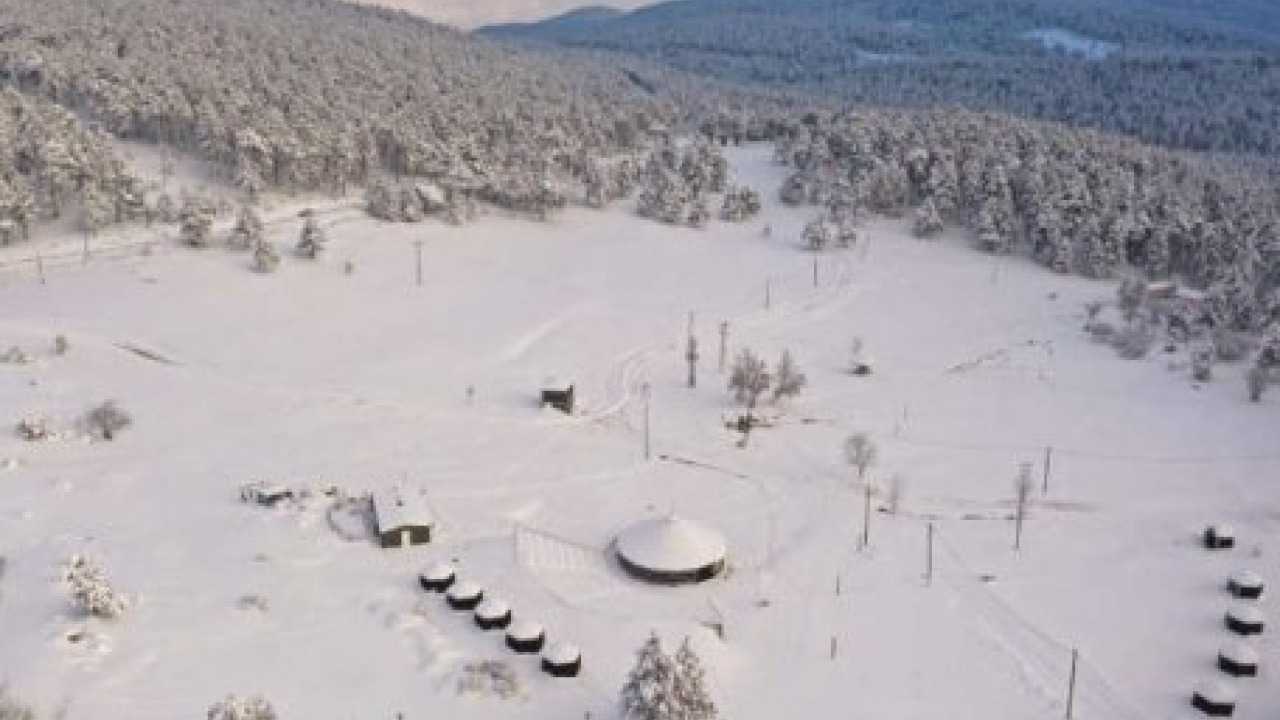
Nestled in the heart of the Marmara Region, the Bursa highlands serve as a serene sanctuary for those looking to escape the city's historic bustle and industrial pace. Most of these alpine plateaus are scattered across the foothills of Uludağ, a majestic mountain designated as a National Park in 1961. Covering approximately 12,762 hectares and peaking at 2,543 meters, the mountain sits just 36 kilometers south of the city center. High-altitude plains such as Sarıalan (1,621m), Kirazlıyayla (1,505m), and Kadıyayla (1,235m) offer a visual feast of dense pine forests, rushing waterfalls, and crisp, invigorating air. When the city center becomes stiflingly hot, a trip to these heights is the ultimate way to cool down. From the late spring thaw to the golden hues of autumn, these regions welcome visitors who wish to witness the traditional lifestyle of mountain villages. Whether it's the roaring streams of spring or the vivid foliage of fall, every season provides a perfect canvas for photographers. In this guide, we will map out a detailed nature journey, starting from the city's historic landmarks and ascending to the plateaus of Uludağ and the hidden waterfalls of the surrounding districts.
Essential Tips for Your Highland Adventure
Before you set out, here are some practical details to help you make the most of your trip:
| Category | Details |
|---|---|
| Location | Areas extending from the city center to the foothills of Uludağ and surrounding districts |
| Key Highlights | Pine forests, cold springs, campsites, and traditional wooden highland houses |
| Best Time to Visit | Spring and Summer (Ideal for cooling off and camping) |
| Target Audience | Nature enthusiasts, campers, photographers, and picnic lovers |
| Top Plateaus | Sarıalan (1,621 m), Kirazlıyayla (1,505 m), Kadıyayla (1,235 m) |
| Entry Fees | Village access is free; Uludağ National Park charges per vehicle and person at the gates |
| Transportation | Via Karabelen gate by road, or a 25-minute cable car ride from Teferrüç to Sarıalan; minibus services are limited |
Top Stops on the Bursa Highlands Route
To make your journey more meaningful, we recommend soaking up some of the city's cultural heritage before heading up the mountain:
Türk İslam Eserleri Müzesi (Museum of Turkish and Islamic Art)
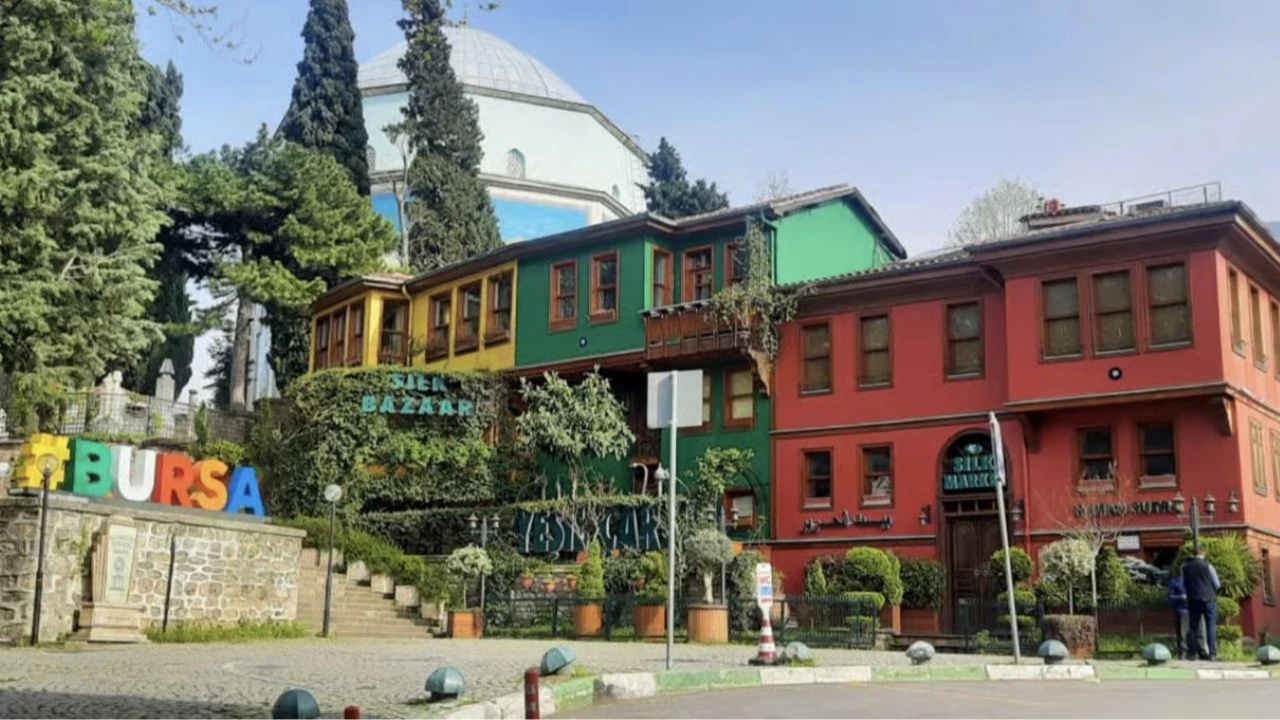
Before starting your nature trek, visit this museum located within the Yeşil Complex, specifically in the Yeşil Medrese building constructed between 1414 and 1424. The collection spans from the 13th to the 20th century, showcasing exquisite tiles, ceramics, intricate wood carvings, copperware, Seljuk and Ottoman coins, and traditional costumes. The museum is open daily from 08:00 to 17:00 (ticket office closes at 16:30), and Müzekart is accepted for Turkish citizens. A one-hour visit here is the perfect cultural appetizer before your ascent.
Ulu Camii (Grand Mosque)
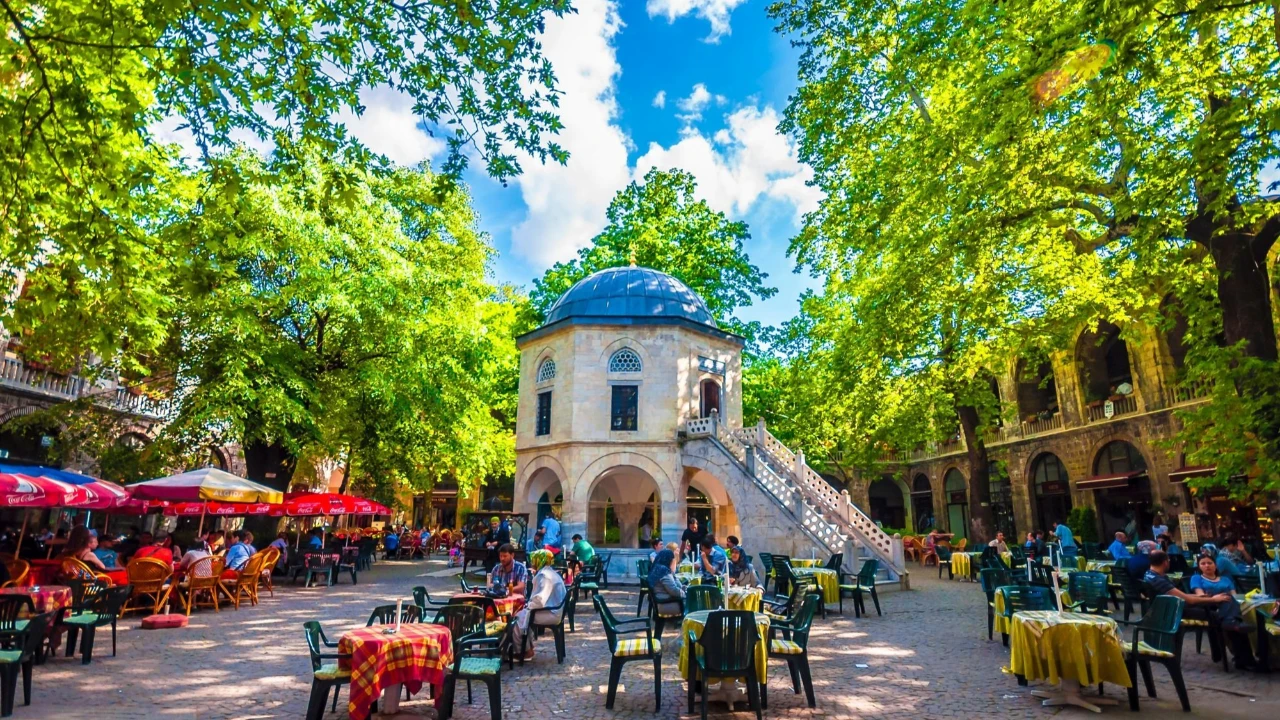
It is a local tradition to stop at the Ulu Camii, the spiritual heart of the city, before heading toward the highlands. Built by Yıldırım Bayezid between 1396 and 1400, this magnificent mosque is an architectural marvel, centered around its grand ablution fountain. The glass ceiling above the twenty-domed structure allows shifting light to dance upon the sixteen-sided fountain throughout the day, while the massive calligraphic panels on the walls provide a sense of peace before the journey. To avoid crowds, try to visit outside of prayer times.
Cumalıkızık Köyü
As you climb toward the slopes of Uludağ, detour to the 700-year-old village of Cumalıkızık, located about 10 kilometers from the center. Founded as an early Ottoman foundation village, it is part of the UNESCO World Heritage site listed alongside Bursa in 2014. With its authentic narrow streets and traditional adobe-and-wood houses, the village is the perfect transition into the highland atmosphere. Arriving early for a traditional village breakfast featuring organic local products will give you the energy needed for your trek. The surrounding chestnut forests are the first sign of the fresh mountain air; since the cobblestone streets can be slippery after rain, we recommend flat-soled shoes.
Sarıalan, Kirazlıyayla, and Kadıyayla
The true essence of the Bursa highlands lies within the boundaries of the Uludağ National Park. Sarıalan, situated at 1,621 meters and serving as the final cable car station, is designed for day-trippers with its expansive camping areas, wooden bungalows, grill restaurants, playgrounds, and a prayer room. Kirazlıyayla is a popular spot for larger groups, offering picnic tables, fountains, and snack kiosks; in the spring, the Gölcük area fills with water, transforming the landscape. Kadıyayla, the lowest of the three, offers a quieter alternative for those wanting to veer off the main Uludağ road. For those who enjoy hiking, a forest path from Sarıalan leads to Çobankaya, where you'll find a forest restaurant and camping grounds.
| Plateau | Altitude | Key Feature |
|---|---|---|
| Sarıalan | 1,621 m | Cable car terminus; camping, bungalows, and restaurants |
| Kirazlıyayla | 1,505 m | Picnic areas, fountains, and the scenic Gölcük basin in spring |
| Kadıyayla | 1,235 m | The quietest option; a peaceful detour from the main road |
Saitabat Şelalesi (Saitabat Waterfall)
As you ascend further past Cumalıkızık, you'll encounter the Saitabat Waterfall. Located about 3 kilometers from Derekızık village in the Yıldırım district, this spot is tucked inside a lush valley carved by waters flowing from Uludağ. While the waterfall itself is modest in height, its real charm lies in the shaded walking trails along the stream. You can take a short nature walk by the water and then relax at local restaurants with a meal of trout cooked in clay pots or mushrooms with melted cheese. The water flow peaks in April and May during the snowmelt, making it a favorite cooling spot for locals during the summer.
Suuçtu Şelalesi (Suuçtu Waterfall)
For those seeking a more remote experience and untouched nature, Suuçtu Waterfall is the ideal destination, located 20 kilometers from the center of Mustafakemalpaşa. Formed by a fault line collapse, this imposing 38-meter waterfall echoes through the surrounding beech forests. As a nature park, it features a controlled entry point, parking, an observation deck, and a rustic countryside restaurant. It is a paradise for campers and nature photographers. Since there is no regular public transport, it is best reached by private car or as part of a Bursa nature and adventure tour.
How to Get to the Bursa Highlands: Planning Your Route
For an efficient tour from the center to the peaks, follow these steps:
- Morning City Heritage Tour: Start your day with a visit to the Ulu Camii and the nearby Museum of Turkish and Islamic Art to immerse yourself in the local culture.
- Village Breakfast & Warm-up: Head toward the slopes of Uludağ and stop at Cumalıkızık village for a traditional breakfast and a stroll through its cobblestone alleys.
- The Ascent: From Cumalıkızık, head to the Karabelen entrance gate. Once inside the National Park, stop at Kirazlıyayla (1,505m) for a midday break at the picnic tables.
- Peak or Waterfall Path: For the afternoon, you have two choices. Take the cable car from Teferrüç for a 25-minute ride to Sarıalan, or drive via the Kestel-Ankara road to visit Saitabat Waterfall. Note that Suuçtu Waterfall in Mustafakemalpaşa usually requires a separate day due to the 20km mountain road from the district center.
When is the Best Time to Visit?
Weather and seasonal conditions are the most critical factors when planning your highland trip.
| Season | For Nature Lovers | Pro Tip |
|---|---|---|
| Summer (June - Aug) | High altitudes provide a cool refuge from the city's scorching heat. | Perfect for camping and picnics; book Sarıalan bungalows early. |
| Autumn (Sept - Nov) | A visual feast for photographers as the forests turn gold and red. | Enjoy campfires on chilly evenings; bring a raincoat for fog and rain. |
| Winter (Dec - Feb) | High roads can be blocked by snow, making access difficult. | Snow tires and chains are mandatory past Karabelen; the cable car to Sarıalan is the easiest option. |
| Spring (March - May) | Waterfalls reach peak flow as snow melts and forests turn vibrant green. | The Gölcük area in Kirazlıyayla fills with water; wear waterproof hiking boots for mud. |
Budgeting for Your Bursa Highland Tour
Entry to highland villages and open nature areas is generally free. However, protected areas like the Uludağ National Park charge a fee per vehicle and person at the gates. As these rates are updated annually, we recommend checking official tariffs before departure; payments at the Karabelen gate can be made via HGS. For those using the cable car to Sarıalan, the 2026 round-trip fare is 500 TL for adults and 250 TL for students. Cultural stops in the city are budget-friendly: the Bursa City Museum is free, and Müzekart is valid at the Museum of Turkish and Islamic Art. Your primary expenses will be transportation (fuel or car rental) and meals at village restaurants, such as traditional breakfasts and trout menus.
Practical Tips for a Seamless Trip
To ensure your comfort on the nature trails, keep these details in mind:
- Weather can change rapidly at high altitudes; always carry a windbreaker, a spare set of clothes, and a light fleece.
- Wear sturdy outdoor shoes with non-slip soles when walking near waterfalls and in forest areas.
- Mobile signal can be spotty in many highland and waterfall regions; download offline maps before you leave.
- If camping, invest in a high-quality sleeping bag, as temperatures can drop significantly at night.
- If you've paid the vehicle fee at the main entrance, you can usually access day-trip and camping areas without additional payment; keep your receipt.
- If taking the cable car to Sarıalan, confirm the last return trip time at the station; temperatures plummet once the sun sets.
- Popular spots like Cumalıkızık and Saitabat get very crowded on weekends; plan your visit for a weekday or early morning to enjoy the silence of nature.
Final Notes Before You Hit the Peaks
Beyond its historic architecture, Bursa welcomes visitors with the lush highlands and cool waters of Uludağ. From the Grand Mosque and medreses to the stone streets of Cumalıkızık and the sound of cascading waterfalls, this journey is the perfect remedy for city fatigue. If you want to dive deeper into the National Park, Uludağ nature and adventure tours combine the plateaus, waterfalls, and forests into one package. For those wanting to blend history with nature, Bursa culture tours are a great complement. If you prefer the snowy version of this route, Bursa winter tourism tours offer a unique experience. For more planning tips, check out our places to visit in Bursa guide.
Frequently Asked Questions 5
Which waterfalls can be added to a Bursa highlands itinerary?
Saitabat Waterfall in the Yıldırım district is located in a cool, wooded valley and is famous for its local restaurants serving trout in clay pots. For a more pristine experience, the 38-meter Suuçtu Waterfall in the Mustafakemalpaşa district, surrounded by beech forests, is highly recommended.
When is the best time to camp in the Bursa highlands?
June through August is the best period due to dry and clear weather, making it ideal for camping and picnics. Sarıalan in Uludağ National Park offers extensive camping areas and wooden bungalows (early booking required). September to November is great for campfires as evenings cool down, though rain gear is essential.
What clothing and equipment are needed for the Bursa highlands?
Because weather changes quickly at high altitudes, a windbreaker, extra layers, and a light fleece are essential. Sturdy, non-slip outdoor shoes are recommended for waterfall trails, and a high-quality sleeping bag is a must for those planning to camp.
Is there an entry fee for the nature areas in the Bursa highlands?
Entry to highland villages and open nature is generally free. However, protected areas like Uludağ National Park have vehicle and per-person fees at the gates, which are updated annually. For the cable car to Sarıalan, the 2026 round-trip fare is 500 TL (adults) and 250 TL (students). The Bursa City Museum is free. Other costs include transportation and local dining.
Is there mobile phone coverage in the Bursa highlands?
Mobile signal can be unreliable in many highland and waterfall areas. Downloading offline maps before your trip is a practical precaution to avoid getting lost on mountain roads.