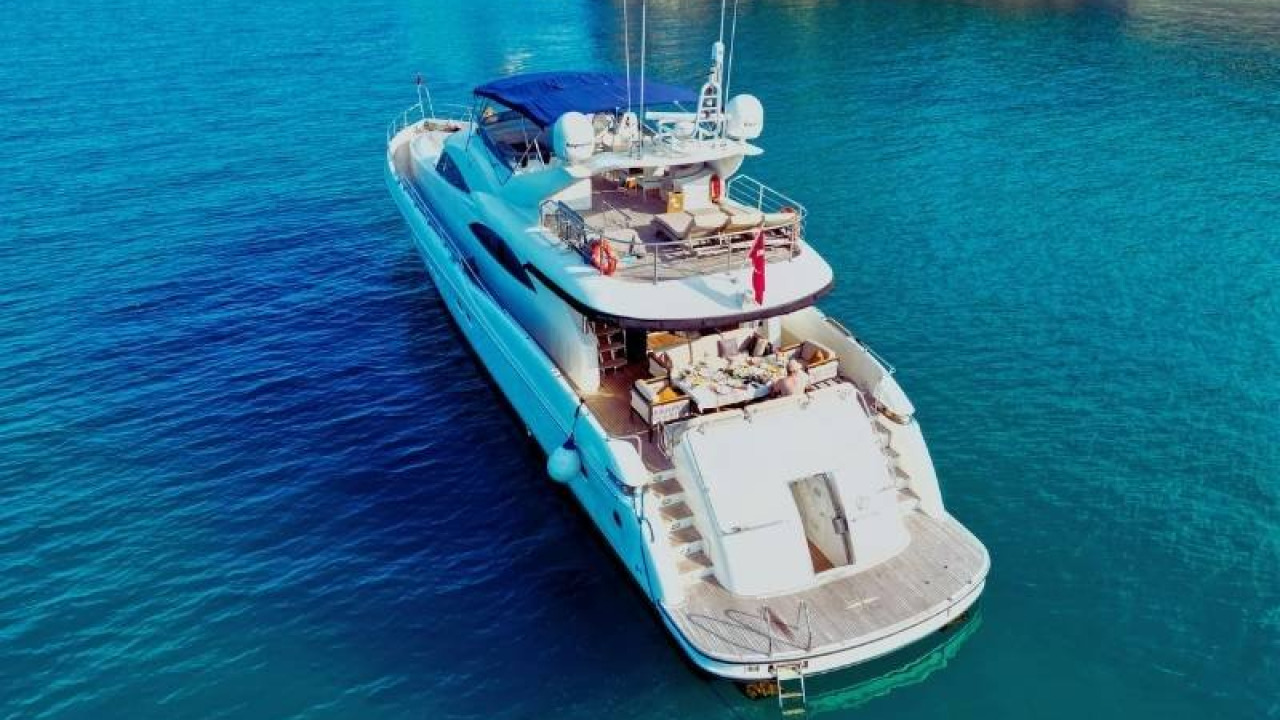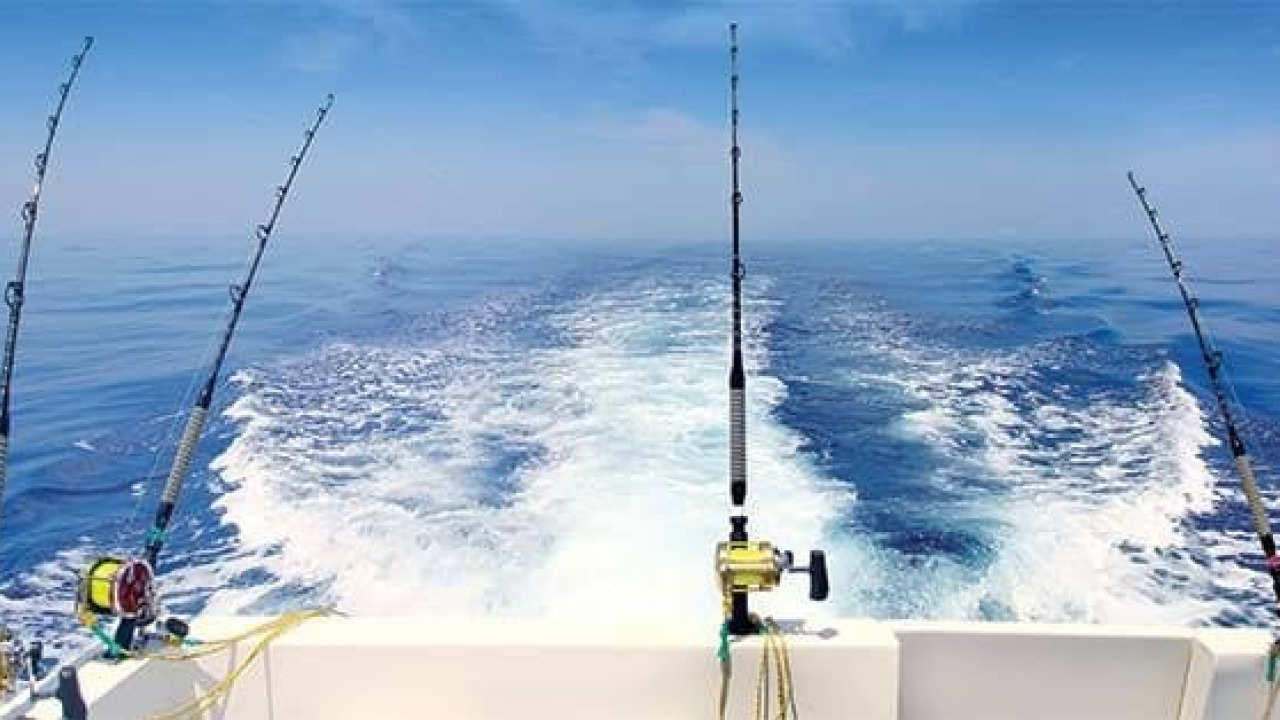

The deep azure waters of the Mediterranean, with its rich marine biodiversity and dramatic underwater cliffs, offer an exhilarating playground for sport fishing enthusiasts. The Gulf of Antalya is particularly unique; just a few miles from the shoreline, the seabed plunges into underwater canyons hundreds of meters deep. This geological phenomenon allows massive pelagic predators to roam surprisingly close to the coast, making it a prime destination for big-game fishing.
Whether you are a seasoned angler chasing a trophy or a nature lover stepping onto a charter boat for the first time, deep sea fishing here is an adrenaline-fueled adventure. Guided by expert captains and equipped with state-of-the-art navigation and sonar technology, these excursions provide a safe and professional environment. The secret to a successful haul lies in precise weather forecasting, high-end gear, and an understanding of seasonal migration patterns.
Deep Sea Fishing in Antalya: Quick Facts
Most deep sea fishing charters based in Antalya launch at the crack of dawn to take advantage of the calm morning waters, typically returning by mid-afternoon. Once you leave the harbor, your captain will use radar and sonar to pinpoint "holes" and underwater structures where fish congregate. Here is a practical summary of what to expect from your expedition.
| Feature | Visitor Quick Guide |
|---|---|
| Departure Points | Antalya Çelebi Marina, Setur Marina, and Kemer Türkiz Marina |
| Fishing Depth & Terrain | Coastal canyons ranging from 40 to 350 meters deep |
| Primary Techniques | Trolling, deep-sea jigging, and bottom fishing |
| Target Species | Bluefin Tuna, Amberjack (Kuzu), Bonito, Dentex, Grouper, and Red Snapper |
| Essential Gear | Heavy-duty trolling reels, jigs, lures, and polarized sunglasses |
| Best For | Nature enthusiasts, amateur anglers, and adventure-seeking families |
Onboard crews provide hands-on support, from rigging your lines to the thrill of the fight when a fish strikes. The sight of the sun rising over the cliffs as you head into the open sea creates a breathtaking backdrop for any photographer. Through the professional organizations offered as part of Antalya boat and sea adventures, even beginners can realize their dream of landing a trophy fish.
Top Fishing Grounds and Deep-Water Hotspots in Antalya
The underwater topography of the Antalya Gulf is characterized by sudden drops from coastal cliffs and sunken rocky reefs. These areas serve as natural feeding grounds where small baitfish gather and large predators patrol.
Experienced captains maintain secret "honey holes" on their radar, offering different opportunities depending on the season.
Sıçan Adası and the Cliff Canyons
Located off the southern tip of the Konyaaltı coast, the waters around Sıçan Adası are legendary for their steep reef walls. In certain spots, the depth drops sharply from 70 meters to over 180 meters. These transition zones are hotspots for Amberjack, Bonito, and Mediterranean Barracuda.
The underwater currents along the cliff line concentrate plankton, which attracts baitfish and, consequently, the big hunters. Early morning trolling trips using artificial lures are highly effective for targeting surface-dwelling predators. On calm days, jigging techniques are used to probe the rocky depths.
The thermal layers around Sıçan Adası become particularly active during autumn migrations, bringing in massive schools of Bonito. Because these spots are only a couple of miles offshore, you can experience high-action fishing without spending hours in transit.
Kemer Deep-Water Beds and the Three Islands
Heading west toward Kemer, the water becomes exceptionally clear with high oxygen levels, making it a premier spot for deep-sea angling. Near the Three Islands, the seabed transforms into vertical underwater precipices exceeding 300 meters. These are the primary transit routes for giant Amberjack and Bluefin Tuna.
Fishing in Kemer typically requires heavy-duty reels and high-strength braided lines. The sheer power of a deep-water fish hitting the line provides an unforgettable sporting challenge. With the guidance of the professional crew, anglers work to tire the fish before it is safely brought on board with a landing net.
The canyons in this region are also rich in Dentex and Grouper populations. Using live bait dropped to the precise depth is the most effective way to trigger a strike from these ambush predators hiding in the rocks.
Belek Break-Lines and Boğazkent Waters
To the east, the waters off Belek and Boğazkent are influenced by river mouths, creating fertile sandy and rocky bottoms. The minerals carried by the Köprüçay and Manavgat rivers nourish the seabed, attracting species like Red Snapper, Sea Bream, and Fangri.
Bottom fishing with multi-hook rigs and fresh bait is the standard here. Boats either anchor over rocky patches or perform controlled drifts, allowing guests to encounter a variety of species simultaneously. These calmer waters make for a comfortable and relaxing experience, ideal for family-oriented fishing trips.
Depending on seasonal rainfall, the turbidity of the water near the river mouths varies. In spring and early summer, these mixing zones become productive corridors for coastal hunters like Sea Bass and Bluefish.
Your Step-by-Step Deep Sea Fishing Itinerary
To ensure your day on the water is both safe and productive, most professional charters follow a structured plan:
- Marina Meet-up & Safety Briefing: Arrival around 06:00 AM. The captain outlines the route and provides a briefing on life jacket usage and safety protocols.
- Heading Out & Trolling Setup: After leaving the port, the boat reaches cruising speed, and trolling lines are deployed as you head toward the first hotspot.
- Scanning the Reefs: Using sonar and fish-finders, the captain maneuvers the boat over detected schools, and lines are adjusted for depth.
- Bottom Fishing & Jigging: Once a deep-water basin is reached, the boat enters a drift position. Anglers switch to fresh bait or jigs to target bottom-dwelling species.
- Midday Break & Return: After reviewing the catch and enjoying light refreshments on deck, the boat typically returns to the marina around 1:30 PM.
Comparison of Mediterranean Fishing Techniques
Different disciplines are used depending on the target species and the depth of the water.
| Technique | Target Species | Avg. Depth | Physical Effort |
|---|---|---|---|
| Trolling | Bluefin Tuna, Bonito, Barracuda | 10 - 40m | Low / Medium |
| Deep Sea Jigging | Amberjack, Dentex, Trança | 60 - 150m | High |
| Bottom Fishing | Red Snapper, Sea Bream, Grouper | 30 - 90m | Low / Medium |
| Surface Popping | Lambuka, Bluefish, Amberjack | Surface | Medium / High |
Each method has its advantages. Your captain will choose the best technique based on the day's current and sea conditions. For those looking to unwind after a day of excitement, we recommend exploring Antalya's cave and valley dining for a unique culinary experience.
Pro Tips for Your Fishing Adventure
Spending several hours on the open sea requires a bit of preparation to ensure maximum comfort.
- Protect Your Eyes: The glare from the Mediterranean sun is intense. Polarized sunglasses are essential for reducing glare and spotting fish near the surface.
- Dress in Layers: Even in summer, the sea breeze can be chilly in the early morning. Bring a windbreaker or a light jacket.
- Combat Seasickness: If you are prone to motion sickness, take the necessary precautions or medication at least an hour before departure.
- Footwear: Wear non-slip shoes with rubber soles (sneakers or boat shoes) to avoid accidents on the wet deck.
- Hand Protection: Use protective fishing gloves when handling fish to avoid spines and when removing hooks.
Hydration is key, as the combination of salt air and sun can dehydrate you quickly. Keep plenty of drinking water on hand. Additionally, we recommend using waterproof cases for your phones and cameras to protect them from salt spray.
Our partner captains strictly adhere to sustainable fishing principles. Juvenile fish that do not meet the legal size requirements are carefully released back into the ocean. This commitment ensures that the Mediterranean's natural wealth is preserved for future generations. To explore other activities in the city, check out our Antalya tour routes.
Seasonal Fishing Calendar & Logistics
While sport fishing is possible year-round in the Mediterranean, the "big hits" depend on migration patterns. September, October, and November are the peak months for large pelagic fish entering the gulf. In the spring, as water temperatures rise, bottom-dwelling species like Red Snapper and Dentex become more active.
During the summer, the early morning window is the most productive before the surface water heats up. In winter, bottom fish often feed aggressively just before southern weather fronts hit. Experienced captains who can read these seasonal rhythms significantly increase the catch rate.
Weather reports are critical for a comfortable trip. The "Lodos" (southwest wind) can cause waves to rise suddenly, so meteorology bulletins are checked daily. Calm seas not only make for a smoother ride but also allow fish to approach the surface more easily.
Antalya's central marinas are easily accessible from the city center via taxi, public bus, or provided transfers, usually within 30 minutes. Please remember to bring a valid ID for security clearance at the marina gates.
Frequently Asked Questions 5
Do I need professional fishing experience to join the tour?
Not at all. Our experienced captains and crew provide full support, teaching you how to use the equipment and the best techniques step-by-step.
What are the chances of actually catching a fish?
Fishing in the wild always involves an element of luck and nature. However, by using advanced sonar and targeting known hotspots, we maximize the potential for a successful catch.
Do we get to keep the fish we catch?
Yes, within legal limits and species protection laws, the catch is typically given to the participants or can be prepared and served as a fresh meal on board.
Is the boat equipped with safety gear and life jackets?
Absolutely. All our charter boats comply with coast guard regulations and are equipped with adult and child life jackets, fire extinguishers, and first aid kits.
Can children participate in deep sea fishing tours?
Generally, children aged six or seven and older can join, provided they are accompanied by a parent and the sea conditions are calm.