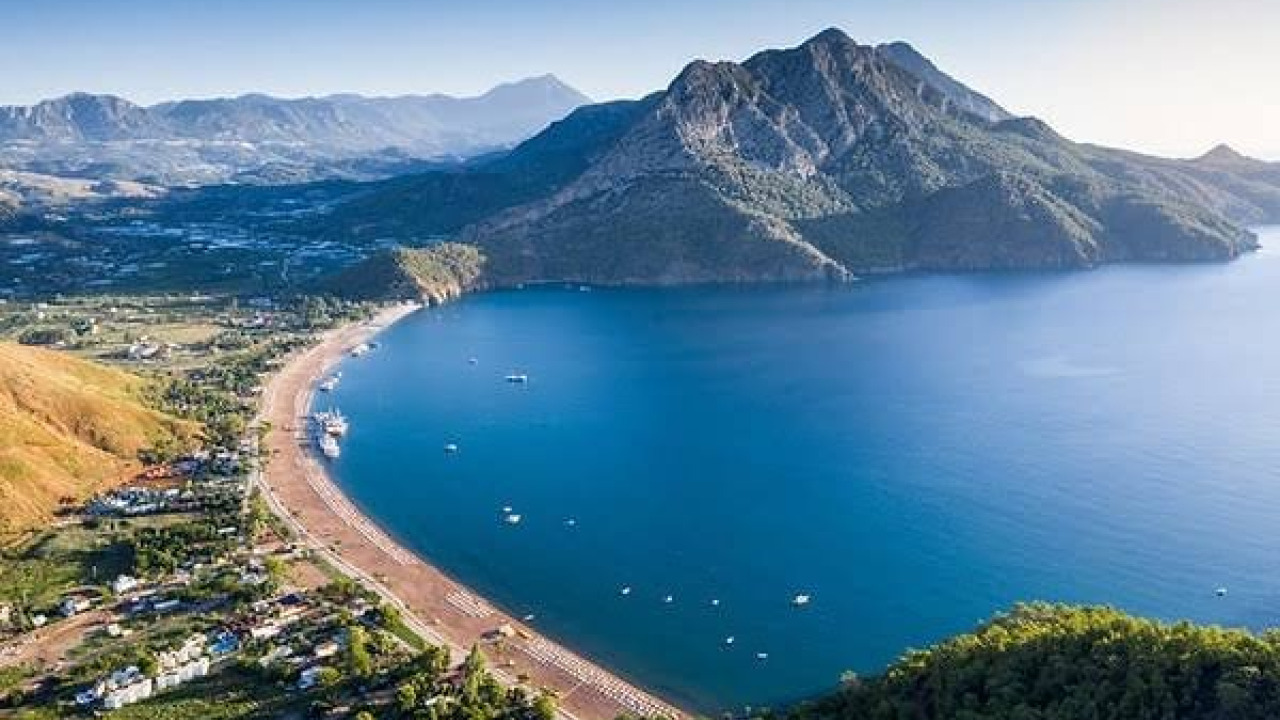

Most travelers arrive in Adrasan with a long checklist of bays to visit, but the real secret isn't in the list itself. To those who know the area, Adrasan is a hidden gem on the western edge of Antalya's coastline, serving as a gateway to the Lycian coast. The quality of your trip isn't decided by which bay looks best in photos, but by when you visit, how long you stay, and where you choose to base yourself.
This isn't just another tour list. This guide uses local expertise to answer four essential questions: Who is Adrasan for? When should you visit? Where should you stay? And how many days are enough? The tables below break these down by traveler profile and calendar.
We have also addressed the most common questions regarding transportation, hidden coves, and lodging. Please note that distance and travel time information is based on current data; we recommend verifying local conditions before your departure.
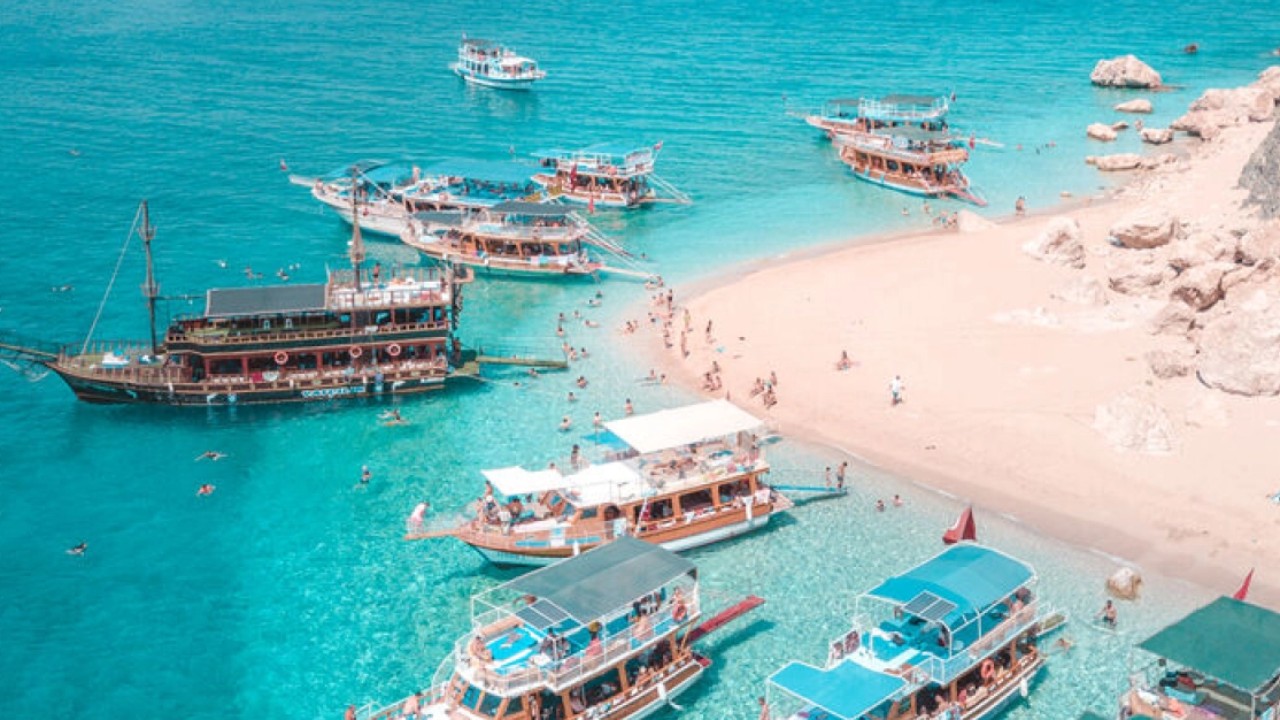
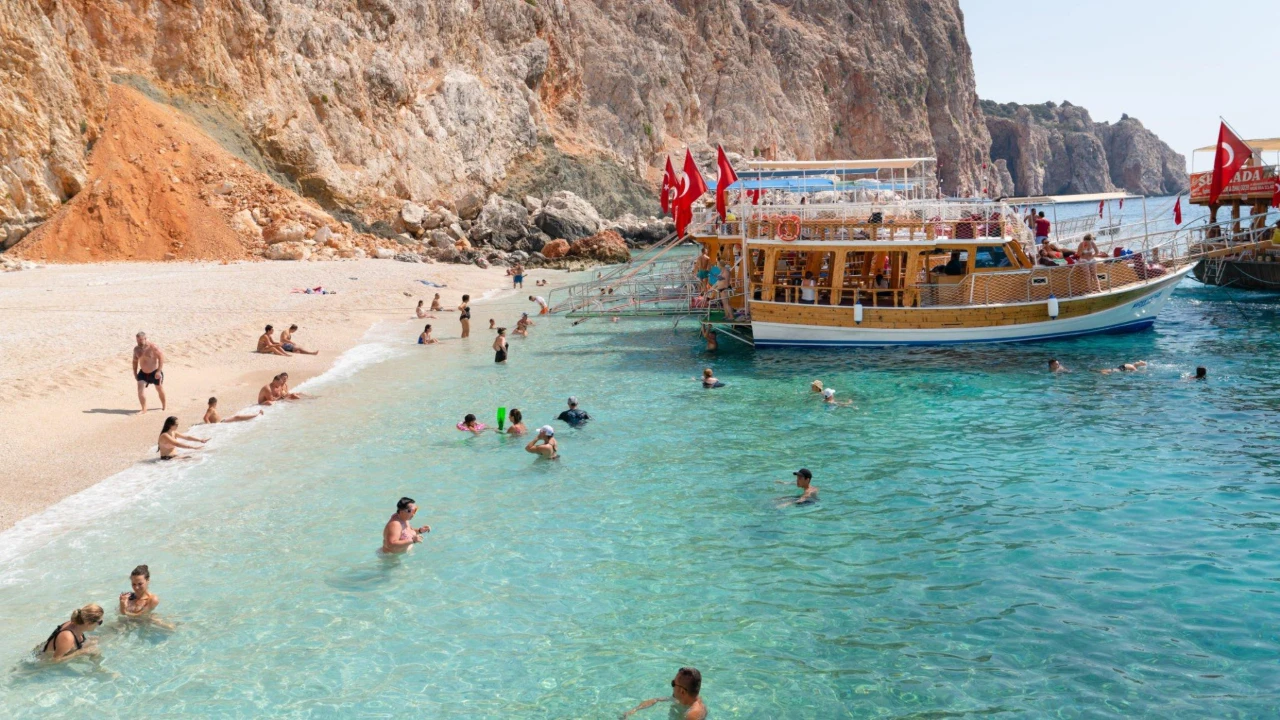
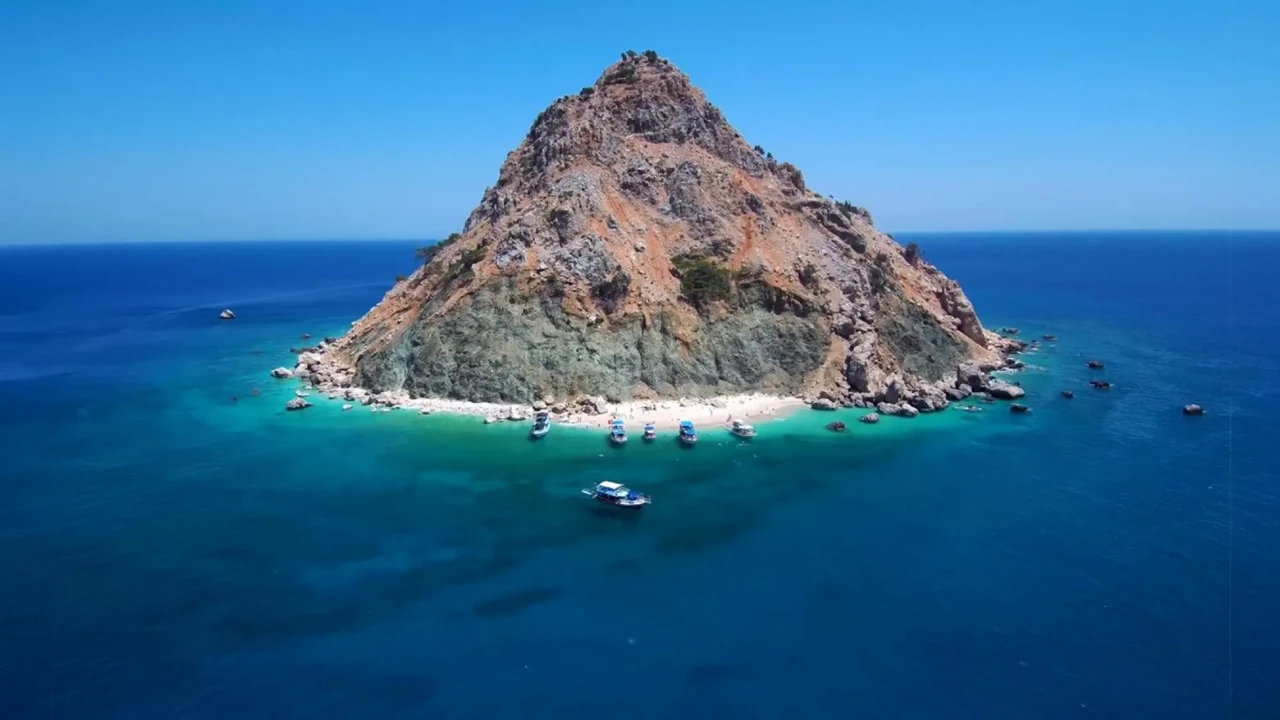
Local's Quick Summary: Adrasan is the perfect sanctuary for those looking to unplug. A 2-3 day stay is ideal to recharge. Dedicate one full day to a boat tour of Suluada (often called the "Maldives of Turkey") and one day to hiking toward the Gelidonya Lighthouse. Its sheltered, calm waters also make it a safe haven for non-swimmers and families.
Quick Facts
| Topic | Quick Answer |
|---|---|
| Location | Adrasan, Antalya; a coastal settlement on the Lycian Way |
| Distance to City Center | Approximately 1.5 hours by road from Antalya city center |
| Vibe & Character | Secluded bays, boat expeditions, Lycian Way hiking, and ancient ruins |
| Top Highlights | Suluada, Ceneviz Bay, Akseki Bay, Korsan Bay, Gelidonya Lighthouse, Adrasan River |
| Nearby Stops | Olimpos, Çıralı, Karaöz, Phaselis, Demre, and Kekova |
| Accommodation | Hotels, boutique hotels, pensions, bungalows, apartments, camping, and RV sites |
| Recommended Stay | 1 day (day trip), 2-3 days (classic), 4+ days (hiking/adventure focus) |
| Best for Swimming | Summer months; hiking and ruins are best in cooler seasons |
| Getting There | Private car or public transport via Antalya coastal transfers |
| Departure Point | All boat tours depart directly from the Adrasan beach |
While the table provides the basics, the following sections explain how these details shift based on your personal preferences and schedule. To explore current itineraries, our Adrasan tour options page is the best place to start.
Who is Adrasan For? Profile & Season Guide
The most common misconception about Adrasan is that it's the same experience for everyone. In reality, the same coastline caters to a kayaker exploring the river, a trekker covering ten kilometers a day, and a family seeking shade for their children. The difference lies in the timing and the itinerary. The months suggested below are not strict rules, but rather indicators of when each traveler profile will feel most at home.
| Profile | Ideal Period | Local Recommendation | Potential Challenges |
|---|---|---|---|
| Families | June, September, October | Stay within walking distance of the beach; start with an early boat trip and spend afternoons relaxing on the sand | Long hiking trails and inaccessible bays can be difficult with small children |
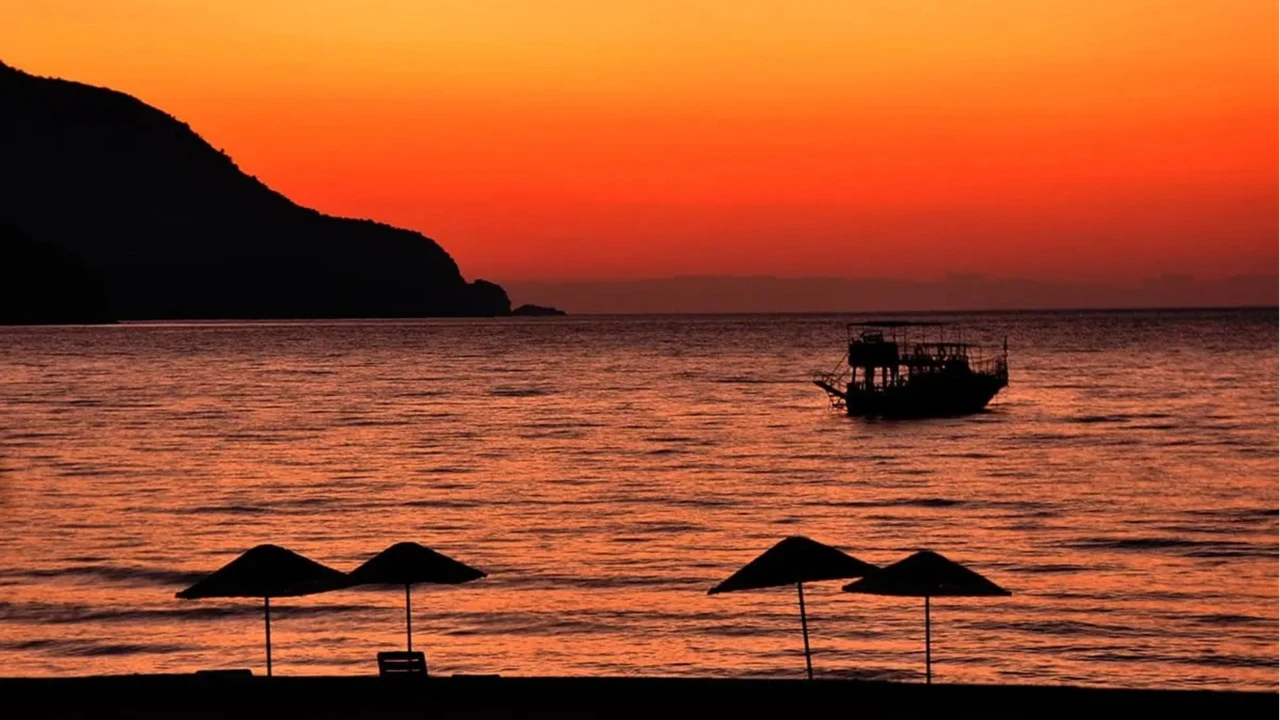
| Couples | May, June, September | Plan a sunset boat trip followed by a visit to an ancient city the next morning | If the itinerary is only boat tours, the days can start to feel repetitive |
| Budget Travelers | April, May, October, November | Compare pensions, bungalows, and camping; plan day trips starting from Antalya | Mid-summer sees a spike in both accommodation prices and tour demand |
| Nature & Adventure | March, April, October, November | Make the Gelidonya Lighthouse branch of the Lycian Way and the Adrasan River the core of your trip | Midday hiking in the peak of summer is exhausting and inefficient |
| Campers & RVers | May, June, September | Explore both the beachfront campsites and the more rugged spots toward Korsan Bay | Fewer facilities are operational during the winter months |
| Divers & Water Sports | June, July, August, September | Choose your base based on proximity to scuba, kayak, and surf operators | Finding specialized programs outside the peak season requires advance planning |
| Photography & History | April, May, October | Visit Olimpos and Phaselis in the early morning; save the beach for the golden hour | Trying to cram an ancient city and a full-day boat tour into one day is draining |
The reason for this distinction is simple: the swimming season and the hiking season in Adrasan do not perfectly overlap. While boat tours run non-stop in summer, the Lycian Way and ancient ruins are far more enjoyable in the cooler months. Choose your month based on which activity is your priority.
When to Visit: Monthly Decision Matrix
The following table is not a weather forecast, but a guide to the "rhythm" of the region, what the locals are doing and what activities are peaking. Since schedules and boat departures can vary year by year, always confirm your bookings in advance.
| Month | Regional Rhythm | Local Recommendation |
|---|---|---|
| January & February | Quietest period; limited tour availability | Focus entirely on hiking. If visiting neighboring towns, double-check transport schedules as they are reduced in winter |
| March | Transition month; nature awakens | Visit for the landscapes, not the swimming. The Adrasan River area and Lycian Way trails are perfect for walking now |
| April | Prime time for ruins and hiking | Fit Olimpos, Phaselis, and Gelidonya Lighthouse into your midday plans. Confirm if boat tours have started their seasonal tempo |
| May | The opening of the sea season | The perfect balance. You can fit both hiking and swimming into a single itinerary |
| June | All bays and islands are fully open | Schedule Suluada and Ceneviz Bay boat trips for mid-week; keep the beach for the weekend |
| July | Peak summer operations | Start your day early. The most efficient flow: morning boat, midday shade, and a sunset stroll |
| August | The absolute peak of demand | Book accommodation and tours well in advance. Plan access to remote bays via boat |
| September | Warm waters, slower pace | Ideal for families and couples. It's easy to combine beach days with ancient city explorations |
| October | The sweet spot for sea and trekking | Put the Lycian Way hike at the center of your program and use the sea as a refreshing complement |
| November & December | Short days, serene shores | Visit for camping and hiking. Since daylight fades early, plan your return times and verify public transport schedules |
The local's bottom line: June to September for the beach, May and October for balance, and March, April, or November for hiking.
Where to Stay: Beachfront, Village Center, or Riverside
Because Adrasan is a small settlement, "which area" isn't about choosing between different districts, but rather choosing a spot within a few hundred meters. This small distance determines the daily rhythm of your vacation.
| Area | Character | Best For | Note |
|---|---|---|---|
| Adrasan Beachfront | Right on the water; the hub for boat departures | Families, couples, beach lovers | Being within walking distance of the boat docks is a huge advantage for early morning departures |
| Village Center (Çarşı) | The hub for daily needs and evening activity | Travelers without cars, budget explorers | Consider the walk between the center and the beach when choosing your lodging |
| Adrasan River & Inland | Shady, lush, and naturally cool | Nature lovers, those escaping the midday heat | You'll need a car or a long walk to reach the sea; plan accordingly |
| Çavuş & Village Interior | The quietest part of the settlement | Peace-seekers, long-term stayers | A vehicle may be necessary to reach the beachfront easily |
| Karaöz Direction | A separate, quieter coastal strip | Those wanting to escape the crowds | Plan this as a separate day trip rather than a part of the Adrasan hub |
| Olimpos & Çıralı Direction | A different vibe with a unique lodging culture | Those seeking authentic bungalows and camping | Think of this as an addition to Adrasan, not a replacement |
Your choice of accommodation type is just as important as the location:
- Hotels & Boutique Hotels: For those seeking classic comfort near the beach.
- Pensions: Ideal for budget-conscious travelers and short stays.
- Bungalows & Cottages: For those who want to wake up immersed in nature.
- Apartments: Best for families needing a kitchen or long-term visitors.
- Camping, Glamping & RV Sites: For those who want to sleep under the stars right by the sea.
Local Tip: Decide how you will spend your day first, then pick your lodging. If you're spending your days on a boat, stay on the beach. If you're hiking, the inland or village areas will save you time.
Recommended Themes for Your Trip
The most practical way to plan your time in Adrasan is by "theme" rather than location. These four themes cover everything the region has to offer.
Sea and Hidden Bays
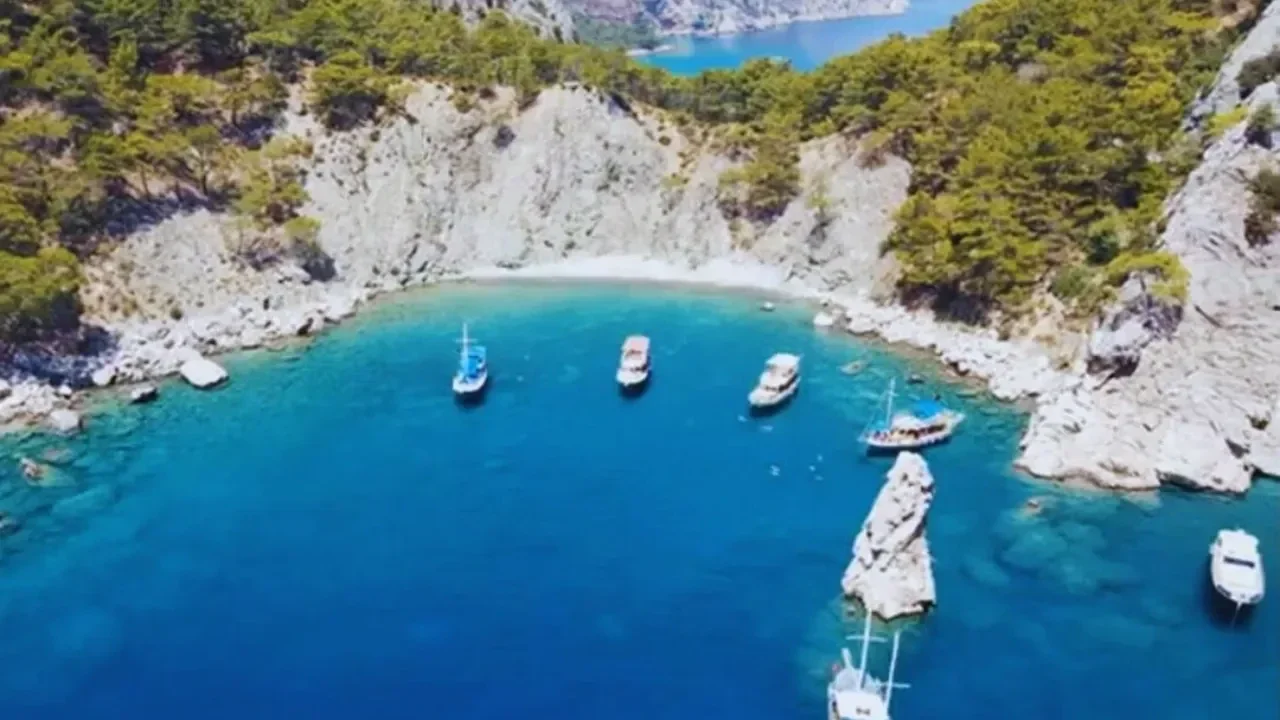
This is the heart of Adrasan. Suluada is an island and can only be reached by boat. Similarly, spots like Ceneviz Bay, Akseki Bay, Korsan Bay, Aquarium Bay, Fisherman's Bay, and Hacivat Bay are largely inaccessible by land. Therefore, "where to swim in Adrasan" isn't just about the main beach, it's about the daily boat routes.
All departures are from the Adrasan beach. Our catalog includes daily boat trips, island hopping, "Blue Cruise" experiences, and sunset tours. For a bay-focused day, check out our island and bay programs, or for a classic experience, explore our daily boat options.
Nature and Adventure
Adrasan's second side reveals itself once you leave the water. The area is a playground for paragliding, scuba diving, ATV safaris, surfing, kayaking, and trekking. The Lycian Way passes right through here, and the trek to the Gelidonya Lighthouse is one of the region's most iconic routes.
The Adrasan River area offers a shorter route that can fill half a day, while Musa Mountain is a summit trek that requires a full, dedicated day. Camping is also a core part of this theme, offering different vibes depending on whether you choose a beachfront site or a secluded cove.
Culture and History
While Adrasan itself isn't an ancient city, it is surrounded by them. Olimpos, Phaselis, and Yanartaş (the Eternal Flame) are all nearby. For local history, visit Adrasan Castle or the mosque in the Çavuş center. Many travelers ask about "things to do in Adrasan and Olimpos"; the answer lies in the trio of the Olimpos ancient city, Çıralı beach, and Yanartaş. This combination requires a full day to be truly enjoyed.
Gastronomy and Local Life
"What to eat in Adrasan" is a top query. From a local's perspective, the answer depends on where you stay. Your evening plans are shaped by the distance between the beach and the village center: if you're beachfront, dinner is a short stroll; if you're inland, you'll likely need a car. Since menus and prices vary by season and establishment, we recommend checking with the venues upon arrival.

Getting to Adrasan: Transport and Location
The most frequent question we get is "How many hours from Antalya to Adrasan?" The answer dictates your entire plan.
- By Private Car. From Antalya city center, Adrasan is about a 1.5-hour drive. This makes day trips possible, though you'll need the whole day if you plan to include a boat tour.
- By Public Transport. The route typically goes through the district centers along the coast, requiring a final transfer to descend to the beach. Transfer times vary by season, so always note your return time.
- Consider the Winter Schedule. In the off-season, the frequency of buses drops and schedules shift. If planning a day trip to surrounding areas like Demre or Kekova, verify the times directly before leaving.
- Plan Bay Access Separately. Many bays, especially Suluada, have no road access. These can only be reached by sea, with all departures starting from the Adrasan beach.
- Getting Around Locally. The beach and the village center are within walking distance. However, you will need a vehicle or local transport to reach the Adrasan River, Çavuş, or Karaöz.
Geographically, Adrasan sits on Antalya's west coast, centered between Olimpos and Karaöz. This prime location allows you to experience both the secluded bays of the Lycian coast and the ancient ruins in one trip. While Antalya center offers a bustling city vibe, Adrasan is the quiet, serene end of that spectrum.
How Many Days Should You Stay?
The duration of your stay depends on how many of the four themes you want to experience. Here is the local breakdown:
- One Day (Day Trip). The 1.5-hour distance from Antalya makes this feasible. Dedicate the day to a sea route, with a quick stop at the beach and village center before heading back. For a detailed guide on planning a Suluada-focused day, see our Adrasan Suluada boat tour guide.
- Two to Three Days (The Classic Program). This is the most balanced option. One day for sea and bays, one day for ruins or hiking, and a half-day for relaxing on the beach. For details on the best order to visit the bays, refer to our Adrasan boat tours and bays guide.
- Four Days or More (The Deep Dive). This allows time for the Lycian Way, extended camping, and exploring neighboring geographies. For those focusing on kayaking and camping, our Adrasan Bay kayak and camp article is a great resource.
Trying to squeeze both ruins and boat tours into a single day on a short trip often leads to burnout. Our advice: narrow your focus and experience your chosen theme at the right time of day.
Exploring the Neighborhood
While Adrasan is great on its own, seasoned travelers pair it with neighboring stops. These should be added as extra days, not as replacements:
- Olimpos and Çıralı: The ancient city, beach, and Yanartaş trio require one full day.
- Karaöz: A peaceful coastal strip separate from Adrasan, perfect for a half-day excursion.
- Phaselis and Tahtalı: Combines a seaside ancient city with stunning mountain vistas in one day.
- Demre and Kekova: For day trips, check the winter schedules carefully as they are the deciding factor.
- Gelidonya Lighthouse: A stunning Lycian Way trek that requires an early morning start.
Within the same province, you'll find entirely different vibes in Kaleiçi, Konyaaltı, Belek, Lara, and Kaş. We have separate guides for those destinations. What sets Adrasan apart is the scale: here, your vacation isn't built around a city center, but around a protected, peaceful bay.






Frequently Asked Questions 5
How long does it take to get from Antalya to Adrasan?
It takes approximately 1.5 hours by car from Antalya city center. Public transport takes longer due to transfers. While a day trip is possible, you will need the entire day if you plan to take a boat tour.
What makes Adrasan different from larger resort towns?
Adrasan is a small coastal settlement on the Lycian coast. Unlike large resorts, the experience is centered around a secluded bay and its connected sea routes rather than a city. Its main draw is the ability to reach roadless bays by boat and the intersection of the Lycian Way with ancient ruins.
When is the best time for swimming vs. hiking in Adrasan?
For a sea-focused vacation, June through September is best. For a mix of activities, May and October are ideal. For nature trekking and visiting ancient cities, March, April, and November are the top choices. In winter, the beach is quiet, and the focus shifts to hiking and camping.
Is it better to visit Adrasan for a day or stay for a few days?
A day trip is enough for one boat route. A 2-3 day stay is the most balanced, allowing for a sea day, a hiking/ruins day, and beach time. If you plan to explore the Lycian Way, camp, or visit neighboring towns, 4 or more days are recommended.
Where are the best places to swim in Adrasan, and which bays are highlights?
Adrasan Beach is the main swimming spot. Beyond that, Ceneviz Bay, Akseki Bay, Korsan Bay, Aquarium Bay, Fisherman's Bay, Hacivat Bay, and Papaz Bay form the region's coastline. Suluada is an island accessible only by boat. Since many of these bays have no road access, we recommend planning your sea days via boat tours.